Skip to content
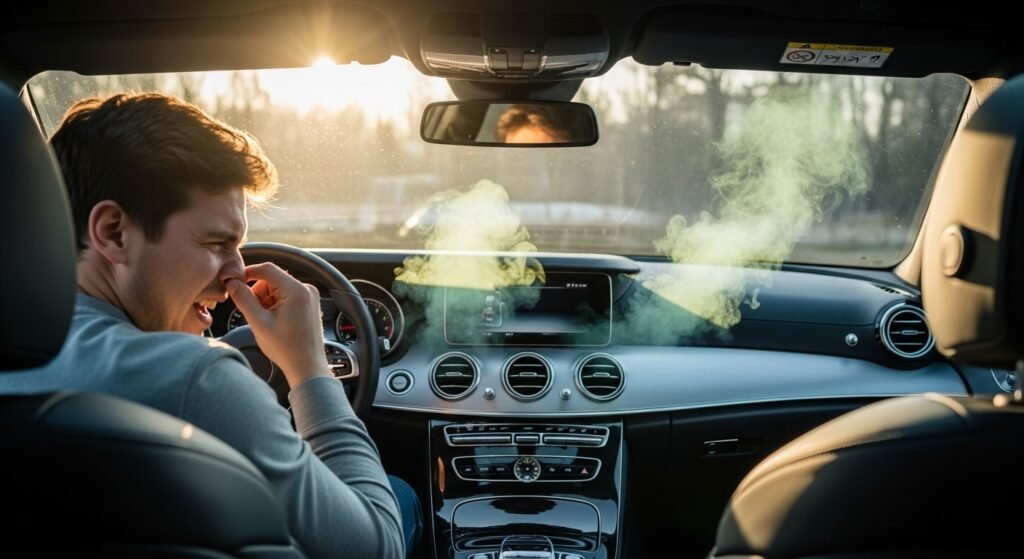
Is your car’s interior starting to smell like a gym locker or a salad bar? If you have a smelly car AC, you are definitely not alone in this struggle. That sour vinegar smell or musty funk is a common headache for drivers everywhere. It usually happens when you least expect it, like during a hot summer day. This guide will help you find the source of that nasty stink. We will also show you exactly how to fix it fast. You do not need to be a pro mechanic to get your car smelling fresh again. Let’s dive into why your vents are acting up and how to clear the air.
Understanding Why Your Car AC Smells Like Vinegar or Mildew

If your car smells like a pickling factory, there is a scientific reason for it. A smelly car AC is usually caused by things you can’t see hiding in the vents. These tiny invaders love the dark and damp parts of your dashboard. Knowing why it happens is the first step to winning the war against the funk.
- The Root Cause: Moisture Accumulation: Air conditioning systems work by pulling heat and wetness out of the air. Sometimes that water gets trapped inside the system instead of draining out.
- Mould and Bacteria Build-up: When water sits in a dark spot, mould and bacteria start to grow very fast. These tiny organisms release gases that smell exactly like vinegar or old socks.
- Climate and Weather Factors: If you live in a place with high humidity, your AC has to work much harder. Rainy seasons make it even harder for the internal parts of your car to dry out fully.
- Environmental Debris: Small leaves or dirt can fall into the air intake vents near your wipers. This organic junk eventually rots and sends a foul odor straight into your face.
- The “Forgotten Items” Rule: Always check for old fast-food bags or dropped groceries under the passenger seat. Sometimes the smelly car AC isn’t the machine at all, but a month-old sandwich.
Common Odor Profiles and What They Mean
Every bad smell tells a different story about what is happening under the hood. Paying attention to the specific scent can help you diagnose the problem quickly. It is like being a detective for your own car’s health.
- Vinegar or Sour Scent: This is a classic sign of mould growth or a struggling evaporator. It means the moisture in your system has gone stale and turned acidic.
- Musty, Stale, or Stuffy: This usually means your air is not moving through the system like it should. It often points toward an old, dirty cabin air filter that needs to go.
- Smelly Socks or Body Odor: This funky smell comes from bacterial colonies living on your evaporator coils. They love the damp environment and multiply whenever the AC is off.
- Chemical or Hot Smell: If it smells like burning or chemicals, you might have a mechanical issue. This could be a sign of a refrigerant leak or an overheating part.
- Sweet, Syrupy Odor: A sugary smell might sound nice, but it actually indicates a coolant leak. This is usually caused by a leaky heater core and needs a mechanic’s eye.
- Burning Rubber or Plastic: This sharp scent often means a belt is slipping or wires are getting too hot. You should turn off the car and check the engine bay if you smell this.
The Risks of Ignoring a Smelly AC System
A smelly car AC is more than just a gross annoyance for you and your friends. Ignoring the problem can lead to bigger issues down the road. It is always better to handle the stink as soon as you notice it.
- Respiratory Health Hazards: Breathing in mould spores every day is not good for your lungs. It can cause sneezing, coughing, or even worse asthma attacks for sensitive people.
- System Longevity: The mould and gunk that cause the smell can also corrode the metal parts of your AC. If you wait too long, you might have to replace the whole system.
- Comfort and Aesthetics: Nobody wants to ride in a car that smells like a damp basement. It makes every commute miserable and ruins the vibe of your vehicle.
- Financial Impact: A cheap filter change today can save you thousands of dollars later. Preventing a total system failure is the smartest move for your wallet.
The Mechanics of the Modern Car AC System
To fix a smelly car AC, it helps to know how the cooling magic happens. Your car uses several parts to turn hot outside air into a frosty breeze. When these parts get dirty, the whole experience goes south.
How the Cooling Cycle Works
The system starts with the compressor, which acts like a pump for the refrigerant gas. This gas travels to the condenser at the front of your car to cool down. Then it hits the evaporator inside your dashboard, which gets ice cold. A fan blows air over that cold evaporator and into your cabin.
The Role of Refrigerant and Lubrication
Refrigerant is the “blood” of your AC system that carries the cold. If the gas level gets too low, the system can’t remove moisture properly. There is also special oil inside the system to keep all the moving parts slippery.
Immediate DIY Solutions to Eliminate Odors
You don’t always have to spend big bucks at a repair shop for a smelly car AC. There are several things you can do right now in your own driveway. These simple tricks can clear out the funk in just a few minutes.
- The Flush Technique: Turn your AC to the highest setting and open all the windows. Let it run for five minutes to blast out any stagnant air and light dust.
- Switching to Fresh Air Mode: Stop using the “Recirculate” button for a while. The “Fresh Air” setting brings in outside air to help dry out the internal dampness.
- The Post-Journey Drying Method: About two minutes before you get home, turn off the AC button. Keep the fan on high to dry the evaporator before you park the car.
- Using Natural Odor Absorbers: Place a bowl of baking soda or activated charcoal in the car overnight. These materials are great at soaking up bad smells from the upholstery.
Essential Maintenance and Filter Care

The biggest hero in fighting a smelly car AC is the cabin air filter. This filter catches dust, pollen, and leaves before they reach your nose. If you haven’t changed yours lately, it is probably time for a new one.
- Replacing the Cabin Air Filter: This is usually the quickest way to kill the musty smell. Most people can do this in ten minutes with no special tools.
- Signs of a Clogged Filter: If your vents aren’t blowing hard or they make a whistling sound, the filter is full. A heavy musty smell is the most obvious sign it’s done.
- Manufacturer Recommendations: You should check your manual, but every 15,000 miles is the standard rule. If you live on a dirt road, you might need to change it more often.
- HEPA vs Carbon-Activated Filters: Carbon filters are extra good because they use charcoal to trap odors. HEPA filters are best for people with bad allergies.
- DIY vs Professional Replacement: You can buy these filters at any auto parts store for cheap. If you can’t find it, your local mechanic can swap it during an oil change.
Using Car AC Cleaners and Air-Con Bombs
Sometimes the mould is buried too deep for a simple filter swap. This is when you need to bring in the big guns like an “air-con bomb”. These cleaners are designed to go everywhere the air goes.
- When to Use an AC Bomb: If your smelly car AC persists after a filter change, use a bomb. It is the best way to reach the hidden bacteria in the vents.
- How the Disinfectant Works: The aerosol mist kills the mould and germs on contact. It treats the entire ventilation system from the intake to the vents.
- Luxury Fragrance Options: Many of these cleaners come with nice scents like “new car” or designer smells. They leave your car smelling like a million bucks.
- Safety Precautions: Never stay inside the car while the cleaning bomb is going off. Make sure you air out the car completely before you start driving.
Step-by-Step Guide to Using an Air Conditioning Sanitizer

Using a cleaning can for your smelly car AC is pretty straightforward. You just need to follow a few specific steps to make sure it works right. Here is the best way to get it done safely.
- Initial Preparation: Start your engine and make sure all your interior vents are open wide. Roll up all the windows as tight as they will go.
- Configuring AC Settings: Turn the AC to the coldest setting and the fan to the highest speed. Make sure you have the “Recirculation” mode turned on.
- Canister Placement: Shake the can well and put it on the floor of the passenger side. Move that seat all the way back to give it room to spray.
- Activation and Sealing: Point the nozzle away from your face and click the valve into place. Quickly get out of the car and shut the door behind you.
- The Recirculation Phase: Let the car run for about five to ten minutes while the mist circulates. This gives the disinfectant time to coat all the internal parts.
- Final Ventilation: Turn off the engine and open all the doors for at least ten minutes. This lets the leftover chemicals escape so you can breathe easily.
Advanced Mechanical Issues and Professional Repairs

If you still have a smelly car AC after all that, the problem might be deeper. Some issues require a professional touch and specialized tools. Don’t be afraid to visit a shop if the DIY tricks don’t work.
- Evaporator Coil Cleaning and Repair: If the coils are covered in thick gunk, they might need a professional foam cleaning. A mechanic can access the core to scrub it properly.
- Identifying a Blocked Drainage Hose: Check for wet carpet in the passenger footwell. If you don’t see water dripping under your car on a hot day, the drain is clogged.
- The Role of Refrigerant (Regassing): If your AC isn’t cold and smells sour, you might be low on gas. A pro can “regas” the system to bring back the frost.
- Diagnosing Compressor Failure: A failing compressor can make loud noises or weird smells. This is a major repair that needs an expert hand.
- ARC-Authorised Technicians: Always look for licensed technicians when dealing with AC gas. They have the right gear to handle refrigerants safely without hurting the environment.
Long-term Prevention Strategies

Once you fix your smelly car AC, you definitely don’t want the stink to come back. A little bit of prevention goes a long way in keeping your air fresh. Follow these simple habits to stay ahead of the mould.
- Year-Round AC Usage: Run your AC for at least ten minutes every week, even in winter. This keeps the seals moist and prevents the air from getting stale.
- Regular Professional Servicing: Ask your mechanic to check the AC system during your annual inspection. They can spot small leaks before they turn into big, smelly problems.
- Cleaning the Air Intake Plenum: Clear out any leaves or pine needles near the base of your windshield. This keeps rotting junk from getting sucked into your vents.
- Maintaining Interior Cleanliness: Vacuum your floors often and wipe down the dashboard. Less dust in the cabin means less gunk for the filter to catch.
- Parking Considerations: Try to avoid parking under trees that drop lots of sap or tiny seeds. These can easily clog up your car’s air intake system.
Conclusion: Staying Cool and Fresh
Dealing with a smelly car AC doesn’t have to be a nightmare. By following these steps, you can take control of your car’s air quality. Start with the easy stuff like changing your filter and using a cleaning bomb. If the smell sticks around, don’t hesitate to call in the professionals. Your lungs and your passengers will thank you for the fresh air. Keep up with your maintenance, and you will never have to worry about a “vinegar car” again. Safe driving and stay fresh out there!
| Solution Method | Necessary Tools & Materials | Purpose of the Solution |
| Cabin Air Filter Replacement | New filter, screwdriver (for some models), work gloves | Removes trapped dust, pollen, and decaying organic matter that causes musty smells. |
| Air-Con Bomb Treatment | Aerosol disinfectant canister (Air-Con Cologne), microfiber cloth | Deep cleans the ductwork and kills bacteria/fungi throughout the internal ventilation system. |
| Evaporator Foam Cleaning | Expansion foam cleaner, flexible application tube | Penetrates the cooling fins of the evaporator to dissolve thick slime and mould buildup. |
| Drainage Hose Unclogging | Compressed air or a thin flexible wire, jack stands | Clears blockages that cause water to pool in the system and turn into a breeding ground for germs. |
| Natural Odor Absorption | Baking soda, activated charcoal bags, or white vinegar | Soaks up lingering scents from the car’s upholstery and carpeting without using chemicals. |
| System Flush & Dry | Car ignition key, high fan speed settings | Uses high-velocity airflow to dry out moisture on the evaporator coils after a long drive. |
| Vent & Intake Cleaning | Soft-bristled brush, vacuum with crevice tool | Removes leaves, pine needles, and dirt from the exterior air intake cowl before they rot. |
| Professional Regassing | Refrigerant gas (R134a/R1234yf), manifold gauges | Restores proper pressure to prevent coil icing, which is a major cause of moisture-related odors. |
| Ozone Machine Treatment | Portable ozone generator, power source | Oxidizes organic molecules in the air to permanently neutralize heavy odors like smoke or rot. |
| Upholstery Deep Clean | Steam cleaner or carpet extractor, fabric shampoo | Eliminates smells that have migrated from the smelly car AC into the fabric of the seats. |
| Duct Sanitization | Long-reach sanitizing spray, flashlight | Targets specific vents that may be holding onto localized pockets of bacteria or dust. |
| Heater Core Inspection | Pressure tester, coolant collection pan | Diagnoses sweet-smelling leaks that indicate toxic antifreeze is entering the air stream. |
Frequently Asked Questions
Can a dead rodent in the dashboard cause a smelly car AC?
Yes, small animals like mice can crawl into the HVAC unit and die. This creates a distinct, rotting smell that intensifies when the fan is turned on.
Is it safe to spray household disinfectant into the car air vents?
No, household sprays like Lysol can damage plastic components or cause respiratory irritation. Use products specifically designed for automotive evaporators.
Can a sweet smell indicate a health risk?
A sweet, maple syrup smell usually means an antifreeze leak from the heater core. These fumes are toxic if inhaled over a long period.
Why does my AC smell worse immediately after a car wash?
Water can enter the air intake cowl and soak a dirty cabin filter. This trapped moisture reacts with existing dust to create an instant musty odor.
Can cigarette smoke permanently ruin the AC smell?
Smoke particles settle on the evaporator and in the ductwork. While cleaners help, heavy smoking often requires a professional deep-cleaning of the entire HVAC housing.
Does the age of the vehicle affect how often the AC smells?
Older cars often have more debris buildup in the evaporator housing. They generally require more frequent filter changes and duct sanitization.
Can a low battery cause the AC to smell?
Not directly, but a weak battery can cause the blower motor to run slowly. Poor airflow leads to more condensation buildup on the coils, encouraging mould.
Will parkinng in a garage prevent a smelly car AC?
Garages protect the intake from leaves, but poor ventilation in a garage can slow down the drying process of the evaporator after a drive.
Can I use essential oils to fix a smelly car AC?
Essential oils only mask odors. Some oils can leave a sticky residue in the vents that actually traps more dust and worsens the problem over time.
Why does the smell disappear after the AC runs for ten minutes?
The initial blast of air carries the concentrated gases from the stagnant moisture. Once the system is running, the constant airflow dilutes the odor.
Is the vinegar smell more common in electric vehicles?
EVs use similar AC components. However, because they lack engine heat to dry out the area under the hood, some owners report faster moisture buildup.
Can a cracked windshield lead to AC odors?
If the seal at the bottom of the windshield is broken, rainwater can leak directly into the cabin filter housing, causing it to rot.
Does high-altitude driving impact AC smells?
Changes in air pressure and humidity at high altitudes can affect how quickly condensation drains, potentially leading to faster bacterial growth.
Can pet hair contribute to a smelly car AC?
Pet hair can bypass a loose filter and clog the evaporator fins. This organic material then rots when it gets wet from condensation.
Why does the AC smell bad only on the heat setting?
This suggests the heater core or the “blend door” area has a buildup of dust or a small coolant leak that only releases odors when hot.
Can a faulty thermostat cause odors?
If the thermostat fails and the system doesn’t get cold enough to dehumidify, the cabin stays damp, leading to a lingering stale smell.
Does the type of refrigerant used affect the smell?
The gas itself is odorless. However, certain modern refrigerants require specific oils that may have a slight chemical scent if they leak.
Can I clean the evaporator without removing the dashboard?
Most cars allow access through the cabin filter slot or the blower motor. You can use a long wand to apply cleaning foam directly to the coils.
Will a professional ozone treatment remove the vinegar smell?
Ozone is very effective at killing bacteria in the air and on surfaces, but you must still remove the physical source of the mould first.
Does spilled coffee in the center console affect the AC?
Yes, liquid can seep into the floor vents located under the seats or in the console, causing a sour smell that the AC then circulates.