 Skip to content
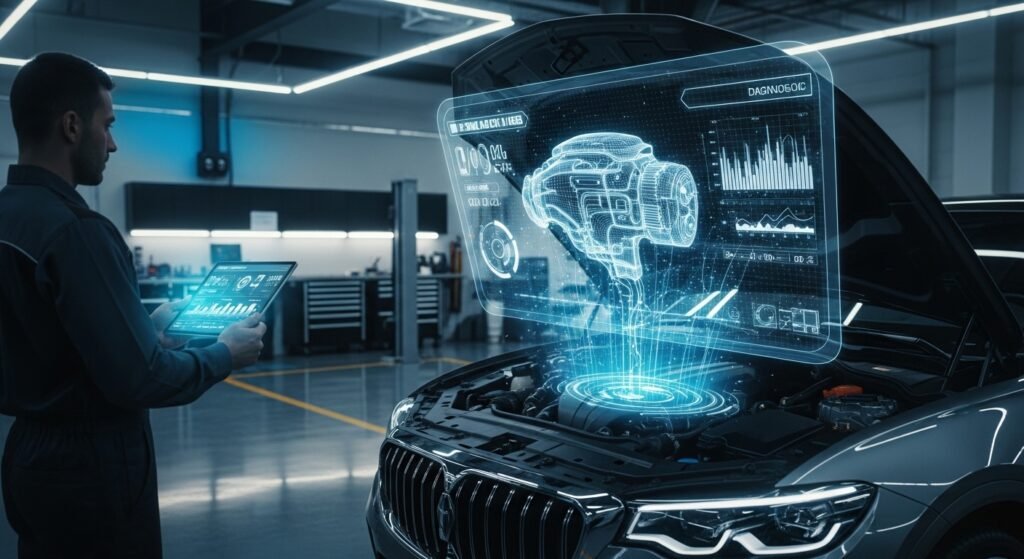
Your car is way more than just four wheels and a loud engine. It is actually a rolling supercomputer that thinks for itself. Every time you turn the key, a complex car computer system kicks into high gear to make sure everything runs right. If you have ever seen a weird light on your dash, that is just the computer trying to talk to you. Understanding how this tech works can save you a ton of cash and stress at the repair shop.
Understanding Modern Vehicle Computer Systems
Back in the day, cars were mostly metal parts and greasy gears. Today, your car computer system handles almost every single thing that happens under the hood. It is like having a tiny, invisible mechanic living inside your dashboard. This system keeps you safe and makes sure your ride stays smooth.
The Evolution of the Automobile
Cars have changed a lot over the last few decades. We moved from simple mechanical setups to high-tech electronic ecosystems. In the past, if something broke, you could usually see it or hear it right away. Now, the problems are often hidden inside wires and circuits. This shift has made cars much more reliable and way faster than before.
The Electronic Control Unit (ECU)
The ECU is the real boss of your car computer system. Think of it as the vehicle’s brain that sits in a protected box. It takes in info from all over the car and decides what to do next. Without this little brain, your engine would not even know how to start. It manages internal processors to keep every part of the machine in sync.
Monitoring and Control
The ECU is constantly watching how the engine performs. It keeps a close eye on engine timing to make sure the pistons move perfectly. It also controls fuel injection so you do not waste gas. Emissions control is another big job it handles to keep the air clean. If any of these things get out of whack, the ECU tries to fix it instantly.
Safety System Management
Your car computer system is also your biggest bodyguard. It controls when the airbags should pop out during a crash. It manages emergency braking systems to help you stop on slippery roads. These systems work in milliseconds, much faster than a human can react. This tech is the main reason why modern cars are so much safer.
Data Logging
The ECU is like a black box for your car. It records a history of how you drive and how the parts are holding up. If a sensor acts funny, the computer logs that irregularity for later. This data logging is what helps mechanics find hidden problems quickly. It keeps a running tally of every little glitch that happens while you drive.
What is a Vehicle Computer Diagnostic?
A diagnostic test is basically a digital check-up for your ride. Instead of guessing what is wrong, the mechanic uses a tool to ask the car directly. This process gives a clear picture of what is happening inside the car computer system. It is the smartest way to handle any automotive mystery.
Defining the Diagnostic Test
This test is a deep-dive analysis of your car’s digital health. The technician plugs in a special device to read the data stored in the ECU. It checks the engine, transmission, and even the exhaust system. The goal is to find out exactly why a warning light came on. It takes the guesswork out of fixing complicated modern vehicles.
The Myth of the Magic Tool
Some people think the scan tool tells the mechanic exactly what part to buy. That is not actually how it works. The tool only points to the general area where the trouble is hiding. For example, a code might say the engine is running lean. The mechanic still has to find out if it is a leak or a bad pump.
Communication Protocols
Your car uses a specific language to talk to diagnostic tools. These are called communication protocols, and they are standardized across the industry. This means a shop can use one high-quality tool to talk to many different car brands. The car computer system sends out signals that the tool translates into English. This handshake is the first step in any successful repair job.
The On-Board Diagnostics (OBD) Standard
In the old days, every car company had their own weird way of checking for problems. It was a total mess for mechanics. Then, a universal standard called OBD was created to fix the chaos. Now, almost every car uses the same type of plug and language.
History of OBD-I vs. OBD-II
The first version, OBD-I, was a bit clunky and different for every brand. In 1996, the government required all cars to use OBD-II. This was a huge win for car owners and repair shops. It made the car computer system much easier to talk to. Now, we have a universal way to check emissions and engine health.
Locating the OBD Port

Finding the port is usually the easiest part of the job. It is a small rectangular plug that looks a bit like a computer port.
- Standardized placement is usually under the driver’s side dashboard.
- Proximity to the steering wheel makes it easy for a tech to reach while sitting.
- No tools needed to access it, as it usually just sits there waiting for a plug.
The Universal Interface
The OBD-II plug has a specific 16-pin design that never changes. This universal interface allows any compliant scanner to work with any car. You could take a scanner from a Ford and plug it into a Toyota. This makes it possible for DIYers to buy their own tools at the store. It is the key that unlocks the secrets of your car computer system.
The Step-by-Step Diagnostic Process
Performing a diagnostic scan is a very organized routine. Technicians follow a specific path to make sure they do not miss anything. It starts with a simple connection and ends with a solid repair plan. Here is how the pros get it done.
Initial Connection
The tech starts by grabbing their diagnostic scan tool. They carefully plug the connector into the OBD port under your dash. Most of the time, the car’s battery powers the tool right through the plug. This physical link is what lets the data flow from the car to the screen. It only takes a second to get hooked up.
Establishing Communication
Once plugged in, the tool has to “shake hands” with the ECU. The tech usually turns the key to the “on” position without starting the engine. This wakes up the car computer system so it can start talking. The tool identifies the car’s VIN and model automatically. Now, the two devices are ready to share secrets.
Scanning for Fault Codes
The technician then tells the tool to run a full system scan. The tool “pings” every module in the car to see if they are happy. It checks the engine, the brakes, and even the radio modules. If a module has a problem, it sends back a signal. This part of the process only takes a minute or two.
Retrieving Diagnostic Trouble Codes (DTCs)

If the car computer system found an error, it spits out a DTC. These are alphanumeric codes that represent specific glitches. The tool pulls these codes from the ECU’s memory. Even if the light went off, the code might still be stored there. These codes are the biggest clues in the whole investigation.
Real-Time Data Streaming
Sometimes, a code isn’t enough to solve the mystery. The tech can watch live sensor readings while the engine is actually running. They can see exactly how much air is entering the engine right now. They can watch the temperature of the coolant rise in real time. This live stream helps catch problems that only happen while driving.
Understanding Diagnostic Trouble Codes (DTCs)
DTCs might look like gibberish at first glance. But they actually follow a very logical pattern. Once you know the secret code, you can understand what your car is crying about. It is like learning a very short, very boring language.
The Anatomy of a Code
Every code has five characters that tell a specific story. The first letter tells you which main system is acting up. The numbers that follow narrow it down to a specific circuit or part. For example, a code starting with “P” is always about the powertrain. Understanding this structure helps techs narrow down the search area fast.
Categorization of Codes
Codes are grouped into four main buckets so they are easier to manage.
- P-Codes deal with the Powertrain, which includes your engine and transmission.
- B-Codes are for Body systems, like your power seats or airbags.
- C-Codes focus on the Chassis, which covers things like your anti-lock brakes.
- U-Codes are for Network/Communications, which is when parts stop talking to each other.
Hard Codes vs. Soft Codes
Not every code means a part is totally dead. A Hard Code means there is a permanent failure that is happening right now. A Soft Code is often just an intermittent glitch that happened once and went away. Mechanics have to figure out if the problem is a one-time fluke or a real break. This is why they often clear codes and see if they come back.
The Art of Code Interpretation
Reading a code is easy, but knowing what it means is the hard part. This is where the real skill of a mechanic comes into play. A single code can be caused by many different broken parts. It takes a bit of detective work to find the truth.
Beyond the Code
A code is just a starting point, not the final destination. If your car computer system says the engine is “Lean,” it means there is too much air. This could be a hole in a rubber hose or a bad fuel pump. The code does not know which one it is; it just knows the mix is wrong. The tech has to use their head to find the actual leak.
The Oxygen Sensor Example
This is one of the most common things people get wrong. An “Oxygen Sensor” code often leads people to buy a new sensor immediately. But the sensor might be working perfectly and just reporting bad air from a different engine problem. Replacing the sensor would be a total waste of money in that case. You have to fix the source of the bad air first.
Cross-Referencing Data
Good mechanics compare the codes with how the car is actually behaving. If the code says the engine is hot, but the hood is cold, something is wrong. They look at the car’s performance symptoms to see if they match the data. This double-check ensures they are not chasing a “ghost” in the car computer system. It is all about making sure the story makes sense.
Professional Assessment and Advanced Testing

When the easy stuff doesn’t work, the pros bring out the big guns. Diagnostic tools are great, but they are just one part of the toolbox. A deep dive into the car’s hardware is often necessary to be 100% sure. This is where the real expertise happens.
Physical Inspections
Sometimes, the best diagnostic tool is a pair of human eyes. Technicians look for frayed wires that might be shorting out. They check for cracked rubber hoses that could be sucking in extra air. Even the best car computer system can’t tell if a squirrel chewed through a wire. A quick visual check can often solve a mystery in seconds.
Sophisticated Tooling
There is a huge difference between a cheap scanner and the pro versions. High-end shop tools can run active tests, like turning on a fan to see if it works. They can graph data over time to see tiny hiccups in the signal. These advanced suites cost thousands of dollars because they do so much more. They provide the deep details that cheap tools simply cannot see.
Pinpoint Testing
Once a tech has a suspect, they use tools like multimeters to test the electricity. They measure the exact voltage going to a sensor to see if it is correct. Oscilloscopes let them see the actual electrical “waves” in a wire. This proves whether the part is actually receiving power and sending a clean signal. It is the ultimate way to prove a part is dead before replacing it.
Technical Service Bulletins (TSBs)
Car companies often find mistakes in how they built a car. They release TSBs to tell mechanics about these known flaws. A tech will check these databases to see if your specific problem is a common issue. Sometimes, the fix is just a software update for the car computer system. Checking TSBs can save hours of unnecessary troubleshooting.
Formulating and Executing a Repair Strategy
Once the problem is found, it is time to get to work. A good shop doesn’t just start throwing parts at the car. They create a smart plan to fix the car the right way the first time. This keeps the costs down and gets you back on the road faster.
Prioritizing Repairs
If your car has ten different codes, the tech has to decide what matters most. Safety issues, like brake or airbag problems, always come first. Then they tackle major engine codes that could leave you stranded. Small things, like a broken radio sensor, usually wait until the end. This organized approach ensures the most dangerous stuff is fixed immediately.
System Adjustments
Sometimes, you don’t even need new parts. The car computer system might just need a software update or a “re-learn” procedure. Technicians can calibrate sensors to make sure they are reading accurately again. Adjusting software settings is a common way to fix weird idling or shifting issues. It is like updating the apps on your phone to fix a bug.
Component Replacement
If a part is truly broken, it has to be swapped out for a new one. This is the step most people think of when they visit a mechanic. The tech carefully removes the bad hardware pinpointed by the diagnostics. They install a fresh part that meets the car’s original specs. This restores the physical health of the car to match the digital data.
Clearing Codes
After the new part is in, the tech has to tell the car computer system to “forget” the old error. They use the scan tool to wipe the fault codes from the ECU’s memory. This turns off the warning lights on your dashboard. If the light stays off, it is a great sign that the repair worked. If it pops back on, there is still more work to do.
The Drive Cycle
You can’t just clear a code and head straight to an emissions test. The car needs to be driven under specific conditions to “set” the monitors. This is called a drive cycle, and it lets the computer verify that the fix is solid. It involves a mix of city and highway driving over several miles. Only after a successful drive cycle is the repair truly officially finished.
The Importance of Regular Diagnostic Checks
You shouldn’t wait for a light to pop up before checking your car’s health. Routine scans are one of the best things you can do for your vehicle. It is all about staying ahead of the game. Think of it as an early warning system for your wallet.
Preventative Maintenance
A quick scan can find “pending” codes that haven’t turned on the light yet. These are tiny problems that are just starting to develop. Catching a small sensor drift early can prevent a major breakdown later. It is much easier to fix a small glitch today than a dead engine tomorrow. This proactive approach keeps your car computer system in top shape.
Fuel Efficiency Optimization
If your car computer system isn’t running perfectly, you are wasting gas. Even a slightly off sensor can cause the engine to burn too much fuel. Regular diagnostics ensure the air-fuel ratio is tuned to perfection. This keeps your gas mileage high and saves you serious money at the pump. A well-tuned car is always a cheaper car to drive.
Extending Vehicle Lifespan
Cars that get regular digital check-ups simply last longer. By fixing small issues quickly, you reduce the overall wear and tear on the engine. Major components like the transmission stay healthy because the computer is shifting them correctly. It prevents the “domino effect” where one bad part ruins three others. A healthy car computer system is the key to hitting 200,000 miles.
Passing Emissions Tests
In many places, you can’t register your car if it fails an emissions test. A diagnostic check will tell you if your car is ready to pass before you ever go to the testing station. It checks the “readiness monitors” to ensure everything is clean. This saves you from the headache of failing and having to go back twice. It is the ultimate way to stay legal and green.
Advancements in Diagnostic Technology
The tech used to check cars is getting faster and smarter every single year. We are moving away from old-school wires and toward a more connected future. These tools make it easier for mechanics to be right the first time. It is a very exciting time for automotive tech.
Wireless and Bluetooth Scanning
Technicians no longer have to be tethered to the car by a short cable. Modern scanners use Bluetooth to send data to a tablet or laptop. This lets the tech walk around the car or even check things from the other side of the shop. It makes the whole process much more flexible and efficient. No more tripping over messy wires while trying to work.
Cloud-Based Diagnostics
Some high-tech tools now connect to the internet to help solve problems. They compare your car’s data against a massive “cloud” of millions of other vehicles. If a thousand other cars had the same code and the same fix, the tool tells the tech. This “crowdsourced” knowledge makes troubleshooting way faster. It is like having the collective brain of every mechanic in the world at your fingertips.
Real-Time Remote Monitoring
Many new cars can actually “call home” when they feel sick. Telematics systems send data back to the dealership or a phone app automatically. You might get a text saying your tire pressure is low or your oil needs changing. This happens before you even see a light on your dashboard. It is a total game-changer for staying on top of maintenance.
Artificial Intelligence in Auto Repair
AI is starting to help mechanics predict what will break next. By looking at patterns in the car computer system, AI can spot a failing part before it actually dies. This predictive maintenance is the next big frontier in auto care. It will eventually mean that cars might never actually “break down” on the side of the road again. We are entering an era of smart, self-healing machines.
DIY Diagnostics vs. Professional Service
With cheap tools available online, many people are trying to scan their own cars. This can be a fun way to learn about your ride, but it has limits. Knowing when to do it yourself and when to call a pro is super important. Here is the breakdown on both options.
The Rise of the DIYer
You can now buy a basic OBD-II scanner for the price of a few pizzas. There are even apps that turn your smartphone into a diagnostic tool. This has made it very easy for regular folks to see what is going on with their car. It is great for people who want to be more informed about their vehicle’s health.
The Benefits of DIY
Doing your own scan can give you a lot of peace of mind. You can check a “Check Engine” light to see if it is just a loose gas cap. It helps you avoid being surprised by a big bill at the shop. You can also clear simple codes to see if they were just a one-time glitch. It is a powerful way to take control of your own car care.
When to Call a Professional
There are times when a DIY tool just isn’t enough.
- Complex electrical issues often involve wires that are hard to reach or test.
- Communication errors (U-codes) require special knowledge of how car modules talk.
- Interpreting conflicting data takes years of experience that a phone app doesn’t have.
- Specialized calibrations often require factory-level software that only shops have.
Common Signs Your Car Needs a Diagnostic Test

Your car is usually pretty good at telling you when it needs help. You just have to know what to look and listen for. Ignoring these signs can lead to much bigger (and more expensive) problems. If you notice any of these, it is time for a check-up.
The Dashboard Warning Lights
This is the most obvious sign of all. If the “Check Engine” light comes on, the car computer system has found a fault. Other lights like ABS (brakes), SRS (airbags), or Transmission lights are equally important. Never ignore a glowing light, especially if it is flashing. A flashing light usually means something is breaking right now.
Performance Issues
If your car starts acting weird, the computer knows why. You might feel the engine “stalling” at red lights or idling very roughly. Sometimes the car will go into “limp mode,” where it loses power to protect the engine. If your ride feels sluggish or won’t accelerate right, a diagnostic test is the only way to find out why.
Strange Smells or Noises
Computers monitor sensors, but they can also react to physical failures. If you smell something like burning plastic, it could be an electrical short. If your exhaust smells like rotten eggs, your emissions system is failing. Unusual noises during shifting can also trigger codes in the transmission computer. These sensory clues are often backed up by data in the ECU.
Decreased Gas Mileage
If you find yourself at the gas station way more often, your car is crying for help. A sudden drop in MPG is a huge red flag for a hidden sensor issue. The car computer system might be dumping too much fuel because a sensor is “lazy”. A diagnostic scan can pinpoint the exact sensor that is costing you money. It is one of the fastest ways to get your mileage back to normal.
Summary and Final Thoughts
Vehicle diagnostics are the backbone of modern car repair. Without this tech, fixing a modern car would be almost impossible. It is the link between the mechanical world and the digital world. Understanding it helps you become a much smarter car owner.
Diagnostics as a Health Check-up
You should view a computer scan just like a routine visit to the doctor. It is a necessary part of keeping your vehicle alive and well. Waiting for a breakdown is much more expensive than doing a regular check-up. A healthy car computer system means a happy and safe driver. Make it a part of your regular maintenance schedule.
The Value of Expertise
Even with all this high-tech gear, the human brain is still the most important tool. A computer can give data, but a skilled technician provides the solution. The best shops combine the latest scanners with years of hands-on experience. Never underestimate the power of a mechanic who knows how to read between the lines. Tech is great, but talent is what actually fixes the car.
Staying Informed
Being an informed car owner is your best defense against high repair costs. Now that you know how the car computer system works, you can talk to your mechanic with confidence. You know that a code is just a clue and that diagnostics are a process, not a magic button. This knowledge keeps you safe, saves you money, and keeps your car on the road for years to come.
FAQs
What is the average cost of a car computer system diagnostic test?
A professional diagnostic scan usually costs between $75 and $150. Some shops may waive this fee if you agree to have the repairs done at their facility. Prices vary based on your location and the complexity of the shop’s equipment.
Can a dead battery cause the car computer system to lose its memory?
Yes, a dead or disconnected battery can clear the “learned” data in your ECU. This might cause the car to idle roughly for a few miles while it relearns. Modern vehicles often require a memory saver tool during battery swaps to prevent this.
Will a car computer system scan tell me if my odometer has been rolled back?
Advanced diagnostic tools can sometimes find discrepancies in mileage stored in different modules. While a basic scanner won’t show this, professional equipment can compare the dash reading to the ECU data. This is a common check during pre-purchase inspections.
Is it possible for a car computer system to be hacked?
While it is very rare, any system with wireless or cellular connections has a small risk. Manufacturers use heavy encryption to keep your car computer system safe from outside intruders. Keeping your vehicle’s software updated is the best way to prevent security issues.
Can I drive my car while the diagnostic tool is still plugged in?
You can drive with a tool plugged in if you are recording live data to catch a problem. This is called a “road test” and is a common practice for professional mechanics. Just make sure the cables do not interfere with your pedals or steering.
How do I know if my car computer system itself is physically damaged?
Signs of a fried ECU include the car not starting at all or multiple random error codes appearing at once. You might also notice a burning smell coming from the dashboard area. A physical inspection for water damage or corroded pins is usually the next step.
Does a car computer system scan check the condition of my tires?
A standard engine diagnostic does not check tire tread or alignment. However, it will read codes from the Tire Pressure Monitoring System (TPMS) if a sensor is broken. It tells you if the air is low, but not if the rubber is worn out.
Will a diagnostic test show if my car has been in a flood?
A scan tool can reveal “hidden” communication codes caused by corroded wiring deep in the chassis. If multiple modules are not responding, it is a major red flag for water damage. This is why diagnostics are vital when buying a used car from a coastal area.
Can a car computer system limit the speed of my vehicle?
Yes, many modern vehicles have a “Limp Mode” programmed into the car computer system. This limits your speed and RPMs to prevent the engine from blowing up when a major fault is detected. It is designed to get you safely to a repair shop.
Is there a difference between a “Check Engine” light and a “Service Engine Soon” light?
In most vehicles, these lights mean the exact same thing and refer to the car computer system. However, some brands use “Service Engine Soon” specifically for routine maintenance like oil changes. Always check your owner’s manual to be 100% sure.
Can extreme heat affect how my car computer system functions?
High temperatures can cause electronic components to glitch or wear out faster. Most ECUs are placed in heat-shielded boxes to protect them from engine bay temperatures. If the cooling system for the electronics fails, you might see intermittent “phantom” codes.
Why does my check engine light come on and then go off on its own?
This usually happens when the car computer system detects an “intermittent” fault. The computer saw a problem once, but then the sensor reported a normal reading for several cycles. The code is likely still stored as a “History Code” in the ECU memory.
Can a faulty car computer system cause my car to fail a smog check?
Absolutely, the smog station plugs directly into your OBD port to talk to your car computer system. If your “readiness monitors” are not set or if there is a pending code, you will fail instantly. Your car must be “clean” digitally to pass the test.
Does every car have the OBD port in the same spot?
While most are under the driver’s side dash, some manufacturers hide them in weird places. You might find it behind the ashtray, under a plastic cover in the center console, or even near the fuse box. A quick search of your specific year and model will help you find it.
Can a car computer system detect a transmission fluid leak?
The computer cannot “see” a puddle of fluid on the ground. However, it can detect if the transmission is slipping or overheating because of low fluid. This will trigger a specific “P” code related to gear ratios or pressure.
Can I reset my car computer system by disconnecting the battery?
In older cars, this often worked to clear codes, but it is not recommended for modern vehicles. Disconnecting the battery can reset your radio, power seats, and even your anti-theft system. It is much safer and more effective to use a proper scan tool to clear errors.
Will a diagnostic scan tell me if I need a wheel alignment?
No, wheel alignment is a purely mechanical adjustment of the suspension. The car computer system does not have sensors that measure the physical angle of your tires. You will need a specialized alignment rack at a tire shop to check this.
Can a car computer system be “tuned” for more power?
Yes, enthusiasts often perform “re-flashing” to change the instructions inside the car computer system. This can increase horsepower or improve throttle response. However, doing this incorrectly can damage your engine and void your manufacturer’s warranty.
How long does a full car computer system diagnostic usually take?
A basic scan for codes takes less than five minutes. A full diagnostic that includes live data testing and physical inspection can take one to two hours. The time depends on how “shy” the problem is and how many systems need checking.
Can a car computer system tell if I am using the wrong type of fuel?
The computer uses knock sensors to see if the fuel is exploding correctly inside the engine. If you use low-octane gas in a high-performance car, the car computer system will detect “pinging.” It will then adjust the engine timing to prevent damage.