 Skip to content
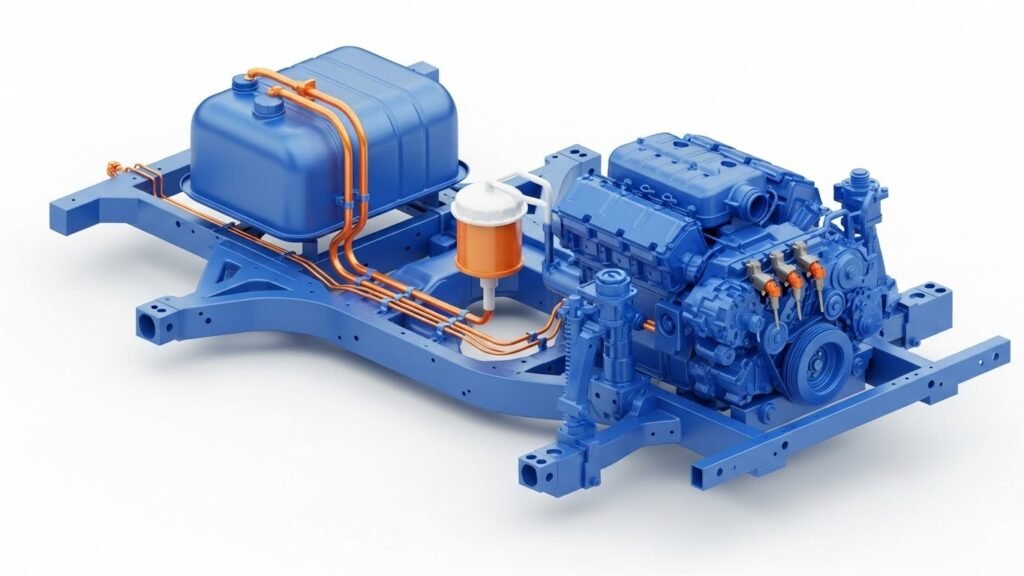
Is your car acting like a total drama queen lately? Maybe it is chugging gas or just plain refuses to start. You might be dealing with some serious fuel system problems. Think of the fuel system as your car’s heart and veins. If things do not flow right, your engine just cannot do its job. Let’s break down why your ride is acting up and how to fix it fast.
Understanding the Core Functions of Your Vehicle’s Fuel System
The fuel system has a pretty simple but super important mission. It stores your gas and sends it to the engine. It has to be perfect every single time for the car to run smooth. If the mix of gas and air is even a little off, you are going to feel it.
- Primary Function: Storing and supplying fuel to the engine in precise amounts for optimal combustion.
- Component Synergy: How the fuel tank, pump, filter, lines, and injectors work together as a single ecosystem.
- The Importance of Precision: Why the exact fuel-air mixture is critical for engine longevity and performance.
Everything starts in the fuel tank where your gas sits waiting. The pump then grabs that gas and pushes it through the lines. Before it hits the engine, it goes through a filter to catch any nasty gunk. Finally, the injectors spray it into the cylinders so your engine can go boom and make power.
Early Warning Signs of Fuel System Problems
Your car usually tries to tell you when it is sick. You just have to know what to listen and look for. Ignoring these signs can lead to a massive repair bill later on. Keep your eyes and ears open for these common red flags.

- Audible Indicators: Recognizing electrical clicking or high-pitched whining noises.
- Ignition Issues: Difficulty starting the engine or “hard starts”.
- Operational Lag: A lack of responsiveness during acceleration or a sudden decrease in power.
- The “Smoke Screen” Clarification: Why smoke usually points to other engine issues rather than the fuel system itself.
If you hear a weird whining sound from the back seat, that is likely your fuel pump crying for help. If you step on the gas and nothing happens for a second, that is a big clue. Don’t freak out if you see smoke though. While smoke is bad, it usually means something else is wrong with the engine and not the fuel.
Critical Troubleshooting: Assessing the Situation
Before you go spending big bucks at a shop in Orlando, Florida, do some checking. Sometimes the fix is way easier than you think. You want to be smart and check the basics first. This can save you a ton of stress and cash.
- Fuel Supply Verification: Confirming fuel levels and fuel type.
- Flow Diagnostics: Determining if fuel is successfully reaching the injection pump.
- Obstruction Checks: Identifying blocked air or fuel filters.
- System Integrity: Inspecting for visible or audible air and fuel leaks.
- Cost-Efficiency: Why proper troubleshooting prevents the unnecessary replacement of expensive parts like the injection pump.
First off, make sure you actually have gas in the tank. It sounds silly, but it happens to the best of us. Next, look under the car for any puddles or smells. A simple clogged filter can make it seem like the whole engine is dying. Always start with the small stuff before blaming the expensive parts.
Bad or Clogged Fuel Injectors
Fuel injectors are like tiny spray bottles for your engine. They have to spray a super fine mist of gasoline. If they get dirty, they start dripping or get totally blocked. This is one of the most common fuel system problems people face.
How Injector Clogging Occurs
Your engine is a hot place where things are constantly burning. This heat can cause some nasty side effects. Over time, things just get gummed up.

- Carbon Deposit Buildup: The byproduct of combustion that creates blockages.
- Environmental Contaminants: Dirt and debris entering the nozzle.
As gas burns, it leaves behind tiny bits of carbon. These bits stick to the injector nozzles and grow like a scab. Also, if any dirt gets past your filter, it can jam the nozzle right up. This ruins the perfect spray pattern your engine needs.
Signs and Symptoms
When your injectors are dirty, your car is going to run like junk. You will feel it the most when you are stopped or trying to go fast. It is annoying and bad for your wallet.
- Rough Idling: Noticeable vibration when the vehicle is stationary.
- Engine Misfires: Intermittent loss of power during the combustion cycle.
- Decreased Efficiency: Unexpected drops in Miles Per Gallon (MPG).
If your car shakes at a red light, that is a rough idle. Misfires feel like a sudden jerk or hesitation while you are driving. You will also notice you are visiting the gas station way more often. These are all classic signs of injector drama.
Solutions and Maintenance
The good news is that you can often fix this without a total teardown. Some fixes you can even do yourself at home. Others might need a pro to step in.
- Mechanical Failure: Addressing injectors stuck in the open or closed position.
- Cleaning Additives: Using chemical solutions for minor blockages.
- Professional Restoration: When to opt for professional cleaning vs. full replacement.
You can buy bottles of cleaner to pour right into your gas tank. This helps melt away those carbon scabs. If they are really bad, a shop can use special tools to deep clean them. If an injector is stuck open, it will dump way too much gas and needs to be replaced.
Faulty Fuel Pump Operations
The fuel pump is the heavy lifter of the whole system. It has to work the entire time the engine is running. If it gets tired or breaks, your car is not going anywhere. It is usually hidden inside the gas tank.
Common Causes of Pump Failure
Fuel pumps are tough, but they are not invincible. Most problems come from how we treat our cars. Sometimes though, they just wear out from old age.

- Mechanical Wear: Natural degradation over time.
- Overheating: Risks associated with electric pump motors.
- Electrical Issues: Wiring or motor burnouts.
Modern cars use electric pumps that stay cool by being submerged in gas. If you always run on empty, the pump gets hot and can burn out. Dirt in the tank can also grind down the internal parts of the pump. Once the motor inside dies, the fuel stops flowing entirely.
Warning Signs of a Failing Pump
A pump usually gives you some hints before it totally quits. You might think your engine is dying, but it is just starving for gas. Don’t ignore these scary moments.
- Sputtering at High Speeds: Intermittent fuel delivery during high demand.
- Engine Stalling: Unexpected shutdowns while driving.
- Total Failure: The consequences of being left stranded.
If you are cruising on the highway and the car starts jerking, the pump is struggling. It might also die when you come to a stop and refuse to start again. Eventually, it will just stop working, and you will be stuck on the side of the road. That is a bad day for anyone.
Repair and Longevity
Fixing a pump is usually a big job because of where it is located. You want to make sure it lasts as long as possible. Prevention is way better than a tow truck.
- Replacement Protocols: Why failing pumps usually require full replacement.
- Tank Cleanliness: The relationship between a clean fuel tank and pump lifespan.
Most of the time, you can’t just fix a pump; you have to swap it for a new one. It is a labor-heavy job since the tank often has to come down. Keeping your tank clean and full helps the new pump live a long life. Never ignore a noisy pump.
Dirty or Clogged Fuel Filters
Think of the fuel filter as the bodyguard for your engine. Its only job is to catch the bad guys like dirt and rust. Over time, it gets full of all that junk. When it is full, the gas can’t get through anymore.

The Role of the Filter
Gasoline is not always perfectly clean when it comes out of the pump. Your tank can also have bits of rust or sediment inside it. The filter stops all that before it ruins your day.
- Sediment Removal: Trapping contaminants before they reach sensitive engine parts.
- Engine Protection: Preventing debris-related internal damage.
Without a filter, tiny rocks and dirt would fly into your injectors. This would cause them to jam or wear out super fast. The filter is a cheap part that saves very expensive parts. It is your first line of defense against fuel system problems.
Impact of a Saturated Filter
When the bodyguard is overwhelmed, the engine starts to starve. It feels like the car is being choked. You will notice it most when you need power the most.
- Reduced Engine Performance: Sluggishness and lack of power.
- Rough Idling and Stalling: Inconsistent fuel flow causing engine instability.
The car might feel fine at slow speeds but fall flat when you try to pass someone. It might also shake or die when you are just sitting there. A clogged filter is one of the easiest fuel system problems to fix. It is often overlooked during regular maintenance.
Maintenance Standards
You shouldn’t wait for the car to act up to change the filter. It is a regular part of taking care of your ride. It is way cheaper than a new set of injectors.
- Replacement Intervals: The importance of the 20,000 to 30,000-mile rule.
- Preventative Replacement: Avoiding secondary damage to injectors and pumps.
Most pros recommend a new filter every 20k to 30k miles. If you live somewhere with dusty roads, you might need it sooner. Changing it on time keeps the fuel pump from working too hard. It is a small price to pay for a smooth-running car.
| Component | Maintenance Frequency | Cost Level |
| Fuel Filter | Every 20,000-30,000 miles | Low |
| Fuel Injectors | Clean as needed or every 50k | Medium |
| Fuel Pump | Only when failing | High |
| Fuel Lines | Inspect annually | Variable |
Clogged or Leaking Fuel Lines
Fuel lines are the hoses and pipes that carry gas under your car. They are exposed to the road, salt, and heat. Over time, they can get brittle and start to fail. This is one of the most dangerous fuel system problems you can have.
The Dangers of Line Failure
A gas leak is never just a small issue. Gasoline is extremely flammable and can turn a car into a fireball quickly. You have to take any smell of gas very seriously.
- Ignition Risks: How leaking gasoline can ignite in the engine bay.
- Exhaust Issues: Excess fuel throwing off exhaust readings or causing tailpipe flames.
If gas drips onto a hot engine part, it can catch fire instantly. Also, if a line is clogged, the engine might not get enough gas, or it might get too much. This can cause literal flames to pop out of your tailpipe. That might look cool in movies, but it is terrible for your car.
Primary Causes of Line Degradation
Lines don’t last forever, especially in harsh conditions. They are often made of rubber or thin metal. Eventually, the environment wins the battle.
- The Role of Age: How time affects the integrity of fuel line materials.
- Environmental Wear: External factors that lead to cracks and leaks.
Rubber lines can dry out and crack as they get older. Metal lines can rust through, especially in places where they salt the roads in winter. Regular maintenance can catch these cracks before they turn into a major leak. It is always worth a quick look under the car.
Faulty Fuel Pressure Regulator
Your engine needs just the right amount of pressure to run. The regulator is like a traffic cop for your gasoline. It makes sure the pressure stays steady no matter how fast you go. If it breaks, the balance of the engine is totally ruined.
Understanding Pressure Regulation
The regulator sits near the engine and watches the fuel flow. It opens and closes to keep things perfect. Without it, the engine would either starve or drown in gas.
- Control Mechanisms: How the regulator manages the pressure sent to the engine.
- The Fuel-Air Balance: Maintaining the “Stoichiometric” ratio.
The “Stoichiometric” ratio is just a fancy way of saying the perfect mix of air and gas. The regulator ensures the injectors have enough “push” to spray correctly. If the pressure is too high, the engine gets way too much gas. If it is too low, the engine will lean out and potentially damage itself.
Symptoms of Malfunction
When the regulator fails, your car will act very weird. It often mimics other engine problems, so it can be tricky to find. You have to look for specific visual clues.
- Black Smoke: Evidence of an engine running “too rich”.
- “Rich” vs. “Lean” Mixtures: How imbalance affects spark plugs and performance.
- Diminished Fuel Economy: Wasted fuel due to improper pressure levels.
If you see black smoke coming out of your tailpipe, your car is burning way too much gas. This is called running “rich”. It will foul up your spark plugs and kill your gas mileage. It is a waste of money and bad for the environment.
The Impact of Contaminated and Incorrect Fuel
Sometimes the problem isn’t the car; it is what you put in it. Bad gas can wreck a fuel system in no time. You have to be careful about where you fill up. Even the wrong type of good gas can cause issues.

Sources of Contamination
Not all gas stations are created equal. Sometimes water or dirt gets into their big underground tanks. If you pump that into your car, you are in for a bad time.
- Gas Station Issues: Water or dirt entering the supply chain.
- Low-Quality Fuel: The risks of “cheap” gasoline without proper detergents.
Water is the enemy of your fuel system because it causes rust and won’t burn. Cheap gas often lacks the cleaners that keep your injectors happy. This leads to those carbon scabs we talked about earlier. It is usually worth spending a few extra cents for high-quality gas.
Octane Mismatches
Your owner’s manual tells you exactly what octane your car needs. Most cars use 87-octane, but some need the fancy stuff. Using the wrong one is a recipe for disaster.
- High-Performance Requirements: Why using 87-octane in premium engines causes knocking.
- Symptoms: Misfiring, backfiring, and long-term engine damage.
If your car needs premium and you give it regular, the gas might explode too early. This causes a “knocking” sound that can literally break parts inside your engine. You might also hear loud pops called backfires. Always stick to what the manufacturer says to avoid fuel system problems.
Recovery Procedures
If you accidentally put bad gas in, you have to get it out. You can’t just “drive it off” most of the time. It requires a bit of work to fix.
- Draining the System: Steps to clean a contaminated fuel tank.
- Fuel Cap Integrity: Ensuring a proper seal to prevent external contamination.
A shop will have to drain the tank and flush the lines. They might even need to clean the injectors. Also, check your gas cap! A loose or broken cap can let rain or dirt into your tank. It is a simple fix that prevents a huge headache.
Proactive Strategies for Fuel System Longevity
You don’t have to just wait for something to break. Taking care of your fuel system is easy and keeps your car running like new. A little effort now saves a lot of money later. Here is how to keep things moving.
- Adhering to Maintenance Schedules: Following manufacturer-specific guidelines.
- Fuel Quality Selection: The benefits of using high-quality/Top Tier gasoline.
- Strategic Fueling: Why keeping the tank at least a quarter full protects the fuel pump.
- Periodic Additives: The role of system cleaners in maintaining injector health.
Consistency is key. Change your filters on time and use good gas. Try not to let your tank get below a quarter. This keeps your pump cool and prevents it from sucking up gunk from the bottom of the tank. Throw in a bottle of injector cleaner once in a while to keep things sparkling.
Fuel System Maintenance Checklist
Keeping your fuel system in top shape prevents expensive repairs and ensures your vehicle remains reliable. Follow this checklist to maintain optimal engine performance and safety.
Monthly Visual Inspections
- Check the Gas Cap: Ensure the seal is tight and there are no visible cracks to prevent moisture or dirt from entering the tank.
- Look for Leaks: Inspect the ground under your parked car for fuel puddles and sniff for a strong scent of gasoline around the engine bay or rear of the vehicle.
- Listen for Noises: Pay attention to any unusual electrical clicking or high-pitched whining sounds coming from the fuel pump area.
Routine Driving Habits
- Maintain Fuel Levels: Avoid letting your gas tank drop below a quarter full to keep the electric fuel pump submerged and cool.
- Fill Up with Quality: Use high-quality gasoline with proper detergents to minimize the buildup of carbon deposits and contaminants.
- Use Correct Octane: Always fill up with the octane level recommended by your vehicle manufacturer to prevent engine knocking and misfires.
Scheduled Component Care
- Replace Fuel Filter: Change your fuel filter every 20,000 to 30,000 miles to protect your injectors from debris and sediment.
- Use Injector Cleaners: Periodically add fuel system cleaning additives to your tank to help dissolve minor carbon deposits on injector nozzles.
- Professional Inspections: Have a technician inspect fuel lines for age-related cracks, brittleness, or corrosion during your annual service.
- Monitor Pressure: If you notice black smoke or poor fuel economy, have a professional check the fuel pressure regulator for proper balance.
Performance Monitoring
- Track Fuel Economy: If you notice a sudden drop in miles per gallon, investigate your fuel injectors for potential clogging.
- Observe Idle Quality: Address any rough idling or engine hesitation immediately to prevent secondary damage to the fuel pump.
- Address Warning Lights: Do not ignore a “Check Engine” light, as it can often signal fuel contamination or pressure imbalances.
Summary of Fuel System Health and Maintenance
The fuel system serves as the vital lifeline of a vehicle, responsible for storing gasoline and delivering it to the engine in precise amounts to ensure efficient combustion. Because modern engines rely on a delicate balance of air and fuel, even minor disruptions in this “ecosystem” can lead to significant performance issues. Common problems often stem from four main areas: clogged fuel injectors, failing fuel pumps, saturated fuel filters, and degraded fuel lines.
Key takeaways from the article include:
- Identifying Warning Signs: Drivers should stay alert for electrical whining from the fuel pump, difficulty starting the engine, and a lack of responsiveness during acceleration.
- The Danger of Neglect: While a clogged filter might only cause sluggishness, leaking fuel lines present a severe fire hazard that can lead to engine bay fires or tailpipe flames.
- Quality Matters: Using the correct octane rating and high-quality fuel is essential; incorrect octane can cause engine knocking and long-term internal damage.
- Prevention is Cost-Effective: Simple habits, such as keeping the fuel tank at least a quarter full, protect the electric fuel pump from overheating and sucking up bottom-tank debris.
- Routine Maintenance: Replacing the fuel filter every 20,000 to 30,000 miles acts as a primary defense, protecting expensive injectors from sediment and rust.
Ultimately, thorough troubleshooting—starting with basics like fuel levels and gas cap integrity—can prevent the unnecessary and expensive replacement of robust components like the injection pump.
Common Questions About Fuel System Problems
Can I drive with a bad fuel pump?
It is a bad idea. Your car could die at any moment, potentially in a dangerous spot like a highway. It is much safer to get it towed and fixed.
How do I know if my gas is contaminated?
If your car starts acting up right after you leave a gas station, that is a huge clue. Sputtering, stalling, and a check engine light are common signs.
Is fuel injector cleaner worth it?
Yes, for minor issues. It is a cheap way to keep carbon from building up. It won’t fix a broken injector, but it can keep a good one clean.
Why does my car smell like gas?
You likely have a leak in your lines or a bad seal on your gas cap. This is a fire hazard. You should have it checked out immediately by a pro in Alexandria, Virginia.
What does the fuel system actually do for my engine?
The primary function of the fuel system is to store gasoline and supply it to the engine in precise amounts to ensure efficient combustion. Key components like the tank, pump, and injectors work together to provide the exact amount of fuel needed for the vehicle to operate.
Is there a difference between older and newer fuel pumps?
Yes, older fuel pumps were typically hydraulic, whereas modern vehicles use electric pumps. If the motor in a newer electric pump overheats or burns out, it will stop delivering gas to the engine entirely.
How do fuel injectors spray gas into the engine?
Fuel injectors feature special nozzles designed to spray gasoline directly into the cylinders or the intake manifold. This spray must be a fine mist to combine correctly with air for combustion.
What exactly are carbon deposits?
Carbon deposits are a byproduct created when air and gasoline burn during the combustion process. These deposits can build up over time and clog the nozzles of your fuel injectors.
Can fuel system issues cause my car to backfire?
Yes, using the wrong gasoline, such as low-octane fuel in a high-performance engine, can cause backfiring. Issues with leaking fuel lines can also lead to flames or popping sounds coming from the tailpipe.
How does a clogged fuel filter damage the engine?
A clogged filter reduces engine performance and may eventually allow fuel contaminants to bypass the filter and enter the engine, causing internal damage.
Why is a fuel line leak considered a dangerous driving condition?
Leaking fuel lines are a major fire hazard because excess gasoline can ignite within the engine compartment. Additionally, leaks can cause dangerous exhaust issues or tailpipe flames.
What happens if a fuel injector gets stuck?
Fuel injectors can malfunction by getting stuck in either the open or closed position. This disrupts the precise air-to-fuel ratio required for the engine to run smoothly.
Does the fuel pump draw gas directly from the tank?
Yes, the fuel pump is responsible for drawing gasoline out of the tank and pushing it through the fuel lines and filter to reach the injectors.
Can using low-octane gas cause engine knocking?
Yes, if a manufacturer recommends a high-octane fuel and you use 87-octane instead, you may experience performance loss and engine knocking.
How often should I replace my fuel filter?
It is generally recommended to replace the fuel filter every 20,000 to 30,000 miles to prevent clogs and ensure healthy fuel flow.
Can a faulty fuel pressure regulator cause black smoke?
Yes, a malfunctioning regulator can create an imbalance in the fuel-air mixture, often leading to black smoke exiting the exhaust.
What is a “lean” fuel mixture?
A lean fuel mixture occurs when there is too much air and not enough fuel being delivered to the combustion chamber, often caused by a faulty pressure regulator or clogged injectors.
What is a “rich” fuel mixture?
A rich fuel mixture means there is too much gasoline and not enough air, which can lead to poor fuel economy and black exhaust smoke.
Why should I avoid running my car on a low fuel tank?
Keeping your tank at least a quarter full prevents the fuel pump from picking up debris and sediment that settles at the bottom of the tank.
Can contaminated fuel cause the check engine light to turn on?
Yes, impurities like water or dirt in the fuel can cause engine sputtering and hesitation, which often triggers the check engine light.
How does a mass airflow sensor relate to fuel system problems?
While not a mechanical part of the fuel delivery line, sensors like the mass airflow sensor help the vehicle’s computer determine the right fuel-air mixture.
Does a fuel system problem always mean I need a new injection pump?
No, the fuel injection pump is often one of the last components to fail; troubleshooting usually reveals that filters, lines, or injectors are the actual cause of the problem.
Can air leaks affect a fuel system?
Yes, visible or audible air leaks in the system can lead to hard starting and a lack of engine responsiveness.
Is smoke always a sign of a fuel system failure?
Actually, smoke is often a “smoke screen” and usually indicates other engine problems rather than a direct failure within the fuel system.
Would you like me to create a maintenance checklist based on these fuel system components?