 Skip to content
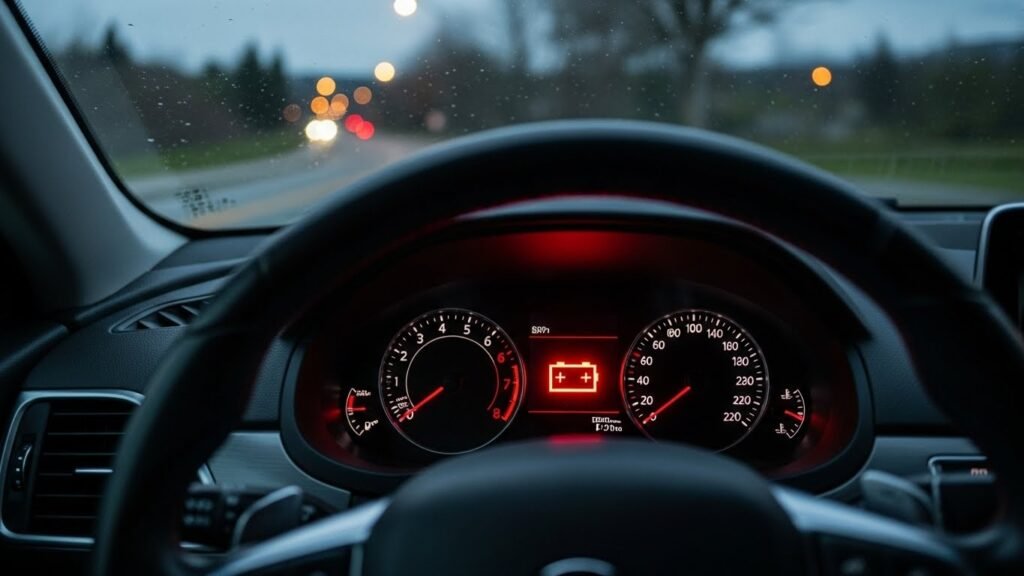
Seeing the battery light on in car can really ruin your day. This little red or yellow icon means your ride has a charging system problem. Most folks think it just means the battery is dead. However, it usually points to a much bigger issue under the hood. You need to know what this light is trying to tell you right away. Ignoring it might leave you stranded on a dark road.
Understanding the Battery Warning Light
The battery light on in car usually looks like a little LEGO brick with plus and minus signs. Sometimes it is just the word “BATTERY” glowing on your dashboard. This light is a vital part of your car’s communication system. It is like a health monitor for your vehicle’s electricity. You should never ignore it when it stays on while you are driving.
The Dashboard Indicator
- Visual Icons: Look for a rectangular box with a plus (+) and minus (-) sign.
- Text Alerts: Some older cars will just show the word “BATTERY” or “ALT” in red.
- Placement: You will find this light right in your main gauge cluster.
- Color Coding: Red or yellow lights mean you need to pay attention immediately.
The Routine System Check
When you first turn your key, every light on the dash should pop on. This is just your car doing a quick test of the bulbs. It is a routine system analysis to make sure everything works. If the light flickers and goes out, your car is happy and ready to go. However, if that light stays on after the engine starts, you have a real problem.
The Core Message
The biggest mistake drivers make is thinking this light only means the battery is bad. In reality, the light indicates a failure in the charging system. Your car is not getting the power it needs to keep running. It means the alternator isn’t pushing enough juice back into the battery. You are essentially running on a countdown of stored energy.
Common Causes for an Illuminated Battery Light
There are several reasons why you might see the battery light on in car today. Your vehicle’s electrical system is a complex web of parts. Any break in this chain will trigger the warning. From old parts to simple loose wires, many things can go wrong under the hood. Understanding these causes helps you talk to your mechanic with confidence.

Alternator or Voltage Regulator Issues
- The Alternator’s Role: This part is the real hero that recharges the battery while you drive.
- Power Supply: It provides the electricity needed for your lights, radio, and wipers.
- Voltage Regulator Malfunctions: This tiny part keeps the power steady so you don’t fry your car’s brain.
- Broken Serpentine Belt: This belt spins the alternator to create power for the car.
- Slipped Belts: A loose belt won’t spin the alternator fast enough to charge the battery.
Battery Health and Age
- Standard Lifespan: Most car batteries only last about three to five years.
- Internal Cell Failure: Over time, the guts of the battery just give up and stop holding juice.
- Old Age: If your battery is over three years old, it is on borrowed time.
- Temperature Sensitivity: Extreme heat can cook your battery and shorten its life significantly.
- Cold Weather: Freezing temps make it much harder for your battery to crank the engine.
Physical Connections and Corrosion

- Corroded Terminals: Look for white, ashy, or blue-green gunk on the battery posts.
- Acid Buildup: This crusty stuff acts like a wall that stops electricity from moving.
- Loose Clamps: Engine vibrations can rattle the battery cables until they are loose.
- Broken Cables: Frayed or cracked wires can’t carry the power your car needs.
- Poor Grounding: If the negative cable is loose, the whole system will fail.
Faulty Wiring and Circuitry
- Wiring Harnesses: Sometimes the wires deep in the engine bay get burnt or chewed by rodents.
- Internal Shorts: A short circuit can drain your power and trigger the light.
- Blown Fuses: A simple ten-cent fuse can shut down your whole charging system.
- Fusible Links: These special heavy-duty fuses protect your alternator from power surges.
Symptoms of a Failing Electrical Charging System
Your car will usually give you a few hints before it totally dies. The battery light on in car is just one of many signals. You might notice your car acting a bit strange or “tired” lately. Paying attention to these signs can save you from a huge towing bill.
- Slow Engine Crank: The engine sounds like it is struggling to wake up in the morning.
- Dimming Headlights: Your lights might look yellow or faint when you are idling.
- Flickering Dashboard: Your gauges might dance around or dim when you use the windows.
- Sluggish Windows: Power windows that move at a snail’s pace are a huge red flag.
- Rotten Egg Smell: This stinky odor means your battery is overheating or leaking acid.
- Squealing Noises: A loud screeching sound often means your alternator belt is slipping.
- Stalling: The car might just shut off while you are stopped at a red light.
The Risks and Dangers of Driving with the Battery Light On
Driving with the battery light on in car is a huge gamble. You are essentially using a giant flashlight that is slowly running out of juice. Once that battery hits zero, the car stops moving. This can happen at the worst possible time, like on a highway.
- Limited Power Supply: You are relying only on the energy stored in the battery.
- Engine Failure: Modern engines need electricity to run the fuel injectors and spark plugs.
- Power Steering Loss: If the belt breaks, steering becomes incredibly heavy and hard to turn.
- Safety Feature Failure: Your ABS brakes and airbags might not work without steady power.
- Night Hazards: Your headlights could suddenly go pitch black while you are driving at night.
- Computer Damage: Low voltage can confuse your car’s computers and cause expensive glitches.
How Long Can You Drive Once the Light Appears?
There is no exact timer for how long you have left. It all depends on how much juice is left in the tank. If you see the battery light on in car, you should find a safe spot immediately. You might have enough time to get home, or you might not make it a mile.
Factors Impacting Driving Duration
- Initial Charge: A brand-new battery will last much longer than an old, weak one.
- Type of Failure: A loose wire is different than a snapped belt or dead alternator.
- Electrical Demand: Modern luxury cars use way more power than old simple trucks.
- Engine RPM: Sometimes driving faster helps an aging alternator keep up for a bit.
General Time Estimates
- The 30-Minute Rule: Most cars can only run for 20 to 30 minutes on battery power alone.
- Heavy Loads: If it is raining and dark, using wipers and lights will kill the battery in minutes.
- Daytime Advantage: You might last a bit longer if you don’t need to use your headlights.
- The Sudden Stop: Don’t be surprised if the car dies much sooner than you expected.
Immediate Troubleshooting and DIY Steps
If you are handy with tools, you might be able to fix this yourself. Seeing the battery light on in car doesn’t always mean a trip to the shop. Sometimes it is just a simple loose part you can tighten in minutes. Always be careful when working around a car battery.

Visual Inspection Under the Hood
- Check the Clamps: Try to wiggle the battery cables with your hand to see if they move.
- Look for Gunk: Check the terminals for any colorful crusty buildup or corrosion.
- Inspect the Belt: Look for the long rubber belt on the side of the engine.
- Find Cracks: A belt that looks shiny or has little cracks needs to be replaced.
Cleaning and Maintenance
- Baking Soda Mix: Use a spoonful of baking soda in a cup of water to clean terminals.
- Wire Brush: Scrub the metal posts until they are shiny and clean again.
- Protective Gear: Always wear gloves and glasses to keep battery acid off your skin.
- Tighten Everything: Use a wrench to make sure the clamps are snug and won’t budge.
Preliminary Testing

- Using a Multimeter: Set your tool to DC volts to see how much power you have.
- Resting Voltage: A healthy battery should show about 12.6 volts when the car is off.
- Running Voltage: With the engine on, you should see between 13.7 and 14.7 volts.
- Low Readings: If the voltage stays at 12 or drops while running, your alternator is dead.
Professional Diagnosis and Solutions
Sometimes the DIY path just isn’t enough for the battery light on in car. Professional mechanics have special tools to find hidden electrical ghosts. They can tell you exactly what part failed so you don’t waste money.
- Full Load Test: Mechanics can simulate a heavy load to see if your system crashes.
- Alternator Replacement: Most modern alternators cannot be repaired and must be swapped out.
- Battery Replacement: If your battery fails the test, it is time for a fresh one.
- Circuit Tracing: Pros can find broken wires hidden deep inside the car’s body.
Tips for Maintaining Long-Term Battery and System Health
You can prevent the battery light on in car from appearing with some easy habits. A little care goes a long way in the automotive world. Most battery issues are totally preventable with regular maintenance.
- Drive Longer: Avoid very short trips that don’t give the alternator time to charge.
- Shut it Down: Double-check that all interior lights are off before you lock the car.
- Unplug Gear: Don’t leave phone chargers or GPS units plugged in overnight.
- Park Inside: Keeping your car in a garage protects the battery from extreme weather.
- Keep it Tight: Make sure the battery hold-down bracket is snug so it doesn’t bounce around.
To keep your vehicle reliable and prevent the battery light from ruining your day, following a structured maintenance schedule is essential. Most electrical failures are preventable with regular care.
Vehicle Electrical Maintenance Schedule
Monthly Visual Inspections
- Check the Clamps: Try to wiggle the battery cables by hand to ensure they are tight and do not budge.
- Look for Gunk: Inspect the terminals for any white, ashy, or blue-green crusty buildup.
- Examine the Belt: Look for the rubber serpentine belt on the side of the engine to ensure it is in place.
- Monitor Accessory Performance: Take note if power windows move at a snail’s pace or if dashboard gauges flicker when using electronics.
Quarterly Deep Cleaning (Every 3 Months)
- Neutralize Acid: Use a mixture of one spoonful of baking soda in a cup of water to clean the terminals.
- Scrub the Posts: Use a wire brush to scrub the metal posts until they are shiny and clean.
- Wear Protection: Always use gloves and safety glasses to keep battery acid off your skin and eyes.
- Verify the Bracket: Ensure the battery hold-down bracket is snug so the battery does not bounce around while driving.
Semi-Annual Performance Testing (Every 6 Months)
- Check Resting Voltage: Use a multimeter to ensure the battery shows about 12.6 volts when the car is off.
- Check Running Voltage: Ensure the reading is between 13.7 and 14.7 volts while the engine is on to verify the alternator is working.
- Inspect Belt Condition: Look for small cracks or a shiny appearance on the belt, which indicates it needs replacement.
Annual Professional Check-Ups
- Request a Full Load Test: Have a mechanic simulate a heavy electrical load to see if your charging system crashes.
- Circuit Tracing: Ask a professional to check for frayed or burnt wiring harnesses deep in the engine bay.
- Evaluate Battery Age: If your battery is over three years old, have it tested more frequently as it is on borrowed time.
Daily Habits for Electrical Health
- Drive Longer Trips: Avoid frequent short trips that do not give the alternator enough time to recharge the battery.
- Shut Down Electronics: Double-check that all interior lights are off before locking the car for the night.
- Unplug Gear: Remove phone chargers or GPS units overnight to prevent slow power drains.
- Park Inside: Whenever possible, park in a garage to protect the battery from extreme heat and freezing temperatures.
Final Summary and Safety Advice
The battery light on in car is a serious warning that requires fast action. Your car is telling you that its heart is starting to fail. If you act quickly, you can avoid a breakdown and stay safe.
- Safety First: Always pull over to a safe, well-lit parking lot as soon as you can.
- Don’t Turn it Off: If you are in a bad spot, keep the engine running until you are safe.
- Call for Help: If the car starts acting weird, call a tow truck before it dies in traffic.
- Stay Calm: Most charging issues are easy for a pro to fix in a single afternoon.
| Feature | Healthy Status | Warning Status |
| Dashboard Light | Off while driving | Glowing red or yellow |
| Resting Voltage | 12.6 Volts | Below 12.2 Volts |
| Running Voltage | 13.7 – 14.7 Volts | Below 13 Volts |
| Battery Terminals | Clean and shiny | Corroded or crusty |
| Engine Crank | Fast and strong | Slow or clicking |
Frequently Asked Questions
What happens if I keep driving with the battery light on?
If you ignore the light, your car will eventually lose all electrical power. This causes the engine to stall because the fuel injectors and ignition system require electricity to function. You may also lose power steering and headlights, creating a dangerous situation on the road.
Can a blown fuse cause the battery light to turn on?
Yes, a blown fuse or a damaged fusible link can break the circuit between the alternator and the battery. Even if the alternator is healthy, the broken fuse prevents power from reaching the rest of the car.
Does the battery light mean I need a jump start?
A jump start might help get the engine running, but it is not a permanent fix for a battery light. If the charging system is broken, the car will stall again as soon as the jumper cables are removed or shortly after.
Can a loose serpentine belt trigger the warning?
A loose or slipping belt prevents the alternator from spinning at the required speed to generate power. This lack of rotation triggers the battery light on in car because the system detects a low voltage output.
Is it normal for the battery light to flicker?
Flickering often suggests a loose connection or an alternator that is beginning to fail. It can also happen if the alternator belt is slipping intermittently under heavy load.
What is the “one restart” rule?
This rule advises that if your battery light is on, you should not turn the engine off until you are in a safe location. Starting the engine requires a massive amount of power, and a failing system likely won’t have enough energy for a second attempt.
Can extreme heat affect my battery light?
High temperatures can cause the internal components of a battery to degrade or lead to fluid evaporation. Heat also increases electrical resistance, which can stress a failing alternator and trigger the dashboard light.
How do I use a multimeter to check the charging system?
You should touch the multimeter probes to the battery terminals while the engine is running. A healthy system should show a reading between 13.7V and 14.7V.
Will a car run without an alternator?
A car can run without a functioning alternator, but only until the battery is completely drained. Depending on the electrical load, this usually lasts between 20 and 30 minutes.
Why does my battery smell like rotten eggs?
This odor is caused by hydrogen sulfide gas escaping from an overheating or overcharging battery. If you smell this while the battery light is on, you should stop driving immediately to avoid a potential battery explosion or fire.
Can I fix a battery light by cleaning the terminals?
If the light is caused by corrosion blocking the current, cleaning the terminals with a wire brush and baking soda may solve the problem. You must ensure the cable clamps are tightened securely after cleaning.
What is a parasitic drain?
A parasitic drain is an electrical component that stays on after the car is turned off, slowly killing the battery. While this usually results in a dead battery in the morning, it can stress the charging system and eventually cause the light to appear.
Does the battery light come on if the battery is overcharging?
Yes, a faulty voltage regulator can cause the alternator to send too much voltage to the battery. This is just as dangerous as undercharging and will trigger the warning light to protect the car’s electronics.
Can a bad ground wire cause the light to illuminate?
A damaged or rusted ground wire prevents the electrical circuit from completing. This interruption can trick the car’s computer into thinking the alternator or battery has failed.
What is the difference between a battery and an alternator?
The battery stores energy to start the engine, while the alternator generates electricity to run the car and recharge the battery once the engine is moving.
How often should I have my battery tested?
It is a good idea to have your battery and charging system tested at least once a year, especially once the battery is over three years old.
Can cold weather trigger the battery light?
Extreme cold reduces the chemical reaction inside the battery, making it harder to provide power. If the battery is already weak, the cold can be the “final straw” that triggers the warning light.
Will driving faster charge my battery quicker?
In older cars, higher RPMs could help a weak alternator output more power. However, in modern vehicles, the voltage regulator keeps the output steady, so driving fast won’t fix a broken system.
Can aftermarket accessories cause the battery light to come on?
Heavy-duty sound systems or extra lights can put an “electrical load” on the system that exceeds what the alternator can provide. This imbalance can cause the light to turn on during use.
Should I replace my battery and alternator at the same time?
Not always, but a failing alternator can often damage a battery by undercharging it or overcharging it. A mechanic should test both components to see if one or both need replacement.