 Skip to content
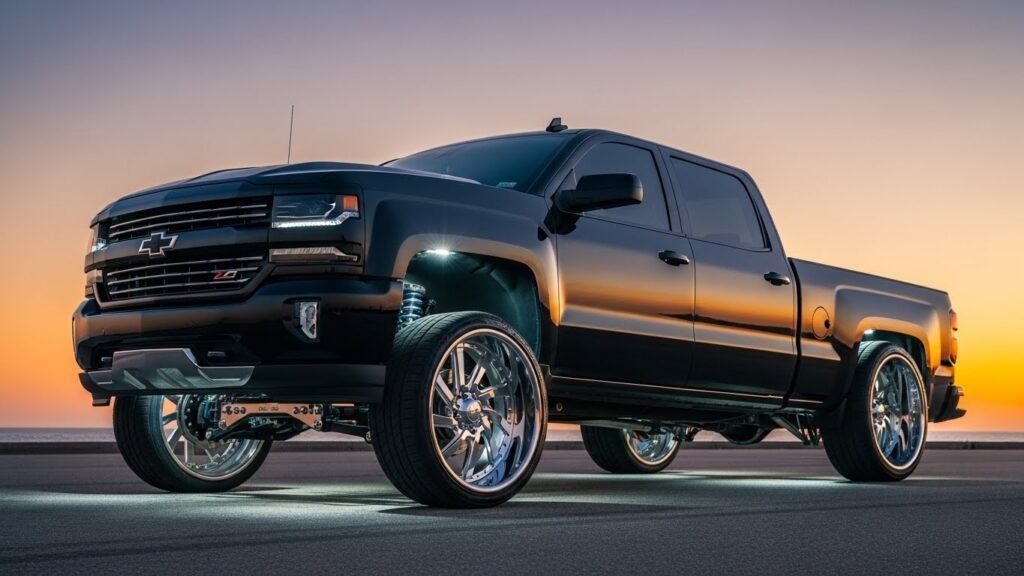
You have likely seen them cruising down the strip or popping up on your social media feed. A truck with its nose high in the air and its tailgate almost touching the pavement is hard to miss. This look is known as squatted trucks, and it is one of the most talked-about trends in the automotive world today. Some folks love the aggressive style, while others think it is a total disaster for safety. In this guide, we will dive deep into where this style came from and why it is causing such a stir across the country.
Understanding the Squatted Truck Phenomenon
A squatted truck is a vehicle where the front end sits way higher than the back. This creates a slanted look that people in the truck culture call a reverse rake. You might hear people call it a tooted truck or a Carolina Squat depending on where you live. The goal is to make the truck look like it is accelerating fast or sitting on its haunches.
- Defining the Squat: This modification involves changing the suspension so the front fender height is much greater than the rear.
- The Visual Signature: The most obvious sign is the tilted chassis that points the hood toward the sky.
- The Cultural Movement: What started as a small regional look exploded into a massive automotive subculture thanks to apps like TikTok and Instagram.
The Visual Signature of a Lean
The look is very polarizing, meaning people usually either love it or hate it. When you see a squatted truck, the first thing you notice is the angle. The headlights are no longer level with the road. The rear bumper often sits very close to the ground, which changes the whole profile of the pickup truck or SUV.
The Cultural Movement and Social Media
Social media turned this local style into a national trend. Truck enthusiasts post videos of their custom builds to get likes and followers. It has become a way for young drivers to show off their personal expression and stand out at a car show. Even though it is controversial, the community behind it is very active online.
The Origins and Evolution of the Squat
Most people think this started just for looks, but it actually has roots in off-road racing. Long before it was a street trend, desert racing teams used a similar setup. They needed their trucks to handle jumps and bumps at high speeds. This functional history is what eventually turned into the style we see today.
Functional Roots in Baja Racing

In Baja racing, trucks are built in a pre-runner style. This means the front suspension has a lot of travel and sits higher than the rear. Having a taller front end helps the truck soak up huge impacts when landing from a jump. It also keeps the truck from nose-diving into the sand, which could cause a wreck.
The Transition from Track to Street
Over time, people in the Southeast started copying this Baja stance for their daily drivers. They liked the way the racing trucks looked even if they never planned to drive in the desert. By the early 2000s, the look moved away from being useful and became all about the aesthetic. It went from a racing necessity to a street fashion statement.
The Birth of the Carolina Squat
North Carolina and South Carolina became the main spots for this trend. Because it was so popular there, the name Carolina Squat stuck. Other regions have their own versions, like the California Lean or the Tennessee Tilt. Each area puts a slightly different spin on how high the front goes or how low the rear sits.
How Trucks are Squatted: The Mechanics of Modification
Squatting a truck is not as simple as just throwing on a lift kit. It requires specific changes to the suspension modification to get that exact angle. Owners spend a lot of money on parts to make sure their stance is just right. It is a mix of lifting the front and often lowering the back.
Front-End Lifting Techniques

- Front Lift Kit: Owners install heavy-duty kits that can raise the front by 6 to 12 inches.
- Leveling Kit: Some start with a basic kit but then keep adding spacers to go even higher.
- High-Performance Shocks: Using coilovers or specialized shock absorbers helps manage the extreme height.
Rear-End Lowering Methods
- Rear Block Removal: Many owners take out the factory blocks from the leaf springs to drop the back.
- Lowering Kit: Some go further by installing specific kits designed to pull the rear closer to the ground.
- Airbags and Hydraulics: High-end builds might use air suspension to adjust the squat on the fly.
The Squat Stance Geometry
When you lift the front and lower the rear, you totally change the suspension geometry. The truck no longer sits on a level chassis. This shift moves the center of gravity toward the back of the vehicle. It makes the truck look unique, but it also changes how every part of the drivetrain works.
Aftermarket Aesthetics and Customization
A squatted truck is rarely just about the suspension. Most owners go all out with other truck customization options to complete the look. They want their Chevrolet Silverado or Ford F-150 to be the loudest and brightest on the road. This usually involves very expensive aftermarket wheels and tires.
Wheel and Tire Selections
- Oversized Wheels: It is common to see huge rims that are 24 to 30 inches in diameter.
- Low-Profile Tires: These thin tires provide very little cushion but look great at a car show.
- Aggressive Offset: The wheels often stick out way past the wheel-well, which is called a wide stance.
The Trade-off of Style vs Utility
While these wheels look cool, they are not great for actual truck work. Low-profile tires have less traction on dirt or wet roads. The large rims are heavy and put a lot of stress on the axles and brakes. Most squatted trucks lose their ability to tow heavy trailers safely.
Additional Customizations
Enthusiasts often add straight-pipe exhaust systems to make the truck roar. You might also see big whip antennas, CB radios, and roof racks. Many people add LED lights inside the wheel-well to show off their suspension at night. These extra touches help define the personal expression of the owner.
Safety Concerns and Driving Hazards
The biggest argument against squatted trucks is that they can be dangerous. When a truck is tilted back, it changes how the driver sees the world around them. It also affects how the truck reacts in an emergency. Safety experts and police departments have raised many alarms about these modifications.
The Visibility Crisis
When the front of the truck is pointed up, the driver’s line of sight is blocked by the hood. This creates a massive blind spot directly in front of the bumper. A driver might not see a small car, a pedestrian, or a child crossing the street. This lack of road awareness is a major cause of concern for the DOT and NHTSA.
Headlight Misalignment and Glare
Headlights are designed to point down at the road so you can see where you are going. In a squatted truck, the bulbs point directly into the sky or at oncoming traffic. This creates a blinding headlight glare for other drivers. It makes the road less safe for everyone sharing the lane at night.
Compromised Handling and Stability
- Center of Gravity: Lifting the front end raises the center of gravity, which makes the truck more likely to tip over.
- Steering Control: Because the weight is shifted back, there is less pressure on the front tires. This makes the steering feel loose and less responsive.
- Rollover Risk: Sharp turns at high speeds become much more dangerous in a tilted vehicle.
Braking Performance and Efficiency
Braking is one of the most important parts of driving safety. Most trucks get their stopping power from the front brakes. When the truck is squatted, there is not enough weight on the front wheels to give them good traction during a stop. This leads to longer braking distances and less braking efficiency in an emergency.
Mechanical Impact and Long-Term Damage
Driving a squatted truck for a long time can really hurt the vehicle. The parts were not designed to work at such extreme angles. This leads to a lot of mechanical strain on the chassis and drivetrain. Owners often find themselves paying for expensive repairs much sooner than they expected.
Drivetrain and Transmission Strain
The drivetrain alignment is very important for a smooth ride. When the truck is angled, the U-joints and CV joints have to work at awkward positions. This causes them to wear out fast and can even snap them under pressure. It also puts extra stress on the transmission, which can lead to a total breakdown.
Engine Longevity and Oil Lubrication
Your engine needs oil to stay lubricated and cool. Engines are designed to sit level so the oil can flow everywhere it needs to go. In a squatted truck, the oil pools at the back of the engine pan. This can starve the front of the engine of oil, leading to massive engine wear and failure over time.
Suspension and Tire Wear
- Uneven Wear: The tilted stance causes tires to wear out in strange patterns.
- Ball Joints and Bushings: These parts take a beating because of the constant pressure from the lift.
- Leaf Springs: The rear springs are often overworked because they are carrying so much of the vehicle’s weight.
The Legal Landscape and Legislative Bans
Because of the safety issues, many states are passing laws to stop squatted trucks. What used to be a legal gray area is now becoming very strictly regulated. Politicians and safety groups are working together to get these trucks off public roads. If you drive one of these, you need to know the local rules.
State-Specific Prohibitions

North Carolina was the first state to lead the way with a formal ban. They passed a law that says the front fender cannot be more than 3 inches higher than the rear. South Carolina followed with a similar rule, setting the limit at 4 inches. Virginia has also joined in, making it illegal to drive these modified trucks on their highways.
Types of Legal Repercussions
- Fines: Police can pull you over and give you a ticket that costs hundreds of dollars.
- Vehicle Inspection: You might be forced to get a vehicle inspection to prove you fixed the suspension.
- License Suspension: In some states, getting caught three times can lead to a license suspension for a whole year.
- Impoundment: If the truck is considered too dangerous to drive, the police can impound it on the spot.
The Future of the Squat
As more accidents happen, more states are looking at passing their own bans. The trend is definitely moving toward making the Carolina Squat a thing of the past. Federal agencies like the NHTSA are keeping an eye on the situation to see if a national rule is needed. Most experts think the era of the extreme squat is coming to an end.
Environmental and Weather-Related Risks
A squatted truck is even harder to handle when the weather gets bad. The modifications that make it look cool on a sunny day can make it a nightmare in the rain or snow. Because the truck is not balanced, it does not react to the road the way a normal vehicle would. This adds another layer of risk for the driver and everyone else.
Adverse Weather Performance
In the rain, the wide tires and low-profile tread can cause the truck to hydroplane easily. Since there is less weight on the front tires, they can’t cut through the water to stay on the road. Fog is also a major problem because the headlights point up into the mist instead of down at the lane lines. This makes it almost impossible to see where you are going in a storm.
Off-Road Limitations
It is ironic that a style born from off-road racing is actually terrible for off-roading on the street. A squatted truck has very low ground clearance in the back. If you try to drive over a rock or a curb, you will likely hit your rear bumper or exhaust. The suspension has very little articulation left, so it cannot handle bumpy trails well at all.
Conclusion: Balancing Aesthetics and Responsibility
The squatted truck trend is a perfect example of how style can sometimes clash with safety. While it is fun to customize your ride, you have to think about the people around you. The Carolina Squat has made a big mark on truck culture, but the legal and mechanical costs are very high.
Finding a Middle Ground
If you love the look but want to stay safe, there are better ways to do it. A simple leveling kit can give your truck a nice stance without the extreme angle. You can still have custom wheels and a loud exhaust without breaking the law or ruining your engine. It is all about finding a balance between style and utility.
The Final Verdict on the Squat
At the end of the day, squatted trucks are likely a passing fad that will eventually fade away. With more states passing bans and more people realizing the dangers, the community is changing. Whether you think they are cool or a total mess, they have definitely sparked a huge conversation in the automotive world. Safe driving is always more important than a trendy look.
Frequently Asked Questions About Squatted Trucks
What is the average cost to professionally squat a truck?
Professional installation for a full squat setup typically ranges from $2,500 to $5,000 depending on the height. This includes the front lift kit, rear lowering components, and specialized labor to adjust the suspension geometry.
How does a squatted stance affect the vehicle’s resale value?
Most dealerships and private buyers view the Carolina Squat as a negative modification that decreases resale value. Because it causes significant mechanical strain and requires cutting or replacing factory parts, it often limits the pool of potential buyers to a small niche.
Can a squatted truck still pass a standard emissions test?
While the suspension itself doesn’t change emissions, the extreme tilt can cause oil or fuel sensors to read incorrectly. If the check engine light comes on due to fluid pooling issues, the vehicle will fail a standard state emissions inspection.
Does a front lift kit void the manufacturer’s warranty?
Yes, most manufacturers will void the warranty on drivetrain and suspension components if a significant lift kit is installed. This is because the modification forces parts like CV joints and axles to operate outside of their designed parameters.
What is the specific difference between a Leveling Kit and a Squat?
A leveling kit is designed to make the front of the truck even with the rear for a flat profile. A squat intentionally bypasses this balance by pushing the front much higher than the rear to create a reverse rake.
How do squatted trucks perform during towing or hauling?
Towing is extremely dangerous in a squatted truck because the rear is already compressed. Adding a trailer weight can cause the rear bumper or hitch to scrape the ground and further reduces front-tire traction for steering.
What are the most common truck models used for this modification?
The most popular platforms are the Chevrolet Silverado, GMC Sierra, and Ford F-150. These models have a wide variety of aftermarket suspension modification parts available in the truck culture market.
Are there specific insurance risks associated with the Carolina Squat?
Many insurance companies may deny coverage or refuse to pay out a claim if they discover the vehicle has been modified with an extreme squat. They often categorize it as an “unsafe modification” that increases the risk of a rollover accident or rear-end collision.
What is the “CenCal” style and how does it relate to squatting?
CenCal refers to a style from Central California characterized by huge, polished wheels and very clean undercarriages. While CenCal trucks are often lifted evenly, the subculture heavily influenced the oversized wheel choices seen on squatted trucks today.
How does the extreme angle affect the truck’s fuel economy?
Squatted trucks have much worse aerodynamics because the wind hits the undercarriage instead of flowing over the body. This increased drag, combined with heavy oversized wheels, leads to a significant drop in miles per gallon.
Can you use airbags to level a squatted truck on the go?
Yes, some high-end builds use hydraulic systems or airbags in the rear to raise the truck for street legality. This allows the driver to “squat” the truck at a car show but drive it level on the highway.
Does squatting a truck affect the speedometer accuracy?
The squat itself doesn’t change the speedo, but the oversized wheels and low-profile tires usually paired with it do. Without a computer recalibration, the speedometer will likely show a slower speed than the truck is actually traveling.
What are “Tooted Trucks” in regional slang?
“Tooted” is a slang term used primarily in Georgia and the Carolinas to describe a truck with its front end “tooted” up in the air. It is essentially a synonym for the Carolina Squat or California Lean.
How does the tilt affect the interior comfort of the cabin?
The steep angle makes the seats feel like they are leaning back, which can be uncomfortable for long drives. It also makes it difficult to use the center console or dashboard properly because everything is tilted at an upward angle.
Are there any off-road benefits to a squatted stance?
In desert racing, a slight nose-up stance helps with impact safety during jumps. However, for street trucks, the lack of rear ground clearance and articulation makes them worse than a stock truck for actual off-roading.
What is the legal height limit for bumpers in the USA?
Most states have laws regarding bumper height to ensure that vehicles line up during a collision. Squatted trucks often violate these because the front bumper is too high and the rear bumper is too low for impact safety standards.
How do police officers measure the squat during a roadside stop?
Officers typically use a measuring tape to check the distance from the ground to the center of the front and rear fenders. If the difference exceeds the state-mandated limit (like 3 or 4 inches), they issue a fine.
Why is the “California Lean” considered different?
The California Lean is often more subtle, usually involving a leveling kit that leaves the front just slightly higher than the rear. It lacks the extreme 10-to-12-inch gap seen in the more aggressive Carolina Squat.
Does the modification affect the truck’s cooling system?
Extreme angles can cause air pockets to form in the radiator or cooling lines. This can lead to overheating because the coolant cannot circulate properly through the chassis when the vehicle is tilted so far back.
What is a “Pre-runner” and is it the same as a squatted truck?
A pre-runner is a truck built for scouting off-road race courses, featuring high-performance shocks and a slight front lift. While it inspired the look, pre-runners are built for utility and suspension travel, whereas squatted trucks are built strictly for aesthetic style.