 Skip to content

If you see a red puddle on your driveway, you might feel a pit in your stomach. That little spot could be a transmission fluid leak. This guide will help you fix it fast. We will cover why it happens and how to stop it today. Keeping your car running smooth is easy if you know what to look for right now.
Understanding the Role of Transmission Fluid
Your car needs transmission fluid to stay alive and well. It is the lifeblood of your vehicle drivetrain. This liquid does many jobs at the exact same time. Without it, your car is just a giant hunk of heavy metal. Let us look at what this fluid actually does for you.

- Power Transfer: It acts as a hydraulic fluid to move power from the engine to the wheels.
- Lubrication: It keeps hundreds of fast moving metal parts from grinding together.
- Cooling: This fluid carries away the massive heat made during gear friction.
- Cleaning and Protection: It has special soap to stop gunk from building up inside.
- Pressure Maintenance: It provides the hydraulic pressure needed to swap gears smoothly.
Why a Transmission Fluid Leak is a Major Concern
Ignoring a tiny leak is a big mistake that costs a lot. A small puddle today can turn into a huge repair bill tomorrow. These leaks do not get better on their own. They always get worse as you drive. Your transmission might even fail completely if you wait too long.
The Progressive Nature of Leaks
A transmission fluid leak starts small but grows very fast. Heat and pressure make the holes bigger over time. If the fluid gets too low, the internal parts will burn up. You cannot just keep topping it off forever. Eventually, the leak will win if you do not fix the root cause.
Symptoms of a Failing Transmission
When your fluid is low, your car will start acting very weird. You might feel the gears slipping while you drive. The engine might rev up high without making the car go faster. You could also hear strange buzzing or grinding noises. These are all signs that your transmission is dying.
- Slipping: The engine reams up but the car does not accelerate.
- Harsh Engagement: You feel a loud clunk when you put it in gear.
- Unusual Noises: You hear whining or grinding coming from under the floor.
- Overheating: You might see smoke or smell something burning.
- Total Failure: The car simply refuses to move at all.
Identifying the Signs of a Transmission Fluid Leak
You need to be a detective to find a transmission fluid leak. Checking your parking spot every morning is a great habit. If you see a mess, check the color and the smell. This helps you know if it is oil or something else. Acting fast will save your wallet from a major hit.
Visual Indicators and Color Coding
Transmission fluid has a very specific look that stands out. In most automatic cars, it is a thin and bright red liquid. If it gets old, it might turn dark red or even brown. Manual cars use fluid that looks more like honey or amber. If you see these colors on the ground, you have a problem.

- The Puddle Test: Look for spots near the front or middle of the car.
- Automatic Transmission Fluid: This is thin and usually bright red when fresh.
- Manual Transmission Fluid: This can look clear, amber, or like dark honey.
Sensory and Performance Signs
Sometimes you smell a transmission fluid leak before you ever see it. Fresh fluid has a very sweet or tart odor. If the fluid is burning, it smells like nasty chemicals. You might also notice your car takes a second to shift gears. This delay is a huge red flag that you are low on fluid.
- The Sweet/Tart Smell: Fresh fluid smells like candy or sugar to some people.
- Burning Chemical Smell: This happens when fluid hits the hot exhaust pipe.
- Delayed or Jerky Shifting: The car lags or jumps when you try to change gears.
Common Causes and Locations of Transmission Leaks
There are a few usual suspects when it comes to a transmission fluid leak. Knowing where to look helps you talk to your mechanic. Most leaks happen at the bottom of the transmission. Others might hide in the lines that run to the radiator. Let us look at the most common trouble spots.

The Transmission Pan and Gasket
The transmission pan sits at the very bottom of your car. It is a big metal dish that holds all the fluid. Road debris can hit it and cause a hole or a dent. The gasket is the rubber seal between the pan and the car. If this seal gets old or hard, the fluid will start to drip out.
- Pan Damage: Rocks or speed bumps can puncture the metal pan.
- Gasket Failure: The rubber seal wears out or gets misaligned during a service.
Transmission Cooling Lines
Your transmission has lines that carry hot fluid to a cooler. These lines are made of metal or reinforced rubber. Over time, they can rust or get brittle and crack. Most of these lines last about 100,000 miles before they start to fail. If they leak, your transmission will overheat very fast.
- Function: These pipes move hot fluid to the radiator to cool it down.
- Degradation: Salt on the road can cause these metal lines to rust through.
Torque Converter Issues
The torque converter is a complex part that moves power in automatic cars. It holds a ton of fluid inside it at high pressure. If the housing cracks, it will leak a lot of fluid very quickly. Sometimes the internal needle bearings fail and cause a leak too. This is usually a job for a pro mechanic.
- Component Role: It pushes fluid into the transmission to make the car move.
- Failure Points: Cracks in the metal or worn out front pump seals cause leaks.
Seals and Plugs
Your transmission has many seals to keep the liquid inside. The output shaft seal is a very common place for a leak. This is where the power leaves the transmission to go to the wheels. There is also a drain plug at the bottom for fluid changes. If that plug is loose, your fluid will slowly go away.
- Output Shaft Seal: This stops fluid from leaking where the drive shaft connects.
- Front Pump Seal: This can fail if the transmission gets way too hot.
- Drain Plug Errors: A loose plug or a missing washer will cause a steady drip.
Cracked Transmission Housing
A cracked housing is the absolute worst case for a transmission fluid leak. This is the outer shell that holds everything together. It usually only cracks if you hit something very hard on the road. If the shell is broken, you likely need a whole new transmission. This is a very expensive and serious problem to have.
Factors That Increase the Risk of Leaks
Some things make a transmission fluid leak more likely to happen. How you drive and where you go matters a lot. Extreme heat is the biggest enemy of your transmission seals. If you treat your car like a race car, expect more leaks. Let us check out what speeds up the damage.
- Sudden Stops and Starts: Floor it and braking hard puts huge pressure on the system.
- Heavier Loads: Towing a trailer makes the transmission work much harder and hotter.
- Skipped Maintenance: Old fluid has dirt that acts like sandpaper on your rubber seals.
- Overheating: Long drives in heavy traffic can warp metal parts and loosen seals.
Professional Diagnostic and Repair Process
If you have a transmission fluid leak, you need a pro to check it out. They have the right tools to find the exact hole. A specialist will look at more than just the puddle on the ground. They want to make sure the inside of the car is still okay. Here is what you can expect at the shop.
The Inspection Phase
The mechanic will start by checking the fluid level with a dipstick. They will look at the color to see if it is burnt or dirty. Then, they will lift the car to look at the bottom. They check the axles, the pan, and all the cooling lines for wet spots. Sometimes they use a pressure test to find hidden leaks.
- Fluid Level Check: They see if you are dangerously low on transmission fluid.
- Under-Car Inspection: They hunt for the exact source of the wet mess.
- Pressure Testing: This helps find leaks that only happen when you are driving.
Common Repair Solutions
Most of the time, fixing a transmission fluid leak is pretty straightforward. If it is just a gasket, they will swap it for a new one. Broken cooling lines can be replaced with fresh parts. If the leak is deep inside, the repair might take a bit longer. The goal is to get a perfect seal again.
- Seal and Gasket Replacement: This is the most common fix for a leaking pan.
- Line Replacement: Mechanics swap out old, rusty pipes for shiny new ones.
- Torque Converter Replacement: This is a big job that requires taking the car apart.
Transmission Maintenance: Exchange vs. Flush
Good maintenance can stop a transmission fluid leak before it starts. You have two main choices when you go for a service. One is a simple exchange, and the other is a deep clean. Both help keep your car healthy and happy for a long time. Knowing the difference is key for your car care.
Transmission Fluid Exchange
A fluid exchange is when the mechanic drains the old gunk out. Then they pour in fresh, clean transmission fluid. This keeps everything lubricated and cool while you drive. It is the best way to keep your seals from getting dry and cracking. Think of it like a regular oil change for your gears.
Transmission Flush
A flush is a bit more intense than a basic exchange. The mechanic adds a cleaning agent to scrub the inside of the transmission. This gets rid of all the sludge and metal bits that hide inside. However, some car makers say you should never do a flush. Always check your owner’s manual before you agree to this service.
Cost Analysis: The Price of Action vs. Inaction

Fixing a transmission fluid leak costs some money, but waiting costs more. A small fix today saves you from a massive bill later. Repair prices vary depending on what part is actually broken. Being proactive is the smartest way to manage your car costs. Let us look at the typical repair numbers.
| Repair Type | Estimated Cost |
| Minor Seal Repair | $150 – $300 |
| Cooling Line or Pan Fix | $200 – $500 |
| Torque Converter | $1,000 |
| Full Rebuild | $3,000 – $7,000+ |
Minor Seal Repairs: These are quick and cheap if you catch them early.- The Cost of Neglect: If you let the transmission burn up, it costs thousands.
- Professional Requirement: Only a pro should touch your transmission to avoid extra damage.
Preventive Steps to Avoid Future Leaks
You can stop a transmission fluid leak from ever happening again. It just takes a little bit of regular attention. Being nice to your car will make it last a lot longer. Follow these simple tips to keep your transmission in top shape. Your car and your bank account will thank you later.
- Regular Fluid Checks: Look at your fluid every time you get an oil change.
- Adhere to OEM Specs: Only use the fluid the manufacturer tells you to use.
- Monitor Fluid Color: If it looks like dark coffee, change it immediately.
- Observe Service Intervals: Change your fluid every 60,000 miles to stay safe.
DIY Transmission Fluid Level Checklist
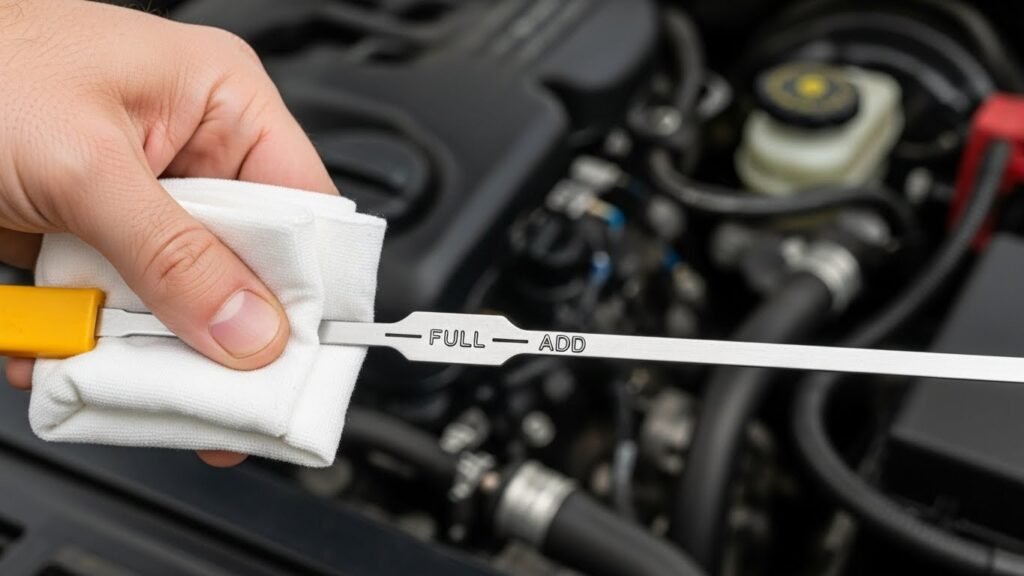
- Park on flat ground: Make sure your car is on a level surface so the reading is accurate.
- Warm up the engine: Let your car run for a few minutes because most fluids need to be warm for a correct check.
- Keep the engine running: For most automatic cars, you must keep the engine on while checking the dipstick.
- Find the dipstick: Look for a handle that is usually red or yellow near the back of the engine.
- Pull and wipe: Pull the dipstick out and wipe it clean with a lint-free rag or paper towel.
- Reinsert and pull again: Push the stick all the way back in, then pull it out to see where the fluid line sits.
- Check the marks: Ensure the fluid is between the “Add” and “Full” marks on the stick.
- Look at the color: Fresh fluid should be bright red, not dark brown or black.
- Check the smell: If the fluid smells like burnt toast, you might have internal damage.
- Add fluid if needed: Use a funnel to add small amounts of fluid that meet your manufacturer specifications if the level is low.
Identifying Car Fluids by Color
- Bright Red or Pink: This is almost always automatic transmission fluid (ATF). It is thin and may have a sweet or tart smell.
- Dark Red or Brown: This is likely old transmission fluid that has been worn down by heat and friction. It may have a burning chemical smell if it is very old.
- Honey, Amber, or Clear: This is the typical color for manual transmission fluid or fresh motor oil.
- Dark Brown or Black: This is usually engine oil that has been in your car for a while. It is much thicker and greasier than transmission fluid.
- Bright Green, Orange, or Yellow: This is engine coolant (antifreeze). It feels slimy and has a very sugary, sweet smell.
- Light Yellow or Clear (Oily): This is often brake fluid or power steering fluid.
- Clear (Watery): This is usually just water from your air conditioning system and is perfectly normal in hot weather.
Conclusion
Taking fast action is the best way to handle a transmission fluid leak. A small spot on your driveway might seem minor, but it is a warning sign that your vehicle needs attention before a major part fails. By staying proactive and following a regular maintenance schedule, you can protect your car and your wallet from the high costs of a full transmission rebuild.
- Stay Alert: Regularly check your parking spot for red or amber puddles to catch leaks early.
- Listen to Your Car: Do not ignore new noises, slipping gears, or strange smells like burnt chemicals.
- Prioritize Maintenance: Changing your fluid at the correct intervals keeps seals healthy and prevents internal damage.
- Trust the Pros: If you find a leak, have a specialist find the root cause to ensure a perfect and lasting seal.
Keeping your vehicle in top shape does not have to be difficult. Understanding the role of your transmission fluid and acting quickly when signs of trouble appear will ensure your car remains reliable for years to come.
Frequently Asked Questions About Transmission Fluid Leaks
What happens if I put too much fluid in my transmission?
Overfilling can cause the fluid to foam, which reduces its ability to lubricate and can lead to a transmission fluid leak. Excess pressure from overfilling may also blow out seals or gaskets.
Is transmission fluid toxic to pets or the environment?
Yes, transmission fluid contains chemicals that are harmful to animals and plants. You should always clean up a transmission leak on your driveway immediately to protect local wildlife and water sources.
Can road salt cause a transmission fluid leak?
Road salt accelerates corrosion on metal components under your car. This often leads to rust holes in the transmission pan or the metal cooling lines, resulting in a steady leak.
Does a transmission fluid leak affect my car’s gas mileage?
When a transmission is low on fluid, it may slip or struggle to find the right gear. This inefficiency causes the engine to work harder, which can noticeably decrease your fuel economy.
Can I use stop-leak additives to fix a transmission fluid leak?
While stop-leak products might temporarily swell a rubber seal, they are often a “band-aid” fix. These chemicals can sometimes clog internal filters or small passages, leading to more damage later.
Why is my transmission leaking only when the engine is running?
This usually indicates a leak in a pressurized area, such as the transmission cooling lines or the front pump seal. When the engine is off, the pressure drops and the leaking may stop.
Does the weather or temperature affect transmission leaks?
Extreme cold can cause rubber seals to shrink and harden, while extreme heat can cause them to warp or loosen. Both temperature extremes make a transmission fluid leak more likely to occur.
Is a manual transmission leak different from an automatic one?
Yes, manual transmissions use different types of gears and fluid that may be clear or amber. They don’t rely on hydraulic pressure as much as automatics, but a leak still leads to gear grinding and wear.
Can a faulty radiator cause a transmission fluid leak?
In many cars, the transmission cooler is built into the radiator. If the internal tank cracks, transmission fluid can leak into the coolant, or coolant can enter the transmission, which is fatal for the gears.
How can I tell the difference between an oil leak and a transmission leak?
Motor oil is usually thicker and turns black or dark brown quickly. A transmission fluid leak is typically thinner and has a distinct red or pink hue.
Will a transmission leak cause my check engine light to turn on?
Modern cars have sensors that monitor transmission performance and fluid temperature. If a leak causes the fluid to get too low or too hot, the computer will trigger the check engine or transmission warning light.
Can vibrations cause a transmission fluid leak?
Worn-out engine mounts or unbalanced drive shafts can cause excessive vibration. Over time, these vibrations can loosen the bolts on the transmission pan or wiggle the seals out of place.
What is the best way to clean transmission fluid off a driveway?
You can use cat litter or baking soda to soak up the wet fluid first. After it sits for a few hours, scrub the area with a heavy-duty degreaser or dish soap and water.
Can a transmission leak cause the car to smoke?
If the transmission fluid leak is near the exhaust manifold or pipes, the dripping fluid will burn. This creates white or grey smoke that smells like burning chemicals coming from under the hood.
Are there specific transmission fluids for high-mileage cars?
Yes, some manufacturers offer “high-mileage” ATF that contains extra seal conditioners. These are designed to help older gaskets stay flexible and prevent a future transmission fluid leak.
Does towing a heavy trailer cause transmission leaks?
Towing adds a lot of stress and generates extra heat in the drivetrain. This heat can degrade the fluid and cause seals to fail, leading to a transmission leak.
Can an output shaft seal be replaced without removing the transmission?
In many rear-wheel-drive vehicles, a technician can replace the output shaft seal by removing the driveshaft. This is much cheaper than a full transmission removal.
What happens if water gets into my transmission through a leak?
If you drive through deep water, it can enter through a leaky seal or vent. Water ruins the friction material on the clutch plates, usually requiring a full transmission rebuild.
Why is my transmission fluid foamy or bubbly?
Foam usually means the fluid level is either too high or far too low. Air gets mixed into the fluid, which prevents it from creating the hydraulic pressure needed to shift.
Can a transmission leak cause the car to shake at high speeds?
If the leak has allowed the fluid to get low, the internal clutches may struggle to hold gear. This can cause a shuddering or shaking sensation when the car shifts into higher gears.