 Skip to content
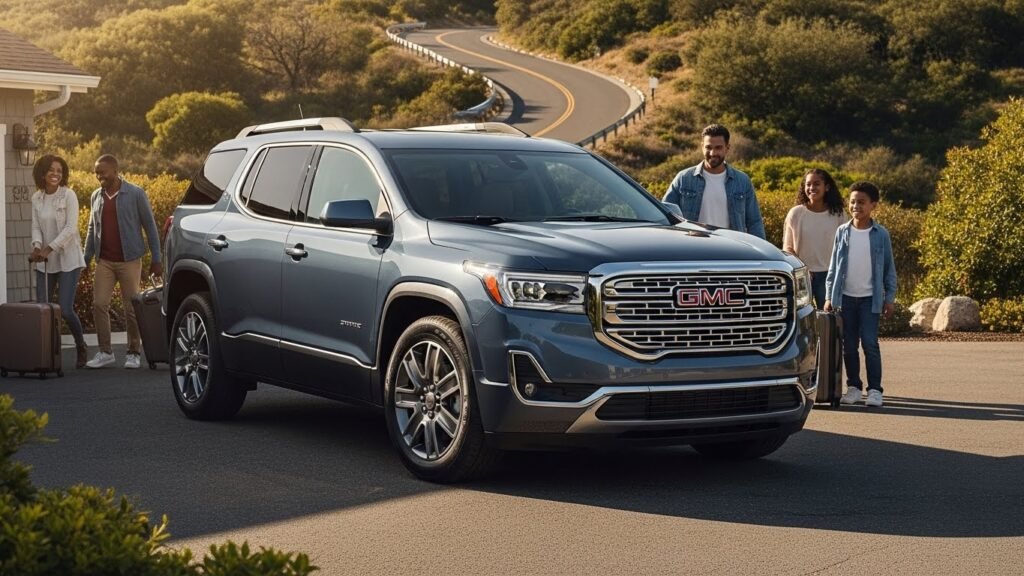
Introduction: Understanding the GMC Acadia’s Reliability Landscape
The GMC Acadia is a top choice for many families. This stylish midsize SUV offers flexible seating for seven or eight people. It is a crucial vehicle for the General Motors (GM) lineup. The Acadia competes strongly with rivals in its class. It gives buyers a great mix of comfort, size, and utility.
People often view the Acadia as a near-luxury option. It provides a refined feel without the luxury brand price tag. However, knowing the vehicle’s true reliability is vital. The Acadia’s ownership experience changes a lot depending on the model year. Early models struggled with major common problems. Newer versions show significant improvements in quality. This guide will help you understand the entire history. We focus on hard data to ensure you make a smart, informed decision.
Why Vehicle Reliability Matters for SUV Buyers
A dependable SUV is a must-have for busy American life. It is far more than just transportation. The vehicle’s long-term reliability directly affects your budget and peace of mind.
- Safety and Confidence: Reliable systems are key to passenger safety. This includes responsive braking and stable steering components. You need full assurance that the vehicle will work perfectly every time.
- Cost Efficiency: Reliability means fewer visits to the repair shop. This saves you money on major repairs. Lower maintenance costs increase the overall cost efficiency of your investment.
- Durability and Functionality: A durable vehicle maintains its condition over many years. It keeps its full functionality for long road trips and cargo hauling. Families depend on this durability for years of service.
GMC Acadia Generations and Design Evolution

The Acadia has evolved significantly since its introduction. It launched for the 2007 model year. The vehicle shares its core platform with other GM crossovers. These include the Chevrolet Traverse and the Buick Enclave. The Acadia has seen three distinct design generations.
First Generation: The Learning Curve (2007–2016)
The first-generation Acadia was the largest of the three. It was built on the GM Lambda platform. This large crossover offered impressive passenger and cargo space. It was a true three-row SUV.
Engine Performance and Early Flaws
Most vehicles from this era used the 3.6L V6 engine. This engine delivered decent power for the heavy SUV. However, it soon became the source of serious engine troubles. The most famous problem was the premature stretching of the timing chain. This issue was especially common in earlier models.
- Timing Chain Issue: Stretched timing chains can lead to poor engine performance. If the problem is not fixed, it can cause complete engine failure. This repair is expensive and labor-intensive. It often cost owners thousands of dollars.
- Initial Reliability: The very first years, like 2007 and 2008, were very troublesome. They saw major spikes in customer complaints. These complaints focused heavily on transmission failure and faulty electrical systems. Many owners needed a full transmission replacement.
GM engineers worked to improve the model over its long run. The 2013 model year received a styling update. This also brought mechanical refinements. This process showed how the manufacturer fought to improve dependability with each passing year.
Second Generation: The Downsizing Strategy (2017–2023)
GMC performed a full redesign for the 2017 model year. The company opted to shrink the size of the Acadia. The vehicle became lighter and more agile. It was officially closer to a standard midsize SUV.
New Powertrains and Technology
This generation featured two main engine choices. These were the 2.5L four-cylinder and an updated 3.6L V6. A 2.0L turbocharged four-cylinder was added later. The focus shifted toward better fuel economy.
- Focus on Features: This era introduced a modern, fresh style. It included the latest technology features. Buyers found advanced driver aids and better infotainment system units. Features like rear-view camera and push-button start were standard.
- Initial Stumbles: The 2017 model year, being the first of the new generation, had its own teething issues. Many complaints involved the new electrical system. The notorious “shift-to-park” error became a frequent, frustrating problem for owners.
Third Generation: Returning to Size (2024–Present)
The newest Acadia model is big news. GMC chose to make the SUV much larger again. This makes the Acadia one of the biggest options in the midsize three-row SUV category.
- Engine and Performance: The newest version uses a single 2.5L turbo I4 engine. This engine offers 328 horsepower, giving it strong performance. It is paired with an 8-speed automatic transmission. The all-wheel drive option boosts its off-road capability.
- New Design Risk: It is always a gamble to buy the first model year of a new design. Buyers must wait for real-world data to fully judge its long-term reliability and durability.
Acadia Generations and Key Specifications Table
This table helps illustrate the significant changes across the Acadia’s life.
| Generation | Model Years | Primary Engines | Size Change | Key Reliability Challenge |
| First Generation | 2007–2016 | 3.6L V6 | Largest (Lambda Platform) | Transmission failure and V6 timing chain wear. |
| Second Generation | 2017–2023 | 2.5L I4, 3.6L V6 | Smaller, Lighter | Electrical system glitches and sensor malfunctions. |
| Third Generation | 2024–Present | 2.5L Turbo I4 | Significantly Larger | Too new for long-term data on durability. |
Assessing GMC Acadia’s Overall Reliability Ratings and Cost
Reliability scores are essential for risk assessment. These numbers provide the best prediction of future repairs and overall ownership costs. We must review the hard data from trusted third parties.
Breakdown of Reliability Scores and Market Ranking
The GMC Acadia’s track record results in a middle-of-the-road average rating. This rating comes from owner surveys and mechanical reports.
Independent Quality Scores
- Average Owner Rating: Across all generations, the average rating for the Acadia hovers around 3.0 out of 5.0. This places the vehicle in the average to slightly below-average category for most SUVs.
- J.D. Power Score: Some newer model years show great success. For instance, the 2022 Acadia earned a high Quality & Reliability score of 87/100 from J.D. Power. This strong score reflects GM’s improvements in the later second-generation models. The overall average is often dragged down by the troubled early models.
Midsize SUV Market Standing
The Acadia generally struggles when compared to the top performers in its class. Its dependability is often ranked lower than key rivals.
- Segment Ranking: The Acadia typically ranks in the lower half of the midsize SUV segment. It often falls well below highly reliable competitors. The Toyota Highlander and Honda Pilot consistently rank higher for long-term quality and low complaints.
- Value Proposition: Many choose the Acadia for its attractive design. The upscale Denali trim level offers many features found in true luxury brands. However, this sense of luxury and style does not always mean higher reliability. Buyers should balance the desire for features with the need for low ownership costs.
Maintenance and Long-Term Cost of Ownership

The true cost of owning a vehicle goes far beyond the initial price. Maintenance and repair expenses add up quickly. This section looks at the dollars and cents of Acadia ownership.
Annual Repair Expenses
The average annual repair cost for a GMC Acadia is approximately $734. This figure is notably higher than the segment average for midsize SUVs, which is closer to $573. This higher repair cost is a strong signal. It means you must budget more for unexpected shop visits. For buyers in places like Carmel, New York, higher regional labor rates could push this cost even higher.
Frequency and Severity of Issues
The Acadia’s repair frequency is average. However, the severity of its common problems is a major red flag.
- Repair Frequency: Owners bring their vehicle in for unscheduled repairs about 0.4 times per year. This frequency is standard for the SUV segment.
- Issue Severity: The issue severity component is critical. An issue is a major repair if the cost is three times the average annual repair bill. The Acadia has a 19% chance of needing a major repair. This is higher than the 13% average for its class. This higher risk means that when an issue occurs, it is likely to be a catastrophic problem. These might include expensive transmission failure or serious engine troubles.
The combination of higher repair costs and greater risk of a major breakdown makes the Acadia a more expensive vehicle to own. This must be weighed against its purchase price and features. This information makes clear that model year selection is the biggest factor in determining your financial outcome.
Best and Worst Model Years for Used GMC Acadia Buyers
Choosing the right model year is the single most important decision. It will greatly affect your long-term ownership experience. The gap in reliability between the best years and the worst years is enormous. This part helps you identify the most dependable Acadia models. It also serves as a warning about the expensive models to avoid.
Best Years for Dependability and Longevity
The most reliable Acadia models appeared after GM addressed major common problems. These years successfully blend modern features with proven durability. They give you the best shot at achieving high mileage with minimal fuss.
The Strong Finish of the First Generation (2015–2016)
By the time the first-generation run concluded, GMC had resolved most of its initial mechanical flaws. They fixed the biggest engine troubles and transmission issues that plagued the early models. This makes the final years a fantastic value for a used car buyer.
- 2015 and 2016 Models: These specific model years are highly stable. They show above-average reliability scores in owner surveys. They have much lower customer complaints than the earlier versions. These vehicles are the top choice if you want the large, spacious interior of the original design.
- Mechanical Maturity: The automaker had long resolved the initial headaches. The risk of expensive major repairs is significantly lower in these late models. They offer strong performance without the continuous stress of failure.
The Sweet Spot of the Second Generation (2019–2021)
The second-generation launched in 2017 with new problems. By 2019, GMC had fully polished the smaller platform. These years offer a smart blend of modern styling, new safety features, and refined dependability.
- 2019 Model Year: This vehicle shows a very solid reliability record. It features an updated design and better technology than its predecessors. It strikes a good balance for the modern midsize SUV shopper seeking quality.
- 2020 and 2021 Models: These later years gained from continuous refinements and updates. They boast high safety ratings and fewer reported electrical system glitches. They are excellent choices for modern comfort and long-term quality.
- 2022 and 2023 Models: These models are currently the most reliable model years available. They consistently achieve the highest J.D. Power scores. They pose the lowest risk of common problems from the second generation.
Worst Years and Models to Avoid Due to Major Issues

You can save yourself from huge repair bills by skipping these specific model years. These vehicles struggled with severe, recurring mechanical failures. The issue severity in these years is unacceptably high.
The Troubled Early Years (2007–2010)
The launch of the Acadia line was difficult. These years suffered from poor mechanical design and very high failure rates.
- 2007 Model Year: This inaugural year was full of serious problems. The six-speed automatic transmission was its weakest component. It often demanded a full replacement. This cost owners thousands of dollars and created massive frustration.
- 2008 Model Year: This year is often called the absolute worst for the Acadia. It saw an even higher rate of catastrophic transmission failures. It logged one of the highest volumes of customer complaints with the NHTSA.
Mid-Generation Flaws (2012–2013)
These middle model years were plagued by the persistent timing chain issue. This problem causes serious engine troubles in the 3.6L V6.
- 2012 and 2013 Models: These years frequently experienced problems with the 3.6L V6 engine. Issues included excessive oil consumption. This oil use accelerated the wear of the timing chain. The 2013 model also introduced widespread electrical system malfunctions. This included failure of interior accessories and problems with the infotainment system.
The Risky Redesign Launch (2017–2018)
The start of the second generation brought sleek new styling and technology. Unfortunately, it also brought new headaches.
- 2017 Model Year: This was the first year of the redesigned, smaller SUV. It generated over 560 NHTSA complaints. New transmission faults appeared, alongside major electrical glitches. The notorious “shift-to-park” issue often frustrated owners.
- 2018 Model Year: This year is also best avoided. It continued many of the 2017 electrical system issues. More critically, the 2017–2018 models had a safety recall for the right front intermediate driveshaft. If this driveshaft fractured, the vehicle could lose propulsion. This increases the risk of a roll-away accident if the parking brake was not set. Always check for recall completion on these years.
Long-Term Ownership, Lifespan, and Durability
Understanding a vehicle’s potential lifespan is essential for judging its value. The Acadia can be a long-lasting vehicle. However, achieving high mileage requires extremely disciplined maintenance.
GMC Acadia Life Expectancy and Durability
The GMC Acadia can reach impressive durability numbers. It can truly compete with its Japanese rivals. Its longevity depends completely on how well you manage its well-known weaknesses.
- High Mileage Potential: With consistent, meticulous care, the Acadia can reliably exceed 200,000 miles. For the typical American driver, this means over 13 years of dependable service. It is a three-row SUV capable of great mileage.
- Durability Factor: The key challenge is the high issue severity mentioned earlier. While the vehicle’s body and structure are durable, the V6 engine and transmission are vulnerable parts. You must quickly address minor engine troubles to prevent a complete and costly breakdown. Proactive attention to fluid levels is critical for this vehicle’s lifespan.
Essential Maintenance Practices to Extend Vehicle Life
Proactive maintenance is not merely recommended for the Acadia. It is absolutely necessary to protect your significant investment. Following a strict schedule keeps the transmission and engine performing reliably.
Strict Maintenance Schedule and Fluid Checks
You must adhere very closely to the maintenance schedule recommended by GMC. Never ignore or skip routine checks.
- Oil and Filter Changes: Regular oil changes are crucial. This is especially true for the V6 engine variants. Frequent changes prevent issues related to oil consumption. Clean oil protects the delicate timing chain components from premature wear.
- Transmission Fluid Service: The automatic transmission fluid must be checked often. Replacing the transmission fluid and filter on schedule prevents rough gear shifting issues. It can successfully help avoid the costly transmission failure known in older models. Transmission maintenance is the single most important task for Acadia longevity.
- Fluid Levels: Always keep a constant watch on all fluid levels. This includes coolant and power steering fluid. Low levels can rapidly lead to damage to critical, expensive parts.
Focusing on Key Component Health
You should pay extra attention to the parts that are famous for wear and tear. This focused maintenance ensures long-term performance and safety.
- Brake System Care: Routinely inspect the brake pads and brake rotors. Strong brakes are vital for safety. Squealing noises or a feeling of reduced stopping power means you need immediate service.
- Fuel and Ignition: Change the spark plugs and check the ignition coils as recommended by the factory schedule. This maintains strong engine performance. It prevents frustrating issues like rough idling, stalling, or sudden loss of power. These symptoms are often flagged by the check engine lights.
- Suspension and Steering: Pay attention to strange noises like clunking or thumping over bumps. These often signal premature wear of shocks and struts or suspension bushings. Addressing steering and wheel alignment issues quickly ensures a comfortable ride and prevents uneven tire wear.
By choosing a reliable model year and following this highly disciplined maintenance schedule, you can maximize the lifespan of your GMC Acadia. You will enjoy a much better ownership experience with fewer unexpected costs.
Common Mechanical Issues: Diagnosis, Prevention, and Fixes
Every vehicle has its unique weaknesses, and the Acadia is no exception. Understanding these frequent issues allows owners to spot problems early. Quick diagnosis and repair significantly reduce the chance of a costly major repair. We will explore the most common mechanical and electrical system faults found across the Acadia generations.
Predominant Transmission Problems (Six-Speed Automatic)

The transmission has often been the biggest liability for many early Acadia model years. This common problem causes high issue severity. Transmission failure is consistently one of the most expensive repairs an owner will face.
Symptoms and Root Causes
The six-speed automatic transmission used in the first generation is especially notorious for internal failures. These problems often start appearing after the vehicle passes 70,000 miles.
- Symptoms: Owners frequently report rough shifting or hard jolts during gear shifting. Other serious signs include slipping gears, hesitation during acceleration, and sometimes the total loss of reverse gear. These symptoms quickly degrade the vehicle’s performance and safety.
- Root Cause: The 35R Wave Plate: A well-documented structural flaw is the failure of the 35R wave plate. This is a large, spring-like component inside the transmission’s clutch pack. When this wave plate breaks, the resulting metal fragments contaminate the transmission fluid. This contamination causes widespread internal damage and leads to eventual transmission failure.
- Contamination and Overheating: Low or dirty transmission fluid is another culprit. Lack of lubrication causes the internal clutch components to overheat and wear out prematurely. This often triggers a transmission-related code that an OBD-II scanner can easily detect.
Prevention and Fixes
To prevent a catastrophic replacement, proactive maintenance is vital. A complete transmission replacement can be a hefty expense, typically costing between $3,500 and $5,000.
- Regular Fluid Checks: You must check the transmission fluid regularly. Ensure the fluid is at the correct level and remains clean. Scheduled fluid flushes, even if slightly more frequent than the factory recommendation, are proven methods to prolong the unit’s lifespan.
- Mindful Driving: Avoid habits like aggressive acceleration and harsh braking. These actions put unnecessary stress and strain on the internal transmission components. Driving gently helps keep the gear shifting smooth and minimizes wear.
Engine Performance, Oil Consumption, and Timing Chain Difficulties

Engine troubles mostly center around the 3.6L V6 engine used extensively in the first-generation Acadia. While powerful, this engine had design flaws that increased long-term maintenance costs.
Timing Chain Failure and Oil Consumption
The biggest mechanical vulnerability is the premature stretching of the timing chain. This problem is widely known across many GM V6 engines of that era.
- Issue: The timing chain can stretch because the engine oil breaks down too fast. This is often linked to excessive oil consumption caused by faulty piston rings or valve seals. GM’s overly generous oil change interval recommendations contributed to the problem. The stretched chain throws off the engine’s timing.
- Symptoms: The driver’s first sign is a noticeable rattle noise, especially upon starting the cold engine. This progresses to poor engine performance, rough idling, and eventual loss of power. The check engine lights will illuminate with specific diagnostic codes (e.g., P0008, P0017) indicating a timing correlation problem.
- Prevention: Strict adherence to a shorter oil change interval is the best defense. Use high-quality synthetic oil and change it every 5,000 miles, rather than waiting for 7,500 or 10,000 miles. Regularly topping off the oil is also necessary to prevent low oil levels from damaging the chain.
Ignition and Fuel System
Other, less severe issues can also affect general engine performance and efficiency.
- Common Problems: Stalling or a serious loss of power can often be traced back to the fuel system or ignition components. Faulty ignition coils or worn-out spark plugs can cause irritating misfires. You must inspect the air filter often to ensure the engine receives proper, clean air flow for optimal combustion.
Electrical and System Malfunctions

Modern vehicles like the Acadia rely heavily on complex electrical systems. Failures here affect both driver comfort and passenger safety. The second-generation models (2017–2023) introduced new electrical issues tied to advanced components.
Infotainment and Accessory Failures
- Infotainment Glitches: Owners frequently report the large infotainment system becoming unresponsive. The touchscreen might freeze, lag, or simply glitch, interfering with navigation and entertainment.
- The “Shift-to-Park” Issue: This common, frustrating problem in 2017–2018 models prevents the driver from turning the vehicle off completely. The system displays a “Shift to Park” warning even when the transmission is already engaged in Park. This frustrating issue is typically caused by a faulty shifter assembly wiring harness or sensor.
Safety System Malfunctions
- Stabilitrak Alerts: Malfunctions in various sensors often trigger Stabilitrak malfunction alerts. This reduces the functionality of the vehicle’s electronic stability control system.
- Driver-Assistance Features: Features like cross-traffic alert and lane-change assist rely on sensor arrays that can sometimes fail. This compromises the functionality of the advanced safety features.
- Rear-View Camera: Defective or glitchy rear-view camera systems are also common complaints, directly impacting parking safety and convenience.
Chassis and Exterior Concerns

While the Acadia’s underlying structure is generally durable, several wear-and-tear components demand attention to maintain a comfortable ride.
- Brake Problems: Many owners report premature wear on brake pads and brake rotors, leading to annoying squeaking noises and reduced stopping power. Routine brake fluid flushes are necessary to maintain optimal brake performance and safety.
- Suspension and Steering: Early wear of shocks and struts is a frequent occurrence. Drivers may notice clunking noises or a decline in ride quality and stability. This demands professional inspection and wheel alignment service after replacing key suspension parts to ensure the steering is precise.
- Windshield Seal: Certain 2023 model year Acadias were recalled. The windshield may have been installed without the proper sealant. This created a serious safety risk, as the windshield could detach in a collision. Always check for recall completion using the VIN before purchase.
Final Buying Checklist and Value Proposition
The Acadia can offer great long-term value, but only if you are diligent about selecting a good model year. It requires a proactive approach to maintenance. This final section provides the essential checklist for a high-quality purchase.
The Acadia’s Value Proposition and Resale Value
The Acadia remains a strong contender, offering an attractive and practical alternative to many rivals. It provides a premium feel without the steep cost of entry associated with true luxury brands.
- Pros: It provides a comfortable ride, a spacious interior, and high safety features. Its sleek style and modern look are major selling points. The generous cargo space appeals directly to families.
- Cons: Its overall reliability ranking is lower than segment leaders. The risk of high-cost major repairs in bad model years is a serious drawback.
- Resale Value: The Acadia generally holds its resale value well compared to similar domestic SUVs like the Ford Explorer. However, it typically depreciates faster than perennial favorites like the Toyota Highlander. Buyers seeking maximum long-term value and lowest depreciation should factor in this difference.
The Final Buying Checklist
Never commit to buying a used car without a full inspection. This checklist minimizes your risk and helps you avoid future frustration.
- Vehicle History Reports: Obtain a comprehensive vehicle history report using the VIN. Scrutinize the report for any records of engine or transmission replacement. Any repeated fixes for electrical system issues should be treated as a major red flag.
- Pre-Purchase Inspection (PPI): Have an independent, trusted mechanic perform a PPI. Instruct them to specifically check the timing chain components for stretch and the condition of the transmission fluid. They can use an OBD-II scanner to check for any hidden, stored trouble codes.
- Recall Status: Verify that all open recalls have been completed by the dealer. This is particularly crucial for the 2017–2018 models affected by the driveshaft recall.
- Test Drive for Symptoms: During the test drive, listen carefully for any rattle or grinding noise on startup. Pay close attention to gear shifting for roughness or hesitation. Verify that the infotainment system and climate system work perfectly across all modes.
By following these detailed steps, you can confidently purchase a dependable GMC Acadia. You will be able to enjoy the comfort and style of this great midsize SUV for many years to come.
Market Comparison and Final Verdict: Acadia vs. The Competition
To provide the most complete advice, it is essential to place the GMC Acadia’s reliability and value in the context of its direct competitors, specifically the Toyota Highlander. This analysis uses real-world pricing data from the New York area for the highly recommended 2016 model year of the Acadia, the best year of its first generation.
Resale Value and Long-Term Cost Comparison
The difference in brand reputation for long-term reliability directly impacts the five-year resale value and, consequently, the total cost of ownership.
Price Disparity in the Used Market (2016 Models in New York)
A direct comparison of 2016 models in the competitive New York metro market reveals a clear difference in pricing for vehicles with similar mileage:
| Vehicle (2016 Model Year) | Average Price Range (Approximate, 95k-115k Miles) | Price Difference | Rationale |
| GMC Acadia (SLE/SLT) | $8,500 – $11,000 | Lower | Depreciation is accelerated due to higher reported rates of major mechanical repairs (timing chain, transmission). |
| Toyota Highlander (LE/XLE) | $15,500 – $19,000 | Higher | Higher price reflects its industry-leading reputation for reliability, lower repair frequency, and strong demand. |
Financial Insight: The data shows that a well-maintained 2016 GMC Acadia sells for approximately $6,000 to $8,000 less than a comparable 2016 Toyota Highlander. This lower purchase price is the Acadia’s main financial appeal. It gives buyers immediate savings.- Depreciation Rate: Industry analysis shows that the Acadia depreciates at a significantly higher rate. On average, the Acadia loses around 53.1% of its value over five years, while the Highlander loses only about 41.8%. This 11.3 percentage point difference means the Highlander retains a far greater portion of its original value.
The Trade-Off: Features and Size vs. Reliability
The decision between a reliable-but-more-expensive rival and the more affordable Acadia comes down to what the buyer values most.
- Acadia’s Advantage: Size and Luxury: The 2016 Acadia (First Generation) is physically a much larger crossover, offering substantially more third-row legroom and cargo space (up to 70.1 cubic feet with seats folded) than the Highlander of the same year. The Denali trim also offers near-luxury styling and amenities at a price far below that of a similarly equipped premium rival.
- Highlander’s Advantage: Peace of Mind: The Highlander is celebrated for its “set it and forget it” ownership experience. Its lower average annual repair cost (closer to the segment average of $573) and much lower risk of catastrophic failure make it the choice for buyers prioritizing long-term predictability and low maintenance costs above all else.
Final Verdict: Is the GMC Acadia a Dependable SUV?
The answer is nuanced: the Acadia’s dependability is highly dependent on the model year selected and the owner’s commitment to maintenance.
- Avoid the Risk (2007–2013): The earliest models are not dependable and should be avoided due to the overwhelming risk of costly transmission failure and severe timing chain problems in the 3.6L V6 engine. The high severity of issues in these years cancels out any initial savings.
- Best Value (2015–2016): The final years of the first generation represent the best value proposition. GM had finally worked out the major mechanical flaws. You gain a huge, family-friendly interior and a significant initial price discount compared to the competition. This model is reliable for an Acadia, but requires strict adherence to short oil change intervals (every 5,000 miles) and proactive transmission fluid maintenance.
- Highest Quality (2022–2023): The latest versions of the second generation are the highest quality models ever produced, featuring excellent J.D. Power ratings. While they are smaller than the first generation, they offer advanced safety technology and a much lower incidence of major flaws, though the “shift-to-park” issue still occurs occasionally.
For the budget-conscious buyer willing to be diligent with maintenance, a 2015 or 2016 Acadia offers an unbeatable combination of size and initial purchase price savings. For the buyer who wants near-bulletproof reliability and maximum long-term financial retention, the competitor, like the Toyota Highlander, remains the superior choice, despite its higher purchase price.
Frequently Asked Questions (FAQs) About GMC Acadia Reliability
What is the Acadia’s maximum towing capacity, and which engine is needed to achieve it?
The Acadia’s maximum towing capacity depends entirely on the engine and whether the vehicle has the factory towing package. For the first generation (2007–2016), the V6 engine with the V92 trailering package can tow up to 5,200 pounds. For the second generation (2017–2023), the maximum towing capacity is typically 4,000 pounds with the available 3.6L V6 engine and the tow package. Models without the V6 or the tow package often have a low capacity, sometimes as little as 1,000 to 1,500 pounds.
Do the early Acadia models (2007–2013) have specific issues with the air conditioning (AC) system?
Yes, the air conditioning system has been a notable complaint for several early Acadia model years, particularly the 2011 and 2012 models. Owners frequently report that the AC system stops working completely or only blows warm air. This issue is often linked to premature failure of the AC condenser or compressor, requiring expensive repairs to restore the climate system’s functionality.
Is the All-Wheel Drive (AWD) system reliable, or does it cause common problems?
The All-Wheel Drive (AWD) system itself is generally reliable, but it does require specific maintenance. The AWD system is a “slip-and-grip” design, meaning it operates mostly in front-wheel drive (FWD) until front wheel slip is detected. Then, it transfers power to the rear wheels. The main issue reported by owners is a fluid leak from the area between the transfer case and the transmission. Regular fluid changes in the transfer case and rear differential are crucial to prevent expensive AWD failure and maintain the vehicle’s off-road capability.
Does the Denali trim level have unique reliability problems compared to the standard Acadia trims?
The Denali trim shares the same core mechanical components (engine, transmission) as other trims, so it is prone to the same issues (timing chain, transmission failure). However, the Denali includes more complex electronic features. Problems may arise with the high-end infotainment system features, magnetic ride control (if equipped), or unique electrical sensors for its advanced safety features. The cost to repair these high-end models features is generally higher.
How often should the timing chain be replaced in the 3.6L V6 engine?
The timing chain is technically designed to last the life of the engine. However, due to the high risk of stretching caused by oil degradation and excessive oil consumption in the first-generation V6, mechanics recommend being highly proactive. If you have an Acadia from the 2007–2013 era, you must use high-quality synthetic oil and change it every 5,000 miles. Replacement is only necessary when a technician confirms the chain is stretched, often indicated by the check engine lights and diagnostic codes like P0008.
Is the smaller 2.5L four-cylinder engine in the second generation more reliable than the 3.6L V6?
The 2.5L four-cylinder engine (used in 2017–2019 models) generally has a better reputation for reliability than the older V6 regarding catastrophic failure. It does not suffer from the infamous timing chain stretching issue. However, its main drawback is its lower performance and sometimes high oil consumption for a four-cylinder. It has a significantly lower towing capacity (1,000 pounds), making it less desirable for heavy hauling.
What are the signs of excessive oil consumption in the V6 engine?
Excessive oil consumption is a key indicator of potential engine troubles. The primary signs are seeing white smoke coming from the exhaust pipe, and the oil light coming on between scheduled changes. Owners must frequently check the oil dipstick. If you consistently need to add one quart or more of oil every 1,500 to 2,000 miles, your V6 engine is likely consuming oil at an excessive rate, speeding up wear on the timing chain.
What should I look for regarding the brakes besides the pads and rotors?
While brake pads and brake rotors are common wear items, you should also inspect the brake calipers and master cylinder. For some Acadia models, owners have reported issues with the electronic brake booster system (eBoost), particularly in the newest generation (2024+), causing sudden brake warnings or a soft pedal feel. Always check the fluid levels of the brake system during the pre-purchase inspection (PPI).
Are there any specific recalls related to the airbag system that buyers should know about?
Yes, there have been several safety recalls related to the airbag system in the Acadia and its GM platform mates. One notable recall involved the airbag sensing and diagnostic module (SDM) needing to be reprogrammed. This was to ensure the front airbags and seat belt pre-tensioners deployed correctly in a crash. Always verify that all airbag-related recalls have been completed by a GM dealer.
How does the Acadia’s fuel economy compare to the Toyota Highlander for the V6 AWD models?
The Acadia generally offers slightly worse fuel economy than the Highlander, especially with the V6 and All-Wheel Drive (AWD). For the recommended 2016 V6 AWD models, the Acadia typically achieved an EPA-estimated 17 MPG combined (15 City/22 Highway). In comparison, the 2016 Toyota Highlander V6 AWD achieved a slightly better 19 MPG combined (18 City/24 Highway). This difference impacts the long-term cost efficiency of the vehicle.
What is the most common reason for the Acadia’s engine to experience rough idling or stalling?
The most common reason for rough idling or stalling in the Acadia (across multiple generations) relates to ignition or sensor failure. Specifically, failing ignition coils, dirty throttle bodies, or a bad mass air flow sensor (MAF) can disrupt the air-fuel mixture. The OBD-II scanner can usually pinpoint the exact faulty component (e.g., specific spark plugs or ignition coils).
Do I need to use an OBD-II scanner for my own diagnostics, or should I leave it to the mechanic?
While you should leave complex repairs to a certified mechanic, owning a simple OBD-II scanner is highly recommended for any Acadia owner. The scanner can read the check engine lights codes (DTCs), giving you the first clue about the source of engine troubles or transmission warnings. This knowledge allows you to discuss the potential issue more intelligently with your mechanic.
How durable is the paint and exterior trim on the GMC Acadia?
The paint durability is considered average for the segment. However, the chrome trim and exterior plastic moldings can show signs of wear and premature peeling or fading, especially in climates with harsh winters and heavy salt use. This is more of an aesthetic issue than a reliability concern, but it affects the resale value and the appearance of the otherwise modern styling.
Why is the 2017 model year so problematic when it was completely redesigned?
The 2017 model year was the first year of the second-generation redesign. New generations often have flaws because the manufacturing process and the new components have not been fully tested in the real world. The 2017 Acadia introduced a new electronic shifter and an all-new electrical system, which led to a high volume of complaints about the “shift-to-park” issue and other frustrating electrical glitches.
What safety features were considered advanced for the first-generation Acadia?
While the first-generation Acadia (2007–2016) lacked many modern safety features, its biggest selling point was its high crash test rating for the time. It was one of the first SUVs to have six standard airbags and a stable, heavy structure. The advanced feature for that era was the Stabilitrak electronic stability control system, which greatly enhanced the vehicle’s handling and safety in poor weather conditions.