 Skip to content
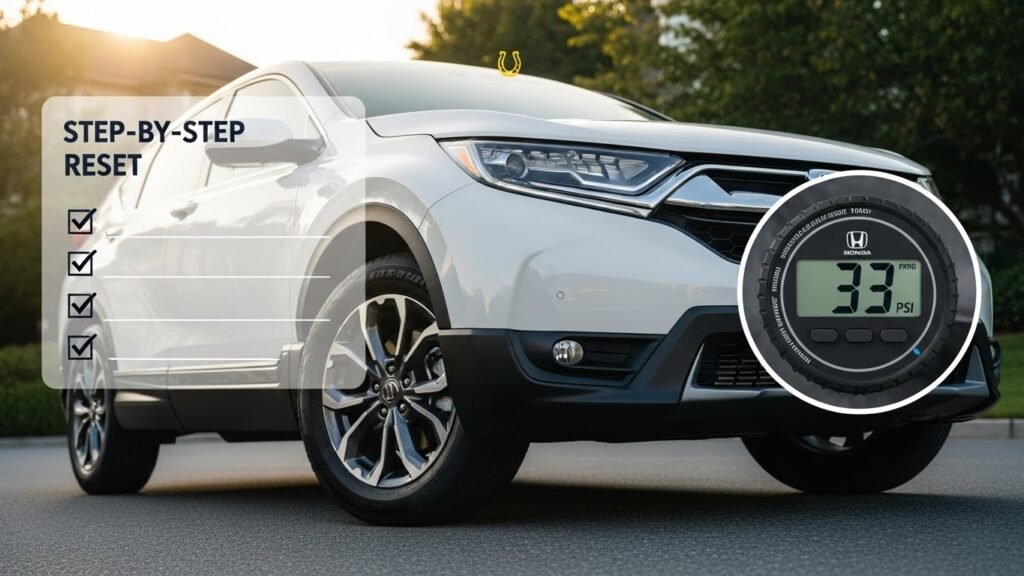
The tire pressure light on your dash is a real mood killer. You are driving along and suddenly that little yellow horseshoe pops up. It is not just an annoying light though. It tells you that your safety might be at risk. Learning how to reset tire pressure light honda crv is a skill every driver needs. Most people panic when they see it. They think they have a flat tire right away. Usually, it is just the system acting a bit funky. This guide will help you fix it fast.
Understanding the Honda Tire Pressure Monitoring System (TPMS)
The TPMS is like a silent guard for your wheels. It stands for Tire Pressure Monitoring System. Its main job is to watch your tire rotation and air pressure. Honda uses two main types of systems to do this. One is direct and the other is indirect. Direct systems use actual sensors inside the wheels. These sensors measure the exact PSI in each tire. Indirect systems are a bit different and very common in Hondas. They use the ABS wheel speed sensors to track how fast the tires spin. If a tire is low, it spins at a different speed than the others.
Definition of TPMS and its role in vehicle safety
TPMS is a safety feature required on all modern cars. It helps you avoid accidents caused by tire failure. Driving on low tires is dangerous and can lead to blowouts. This system gives you a heads-up before things get bad. It ensures your car handles correctly on the road. Safety is the number one priority for this system.
How the system monitors tire rotation and air pressure
The system is constantly checking your wheels while you drive. In an indirect system, it looks at the rolling radius of the tire. An underinflated tire becomes smaller and spins faster. The computer notices this change in speed and triggers the light. It is a very smart way to monitor pressure without extra parts. This keeps the car simple and reliable for daily use.
The difference between direct and indirect TPMS in Honda models

- Direct TPMS uses physical sensors inside each tire to measure air pressure.
- Indirect TPMS uses the car’s computer to monitor wheel speed sensors.
- Maintenance for indirect systems is usually easier since there are no sensors to break.
- Cost is lower for indirect systems because you do not have to buy expensive sensors.
Common Causes for the TPMS Light to Illuminate
Knowing why the light came on is half the battle. You do not want to just reset it and ignore a real problem. There are several reasons your Honda might be complaining. Sometimes it is a real leak. Other times, it is just the weather being tricky. Understanding these causes helps you maintain your car better. It saves you from unnecessary trips to the mechanic.
Low Tire Pressure
This is the most common reason the light turns on. One or more of your tires has dropped below the safe limit. This could be a slow leak or just natural air loss over time. You should always check the PSI with a gauge first. Never assume the system is lying to you. Keeping tires at the right pressure is key for fuel economy.
Rapid Temperature Changes

Ambient temperature plays a huge role in tire pressure. When the weather gets cold, air inside the tire contracts. This causes the pressure to drop and triggers the warning. You might see the light on a chilly morning and then it disappears. This is very common during seasonal transitions. Always check your pressure when the seasons change to avoid this.
Tire Wear and Damage
Worn treads can change how a tire rotates on the road. If the treads are uneven, the system might think the pressure is wrong. Punctures from nails or glass also cause gradual pressure loss. Even a small hole can cause the TPMS to go off. Check your tires for any visible damage if the light persists.
Recent Maintenance
The TPMS light often pops up after you get your car serviced. This happens after tire rotations or when you get new tires. The system is used to the old positions and sizes of the tires. When things change, the sensors get confused. You must recalibrate the system after any tire work. This tells the car to learn the new tire setup.
System Errors
Sometimes the system itself has a bad day. A sensor might have a low battery or just fail completely. If the light flashes instead of staying solid, it usually means a system error. This might require professional diagnostic tools to fix. Don’t ignore a flashing light as it means the safety system is off.
Pre-Reset Inspection: Essential First Steps

You cannot just hit a button and hope for the best. You need to make sure the tires are actually okay first. Resetting a light on a flat tire is a recipe for disaster. Take five minutes to do a quick check. This ensures your safety and the health of your Honda. It is the most important part of the whole process.
Locating the recommended PSI on the driver’s side door jamb placard
Every car has a specific pressure it likes to run at. You can find this info on a sticker on the driver’s side door frame. This label tells you the exact PSI for the front and rear tires. Do not use the number on the side of the tire. That number is the maximum pressure the tire can hold. The door sticker is the one that matters for your specific Honda.
Using a tire pressure gauge to check all four tires (and the spare)
Get yourself a good tire pressure gauge from any store. Check all four tires while they are cold for the best reading. Cold means the car has been parked for at least three hours. Don’t forget to check the spare tire if your car has one. Sometimes a low spare can trigger the system in certain models.
Inflating tires to the exact manufacturer specifications
Go to a gas station or use a home pump to add air. Fill them up until they match the numbers on the door sticker. Be careful not to overfill them as that can also cause issues. Proper inflation improves your traction and handling on the road. It also helps you get better gas mileage.
Inspecting for visible punctures, nails, or sidewall damage
Look closely at the tread of each tire for any objects. Nails can hide in the grooves and cause slow leaks. Check the sidewalls for any bulges or cuts. If you see any damage, you need to get it fixed before resetting the light. Safety comes before everything else when it comes to your wheels.
How to Reset TPMS in Newer Honda Vehicles

Newer Hondas make it pretty easy to handle the reset. Most of the work is done through the screen on your dash. You do not even need to get your hands dirty. The steps depend on if you have a touchscreen or not. Both ways are quick and should only take a minute. Just make sure you are parked safely before you start.
Models with Display Audio Touchscreen
- Start the car and make sure it is in Park.
- Go to the Home screen on your center display.
- Select the Settings icon to open the menu.
- Tap on Vehicle to see the car’s options.
- Choose TPMS Calibration from the list.
- Select Calibrate to start the process.
Models without Touchscreen (Steering Wheel Controls)
- Use the buttons on the steering wheel to scroll.
- Navigate to the Vehicle Settings screen on the dash.
- Enter the menu and find TPMS Calibration.
- Select Calibrate to begin the reset.
Resetting TPMS in Older Honda Vehicles
Older cars might not have fancy screens, but they are still easy to fix. You might have to use some menu buttons or a physical switch. These methods are very reliable and get the job done. If you have an older CR-V, this is likely how you will do it. It is a classic way to talk to your car’s computer.
Models with Standard Steering Wheel Buttons
- Press the MENU button on your wheel.
- Select Customize Settings from the menu.
- Navigate to TPMS Calibration.
- Select Initialize to clear the old data.
- Confirm by selecting Yes to start.
- Exit the menu by pressing the MENU button again.
Models with a Dedicated Physical TPMS Button
- Look for a button with the TPMS icon to the left of the wheel.
- Press and hold that button while the car is on.
- Wait until the light on the dash blinks twice or three times.
- Release the button and the system is now resetting.
Specific Guide for Honda CR-V Owners
The CR-V is one of the most popular SUVs on the road. Because it has been around so long, the reset method varies. Some years have a button tucked away in a weird spot. Others use the screen like the newer Civics or Accords. Learning how to reset tire pressure light honda crv specifically is very helpful. It saves you from digging through the owner’s manual for hours.
Unique placement of reset buttons in CR-V generations

In many older CR-V models, the button is down low. It is often near your left knee when you are sitting in the driver’s seat. Some people miss it because it is hidden by the steering column. Newer generations have moved this to the infotainment system. Always check the area around your traction control button first.
Standard PSI ranges specifically for the CR-V
Most CR-V models like to sit between 32 and 35 PSI. This gives the best balance of comfort and fuel efficiency. Check your door jamb to be 100% sure for your specific year. Higher PSI might make the ride feel bumpy and stiff. Lower PSI will make the car feel sluggish and heavy.
Using the ignition cycle method to clear persistent lights
If the standard reset does not work, try cycling the ignition. Turn the car off and then back on again after a few seconds. Sometimes the computer just needs a fresh start to recognize the changes. This is a common trick for many electronic issues in cars.
Honda TPMS Reset Checklist
This checklist is designed to be kept in your glovebox for quick reference when that yellow warning light appears. Before starting any reset, always ensure your vehicle is parked safely.
Pre-Reset Inspection
- Check the Door Sticker: Locate the recommended PSI on the driver’s side door jamb placard.
- Check Pressure: Use a gauge to check all four tires plus the spare while they are cold.
- Inflate: Add air until each tire matches the exact manufacturer specifications.
- Visual Check: Inspect treads and sidewalls for nails, punctures, or visible damage.
Reset Methods by Model Type
Models with Touchscreen (Display Audio)
- Power On: Start the car and remain in Park.
- Home Screen: Select the Home icon.
- Settings: Select the Settings icon.
- Vehicle: Select the Vehicle menu.
- TPMS Calibration: Choose TPMS Calibration.
- Calibrate: Select Calibrate to begin.
Models with Steering Wheel Buttons (No Touchscreen)
- Navigate: Use the steering wheel buttons to find the Vehicle Settings screen on the dash.
- Select: Enter the menu and locate TPMS Calibration.
- Calibrate: Select Calibrate to start the reset.
Models with Physical Reset Button
- Locate: Find the button with the TPMS icon to the left of the steering wheel.
- Hold: Press and hold the button while the car is on.
- Blink: Wait for the dashboard light to blink twice or three times before releasing.
Essential Completion Steps
- Drive to Calibrate: The system requires approximately 30 minutes of cumulative driving to finish learning.
- Maintain Speed: Stay between 30 and 60 mph for the best results.
- Steady Pace: Avoid heavy stop-and-go traffic or sudden braking during this period.
- Verification: The light may stay on for a few miles while the computer calculates wheel speeds.
Troubleshooting
- Blinking Light: If the light flashes for 60 seconds upon startup, the system likely has a broken sensor or technical error.
- 45-Second Rule: If you do not begin driving within 45 seconds of starting the reset, the light may reappear, requiring you to start over.
- Persistent Light: Ensure you are not using a spare tire, carrying an uneven heavy load, or driving on very slippery roads.
The Calibration Driving Requirement

Starting the calibration is only the first half of the job. Your Honda needs to actually drive to finish the process. It needs to learn how the tires spin at different speeds. If you just sit in your driveway, the light will not stay off. You need to hit the road for a bit to make it permanent. This is where most people get confused and think it failed.
Why the light doesn’t always turn off immediately after a reset
The system needs real-world data to be sure the pressure is right. It compares the speeds of all four wheels while moving. This takes time for the computer to calculate and verify. Be patient and give the car a chance to do its job. The light might stay on for a few miles before it finally vanishes.
Required Driving Conditions
The car needs a specific type of drive to calibrate correctly. It prefers a steady pace without too many stops. Driving in heavy stop-and-go traffic might pause the process. Try to find a clear road where you can keep a constant speed. This helps the sensors get a clean reading.
Speed Parameters
- Maintain a speed between 30 and 60 mph for the best results.
- Drive for a total of about 30 minutes to finish the cycle.
- Avoid sudden braking or hard acceleration during this time.
- Highway driving for 10 minutes at 50+ mph can also work for some models.
Troubleshooting Persistent TPMS Warnings
Sometimes you do everything right and the light stays on. This can be super frustrating for any driver. It usually means there is an outside factor affecting the system. Or, it could mean you didn’t quite meet the driving requirements. Don’t give up just yet though. There are a few things you can check to solve the mystery.
Why the Light Stays On
- Frequent stopping prevents the calibration from finishing.
- Snowy or slippery roads make the wheels spin at different speeds.
- Using a spare tire changes the rotation speed significantly.
- Mismatched tires or different brands can confuse the indirect system.
- Heavy cargo in the back can put uneven pressure on the rear tires.
System Failure Indicators
If you see a blinking light when you start the car, that is a warning. It means the TPMS itself is broken and not just the pressure is low. Also, watch out for the 45-second rule. If you turn on the car and don’t move within 45 seconds, the light might pop back on. This is just a sign that calibration was not finished.
Maintenance Tips for Long-Term TPMS Health
Taking care of your TPMS is part of being a good car owner. It is not just about fixing the light when it appears. You want to prevent it from coming on in the first place. Good habits will keep your tires lasting longer and your car safer. It also saves you money on gas and expensive repairs later.
When to re-calibrate
- After inflating any tire to a new pressure.
- After rotating your tires during a regular oil change.
- After replacing one or more tires with new ones.
- After using a spare tire and then putting the regular one back on.
Checking tire pressure monthly
Do not wait for the light to tell you something is wrong. Check your PSI at least once a month with a manual gauge. Tires naturally lose a little bit of air every single month. Keeping them topped off prevents the TPMS from ever bothering you. It is a simple habit that pays off in the long run.
The importance of professional diagnostic tools
If the light refuses to go away, go to a service center. Mechanics have special tools to talk to each sensor individually. They can see if a battery is dead inside a wheel sensor. Trying to fix a broken sensor at home is almost impossible. Trust the pros when the simple reset fails.
Ensuring all tires are of the same type and size
The indirect system is very sensitive to tire size. If you have three old tires and one new one, it might cause issues. Always try to replace tires in pairs or sets of four. This keeps the rolling radius the same for all wheels. It makes the TPMS much happier and more accurate.
| Tire Condition | TPMS Light Status | Action Needed |
| Low Pressure | Solid Light | Inflate and Reset |
| System Error | Blinking Light | Visit Mechanic |
| Calibrating | Light might stay on | Drive 30 minutes |
| Normal | No Light | Check Monthly |
Learning how to reset tire pressure light honda crv is a great way to stay on top of your car’s needs. It keeps you safe and helps your tires last much longer. Just remember to always check the air before you hit the reset button. Your Honda will thank you with a smooth and safe ride.
Frequently Asked Questions
What happens if I ignore the TPMS light for too long?
Ignoring the light can lead to poor fuel economy, sluggish handling, and increased tire wear. In extreme cases, driving on underinflated tires can cause a dangerous blowout.
Why does the light come on when I start the car but then turn off?
This is usually a bulb check during the ignition cycle. If it stays on for more than a few seconds, it indicates the system has detected a pressure issue or is waiting for calibration to finish.
Can a dead battery cause the TPMS light to turn on?
Yes, if the vehicle’s main battery is weak or was recently replaced, the system may lose its calibration data. You will need to perform the initialization process again once the battery is stable.
Do I need to reset the system after a wheel alignment?
While an alignment doesn’t change air pressure, it can affect how the tires track. Since Honda’s indirect system uses wheel speed and rotation, it is best practice to recalibrate after any suspension or alignment work.
Is there a fuse for the TPMS system?
Yes, like most electronic components, the TPMS is protected by a fuse. If you cannot access the calibration menus or the light never turns on at all, you should check the fuse box.
Does the TPMS monitor the spare tire?
Most Honda CR-Vs use an indirect system that only monitors the four tires currently rolling on the road. If you have a full-size spare with a sensor, it may be monitored, but compact “donut” spares are not tracked for pressure.
Can I use aftermarket wheels with the Honda TPMS?
Yes, but if your model uses a direct system, you must move the sensors to the new wheels or buy new ones. If it uses an indirect system, you just need to ensure the new tire size is compatible and then calibrate the system.
Why does the light blink for 60 seconds before staying solid?
A light that flashes for about one minute and then stays on usually indicates a malfunction in the system itself. This often means a sensor has failed or the computer cannot communicate with the wheels.
Does altitude affect tire pressure readings?
Yes, significant changes in altitude can change the pressure balance inside your tires. If you drive from sea level to a high mountain pass, the light may trigger due to the change in ambient pressure.
How do I know if my Honda has a direct or indirect system?
Check your owner’s manual or look at the valve stems. Metal valve stems with a nut usually indicate a direct sensor system, while rubber stems often suggest an indirect system.
Can I disable the TPMS light permanently?
No, it is a federally mandated safety feature in the USA. Disabling it is not recommended and can cause the vehicle to fail safety inspections.
Will a car wash trigger the TPMS light?
It is very unlikely, though extreme temperature changes from hot asphalt to very cold car wash water could theoretically cause a brief pressure drop.
Does the system tell me which specific tire is low?
On newer models with a digital driver information display, the car may show a graphic of which tire is low. Older models usually just show a general warning light for the whole vehicle.
Can fix-a-flat spray ruin the TPMS?
Yes, the chemicals in many tire sealant sprays can coat and ruin direct TPMS sensors. If your Honda uses an indirect system, it is less of a risk, but the sealant can still affect wheel balance.
What is the “45-second rule” for calibration?
If you start the calibration process but do not begin driving within 45 seconds, the system may stop the initialization. This results in the light coming back on to tell you the process was not completed.
Does the TPMS system require a subscription or software updates?
No, the TPMS is a built-in safety system that does not require a subscription. Any necessary software updates are usually handled by a dealer during routine maintenance.
Can heavy rain or puddles affect the sensors?
Deep water can sometimes interfere with the wheel speed sensors used in indirect systems. If the light comes on during a storm, check your pressure once it is dry.
Is the TPMS light part of the 100,000-mile service?
While not a specific “part,” technicians will check the system’s health and sensor batteries during major service intervals.
Why does my light come on only at highway speeds?
This often happens with the indirect system if one tire is a slightly different size or brand. The difference in rotation only becomes clear to the computer at higher speeds.
What tools do I need to reset the light?
For most Honda models, you need no tools at all; the process is done through the dashboard buttons or touchscreen. You only need a tire pressure gauge to ensure the air is correct before starting.