 Skip to content
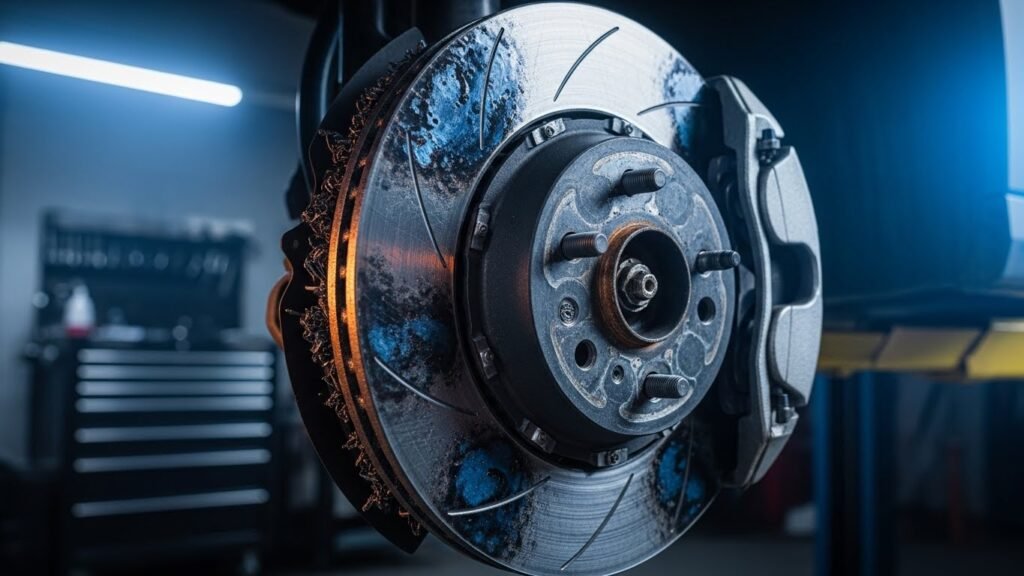
Brake maintenance is one of the most critical aspects of vehicle safety. You really need to watch out for issues that mess with your stopping power. Grooves in brake rotors and score marks are common problems that can put you in a tough spot. It is super important to know why these marks show up in the first place. This helps you keep your ride smooth and your brakes working like a charm. High-quality parts can make a huge difference when you need to swap out old gear. Investing in the right components is a smart move for any driver.
Understanding the Fundamentals: What are Brake Rotor Grooves and Score Marks?
A healthy rotor surface should look flat and smooth like a fresh skating rink. When you hit the brakes, the pads squeeze the rotor to slow you down. This creates a lot of friction and heat which is totally normal. However, things can go south when the surface starts looking like an old vinyl record. Those circular lines you see are what we call grooves or score marks.
- Healthy Rotors feature a consistent and even surface for maximum pad contact.
- Scored Rotors have shallow scratches that might not feel deep but look messy.
- Grooved Rotors have deep valleys that you can easily feel with your fingernail.
- Normal Wear happens over thousands of miles and usually looks very uniform.
- Premature Damage shows up early and often points to a bigger mechanical issue.
Critical Factors Behind Grooves in Brake Rotors and Score Marks
Stopping a car involves turning moving energy into heat through friction. If that friction isn’t smooth, your rotors are going to pay the price. Small problems today can turn into massive headaches tomorrow if you ignore them. You want to catch these issues before they ruin your whole day on the road.
Pad Material and Composition
The stuff your brake pads are made of matters a whole lot for your rotors. Different pads have different levels of hardness and abrasiveness. If you use pads that are way too hard, they might start carving into the metal. While these pads might stop you fast, they can eat your rotors for breakfast.
- Organic Pads are soft and quiet but wear out pretty fast.
- Semi-Metallic Pads are tough and offer great stopping power but can be loud.
- Ceramic Pads are the premium choice for staying clean and quiet.
- Hardness Levels determine how much the pad “bites” into the rotor surface.
- Material Inconsistencies in cheap pads can create random hard spots that gouge the metal.
The Role of Brake Contamination

Dirt and road junk are the enemies of a clean braking system. Stuff like sand, salt, and pebbles can get stuck between the pad and the rotor. This creates a nasty “abrasive slurry” that acts like sandpaper. It wears down the metal and leaves those ugly grooves in brake rotors behind.
- Road Grit acts like tiny knives that cut into the rotor face during every stop.
- Brake Fluid Leaks can make pads sticky and cause them to grab debris.
- Dusty Environments mean you need to check your brakes way more often.
- Trapped Debris is often the main reason for a single deep groove on one side.
- Regular Cleaning helps wash away the junk before it causes real damage.
Improper Bedding-In (Burnishing) Procedures
Bedding-in is like the first date between your new pads and rotors. You have to do it right to make sure they get along for a long time. This process moves a thin layer of pad material onto the rotor surface. If you skip this, the pads won’t grab the rotor evenly.
- Transfer Layer is the microscopic coating that protects the metal from direct wear.
- Burnishing involves a series of controlled stops to heat things up slowly.
- High Spots occur when the pad only touches certain parts of the rotor.
- Heat Distribution becomes uneven if the bedding process is rushed or ignored.
- Longevity is much better when you follow the manufacturer’s break-in rules.
Thermal Stress and Excessive Heat Buildup
Braking creates a ton of heat that has to go somewhere. If the heat gets too high, the metal in the rotor can actually change shape. This thermal stress causes the rotor to expand and shrink in weird ways. Over time, this leads to tiny cracks that eventually turn into deep grooves.
- Operating Range is the temperature where your brakes work the best.
- Thermal Expansion can cause the rotor to ripple or wave under extreme heat.
- Micro-cracks are the first sign that your rotors are getting toasted.
- Heavy Braking like riding the brakes down a mountain is a recipe for disaster.
- Consistent Cooling is required to keep the metal from getting brittle and weak.
The Danger of Low-Quality and Substandard Rotors
Not all rotors are created equal even if they look the same in the box. Cheap rotors often use low-grade iron that can’t handle the heat. They might save you money now, but they wear out way faster. These budget parts are much more likely to develop grooves in brake rotors early on.
- Material Strength is lower in budget rotors compared to premium ones.
- Heat Dissipation is poor in rotors with thin cooling vanes.
- Premature Wear happens because the metal is too soft for modern pads.
- Safety Risk is higher when you use parts that might fail under stress.
- Precision Fit is often missing in cheap parts, leading to extra vibration.
The Metallurgy of Brake Rotors

Most rotors are made of grey cast iron because it handles heat like a pro. Engineers love this stuff because it doesn’t warp easily when things get hot. Some high-end cars use high-carbon rotors for even better performance. These extra-tough parts keep their shape even during track days or heavy towing.
- Grey Cast Iron provides excellent thermal conductivity to pull heat away.
- High-Carbon Content helps the rotor resist cracking and reduces brake noise.
- Zinc Plating is often used on the “hat” of the rotor to stop ugly rust.
- Geomet Coatings protect the cooling vanes from corroding over time.
- Damping Capacity is the ability of the metal to soak up vibrations and sound.
Advanced Root Causes: Mechanical and Hydraulic Failures

Sometimes the grooves in brake rotors aren’t the rotor’s fault at all. Problems elsewhere in the brake system can force the pads to act crazy. If your caliper is stuck, it might push the pad against the rotor all day long. This constant rubbing creates massive heat and deep grooves very quickly.
- Seized Slide Pins prevent the caliper from centering, causing uneven wear.
- Bad Brake Hoses can act like a one-way valve that won’t let the brakes release.
- Hub Runout means the rotor isn’t sitting flat against the car’s axle.
- Stuck Pistons keep the pads applied even when your foot is off the pedal.
- Worn Hardware like old clips can let the pad wiggle and gouge the metal.
Identifying the Symptoms of Damaged Brake Rotors
You can usually tell something is wrong just by listening to your car. If you hear a grinding sound, your rotors are probably getting chewed up. A vibrating steering wheel is another big red flag you shouldn’t ignore. Always take a quick look through your wheels to check for circular marks.
- Squealing Noises often mean the pads are vibrating against a rough rotor surface.
- Pedal Pulsation feels like the brake pedal is pushing back against your foot.
- Steering Shakes happen when the rotors are warped or have deep grooves.
- Visible Ridges are easy to see if you look closely at the shiny rotor face.
- Increased Stopping Distance is the most dangerous symptom of rotor damage.
Diagnostic Tools and Measurement Techniques

Pro mechanics don’t just guess if a rotor is bad; they measure it. A tool called a micrometer checks how thick the rotor is in different spots. If the thickness varies too much, the rotor is toasted. They also use dial indicators to see if the rotor is wobbling as it spins.
- Micrometers measure thickness down to a tiny fraction of an inch.
- Dial Indicators check for lateral runout which causes that annoying vibration.
- Infrared Thermometers find “hot spots” that show where the rotor is failing.
- Minimum Thickness is stamped on every rotor and must never be exceeded.
- Visual Grading helps decide if a rotor can be saved or needs the bin.
The Impact of Damaged Rotors on Other Braking Components
Bad rotors are like a virus for the rest of your braking system. If the rotor surface is rough, it will shred your new brake pads in no time. The extra vibration can also shake your calipers loose or damage your wheel bearings. You end up spending way more money by waiting too long to fix things.
- Pad Longevity drops significantly when rubbing against a grooved surface.
- Caliper Stress increases because the piston has to work harder to stay steady.
- Brake Fluid Overheating happens when the rotor can’t shed heat properly.
- Suspension Wear occurs because of the constant shaking from bad rotors.
- Wheel Bearing Damage can result from the excessive heat and vibration.
Professional Solutions: When to Resurface vs. When to Replace
Back in the day, you could just “turn” or resurface every rotor to make it flat. Nowadays, many rotors are made thinner to save weight and improve gas mileage. This means there isn’t always enough metal left to shave off. If the grooves in brake rotors are too deep, replacement is your only safe bet.
- Resurfacing works for light scratches if the rotor is still thick enough.
- Replacement is mandatory if the grooves are deeper than the safety limit.
- Cost Analysis often shows that new rotors are cheaper than paying for labor to turn old ones.
- Safety Margins are much higher with a brand-new, full-thickness rotor.
- Modern Designs are often “discard” style, meaning they aren’t meant to be machined.
| Feature | Resurfacing (Turning) | Full Replacement |
| Cost | Lower upfront labor cost | Higher part cost |
| Durability | Thinner metal wears faster | Maximum lifespan |
| Safety | Good for light wear only | Best for all conditions |
| Time | Takes time on a brake lathe | Fast “bolt-on” swap |
Choosing High-Quality Aftermarket Replacements
When it is time for new gear, don’t just grab the cheapest box on the shelf. Premium parts are engineered to fit your specific car perfectly. They use better metal that stays cool and resists those nasty grooves in brake rotors. Brands like Metrix Premium Chassis Parts offer high-quality options you can trust.
- Precision Engineering ensures the part fits just like the original one did.
- Year-Make-Model Search tools help you find the right part in seconds.
- Superior Materials mean fewer trips to the mechanic for repairs.
- Longevity is the name of the game when you invest in quality parts.
- Trusted Brands provide peace of mind for you and your family.
Step-by-Step Installation Best Practices
Installing new rotors is a great DIY project if you take your time. You have to make sure the mounting surface is totally clean and rust-free. Any bit of dirt behind the rotor will make it wobble and cause grooves later. Always use a torque wrench to tighten your wheels so everything stays even.
- Clean the Hub with a wire brush to remove every bit of old rust.
- Use Brake Cleaner to wash off the protective oil on your new rotors.
- Lube the Slides so your calipers can move back and forth easily.
- Check the Clips and replace them if they look bent or rusty.
- Torque the Bolts to the exact specs found in your car’s manual.
Preventative Maintenance and Best Practices
The best way to fix grooves in brake rotors is to never get them in the first place. Keeping your brakes clean and inspecting them often goes a long way. If you hear a weird noise, don’t wait three months to check it out. Be gentle on your brakes and they will be gentle on your wallet.
- Visual Checks should be done every time you rotate your tires.
- Avoid Slamming the brakes unless it is a real emergency.
- Engine Braking on hills helps keep your rotors from getting too hot.
- Flush the Fluid every two years to keep the internal parts moving smoothly.
- Listen Closely for any change in how your car sounds or feels.
Conclusion: Maintaining Braking Excellence
Taking care of your brakes is the most important thing you can do for your car. Grooves in brake rotors are a sign that something is wrong and needs your attention. Whether it is dirt, heat, or cheap parts, ignoring the problem only makes it worse. By choosing quality components and staying on top of maintenance, you keep your ride safe. Don’t settle for “good enough” when it comes to your ability to stop on a dime.
FAQs About Brake Rotor Maintenance and Repair
Can I spray brake cleaner on the rotors without taking the wheels off?
You can spray it through the spokes of your rims to clean off loose dust. However, this won’t reach the inner surface of the rotor where debris often hides. For a deep clean, you really need to remove the wheel and the pads. This ensures you get all the gunk out of the cooling vanes too.
Does cold weather cause grooves in brake rotors to form faster?
Freezing temps don’t cause grooves directly, but the road salt used in winter does. Salt is very abrasive and creates a gritty paste when mixed with melted snow. This mixture gets trapped against the metal and grinds away at your rotors. Always wash your undercarriage and brakes after a big snowstorm to prevent this.
What is the difference between a slotted rotor and a grooved rotor?
Slotted rotors have intentional lines machined into them to help gases and heat escape safely. Grooves in brake rotors are accidental damage caused by debris or worn-out brake pads. You can tell them apart because slots look perfectly uniform and clean. Grooves usually look rough, uneven, and follow a messy circular path.
Why do my brakes smell like they are burning after a long drive?
That smell usually means your pads are getting way too hot against the rotors. If your rotors have deep grooves, the extra friction can lead to “brake fade.” This happens when the heat makes the pads lose their ability to grip the metal. If you smell smoke, pull over safely and let your brakes cool down immediately.
Can a car wash cause my rotors to warp or groove?
Blasting hot rotors with freezing cold water at a car wash can cause “thermal shock.” This sudden change in temperature can make the metal warp or even crack. It is a good idea to let your brakes cool for a few minutes before entering the wash. This protects the surface from sudden stress that leads to surface damage.
Will grooved rotors fail an official state vehicle inspection?
In many states, deep grooves in brake rotors are a reason for an automatic inspection failure. Inspectors check for surface integrity to make sure your car can stop in a safe distance. If they can catch their tool in a ridge, they will likely mark it as a safety hazard. It is better to fix them before you go in for your sticker.
Is it normal for rotors to have a thin layer of rust after it rains?
Yes, this is totally normal because rotors are made of cast iron and have no paint. This “flash rust” usually disappears the very first time you hit the brakes while driving. It won’t cause grooves unless the car sits for months without moving. If the rust gets deep and pitted, then you might have a real problem.
Do ceramic brake pads prevent grooves better than metallic ones?
Ceramic pads are generally softer on the rotor surface and create much less abrasive dust. This makes them a great choice for keeping your rotors smooth for a longer time. Semi-metallic pads are tougher and can be more aggressive on the metal face. If you want the longest rotor life, ceramic is usually the way to go.
Can a bad wheel bearing lead to rotor scoring?
A loose wheel bearing allows the whole hub assembly to wobble as you drive down the road. This wobble causes the rotor to hit the brake pads at weird angles even when you aren’t braking. This constant, uneven contact quickly leads to deep circular score marks and strange wear patterns. Replacing the bearing is the only way to save the new rotor.
Why does my brake pedal feel “spongy” if my rotors are grooved?
Grooves create an uneven surface that prevents the pad from making full contact with the metal. This means the hydraulic system has to push harder and further to get a solid grip. That extra travel in the pedal makes it feel soft or “spongy” under your foot. Smooth rotors provide a much firmer and more responsive pedal feel.
How do I know if the groove is in the front or the back rotors?
If you feel the vibration in your steering wheel, the problem is likely in the front. If you feel the shaking in your seat or the floorboards, it is usually the rear. You can also do a quick visual check with a flashlight through the wheel spokes. Front rotors usually wear out faster because they do most of the stopping work.
Does towing a trailer make grooves in brake rotors more likely?
Towing adds a lot of weight, which means your brakes have to work much harder to stop. This creates massive amounts of heat that can soften the metal and make it easier to gouge. If you tow often, you should upgrade to heavy-duty rotors designed for high heat. This prevents the “heat checking” that leads to deep grooves.
Can I use sandpaper to smooth out a scored rotor at home?
Using sandpaper might remove some light surface rust, but it won’t fix deep grooves. In fact, doing this by hand can make the surface uneven, which leads to more vibration. Rotors need to be perfectly flat within a thousandth of an inch to work right. If they are grooved, they need professional machining or total replacement.
What happens if I put new pads on grooved rotors without fixing them?
The new, flat pads will only touch the “peaks” of the grooved rotor at first. This creates a tiny contact area that gets extremely hot very quickly. The pads will eventually wear down to match the shape of the grooves, but they will be ruined. You lose most of your stopping power during this “mismatch” period.
Do high-performance drilled rotors groove more easily?
Drilled rotors are great for cooling, but the holes can sometimes act as “cheese graters” for pads. If the edges of the holes aren’t chamfered properly, they can catch debris and cause scoring. For daily drivers, solid or slotted rotors are often more durable against grooving. Drilled rotors are usually best for track use where heat is the biggest enemy.
Can a sticking brake caliper piston cause a single deep groove?
Yes, if one piston in a multi-piston caliper gets stuck, it can tilt the brake pad. This puts all the pressure on one corner of the pad instead of spreading it out. That concentrated pressure will carve a deep trench into the rotor in a very short time. If you see one deep line, check your caliper hardware immediately.
Why is there a “lip” on the outer edge of my brake rotor?
That lip is formed as the brake pads wear away the center of the rotor over time. The pads don’t touch the very edge, so that part of the metal stays at its original thickness. While a small lip is normal, a very large one means your rotor is getting too thin. It’s a sign that you are reaching the end of the rotor’s life.
Can aggressive brake cleaner chemicals damage the rotor surface?
Most brake cleaners are designed to evaporate quickly and won’t hurt the iron itself. However, they can strip away the protective coatings on the “hat” or the hub of the rotor. This can lead to faster rusting in those specific areas. Always follow the directions on the can and avoid spraying it on painted parts.
Does “glazed” brake pad material look like a groove?
Glazing happens when pads get so hot that the surface turns into a smooth, shiny glass-like layer. This can look like a dark streak or a groove on the rotor, but it’s actually a deposit. Glazed pads won’t stop you effectively and will often squeal like crazy. You can sometimes clean this off, but usually, new pads are required.
How often should I realistically expect to replace my rotors?
Most drivers get between 30,000 and 70,000 miles out of a set of quality rotors. This depends entirely on your driving style and the environment you live in. City drivers who stop and start constantly will see grooves in brake rotors much sooner. Highway drivers might go a long time before they ever see a score mark.