 Skip to content
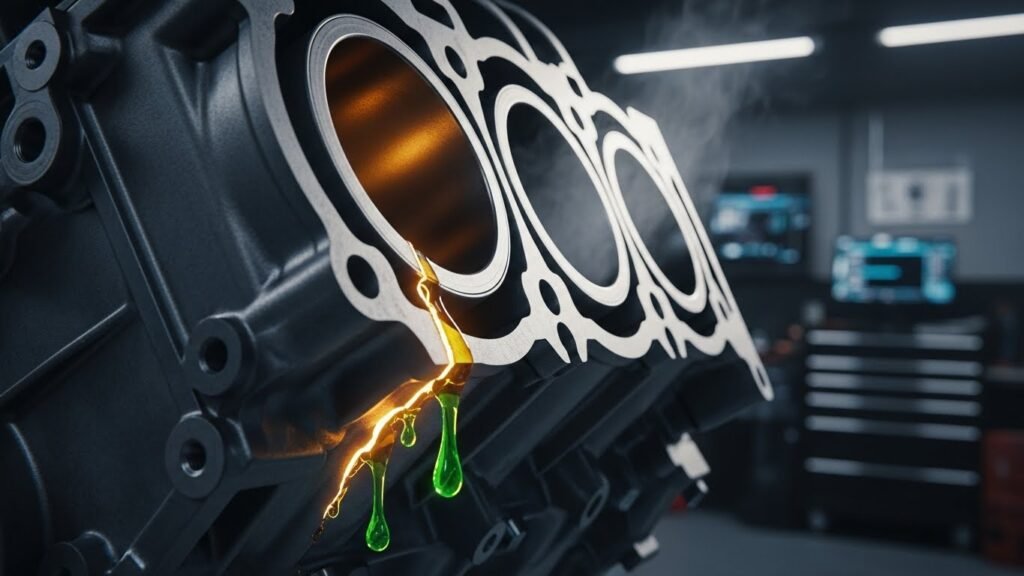
Does your car feel like it is dying on you? You might be dealing with the worst news a driver can hear. A cracked engine block is a huge deal for any vehicle owner. This guide will help you spot the trouble early. We will look at cracked block symptoms so you can act fast. Knowing what to look for can save you thousands of bucks. Let’s dive into how your motor works and why it breaks.
Understanding the Engine Block: The Heart of the Vehicle
The engine block is the main part of your automobile. It is the solid piece of metal that holds everything together. Think of it as the foundation of your house. If the foundation cracks, the whole building is in big trouble. This part is often called the motor’s bottom end. It is built to be tough, but even the strongest metal has limits.
The Foundation of the Motor
Your engine block is the core of the internal combustion process. It stays in one place while other parts move fast inside it. It provides the heavy strength needed to handle thousands of small explosions every minute. Without a solid block, your car simply cannot move. It is the most important chunk of metal under your hood.
Anatomy of the Casting
Inside this big block of metal, you will find several key holes and parts. These are created during the casting process at the factory.
- Cylinders are the large holes where the pistons slide up and down.
- The Crankshaft sits at the bottom and turns the up-and-down motion into circular motion.
- Oil Galleries are small paths that let car oil flow to moving parts.
- Water Jackets are hollow spaces that allow coolant to flow around the hot cylinders.
Metallurgy of the Block
Engine blocks are usually made from one of two metals. Each one reacts to heat stress in its own way.
- Cast Iron is very heavy and super strong. It can handle a lot of heat but is prone to rusting over many years.
- Aluminum Alloy is much lighter and helps with fuel economy. However, it can warp or crack more easily if the engine gets too hot.
The Circulation Network
Your engine needs to stay cool and lubricated to survive. The block has a complex web of passages for this. Coolant flows through the water jackets to soak up heat. At the same time, engine oil travels through passages to stop friction. If a crack opens up between these paths, you get a nasty mix of fluids. This is why internal leaks are so dangerous for your motor.
The Role of the Head Gasket
The cylinder head sits on top of the engine block. A flat seal called the head gasket goes between them. This gasket keeps the combustion chamber sealed tight. It also keeps the oil and antifreeze from mixing. Sometimes people mistake a blown head gasket for a cracked block. Both are bad, but a cracked block is usually a much bigger headache.
Common Signs and Symptoms of a Cracked Engine Block
Spotting cracked block symptoms early is key to saving your car. Some signs are easy to see right away. Others are hidden deep inside the motor. You need to be a bit of a detective to find them. If you see any of these, stop driving immediately. Continuing to drive can turn a small crack into total engine failure.
External Indicators and Visible Leaks

Sometimes the proof is right on your driveway. You should always keep an eye on where you park your car.
- Fluid Pooling happens when coolant or oil drips from a crack in the metal.
- Visual Fractures might look like tiny hairs on the side of the block.
- The Weeping Block is when you see a damp or shiny spot on the metal that never goes away.
- Seepage occurs when fluids slowly push through a porous block over time.
Internal Contamination and Chemical Warnings
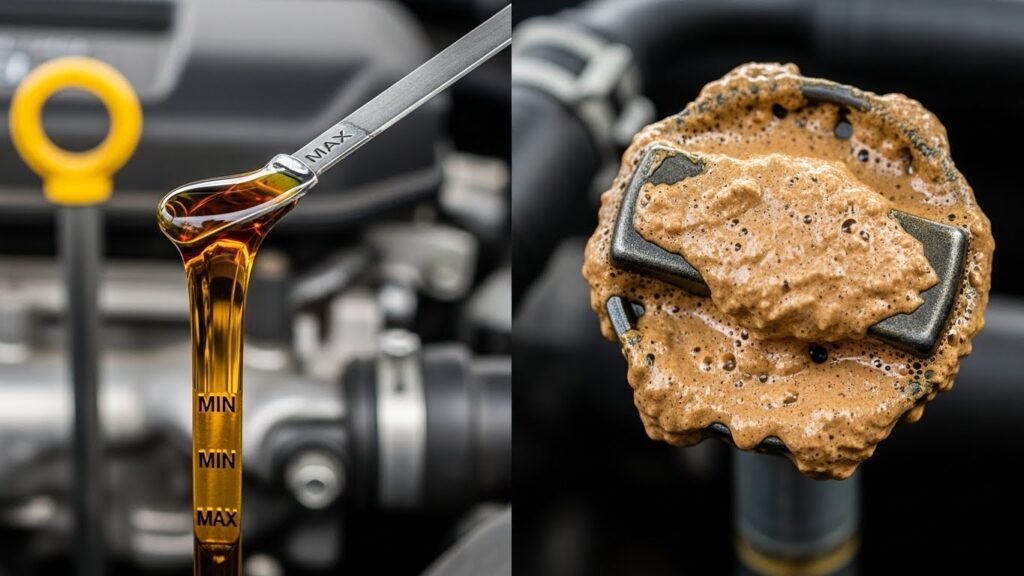
Internal cracks are sneaky because you cannot see them from the outside. You have to check your fluids to find the truth.
- The Milkshake Symptom is when your oil looks like a light brown latte. This means antifreeze has mixed with your car oil.
- Antifreeze Odors often smell sweet like maple syrup. You might smell this after the engine gets warm.
- Exhaust Gas Analysis can show if your engine is burning things it should not.
- Combustion Gases in the radiator will look like bubbles or a volcano erupting when you take the cap off.
Performance and Drivability Issues
Your car will tell you when it is hurting through its performance. A crack ruins the way an engine runs.
- Compression Loss means the engine cannot build enough pressure to make power.
- Persistent Misfires happen when coolant leaks into the combustion chamber and wets the spark plugs.
- Rough Idling is a common sign that your engine is struggling to stay alive at a stoplight.
- Poor Performance shows up as a lack of torque when you try to speed up.
Thermal and Cooling System Red Flags
A cracked block usually destroys the cooling system’s ability to work. Watch your dashboard closely for these warnings.
- Temperature Gauge spikes are a major warning that something is wrong.
- Low Coolant Level even after you just topped it off is a huge red flag.
- Steam coming from the hood often means coolant is hitting hot engine parts.
- Check Engine Light will often pop up when the sensors detect a misfire or overheating.
Root Causes of Engine Block Failure
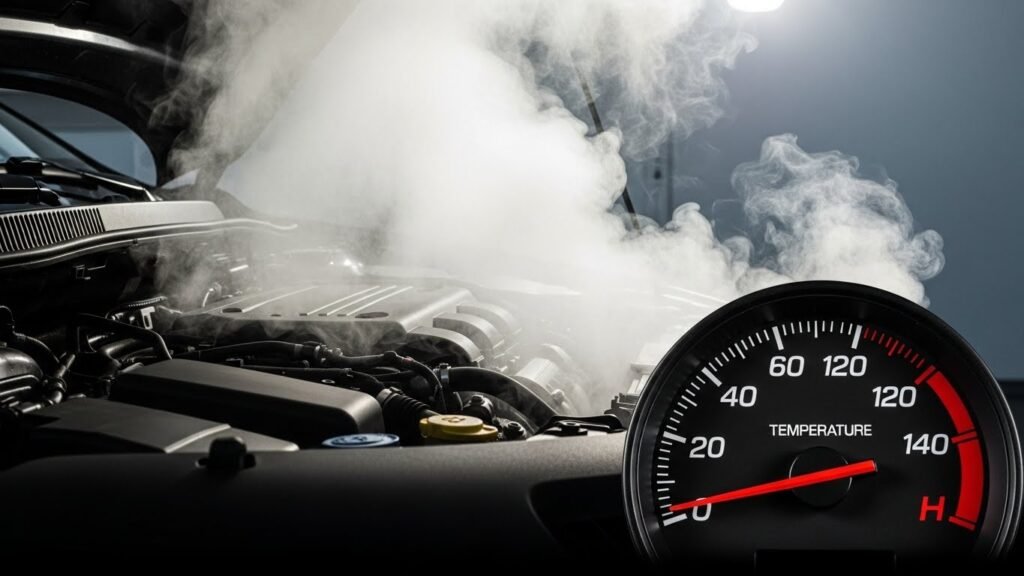
Why does a thick piece of metal just crack? It usually isn’t one single event. It is often a mix of bad luck and poor maintenance. Understanding the “why” can help you prevent this from happening to your next car. Most of these causes involve heat or pressure.
Thermal Stress and Cooling Failures
Heat is the number one enemy of your engine. When things get too hot, metal starts to move in ways it should not.
- Extreme Overheating causes the metal to expand too much.
- Thermal Shock happens if you pour cold water into a boiling hot engine. The fast change in temperature snaps the metal.
- Water Pump Failure stops the coolant flow, leading to instant heat spikes.
- Thermostat Issues can trap heat inside the block instead of letting it go to the radiator.
Manufacturing and Structural Defects
Sometimes the block was born with problems. These issues usually show up after a few years of driving.
- Casting Failure happens if the metal had bubbles or dirt in it at the factory.
- Porous Block issues mean the metal is like a sponge and lets oil soak through.
- Injection Molding Shifts can make one side of a cylinder wall too thin to hold pressure.
Mechanical Overstress and Modification
If you try to make your car too fast, the block might give up. Every engine has a limit on how much power it can hold.
- Aftermarket Boosting like adding a big turbo can crack a stock block.
- Detonation is when the fuel explodes at the wrong time. It hits the piston like a sledgehammer.
- High Torque can actually twist the block and cause it to snap.
Diagnostic Procedures: Confirming a Cracked Block

You suspect a crack, but how do you know for sure? You need to run some tests before you spend money on repairs. Some of these you can do at home. Others require a pro at a machine shop. Getting a correct diagnostic is the most important step.
Visual and Non-Invasive Testing
Start with the easy stuff first. These tests don’t require taking the whole engine apart.
- Pressure Test involves putting air into the cooling system to see if it holds.
- Combustion Leak Test uses a blue liquid that turns yellow if exhaust gases are in your coolant.
- UV Dye Tracing helps you find external leaks using a blacklight and special glowing fluid.
Advanced Internal Inspections
If the easy tests fail, you have to look deeper. This is where the pros come in.
- Borescope Inspection uses a tiny camera on a wire to look inside the cylinders.
- Cylinder Leak-Down Test tells you exactly which cylinder is leaking air and where it is going.
- Magnafluxing uses magnets and powder to find hidden cracks in cast iron.
- Dye Penetrant is a special spray used to find cracks in aluminum blocks.
Solutions, Repair Options, and Costs
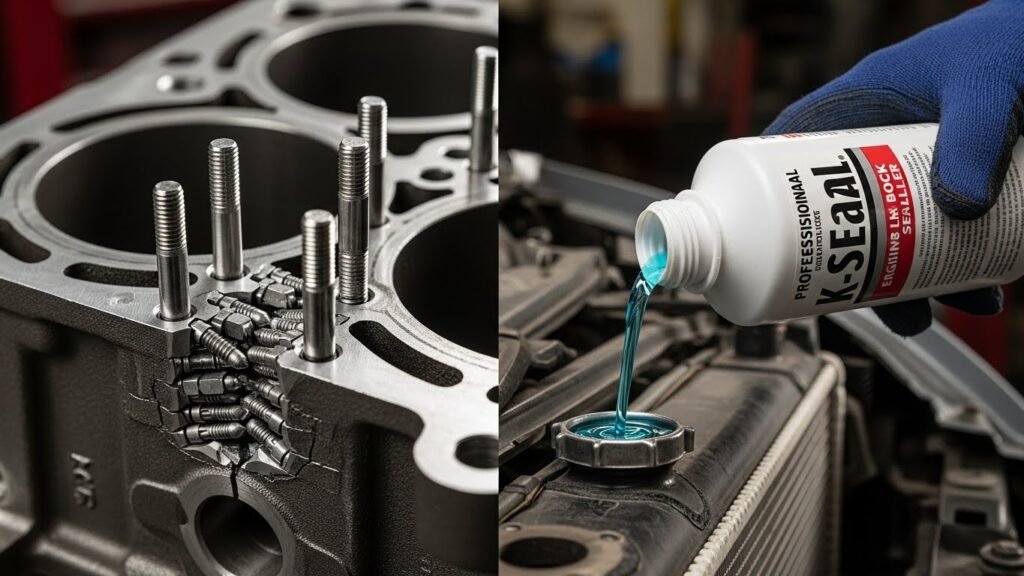
So, the news is bad. Your block is cracked. What do you do now? You have a few choices depending on your budget. None of them are very cheap. You need to weigh the cost of the fix against the value of the car.
Professional Mechanical Solutions
Most mechanics will tell you that a cracked block means you need a new motor.
- Engine Swap is usually the fastest way to get back on the road.
- Salvage Engine is a used motor from a junkyard. It is cheaper but comes with risks.
- Remanufactured Engine is like a brand new motor built from old parts. It is the most reliable choice.
- Metal Stitching is a cool way to bolt a crack back together without using heat.
Chemical and DIY Sealants
If you are on a tight budget, you might try a chemical fix. These are best for small leaks or porous blocks.
- K-Seal is a famous brand that mixes with your coolant to plug holes.
- Nano-technology sealants can find tiny cracks and turn into hard ceramic.
- Stop-Leak products are a temporary fix to get you home in an emergency.
Legal Rights and Consumer Protection
Did you just buy a car with a cracked block? You might have been cheated. There are laws to protect you from used car fraud. Do not just take the loss without putting up a fight.
Dealer Fraud and Non-Disclosure
Dealers have to tell you about major engine problems. If they knew about the crack and stayed silent, they broke the law.
- Used Car Fraud happens when a dealer clears the check engine light just to sell the car.
- Disclosure Laws require sellers to list known frame or engine damage.
- Lemon Law might apply if your new car keeps breaking down.
Litigation and Recovery
You can take the dealer to court to get your money back. You will need good evidence to win.
- Expert Witness testimony from a mechanic is your best weapon in court.
- Documentation of all your repair bills and diagnostic tests is a must.
- Attorney Consultation can help you decide if a lawsuit is worth the time.
Preventative Maintenance: Protecting Your Investment
You never want to deal with this problem again. Taking care of your car is the best way to prevent cracks. It is much cheaper to change your oil than to change your engine.
Essential Maintenance Tips
Follow these steps to keep your engine block healthy for a long time.
- Check Coolant Flow regularly to make sure your water pump is working.
- Watch the Dashboard for any sign of the engine running hot.
- Change Your Oil every 5,000 miles to reduce friction and heat.
- Winterize Your Car with the right mix of antifreeze so the block doesn’t freeze and burst.
Summary of Next Steps
If you see cracked block symptoms, do not panic. First, get a professional pressure test to confirm the problem. Check your oil for that milky look. If the car is old, consider selling it for parts. If the car is new, look into your legal rights for a refund. Always keep your cooling system in top shape to avoid this nightmare. Your car depends on that solid block of metal to keep you moving safely.
Frequently Asked Questions
Can a cold climate cause an engine block to crack?
Yes, if your vehicle does not have the proper concentration of antifreeze, the water within the engine can freeze and expand. This expansion creates immense pressure from the inside out, often cracking the metal casting or popping out the freeze plugs.
How can I tell the difference between a head gasket failure and a cracked block?
While both share symptoms like white smoke and milky oil, a head gasket failure is usually identified by a chemical block test or by removing the head to see a physical breach in the seal. A cracked block is confirmed if the leak persists even after the head and gasket are replaced.
Is it safe to buy a car that has had a block repair?
It depends on the method used. If the block was professionally remanufactured or resleeved, it can be as reliable as a new engine. However, if the repair was made with temporary epoxy or low-grade sealants, the vehicle is a high-risk purchase.
Can driving through a deep puddle crack my engine block?
It is possible. If a very hot engine is suddenly splashed with a large amount of cold water, the rapid temperature change can cause thermal shock. This sudden contraction of the metal can lead to immediate fractures in the casting.
What is the average lifespan of an engine block?
Modern engine blocks are designed to last the life of the vehicle, often exceeding 200,000 miles. Most failures are not due to age but are caused by secondary issues like cooling system neglect or extreme overheating.
Does insurance cover a cracked engine block?
Standard auto insurance usually does not cover mechanical failures or wear and tear. However, if the block was damaged during a collision or a covered environmental event like a flood or fire, your comprehensive or collision coverage might apply.
Can a cracked block cause a vehicle fire?
Yes. If the crack allows pressurized oil to spray onto the hot exhaust manifold, it can ignite instantly. Additionally, internal leaks can lead to catastrophic engine failure that may result in mechanical components breaking through the block and causing sparks.
Why do some mechanics refuse to repair a cracked block?
Many shops view block repairs as high-liability jobs. Because the structural integrity of the metal is compromised, a repair might fail shortly after the car leaves the shop, leading to disputes over warranties and labor costs.
Does a cracked block affect the car’s electronics?
Not directly, but the symptoms can. For example, excessive steam from a leak can get into electrical connectors and cause short circuits, or a failing block can trigger various sensors, leading to a “limp mode” where the computer limits engine power.
What is a “porous” block?
A porous block is a manufacturing defect where the metal casting has microscopic holes throughout. While not a physical crack, it allows fluids to seep through the metal over time, often appearing as a mysterious “sweating” of oil or coolant.
Can high mileage alone cause a block to crack?
High mileage causes wear on internal components like rings and bearings, but the block itself does not usually crack just from use. Cracks at high mileage are usually the result of a cooling system that has become clogged with scale and rust over time.
Is an aluminum block more prone to cracking than a cast iron one?
Aluminum blocks are more susceptible to warping and cracking from heat because aluminum has a lower melting point and expands more than iron. However, aluminum is much better at dissipating heat during normal operation.
What are “freeze plugs” and do they prevent cracks?
Freeze plugs, or expansion plugs, are designed to pop out if the coolant in the block freezes. While they are intended to provide a path of least resistance for expanding ice, they do not always prevent the block itself from cracking.
Can a cracked block be welded?
Cast iron is very difficult to weld because it requires even pre-heating and very slow cooling to prevent new cracks from forming. While possible, it is a highly specialized skill that most general automotive shops do not perform.
How does a “block test” work?
A block test uses a tool that draws air from the radiator through a chemical liquid. If there are combustion gases (like carbon monoxide) in the cooling system, the blue liquid turns yellow or green, indicating a leak between the combustion chamber and the water jacket.
Does a cracked block ruin the catalytic converter?
Yes, if your car is burning coolant or oil due to a crack, those fluids will travel through the exhaust. These chemicals can coat the internal catalyst, causing it to overheat and fail, which adds a very expensive repair to the bill.
What is “metal stitching” for engines?
Metal stitching is a cold repair method where specialized threaded pins are installed along the length of a crack. These pins interlock to pull the metal back together and create a pressure-tight seal without the need for high-heat welding.
Can a bad water pump cause a cracked block?
Indirectly, yes. If the water pump fails, the coolant stops moving. The stagnant fluid in the block will quickly boil, leading to localized hot spots and extreme thermal expansion that can snap the metal casting.
Will a cracked block cause a failed emissions test?
Almost certainly. A crack that allows oil or coolant into the combustion chamber will significantly increase tailpipe emissions, likely triggering a check engine light and causing the vehicle to fail any state-mandated smog test.
What should I do if my engine overheats on the highway?
Pull over immediately and turn off the engine. Do not try to drive “just a little further.” Continuing to run an overheating engine is the fastest way to turn a simple hose leak into a permanent cracked block.