 Skip to content
If you own a car, you’ve probably wondered how long your brakes will last. Knowing the lifespan of your brake pads is essential for safety and saving money. People often ask, how long do ceramic brake pads last compared to other types? We will cover everything you need to know about pad longevity, the materials they’re made from, and the best ways to maximize your miles before needing a replacement.
Brake pads are easily one of the most critical parts on your vehicle. They are what give you the power to bring your car to a controlled stop. Without them working right, driving anywhere, even on the quietest Charlotte streets, becomes dangerous. Keep reading to learn the factors that cause wear and tear and how to get the most durability from your set.
Understanding Brake Pad Lifespan: The Fundamentals

Brake pads are the workhorses of your stopping system. They sit inside the brake calipers, ready for action. When you press the pedal, the pads are pushed to make direct contact with the brake rotors (or brake disc). This action creates friction. It’s this friction that slows down your vehicle.
The pad itself is made of a softer compound, called the friction material. Every time this material rubs against the rotor, a microscopic layer wears away. This normal process is why brake pads eventually need to be replaced. The wear is caused by both the friction and the intense heat generated during braking.
The Average Lifespan Range and Variation
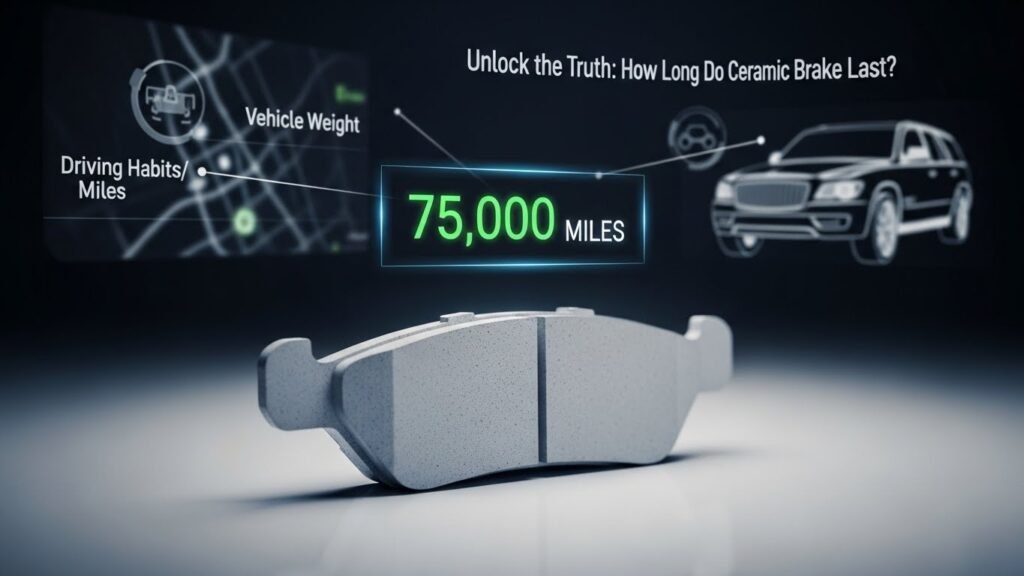
There is a huge range when it comes to how long brake pads last. The average lifespan can be under 20,000 miles on the low end. On the high end, they can last up to 75,000 miles. A typical set of front brake pads will last somewhere between 20,000 and 60,000 miles.
- Front vs. Rear: Your front brakes do most of the work. They perform approximately 70% of the stopping power.
- Replacement Frequency: Because the front brakes work harder, they usually need to be replaced twice as often as the rear brakes.
This wide variation shows there’s no simple answer for everyone. The actual miles you get will depend on several other critical factors. We’ll dive into those next.
Key Factors that Determine Brake Pad Wear and Longevity

The durability and longevity of your brake pads are not just about the material. They are also about how you use your car and where you drive it. Understanding these factors helps you predict when you’ll need service. It also helps you adopt habits that save you money in the long run.
Driving Habits and Braking Style
Your personal driving habits play a pivotal role in the lifespan of your brake pads. Aggressive driving is one of the quickest ways to chew through your friction material. Drivers who follow closely or brake hard and frequently will need replacement service much sooner.
- Causes of Accelerated Wear: Hard braking, frequent abrupt stops, and riding the brakes.
- Extending Lifespan: Adopt a smoother and more gradual braking style. This is especially important for daily commuting and city driving.
- Smart Technique: Learn to anticipate traffic and coast to a stop where possible, reducing the need for friction. Using engine braking (downshifting) in a manual transmission car or on a long hill also reduces wear.
- Consistency: Use cruise control on highways for a consistent speed to minimize small, unnecessary brake applications.
Vehicle Characteristics and Design
The vehicle you drive has a big impact on how long your pads last. Auto engineers design brake systems based on the car’s intended use.
- Vehicle Weight: This is a crucial determinant. Heavier vehicles exert more force on the braking system. This accelerates wear and requires more frequent service intervals. Towing a trailer or carrying heavy loads also increases wear.
- Transmission Type: Vehicles with automatic transmission may wear pads faster than those with manual transmission. Manual drivers often use engine braking, which takes stress off the friction brakes.
- Make and Model: The specific design and factory specifications of your car, truck, or SUV dictate the recommended pad type and expected lifespan.
- Braking System Design: Factors like rotor size and caliper type influence heat dissipation. A system that handles heat well will protect the pad’s durability.
Environmental and Component Influences
You can’t control the weather, but it definitely controls your brake pads’ wear rate. The environment where you drive is another factor in longevity.
- Local Driving Environment: City driving involves frequent starts and stops, which quickly eats into the pad thickness. Highway driving, where speed is more consistent, is much easier on your brakes.
- Environmental Conditions: Extreme temperatures, both hot and cold, can influence wear. Driving on challenging terrains like steep hills also speeds up degradation. Drivers in a wet climate need specific pad types.
- Condition of Other Brake Components: Worn brake rotors or sticking calipers can be disastrous for your pads. For example, a caliper with sticking slide pins can cause one pad to drag constantly. This leads to uneven wear and premature pad replacement.
Types of Brake Pads: Longevity, Performance, and Trade-offs

The friction material your brake pads are made of is the single biggest factor in determining how long do ceramic brake pads last versus other types. There are three main material categories: Ceramic, Organic, and Semi-Metallic. Each one offers a different balance of longevity, performance, noise, and cost.
Ceramic Brake Pads
Ceramic brake pads are popular for a reason. They are made from a dense mix of ceramic fibers, filler materials, and sometimes copper fibers.
- Durability/Longevity: Ceramic brake pads are generally the hardest and most durable pads on the market. They even last longer than metallic pads. Drivers can often expect them to last up to 75,000 miles.
- Performance: They offer consistent performance across a wide range of temperatures. They work well in almost any driving situation, including wet weather.
- Characteristics: These pads are known for being quiet during operation. They also produce less brake dust than other types, which keeps your wheels cleaner. They are versatile and often used in high-performance and luxury vehicles.
- Cost: Ceramic pads typically cost more than organic pads of equal quality. However, the cost is often balanced by their superior durability.
Organic Brake Pads (Non-Asbestos Organic – NAO)
Organic brake pads are made from non-asbestos organic materials (NAO). These may include fibers like glass, rubber, carbon, and Kevlar. They use resins to bind the friction material together.
- Durability/Longevity: Organic pads tend to have the shortest lifespan. They don’t last as long as ceramic or semi-metallic types.
- Performance: They offer a softer pedal feel and are very quiet.
- Characteristics: They are easy to apply but create more dust than ceramic pads. They are susceptible to brake fade if they get too hot.
- Drawback: They do not heat up or stop well in wet weather. This is because they lack the metals present in other pad types.
- Ideal for: They are best for budget-conscious owners, vehicles used for short trips, or drivers in a dry climate.
Semi-Metallic Brake Pads
Semi-metallic pads are a high-performance option. They have a friction material that contains 30-65% metals like steel, copper, iron powder, and others.
- Performance: They offer enhanced stopping power. They have better heat transfer than organic pads, making them great for heavy use. They are the optimal choice for more demanding driving conditions.
- Characteristics: These pads can be noisier than ceramic or organic pads. They also tend to produce more visible brake dust.
- Ideal for: They are the optimal choice for enthusiastic drivers, performance driving, or vehicles that involve frequent towing or carrying heavy loads. They are designed to withstand the additional stress associated with these activities.
The Critical Role of Quality
No matter which material you choose, quality is a big factor in how long your brake pads will last. If you have the budget, always purchase premium or heavy-duty pads. Avoid the basic economy pads you might find. For example, high-quality organic pads will often outlast low-quality ceramic pads. When shopping for parts, always choose a reputable brand. This helps ensure the longevity and reliability of your new brake components.
Recognizing the Signs of Worn-Out Brake Pads

For your safety, you need to recognize the telltale signs of wear. Addressing these warnings promptly can prevent further, more expensive damage to other brake components. Knowing the pad thickness status is essential.
Audible and Performance Indicators
These are the most common signs that indicate your pads need immediate attention.
- Squeaking or Grinding Noises: A high-pitched squeal often comes from a metal wear indicator strip. This strip is designed to rub the rotor when the pad reaches a low limit. A loud grinding sound means you have dangerous metal-on-metal contact. This means the friction material is completely gone.
- Reduced Braking Efficiency: Any noticeable decrease in the system’s ability to slow the vehicle is a major red flag.
- Increased Stopping Distance: If you find you need more space to stop, your braking efficiency has decreased. This is a clear indicator that your brake pads require immediate attention.
- Steering Wheel Shake: A noticeable shake or vibration in the steering wheel or brake pedal often points to warped rotors. This is usually caused by excessive heat from worn-out pads.
Visual and Electronic Indicators
Modern cars offer multiple ways to keep track of your brake health.
- Visual Inspection: Conduct regular visual inspections to check for visible signs of wear.
- Pad Thickness Measurement: You should measure the remaining pad material. Change the pads when the material is less than 4/32nds of an inch remaining at the thinnest part. This is often considered the minimum limit.
- Dashboard Warning Lights: Many modern vehicles are equipped with electronic wear indicators. Monitoring these warning lights provides an early indication of impending replacement.
Maximizing Brake Pad Durability: Proactive Maintenance

Adopting proactive measures is essential to extend your brake pad lifespan and ensure optimal performance. This goes beyond just how you drive. Routine care is a huge factor in your overall durability.
Proactive Maintenance Practices
Routine services help keep your entire system in good shape for longer. This reduces the overall cost of maintenance.
- Routine Visual Inspections: These inspections should become a habit for every car owner. Promptly identifying and addressing issues prevents further system damage.
- Regular Fluid Checks: The importance of using high-quality brake fluid cannot be overstated. Old or contaminated brake fluid can cause issues that reduce braking efficiency.
- Brake System Servicing: Periodically lubricating the contact points between the brake pads and calipers can prevent unnecessary friction. This reduces wear and prevents squeaking noises. Routine services, including brake cleaning and adjustments, are necessary for longevity.
- Component Replacement: Replace damaged or faulty brake components immediately. For example, a failing rotor or caliper can accelerate pad wear.
Choosing the Right Brake Pads for Your Needs

Selecting the correct brake pad based on your specific driving habits and conditions is crucial. This pivotal decision directly impacts longevity and overall stopping power.
The Decisive Factor: Rotor Compatibility
This is perhaps the most important factor to consider when buying new pads.
- Rotor Compatibility Is The #1 Factor To Consider.
- It is crucial to know which brake pads your rotors are designed for.
- Common issues like excessive noise and dust can often be traced back to using pads that are incompatible with the rotors being used. For instance, using metallic pads on rotors designed for ceramic pads can cause trouble.
Selecting Based on Use Case and Budget
You should always match the pad type to your vehicle’s use.
- For City Driving and Daily Commuting: Ceramic brake pads are often the best overall choice. They offer a balance of low noise, low dust, and long lifespan.
- For Enthusiastic Driving or Performance: Semi-metallic brake pads are the optimal choice. They offer the enhanced stopping power needed for demanding driving conditions and high heat cycles.
- For Frequent Towing or Heavy Loads: Heavy-duty or semi-metallic brake pads are imperative. They are designed to withstand the additional stress and pedal pressure associated with carrying heavy loads.
- For Budget-Conscious Owners: Organic pads are an option for passenger car owners. Just be aware of the trade-offs in lifespan and wet-weather performance.
How Long Do Ceramic Brake Pads Last? A Final Summary
The question of how long do ceramic brake pads last has a complex answer. Their lifespan is generally superior to organic and even semi-metallic options, often reaching 75,000 miles. However, this durability is always conditional. The miles you get are a result of your car’s make and model, your driving habits, and the conditions of the road. Choosing a high-quality ceramic pad and maintaining your system will maximize your longevity. Regular schedule service will ensure your safety on Monroe streets and beyond.
Final Recommendations and Expert Advice
How long your brake pads last can vary widely based on individual circumstances, making consistent service essential. To ensure you get the best lifespan and performance, follow these final steps:
- Check Your Manual: Always look up your specific make and model. Check your user manual for the most up-to-date information on recommended brake pad types and service intervals.
- Consult Experts: Consult with a knowledgeable service center or brake expert. They can help you select the most appropriate parts for your vehicle and driving requirements.
- Schedule Service: Don’t delay replacement once the signs of wear appear. Schedule service with a trusted service center today. Don’t forget to explore available service specials to save money on your next visit.
Frequently Asked Questions (FAQs) About Brake Pads
What does “brake fade” mean?
Brake fade refers to the temporary loss of braking power, usually caused by excessive heat build-up when braking repeatedly or heavily. This heat can cause the friction material to break down or the brake fluid to boil, reducing the pad’s ability to create friction against the rotor. Organic pads are more susceptible to brake fade than ceramic or semi-metallic pads.
How much do brake pad replacements typically cost?
The cost of replacing brake pads can vary widely based on the vehicle type and the material quality of the pads (organic, semi-metallic, or ceramic). Generally, parts alone can range from about $20 to $70 per set, but the total service cost, including labor, is usually much higher.
Is it necessary to replace brake rotors along with the pads?
It is not always necessary to replace rotors with pads, but it is highly recommended to have them inspected or “turned” (resurfaced). If the rotors are severely warped, cracked, or below the minimum thickness specification, they must be replaced to ensure safe and effective braking.
How do I know if my rotors are warped?
The most common indicator of warped rotors is a noticeable shake or vibration in the steering wheel or brake pedal when you apply the brakes. Warped rotors are often caused by excessive heat, especially from worn pads or prolonged heavy braking.
What is the purpose of shims or hardware kits in a brake job?
Shims are thin plates that sit between the brake pad and the caliper piston, primarily used to dampen vibrations and reduce noise (squealing or rattling). Hardware kits include new springs and clips necessary for the caliper to function smoothly, ensuring the pads retract properly when the pedal is released.
Do I need different pads for the front and rear brakes?
Yes, most vehicles require different pads for the front and rear axles. Since the front brakes handle about 70% of the stopping force, they use a larger, more aggressive pad material compared to the rear pads, which often use a material focused more on longevity and low noise.
How does the thickness of a brake pad affect braking performance?
As the pad thickness wears down, the remaining material has less mass to absorb and dissipate heat. This can lead to increased heat transfer to the brake fluid and caliper components, increasing the risk of brake fade and reducing overall braking efficiency.
What are the dangers of driving with worn-out brake pads?
Driving with worn-out pads is highly dangerous. The primary danger is significantly increased stopping distance and reduced braking power, especially in emergencies. Furthermore, metal-on-metal contact will quickly damage the rotors, leading to a much more expensive repair.
Can I change my own brake pads?
Yes, changing brake pads is a common DIY task, provided you have the right tools and technical knowledge. However, it requires careful inspection of the rotors, calipers, and hardware. If you are uncomfortable with brake system repairs, consulting a professional service center is recommended for safety.
What is the difference between brake pads and brake shoes?
Brake pads are friction material blocks used in a disc brake system, where they squeeze a rotor to stop the wheel. Brake shoes are curved pieces of friction material used in a drum brake system (typically found on the rear axles of older or smaller vehicles), where they push outward against the inside of a brake drum to stop the wheel.
How long does a brake pad replacement service typically take?
Replacing pads on one axle (front or rear) generally takes a professional mechanic between one to two hours. The time can increase if the rotors also need to be replaced or resurfaced, or if any calipers or hardware need repair.
Do brake pads require a “break-in” period?
Yes, new brake pads and rotors require a “bedding-in” or break-in process. This involves a series of controlled stops to transfer a thin, even layer of friction material from the pad onto the rotor surface. This ensures optimal braking performance and longevity.
Are “lifetime warranty” brake pads worth the investment?
Lifetime warranty pads usually cover the material itself against wear, meaning you get free replacement pads when they wear out. However, the warranty typically does not cover the labor cost for installation. You must also ensure you purchase high-quality pads, as a low-quality pad will still lead to poor performance and more frequent service appointments.
Does frequent use of my parking brake affect the main brake pads?
No, the parking brake (or emergency brake) is a separate system. In modern vehicles, it often uses a small, dedicated set of pads or shoes inside the rear rotor, or it may use a cable to hold the main rear pads. Using the parking brake itself does not affect the wear of the main front or rear brake pads used during driving.
Can old brake fluid cause my pads to wear faster?
Indirectly, yes. Old or contaminated brake fluid can lower the boiling point of the fluid, which can cause excessive heat in the brake system. This excess heat, especially during hard stops, can increase the rate of wear on the friction material.
What are the main advantages of copper-free brake pads?
Copper-free brake pads are an environmental innovation. Copper is being phased out of brake pads because it can be an environmental pollutant when it washes off roads and enters waterways. Pads designed to be copper-free meet environmental regulations while striving to maintain performance and durability.
How does vehicle stability control (VSC) affect brake pad wear?
Vehicle Stability Control (VSC) and Traction Control Systems (TCS) use the brake system to selectively slow individual wheels to maintain control. While these systems are safety-critical, their occasional, rapid application of the brakes does contribute to overall pad wear.
Should I choose brake pads based on the temperature rating?
Yes, especially if you tow or drive aggressively. Brake pads have optimal operating temperature ranges. Pads designed for high performance or heavy-duty use can withstand high heat cycles without experiencing brake fade, whereas standard organic pads will quickly lose effectiveness when they overheat.
Is it possible for only one side of my car’s brakes to wear out quickly?
Yes, this is often a sign of a mechanical issue. Uneven wear across the axle usually indicates a problem like a sticking caliper piston, seized caliper slide pins, or a collapsed brake hose, which causes the pad to be held against the rotor constantly or to fail to apply pressure evenly.
What are performance brake pads made of?
Performance brake pads are usually high-temperature semi-metallic or specialized ceramic compounds. They are engineered to provide enhanced stopping power and handle extreme heat (high heat cycles) without fading, often at the expense of increased noise and dust compared to standard pads.