 Skip to content
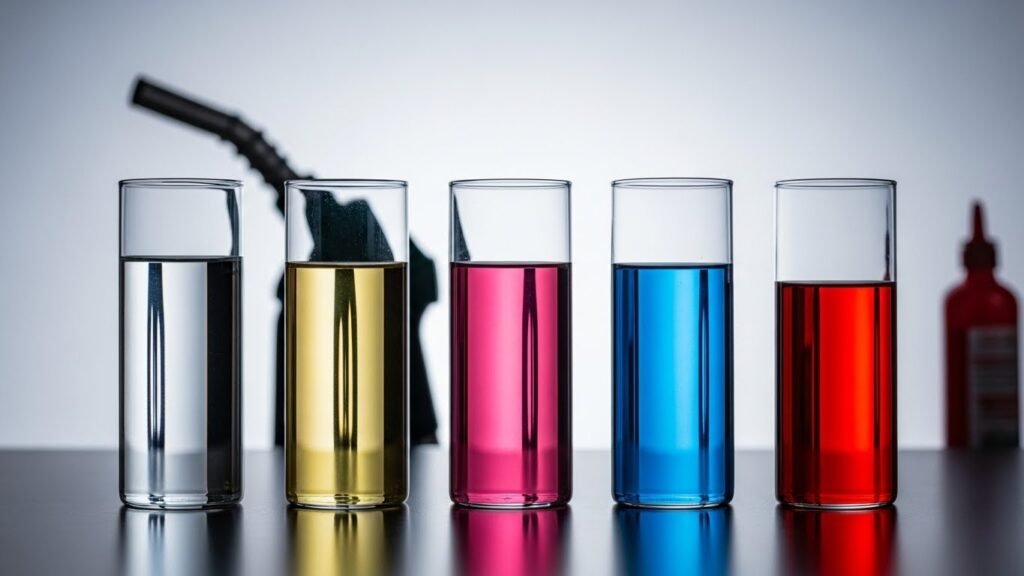
Ever stood at a fuel pump and wondered what colour is gasoline exactly? Most folks just pull the handle and hope for the best. Understanding that liquid gold can save your ride from a total breakdown. It is more than just a pretty shade in a tank. Knowing the look of fresh fuel helps you spot bad news early. This guide breaks down every shade you might see in the wild.
Introduction to Gasoline Appearance and Composition
Gasoline is a liquid product made from crude oil found deep underground. Scientists call it a petroleum-derived substance used in spark-ignition engines. It is a mix of different hydrocarbons like heptane and octane. When it first comes out of the ground, it is dark and thick. The refining process at the plant changes it into the fuel we know.
The final look of the fuel depends on how well it was cleaned. Refining removes all the gunk that makes oil look dark and heavy. What is left is a light liquid with a very strong smell. It is designed to burn fast and clean inside your car engine.
The Chemistry of Clarity: Why Pure Gasoline is Naturally Colorless
Pure gasoline is actually clear like water right after the refining process. The extraction steps remove molecules that would usually absorb visible light. Without these molecules, the liquid looks totally transparent to the human eye. This natural state is a sign of high-quality distillation and cleaning.
Scientists look at the carbon-chain length to judge the purity of the fuel. Clear fuel shows that the heavy oils have been fully separated out. If it looks like water, it is likely very fresh and pure. Most drivers never see this stage because of the things added later.
The Role of Refining in Determining Base Appearance
Refining is like a giant filter for the crude oil pulled from the earth. It boils the oil to separate different parts based on their weight. The lightest parts become the gasoline that goes into your local gas station. This process determines if the base fuel will be clear or slightly yellow.
- Distillation is the main step where the fuel gets its initial clarity.
- Hydrocarbons are the building blocks that remain after the heavy stuff is gone.
- Filtering helps remove small bits of dirt or leftover crude oil parts.
Overview of Why Colors Vary Across Regions
Different countries have different rules for what colour is gasoline in their pumps. Some places use dyes to show which fuel has the most power. Other spots use color to catch people trying to cheat on their taxes. The climate can also play a small role in how the fuel looks.
The Molecular Science: Why Gasoline Has No Natural Color
As we mentioned, the molecules in fresh gas do not trap any light. This makes the liquid look like it has no color at all. It is a sign that the energy density is high and ready to burn. Any color you see is almost always added by the people making it.
Absence of Light-Absorbing Molecules
When gasoline is refined, the heavy molecules that hold color are left behind. This leaves a mix of clear liquids that do not reflect light. This is why you can see right through a clean glass of gas. If it looks cloudy, it means light is hitting something that shouldn’t be there.
Carbon-chain Length and Impact on Clarity
Gasoline is made of short chains of carbon atoms ranging from four to twelve. These short chains stay liquid and clear at most normal temperatures. Longer chains make things look like thick, dark syrup or heavy grease. The shorter the chain, the more transparent and watery the fuel looks.
Crude Oil Source: Sweet vs. Sour Influence
The starting point for your gas matters a lot for the final look. Sweet crude oil has less sulfur and is much easier to clean up. Sour crude oil has more junk in it and needs more work. A better source usually leads to a clearer and brighter looking gasoline.
What Color Is Fresh Gasoline?
Fresh gas should always look bright and clean to the eye. It has a watery look that should never appear thick or slimy. If you pour it into a clear jar, it should be easy to see through. This look tells you the fuel is ready to power your engine.
The Clear and Bright Standard
The fuel industry uses the phrase clear and bright to describe good gas. Clear means you can see through it with no hazy or foggy spots. Bright means there are no tiny droplets of water floating in the liquid. This standard ensures the fuel will not clog up your car parts.
Understanding the Watery Nature of Healthy Gasoline
Healthy gasoline has a very low viscosity, meaning it flows just like water. It should not leave a sticky residue behind if it spills on metal. If it starts to feel like oil, it might be getting too old. The watery look is key for the fuel injectors to work right.
The Faint Yellow Tint: Normal vs. Abnormal
Sometimes fresh gas has a very light yellow tint that is totally fine. This can happen during the refining process or from basic cleaning detergents. A faint yellow is okay, but a dark yellow is a bad sign. It is all about how deep the color looks in the container.
- Faint yellow is usually a sign of standard additives working for you.
- Deep gold could mean the fuel has been sitting for many months.
- Bright yellow might be a specific dye used in European fuel markets.
Perception Under Natural vs. Artificial Light
Light can play tricks on your eyes when checking fuel color. Sunlight makes the fuel look its brightest and clearest for inspection. Artificial lights in a garage might make it look darker than it is. Always check your fuel in a well-lit area to be sure.
The Science of Fuel Dyes and Additives
Most gas you buy isn’t actually clear because of the stuff added. Companies add dyes and cleaners to help your engine stay healthy. These chemicals change the look but make the fuel perform much better. They also help the government keep track of how fuel is used.
Why Manufacturers Add Artificial Dyes
Dyes are the easiest way to tell different fuels apart at a glance. Without them, every fuel at the station would look exactly the same. This could lead to people putting the wrong stuff in their cars. Dyes act as a visual label that stays with the fuel everywhere.
Role of Detergents in Color Variations
Detergents are like soap for your car’s internal engine parts. They help wash away carbon deposits that can cause engine knocking. Some of these cleaning chemicals have a natural light tint to them. This is why premium fuel might look different than the cheaper stuff.
Regulatory Tracking and Fraud Prevention
The government uses fuel dyes to stop people from breaking tax laws. Some fuel is sold at a lower price for farmers and boats. This fuel gets a special dye so police can catch drivers using it. It is a simple way to make sure everyone pays their fair share.
Distinguishing Taxed vs. Untaxed Fuel
Taxed fuel used for normal driving is usually clear or pale yellow. Untaxed fuel used for off-road work is almost always dyed red. If a cop finds red fuel in your car tank, you could face big fines. The dye is very strong and stays in the tank for a long time.
Detailed Gasoline Color Chart and Meanings
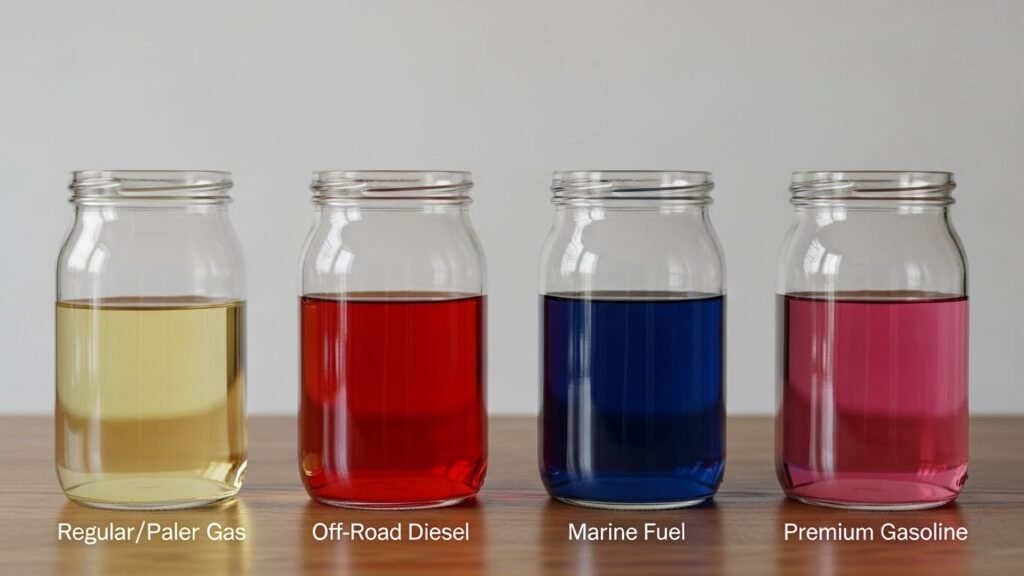
Knowing what each color means can save you from a major headache. Each shade tells a story about where the fuel belongs. Using the wrong color in the wrong engine can cause huge damage. Here is the breakdown of the most common colors you will see.
Red and Purple Fuel
Red is the most common color for fuel that isn’t meant for cars. It is used for heating oil and farm equipment like tractors. Purple is a similar shade often used for agricultural diesel in specific areas. Both colors mean the fuel is tax-exempt and not for the highway.
- Red fuel is for off-road devices like generators and heaters.
- Purple fuel is usually found on large farms for their machinery.
- Safety warning tells you to never put these in your daily driver.
Blue and Green Fuel
Blue fuel is often called marine gas and is used for boats. It has special properties to help it burn better in wet environments. Green fuel can be two different things depending on the context. It might be high-powered racing gas or an eco-friendly biofuel made from plants.
- Blue gas is highly controlled and used in North American marine sectors.
- Green gas can mean 100 octane fuel used in high-performance engines.
- Biofuels like green diesel are made from biomass rather than crude oil.
Yellow and Pink Variations
Yellow fuel is very common in Europe for heating and specific diesel types. It helps technicians identify the grade of oil in a home tank. Pink is the classic color for premium gasoline at many gas stations. It shows you are getting the highest octane rating for your vehicle.
Identifying Gasoline Grades by Color
Your car’s owner manual tells you which grade of gas you need. The color at the pump can help you verify you got the right one. Mixing them up usually won’t kill your car, but it won’t run as well. Most stations use a standard system for their three main choices.
Regular Unleaded Gasoline (87 Octane)
Regular gas is what most drivers use every single day at the pump. It usually looks clear or has a very light bluish-green tint. This grade is perfect for standard engines with normal compression ratios. It is the cheapest option and is found at every gas station.
Mid-Grade Gasoline (89 Octane)
Mid-grade fuel is a step up for cars that need a bit more power. It is often dyed yellow to show it is between regular and premium. This fuel helps stop pre-ignition or knocking in slightly older car engines. It offers a balance of price and protection for your vehicle.
Premium Gasoline (90-100+ Octane)
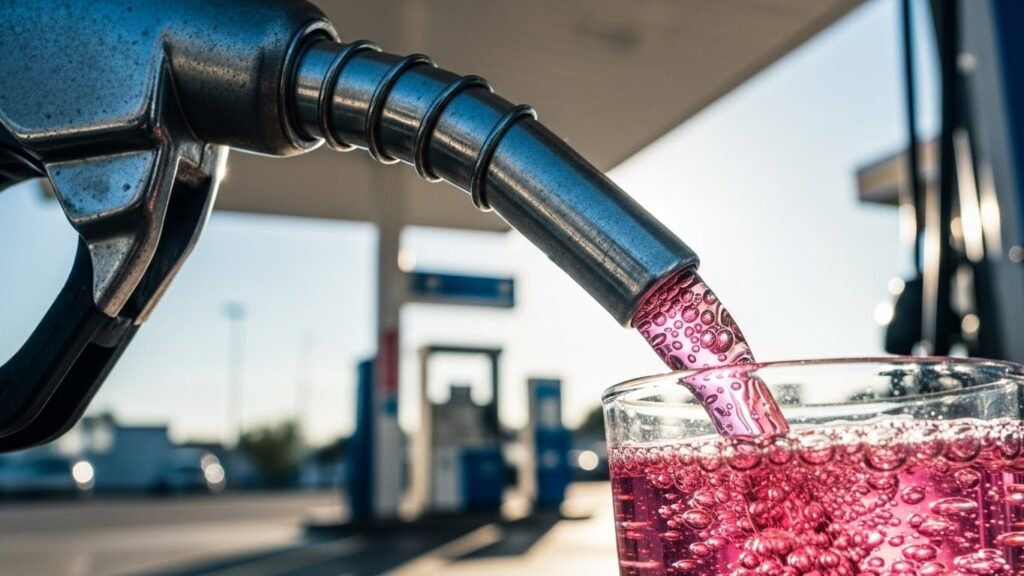
Premium gas is for fancy high-performance engines and those with turbochargers. It is often dyed pink to stand out as the top-shelf option. The higher octane rating helps the fuel withstand more pressure before it ignites. This protects the internal parts of the engine from getting damaged.
- Pink dye is a common marker for the 91 to 93 octane range.
- Enhanced additives in this fuel help keep your spark plugs very clean.
- Turbocharged cars usually require this grade to avoid serious engine knocking.
Why Octane Rating Doesn’t Always Change the Look
Even though dyes are common, some brands keep all their fuel clear. You cannot always trust your eyes to tell the difference in octane. The octane rating refers to the chemistry of the fuel, not the color. Always check the labels on the fuel pump before you start filling.
The Importance of Fuel Color for Vehicle Health
Checking your fuel color is like checking your own pulse for health. It is one of the easiest ways to know if something is wrong. You should always be on the lookout for changes in the liquid. Catching bad gas early can save you thousands in engine repair costs.
Why Regular Checks are a Vital Maintenance Task
Most people never look at their fuel until the car stops running. Regular checks help you spot moisture or dirt before it causes trouble. This is especially true if you have a car that sits for a while. A quick visual check can tell you if the fuel is still fresh.
Connection Between Fuel Health and Performance
Good fuel makes your car run smooth and keeps the idle steady. Discolored fuel can cause the engine to stumble or lose power. It also affects your fuel economy, making you spend more at the pump. Keeping the fuel clean and clear ensures the best vehicle performance.
Using Clarity as a Diagnostic Tool
Clarity is your best friend when looking at what colour is gasoline. If the fuel is hazy, it means there is water or dirt inside. Clear fuel shows that the filtration system is doing its job well. You can use a glass jar to see if any junk settles at the bottom.
- Transparent fuel means it is free of water and harmful sediments.
- Cloudy fuel suggests that moisture has contaminated the storage tank.
- Sediment at the bottom of the jar means the fuel is dirty.
How to Identify Bad or Contaminated Gasoline
Bad gas can sneak up on you if you aren’t paying close attention. It happens when the fuel reacts with the environment over time. There are a few clear signs that your gas has gone bad. Once it changes, it is no longer safe for your car engine.
Oxidation and Aging
Oxidation is the most common way that gasoline begins to break down. It happens when the fuel is exposed to oxygen in the air. This process changes the chemical makeup and the look of the gas. It goes from a clear liquid to a much darker and stickier one.
Why Gasoline Turns Yellow or Orange with Age

As gas gets old, the molecules start to break apart and clump. This causes the color to shift from pale yellow to a deep orange. It is a sign that the fuel’s energy density is dropping fast. If your gas looks like orange juice, do not put it in your car.
The 6-Month Rule for Stored Gasoline
Gasoline does not stay fresh forever like some people think it does. On average, gas only has a shelf life of about six months. After that, the evaporation of light parts makes it hard to ignite. Always use a stabilizer if you plan to store gas for longer than that.
Signs of Physical Contamination
Physical junk can get into gas during transport or from a dirty tank. This includes things like rust, dirt, or even tiny living bugs. These contaminants are easy to see if you look closely at the fuel. They will usually sink to the bottom of whatever container you use.
- Brown tones indicate that rust from an old metal can has dissolved.
- Muddy appearance means dirt or heavy sedimentation is present in the fuel.
- Cloudy look is almost always a sign of water moisture contamination.
The Scent Test for Degradation
Fresh gasoline has a very sharp and distinct smell that everyone knows. When gas goes bad, it starts to smell sour or like old varnish. If the smell changes, the chemistry has changed too. A weak or weird smell is a major warning that the fuel is dead.
Chemical Breakdown: Transition from Fuel to Varnish
When gas stays in a tank too long, it turns into a thick mess. This mess is called varnish and it is a nightmare for engines. It happens because the lightest parts of the gas evaporate away first. This leaves behind the heavy, sticky stuff that ruins your fuel lines.
Light Ends Evaporation and Darkening
Gasoline is made of different liquids that boil at different heat levels. The light ends are what make the car start easily in the morning. When these leave, the fuel gets darker and much harder to burn. This is why old gas makes your car struggle to fire up.
Ethanol-Blended Fuels and Phase Separation
Most gas today has ethanol mixed in, usually labeled as E10 or E15. Ethanol loves to grab moisture from the humid air around it. If too much water gets in, the ethanol and water sink to the bottom. This is called phase separation and it can destroy your fuel pump.
Micro-organisms and Fuel Bugs
It sounds crazy, but tiny bugs can actually live inside fuel tanks. They feed on the moisture and hydrocarbons in the gasoline or diesel. As they grow, they create a dark, slimy layer of biological waste. This slime can quickly clog your fuel filter and stop your car.
Risks of Using Discolored or Bad Gas
Using bad gas is a gamble that you will eventually lose. Even if the car runs, it is doing damage under the hood. The longer you use it, the worse the problems will become. It is always cheaper to drain the tank than to fix an engine.
- Gum deposits will start to form on the intake valves and injectors.
- Varnish will coat the inside of the carburetor or fuel rail.
- Clogged filters will starve the engine of the fuel it needs to run.
Mechanical Issues: Hard Starts and Poor Acceleration
The first sign of bad gas is usually a car that won’t start fast. You might have to crank the engine for a long time to get it to go. Once you are driving, the car might feel sluggish or slow to move. This happens because the fuel isn’t burning the way it should.
Potential for Permanent Engine Damage
In the worst cases, bad gas can cause the engine to seize up. It can lead to heavy carbon buildup on the pistons and valves. This can cause the engine to knock so hard that it breaks parts. Always stop driving if you suspect you have a tank of bad gas.
Gasoline Mixed with Oil (Two-Stroke Engines)
Small engines like those on chainsaws need oil mixed with their gas. This mixture is vital for keeping the internal parts lubricated. The oil completely changes what colour is gasoline once it is stirred in. It is the only time discolored gas is actually a good thing.
Identifying the Shades of Oil-Tempered Fuel
When you add two-stroke oil, the gas usually turns a blue or green shade. This helps you remember that it is a mix and not pure gas. Using pure gas in a two-stroke engine will ruin it in minutes. The darker and bolder the shade, the more oil is likely in there.
Applications for Motorcycles and Small Tools
- Motorcycles with older engines often rely on this specific fuel mix.
- Chainsaws and leaf blowers almost always need a gas and oil blend.
- Lawn mowers sometimes use it, but most modern ones take pure gas.
Safety Standards: Color-Coded Fuel Containers
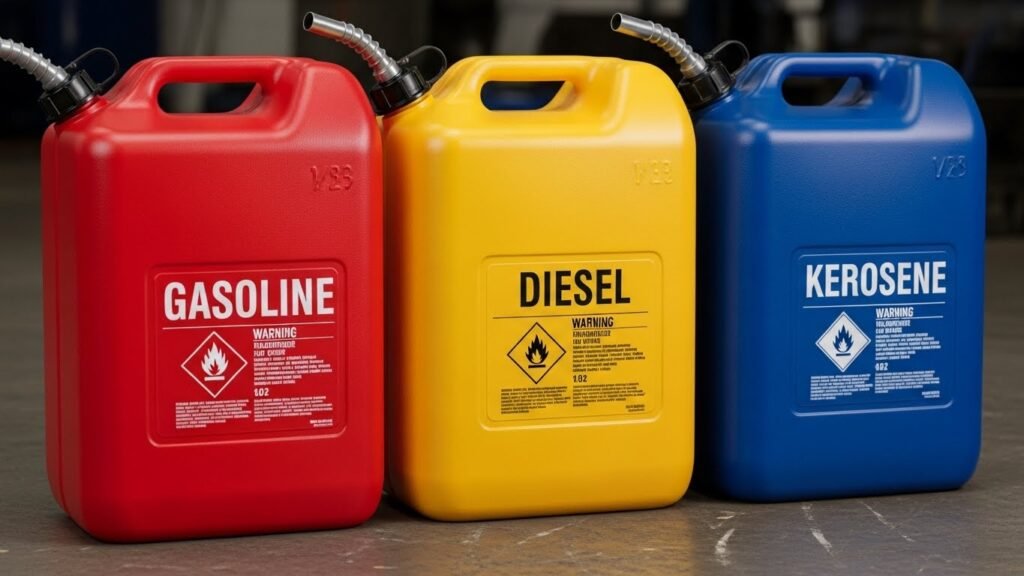
Using the right container is just as important as the fuel itself. There are laws that say which color you must use for each fuel. This stops people from accidentally putting gas in a diesel truck. It is a simple system that saves a lot of engines every year.
Red, Yellow, and Blue Cans
Red cans are the most famous and are used for gasoline only. Yellow cans are the global standard for holding diesel fuel. Blue cans are strictly for kerosene, which is used in space heaters. Never mix these up, as the fuels do not work the same way.
Green Cans and Bio-fuels
Green cans are less common but are often used for specialty oils. Some people use them to store bio-fuels like ethanol or green diesel. It is always a good idea to label these cans with a marker. This ensures no one gets confused when it is time to refuel.
Specialty and Global Fuel Colors
The world is a big place and fuel rules can change quickly. Some countries have unique ways of labeling their gasoline. Knowing these can help if you are traveling or working abroad. It shows how different governments prioritize fuel safety and taxes.
- Blue gas can refer to methane-heavy fuel used in lighting.
- Philippine standards use a very specific yellow and red system.
- HVO Green Diesel is a renewable fuel that looks very different from oil.
Advanced Testing: Beyond the Visual Check
Sometimes your eyes aren’t enough to be 100% sure about fuel quality. Professionals use special tools to check the liquid more deeply. These tests can find water or dirt that you might miss. They are essential for people who manage large amounts of fuel.
Using Water Finding Paste

Water finding paste is a cool trick used by tank owners everywhere. You put the paste on a stick and dip it into the fuel. If there is water at the bottom, the paste will change color. It is a cheap way to check for moisture without draining the tank.
Fuel Polishing Services
If a large tank of fuel gets dirty, you don’t have to throw it away. Fuel polishing is a service that cleans the gas through filters. It removes the water and sediment to make the fuel clear again. This saves companies a lot of money and prevents waste.
Environmental and Legal Impact of Fuel Dyes
Fuel dyes aren’t just for looks; they carry the weight of the law. The EPA and IRS take these colors very seriously in the USA. Breaking the rules can lead to massive fines or even jail time. It also helps protect the air we breathe from bad engine smoke.
- Off-road diesel is dyed red so it can’t be used on roads.
- Highway fuel is clear because it has all the taxes included in the price.
- Legal penalties can be thousands of dollars for a single tank violation.
Conclusion: Best Practices for Fuel Management
Understanding what colour is gasoline is a superpower for any car owner. Keep your eyes open every time you fill a container or a tank. Look for that clear, pale yellow glow that means the gas is fresh. Avoid anything that looks dark, cloudy, or has a weird sour smell.
Always use the right color-coded cans for your different fuel types. Store your gas in a cool, dark place to keep it fresh for longer. If you follow these simple steps, your car will stay happy and fast. Good luck on the road and keep your fuel clear and bright!
Frequently Asked Questions About Gasoline Color
Is gas blue?
Liquid gas can be dyed blue for marine or specific lighting uses. However, natural gas burns with a blue flame because of methane.
Does color determine the price of gasoline?
Not directly, but premium gas is often dyed pink and costs more. The price is based on the octane and additives, not the dye.
Why does gasoline smell so unique?
It is a mix of many volatile chemicals that turn to gas quickly. This scent is a warning that the liquid is very flammable.
Can you fix the color of bad gasoline?
Usually, once gas turns dark or orange, it is beyond simple repair. You should dispose of it safely and start with fresh fuel.
What color is aviation gasoline or Avgas?
Aviation gasoline, specifically the common 100LL grade, is dyed blue to distinguish it from other fuels. This prevents pilots from accidentally fueling a piston-engine aircraft with jet fuel, which is clear or straw-colored. Other grades like Avgas 80 were traditionally dyed red, but blue remains the global standard for light aircraft today.
Can the color of gasoline stain your driveway or garage floor?
Yes, because of the artificial dyes used by manufacturers, a spill can leave behind a reddish, pinkish, or yellowish stain on porous concrete. While the gasoline itself evaporates quickly, the chemical dyes remain trapped in the surface. Cleaning these stains usually requires a heavy-duty degreaser or a pressure washer.
Does the color of gasoline change when it freezes?
Gasoline does not have a single freezing point and typically stays liquid down to minus 100 degrees Fahrenheit. However, if there is water contamination, you will see white or clear ice crystals forming at the bottom of the container. These crystals are not the fuel freezing but rather the moisture separating and solidifying.
Is the color of racing fuel different from pump gas?
Racing fuels often use very bright, distinct colors like deep purple, bright orange, or neon green. These colors act as a brand signature and help race teams quickly verify they are using the correct high-octane blend. These dyes are much more concentrated than the ones found at a standard gas station.
Why does gasoline look like a rainbow on top of a puddle?
When gasoline spills on a wet surface, it creates a thin film only a few molecules thick. This film interferes with light waves, reflecting different colors of the spectrum back to your eyes. This effect is known as thin-film interference and does not represent the actual color of the fuel itself.
What color is leaded gasoline compared to unleaded?
In the past, leaded gasoline was often dyed distinct colors like red or orange to warn people of its toxic lead content. Since the phase-out of leaded fuel for road use, most clear and pale yellow fuels are strictly unleaded. Today, only specialized racing or aviation fuels might still contain lead and use specific dyes.
Does a darker color mean the gasoline has a higher energy density?
No, the darkness of gasoline is usually a sign of age or contamination rather than energy content. A pale yellow fuel and a pink-dyed premium fuel can have very similar energy densities. The color is purely an additive or a result of chemical breakdown, not a measure of the calories in the fuel.
How does sunlight affect the color of gasoline in a clear container?
If you leave a clear jar of gasoline in direct sunlight, the UV rays will accelerate the oxidation process. The fuel will turn from clear to dark yellow or brown much faster than it would in a dark shed. Sunlight also causes the artificial dyes to fade, making it harder to identify the grade.
What color is E85 ethanol fuel?
E85, which contains up to 85 percent ethanol, is usually clear or very pale. Because it has such a high alcohol content, it is more transparent than standard petroleum-based gasoline. However, it can sometimes have a slight tint depending on the regular gasoline it was blended with at the terminal.
Does fuel stabilizer change the color of the gas in your tank?
Most fuel stabilizers are dyed bright red or blue so you can see that they have been added to the fuel. When you mix a small bottle of stabilizer into a five-gallon can, it will give the gasoline a slight tint. This is a helpful visual reminder that the fuel is protected for long-term storage.
Why is some gasoline described as looking like straw?
The term straw-colored is a common industry descriptor for gasoline that has a very light, natural yellow hue. It refers to the color of dried hay or wheat. This is considered a normal and healthy color for many batches of gasoline that haven’t been heavily dyed.
Can you tell if gas has too much ethanol just by looking at the color?
You cannot tell the exact ethanol percentage by color alone, but you can see phase separation. If there is too much moisture and ethanol, a distinct clear layer will form at the bottom of the glass. The top layer will look like normal gas, while the bottom layer looks like cloudy water.
What color is the smoke if you burn discolored gasoline?
If you burn old, dark, or oxidized gasoline, your exhaust smoke will likely be dark gray or black. This is because the heavy, partially evaporated fuel does not burn completely, leading to soot and carbon buildup. Fresh, clear gasoline should produce nearly invisible exhaust in a healthy engine.
Does the color of gasoline vary between summer and winter blends?
The colors usually stay the same, but the chemical volatility changes. Summer blends are designed to resist evaporation in the heat, while winter blends evaporate easier to help with cold starts. While they look identical in the jar, their chemical “weight” and performance are different.
What color is gasoline when it is mixed with water?
Gasoline and water do not mix, so you will see two separate layers. The gasoline will float on top and keep its clear or tinted color. The water will sit at the bottom and usually look cloudy or milky if it has picked up any dirt or ethanol from the fuel.
Does the brand of gas station affect the color of the fuel?
Major brands like Shell, Chevron, or Exxon use different additive packages, which can cause slight variations in the shade of yellow. However, they all generally follow the same dye standards for regular and premium. The differences are usually too small to see without comparing them side-by-side in clear glass.
Why is diesel exhaust fluid (DEF) clear if diesel is colored?
DEF is not a fuel; it is a mixture of urea and deionized water used to clean exhaust gases. It is crystal clear and looks exactly like water. It is important never to confuse it with fuel, as putting DEF in a diesel tank will instantly ruin the entire engine.
Can a fuel filter change the color of the gasoline passing through it?
A clean filter should not change the color of the gas. However, if a filter is extremely dirty or clogged with rust, the fuel coming out the other side might look darker or contain visible specks. If the gas looks different before and after the filter, it is time for a replacement.
Is clear gasoline better for the environment than dyed gasoline?
The dye itself has no real impact on the environment or emissions. The environmental friendliness of the fuel depends on the sulfur content and the presence of renewable components like ethanol. Whether the gas is clear, pink, or yellow, it still produces similar tailpipe emissions.
What color is kerosene compared to gasoline?
Kerosene is naturally clear but is often dyed blue in the United States to distinguish it from gasoline and diesel. This is a safety measure because kerosene is used in home heaters that cannot safely burn gasoline. If you see a blue liquid in a blue can, it is almost certainly kerosene.