 Skip to content
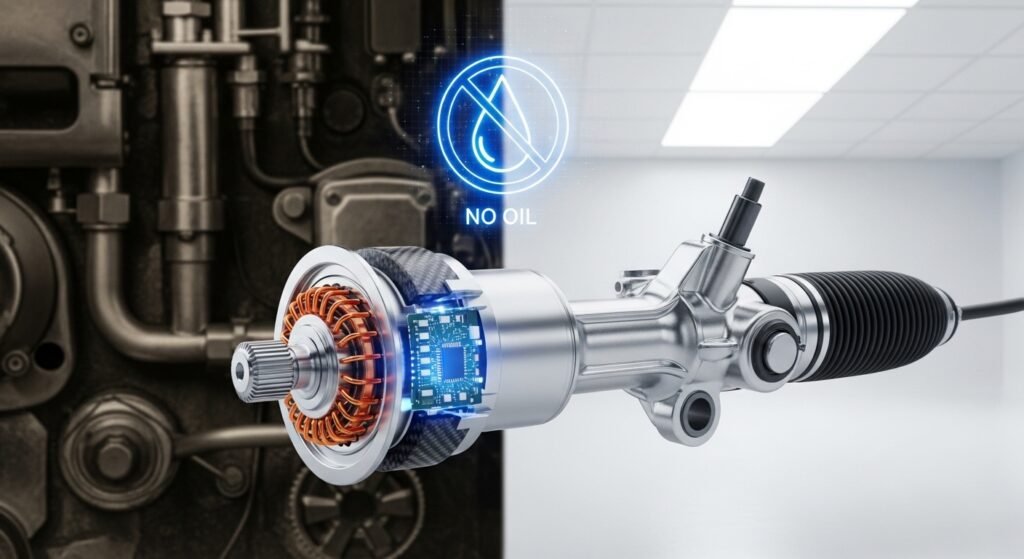
Many drivers grew up with loud steering pumps and messy oil leaks. Now, most new cars use a much cleaner system called Electric Power Steering or EPS. This modern tech has changed how we drive every single day. If you are wondering if electric power steering uses fluid, you are in the right place to find out. We will dive deep into how these systems work and why they are so popular now. You will learn everything from basic parts to how to keep your car running smooth.
Introduction to Modern Steering Technology
Steering a car used to be a real workout for your arms. Early cars had manual steering which meant you did all the heavy lifting yourself. Then came power steering to help drivers turn the wheels with much less effort. For a long time, this help came from hydraulic pressure and special oil. Today, the game has changed entirely with the rise of electric systems. Most manufacturers have swapped out the old oily parts for smart electric motors.
The Evolution from Manual to Power-Assisted Steering
Manual steering was the standard for the first few decades of cars. It required a lot of physical strength, especially when the car was moving slowly or parked. Engineers realized they needed a way to make driving easier for everyone. They created hydraulic power steering which used an engine-driven pump to move fluid. This fluid provided the “muscle” needed to turn the heavy front wheels easily. It was a great invention, but it came with its own set of messy problems.
The Shift from Hydraulic Power Steering to Electric Power Steering
Hydraulic systems were the kings of the road for a very long time. However, they were heavy and could leak oil all over your driveway. Car makers started looking for a way to save weight and improve gas mileage. This led to the creation of Electric Power Steering or EPS. EPS systems do away with the pump and the hoses completely. Instead, they use the car’s electrical system to help you steer the vehicle.
Why EPS is the New Standard for Modern Vehicles
Modern cars are all about efficiency and high-tech safety features. EPS fits perfectly into this new world because it is very lightweight. It also helps the car use less fuel because it does not put a constant load on the engine. Computer-controlled steering allows for cool features like lane-keeping assist and self-parking. You just cannot do those things easily with an old-school hydraulic setup. That is why almost every new car you buy today comes with an EPS system.
What is the Working Principle of Electric Power Steering Gear?
To understand if electric power steering uses fluid, you have to see how it works. The main idea is moving from fluid pressure to using pure electrical energy. It is a much simpler way to get the job done without the mess. The system waits for you to move the steering wheel before it does anything at all. This makes it very smart and saves a lot of power over time. It is like having a tiny computer and a strong motor helping you turn.
Moving From Fluid Pressure to Electrical Energy
In the old days, a pump was always pushing oil through lines to be ready to help. EPS changes that by using an electric motor to provide the torque. There is no liquid involved in making the wheels turn in an EPS setup. The motor simply spins when the computer tells it that you are turning the wheel. This direct use of electricity is much faster and cleaner than moving oil around. It also means there are fewer parts that can break or wear out.
How the System Interprets Driver Input
The system is constantly watching what you do with the steering wheel. When you start to turn, sensors feel the twist or torque you are applying. They send this info to a small computer that decides how much help you need. If you are going fast, it gives you less help so the car feels stable. If you are trying to park, it gives you lots of help so the wheel is light. This happens in a split second so you never even feel the computer working.
The Power-on-Demand Concept
One of the best things about EPS is that it only works when you need it. This is called the power-on-demand concept which is a huge upgrade. A hydraulic pump is always spinning as long as the engine is running. That wastes a lot of energy when you are just driving straight down the highway. An EPS motor stays off until you actually move the steering wheel. This saves battery power and helps your car get better gas mileage every single day.
The Main Components of the EPS System

An EPS system has several key parts that work together in perfect harmony. Each part has a specific job to make sure your steering feels natural and safe. If one part fails, the system might stop helping you, but you can still steer. It just becomes much harder to turn the wheel, similar to old manual steering. Understanding these parts helps you realize why the system does not need any oil. It is all about wires, magnets, and smart sensors working together.
- Electric Motor. This is the part that does the heavy lifting by providing torque to the steering rack.
- Electronic Control Unit. Also known as the ECU, this is the brain that manages the whole system.
- Steering Angle and Torque Sensors. These sensors tell the ECU how far and how hard you are turning.
- Mechanical Transmission Components. These are the metal gears that physically move the car wheels.
- Wiring Harness and Power Supply. These wires carry the electricity from the battery to the motor and ECU.
Does the Electric Power Steering Gear Need Steering Oil?

The big question many car owners have is does electric power steering use fluid in any way? The short and simple answer is a big no. Modern electric power steering gear is designed to be completely oil-free. You will not find a reservoir under the hood to check the fluid level. This is a huge relief for people who hate dealing with greasy leaks. It makes the engine bay much cleaner and easier to look at.
Explaining the Oil-Free Nature of EPS
Because EPS uses a motor to move the gears, it does not need a liquid medium. In hydraulic systems, the oil was the messenger that carried force from the pump to the wheels. In EPS, the electricity travels through wires to the motor to create that same force. There are no hoses to crack and no seals to fail and leak oil. This design is why the system is so much more reliable for the average driver. It is purely mechanical and electrical without any hydraulics involved.
Why Steering Fluid is a Term of the Past
For decades, “checking your fluids” always included the power steering reservoir. If you have a car with EPS, you can cross that off your maintenance list forever. You will never have to buy a bottle of power steering fluid again. This change has simplified car care for millions of people around the world. It also means less hazardous waste is created when cars are serviced or scrapped. The era of the oily steering system is slowly coming to a permanent end.
EPS vs. Electro-Hydraulic Power Steering
Some people get confused because of a middle-ground tech called EHPS. This stands for Electro-Hydraulic Power Steering which actually does use fluid. EHPS uses an electric motor to spin a hydraulic pump instead of using the engine. These systems still have a reservoir and hoses that can leak oil. However, true EPS systems are fully electric and have no hydraulic parts at all. If your car has a steering fluid cap, it is likely hydraulic or electro-hydraulic, not full EPS.
Benefits of the Oil-Free Design
Removing oil from the steering system brings a long list of great benefits. It is not just about avoiding mess; it changes how the whole car performs. Engineers love EPS because it gives them more freedom to design better vehicles. Drivers love it because it makes their lives easier and saves them money. The move to an oil-free design is one of the best upgrades in modern cars. Let’s look at why this design is such a winner for everyone.
- Simplified Maintenance. You never have to check fluid levels or worry about flushing the system.
- Zero Leakage Risks. No oil means no spots on your driveway and no fire hazards from leaking fluid.
- Weight Reduction. Removing the pump and hoses makes the car lighter and more agile.
- Space Optimization. Manufacturers can fit more tech into the engine bay because the steering parts are small.
Why Does Electric Power Steering Gear Not Need Oil?
It might seem strange that a car part doesn’t need oil to work well. But the secret lies in how the power is actually moved from point A to point B. In older cars, oil was used to push parts because liquids don’t compress easily. In an EPS car, we use the power of magnetism and electricity instead. This is much more direct and doesn’t require any messy liquid to work. It is a clean way to handle a very tough physical job.
Mechanical vs. Fluid Power
Hydraulic systems use a pump to put oil under very high pressure to move things. EPS uses an electric motor to turn a gear that pushes the steering rack directly. This mechanical connection is very strong and doesn’t need pressure from a liquid. Electricity is used to create a magnetic field in the motor which makes it spin. That spin is what helps you turn your car wheels without breaking a sweat. It is a much more modern way to think about power and movement.
Elimination of the Hydraulic Loop
A hydraulic system is like a big circle or a loop where oil travels around. It goes from the pump, through hoses, to the steering gear, and back again. EPS completely removes this entire loop of hoses and pipes. Without this loop, there is no chance for a seal to blow or a hose to pop. This makes the system much tougher and less likely to fail as the car gets older. It also makes the car quieter because there is no humming pump.
Internal Lubrication and Grease
Even though EPS doesn’t use “steering oil,” it still has moving metal parts inside. These gears need some protection so they don’t wear out from friction. Instead of oil, these systems usually use special grease that is sealed inside for life. This grease stays where it belongs and never needs to be changed or topped off. So, while the system is “oil-free” regarding hydraulics, it still uses high-tech grease internally. This keeps the gears moving smoothly for the entire life of your vehicle.
Hydraulic Power Steering vs. EPS: A Detailed Comparison

When you compare these two systems, the differences are very easy to see. One relies on old-school mechanical pressure, while the other uses digital signals. This choice affects everything from how the car feels to how much you pay at the pump. Many people prefer the feel of hydraulic steering, but EPS is winning on every other front. It is simply a more efficient tool for a modern world that cares about fuel. Let’s break down the main points of this big automotive debate.
| Feature | Hydraulic Power Steering (HPS) | Electric Power Steering (EPS) |
| Power Source | Engine-driven pump | Electric motor from battery |
| Fluid Required | Yes (Power steering fluid) | No (Completely oil-free) |
| Energy Use | Constant load on engine | Only when steering |
| Weight | Heavy components and hoses | Lightweight and compact |
| Maintenance | Regular fluid checks and flushes | Mostly maintenance-free |
Characteristics of Hydraulic Power Steering System
The old HPS system is a very mechanical beast that needs the engine to work. It uses a belt connected to the engine to spin a pump all the time. This pump creates pressure that is always ready to help you steer the car. Because it is always running, it puts a small but constant drain on the engine. This means your car has to work a little bit harder just to keep the pump spinning. It is a reliable system but definitely not the most efficient one.
- Engine Belt Dependency. The pump needs a belt to get power directly from the spinning engine.
- Continuous Operation. The pump never stops working as long as your car engine is on.
- Fluid Degradation. The steering oil gets dirty over time and must be changed to keep things working.
- Complex Plumbing. There are many hoses and connectors that can develop leaks as they get old.
Advantages of Electric Power Steering System
EPS is like the smart, younger brother of the old hydraulic steering system. It solves almost all the problems that made the old systems a headache for owners. It is smarter, cleaner, and much better for the environment in the long run. Because it is digital, it can change how it feels based on your driving. This makes the car much safer and more fun to drive in different situations. It is the backbone of almost all modern driver-assist technologies today.
- Fuel Efficiency. Removing the heavy pump helps your car save gas every time you drive.
- Precise Control. The computer can make the steering feel heavy at high speeds for better safety.
- Safety Feature Integration. EPS allows for features like Lane Keep Assist to steer the car back.
- Environmentally Friendly. No oil means less hazardous waste and no leaks into the ground.
Common Faults of the Electric Power Steering System

Even though EPS is great, it is not perfect and can still have problems. Because it is an electronic system, its failures look different than hydraulic ones. You won’t see a puddle of oil, but you might see a warning light on your dash. Understanding these faults can help you stay safe and know when to visit a mechanic. Most of the time, the car will tell you exactly what is wrong through its computer. Let’s look at what usually goes wrong with these high-tech steering setups.
Electrical and Electronic Failure Points
Since the system runs on electricity, wires and computers are the most common weak spots. If a wire gets pinched or a connector gets corroded, the steering might act up. Sometimes the electric motor itself can wear out after many years of heavy use. A weak car battery can also cause the steering to stop working correctly. If the ECU gets too hot or has a glitch, it might shut down the steering help. These are all digital problems that usually require a computer scan to fix.
Mechanical Wear and Tear in EPS
Even without oil, the metal gears inside the EPS unit can still wear down. Over many miles, the teeth on the gears might get loose or start to make noise. This can lead to a “clunking” sound when you turn the steering wheel quickly. Other parts like tie rods and bushings also wear out just like on any other car. These mechanical issues can make the steering feel sloppy or imprecise over time. Regular inspections are the best way to catch these issues before they become dangerous.
Maintenance Recommendations for EPS Systems
You might think that no oil means no maintenance, but that isn’t quite true. While you don’t have to change fluid, you still need to keep an eye on things. A little bit of care goes a long way in making your EPS system last forever. Most of the maintenance is just making sure the rest of the car is healthy. If you take care of your battery and tires, your steering will stay happy too. Here are some simple tips to keep your electric steering in top shape.
- Regular Electrical Inspections. Make sure your battery and alternator are strong enough to power the motor.
- Software Updates. Sometimes manufacturers release updates to make the steering feel even better or fix bugs.
- Sensor Calibration. If you get a wheel alignment, the steering sensors might need to be reset to zero.
- Physical Hardware Checks. Have a mechanic look at the boots and gears for any signs of physical damage.
Conclusion
The shift to electric power steering has made cars better in almost every single way. Now you know the answer to electric power steering use fluid is a clear no. This technology helps us save gas, reduce pollution, and enjoy a safer ride every day. While it has different failure points than old systems, it is generally much tougher. By keeping your car’s electrical system healthy, your EPS should last for a very long time. Enjoy the clean, oil-free future of driving and the peace of mind it brings.
Frequently Asked Questions
Does electric power steering use fluid in hybrid cars?
Hybrid cars almost always use a full electric power steering system. These cars want to save as much battery power as possible. Using a hydraulic pump would waste too much energy. Most hybrid owners will find they have no steering fluid to check.
Can I convert my old hydraulic steering to an electric system?
You can find aftermarket electric power steering kits for classic cars. Many gearheads do this to clean up the engine bay. It removes the bulky pump and messy lines from old engines. However, it requires a lot of wiring and mechanical work to fit right.
Is electric power steering safer than hydraulic steering?
Electric systems are generally safer because they can work with the car computer. They can help the car stay in its lane if you get distracted. If the engine stalls, a full EPS system still provides help as long as the battery is good. Hydraulic systems lose all assist the moment the engine stops turning.
Why does my steering wheel vibrate in an electric system?
Vibrations in an EPS system are usually not caused by the motor itself. It is often a sign of unbalanced tires or worn-out suspension parts. Since there is no fluid to dampen the feel, you might feel road bumps more clearly. You should have a mechanic check your wheel balance first.
Does cold weather affect how electric power steering works?
Extreme cold can make the grease inside the steering gear a bit thick. You might feel the steering is slightly heavier for the first few minutes of driving. Once the car warms up, the electric motor handles the movement easily. Unlike hydraulic fluid, there is no risk of the system “freezing” or blowing a hose.
How much does it cost to replace an electric steering motor?
Replacing an EPS motor or the whole rack can be quite expensive. It often costs more than fixing a simple leak in an older hydraulic car. This is because the parts are high-tech and include integrated computers. You usually have to replace the whole unit if the motor fails.
Can water damage my electric power steering system?
Most EPS units are sealed tight to keep out rain and road splash. However, driving through deep floods can cause water to enter the electrical connectors. This can cause the system to short out or throw a warning light. Always avoid high water to protect the sensitive electronics.
Why do some performance cars still use hydraulic steering?
Some sports car drivers prefer the “feel” of a hydraulic system. They say it provides better feedback from the tires to the driver’s hands. Early electric systems felt a bit like a video game and lacked that raw road feel. Modern EPS is getting much better at mimicking that classic hydraulic sensation.
Does electric power steering use fluid in heavy-duty trucks?
Most heavy-duty trucks still use hydraulic systems because they need massive power. Turning huge tires with a heavy load requires more force than a small electric motor can give. Some newer trucks use a mix of both to get the best of both worlds. As motors get stronger, we might see more electric trucks on the road.
Will a dead battery make my steering wheel lock up?
A dead battery won’t lock the steering wheel, but it will make it very hard to turn. The mechanical connection between the wheel and the tires is always there. You just won’t have the motor helping you do the work. It will feel like you are driving a very heavy truck from the 1940s.
How long does an electric power steering system usually last?
Most EPS systems are designed to last the entire life of the vehicle. They don’t have parts that wear out as fast as rubber hoses or plastic pumps. Most drivers will go 150,000 miles or more without ever touching the steering system. It is one of the most reliable parts of a modern car.
Does electric power steering use fluid in “Steer-by-Wire” cars?
Steer-by-wire is a new tech where there is no physical rod between the wheel and tires. These systems are 100% electric and use zero fluid. They rely entirely on sensors and motors to tell the wheels where to turn. This is the ultimate version of the oil-free steering dream.
Can a blown fuse cause my steering to fail?
Yes, a blown fuse can instantly cut power to the steering motor. If this happens, your steering will suddenly become very heavy while driving. It is a good idea to know where your steering fuse is located in the fuse box. A simple fuse swap can sometimes save you a trip to the mechanic.
Why is my electric steering making a whining noise?
A whirring or whining noise usually points to a failing electric motor. It could also mean the internal gears are running low on the factory grease. While it doesn’t use oil, the internal moving parts still need to be quiet. If the noise gets louder when you turn, it is time for an inspection.
Does EPS help with crosswinds on the highway?
Many modern EPS systems have a feature called “pull compensation.” If a strong wind is pushing your car to the side, the motor helps you stay straight. It applies a tiny bit of force so your arms don’t get tired from fighting the wind. This is a huge benefit that hydraulic systems just can’t offer.
Can I check the health of my EPS at home?
You can’t check the “level” of anything, but you can listen and feel. Turn the wheel from side to side while parked and listen for any strange clicks. Make sure your battery terminals are clean and tight, as a loose wire is bad for EPS. Most home checks are about keeping the electrical system healthy.
Does the alternator affect electric power steering?
The alternator is very important because the steering motor uses a lot of amps. If your alternator is weak, the car might dim the lights or turn off the steering assist. This is the car’s way of saving power for the engine to keep running. Always make sure your charging system is putting out the right voltage.
Why do some cars have different steering “modes”?
Since EPS is controlled by software, engineers can create different “modes.” Comfort mode makes the wheel very easy to turn for city driving. Sport mode makes it feel heavier and tighter for high-speed mountain roads. You are basically just changing the settings on the steering computer.
Is there a filter in the electric power steering system?
Since there is no fluid flowing through lines, there is no need for a filter. Hydraulic systems used filters to catch metal shavings that could ruin the pump. EPS stays clean because it is a sealed mechanical and electrical unit. This is another part you never have to worry about replacing.
Does electric power steering use fluid in Tesla vehicles?
Tesla and other major EV brands are 100% committed to electric steering. They do not use any steering fluid in any of their models. This fits their goal of making cars that are simple to maintain and very efficient. It also makes the cars much easier to build on an assembly line.