 Skip to content

Key Takeaways
- Charging a Tesla typically costs between $12 to $43, depending on the model and battery size.
- The national average cost of charging a Tesla at home ranges from 4¢ to 13¢ per mile.
- Public charging at Tesla Superchargers costs more than home charging, typically $15 to $45 per full charge.
- Charging a Tesla is significantly cheaper than driving a gas-powered car, with savings of around 63% per mile.
How Much Does It Cost to Charge a Tesla?
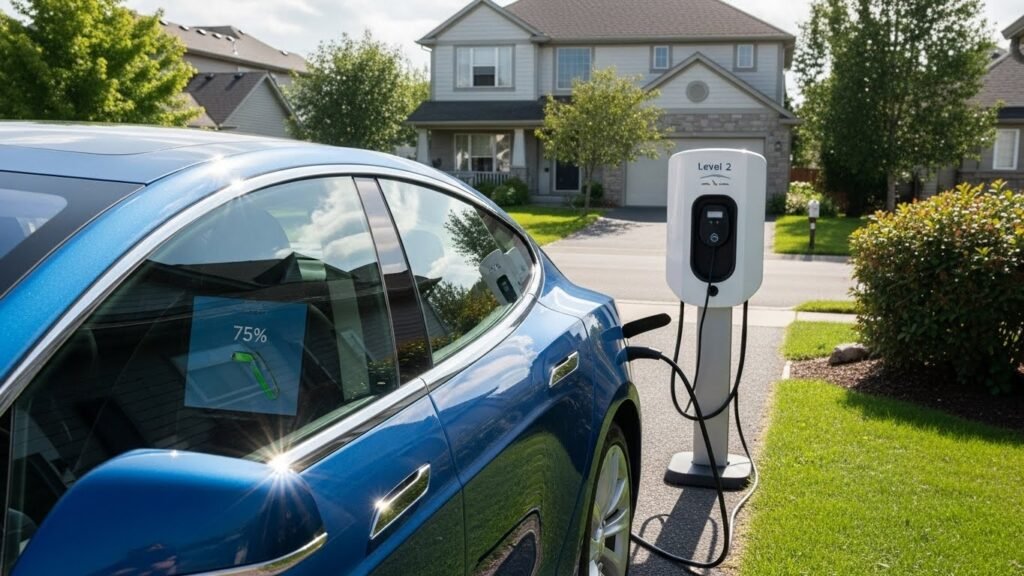
Charging a Tesla can vary widely depending on the model, battery capacity, and charging method used. In this section, we will break down the costs involved in charging a Tesla based on different factors.
Cost to Charge by Tesla Model
The cost of charging a Tesla differs between its various models. The battery capacity and energy efficiency of each model play a key role in determining how much it will cost to fully charge a vehicle. Here’s the breakdown:
Model 3
- Standard Range:
- Battery Capacity: 50 kWh
- Cost: $9.62
- Range: 272 miles
- Cost per Mile: 3.5¢
- Battery Capacity: 50 kWh
- Long Range:
- Battery Capacity: 75-82 kWh
- Cost: $12.00
- Range: 350 miles
- Cost per Mile: 4.5¢
- Battery Capacity: 75-82 kWh
- Performance:
- Battery Capacity: 75-82 kWh
- Cost: $12.00
- Range: 320 miles
- Cost per Mile: 5.5¢
- Battery Capacity: 75-82 kWh
Model S
- Long Range:
- Battery Capacity: 100 kWh
- Cost: $16.00
- Range: 370 miles
- Cost per Mile: 4.3¢
- Battery Capacity: 100 kWh
- Plaid:
- Battery Capacity: 100 kWh
- Cost: $16.00
- Range: 310 miles
- Cost per Mile: 5.2¢
- Battery Capacity: 100 kWh
Model Y
- Long Range AWD:
- Battery Capacity: 70-75 kWh
- Cost: $13.00
- Range: 330 miles
- Cost per Mile: 4¢
- Battery Capacity: 70-75 kWh
- Performance:
- Battery Capacity: 75 kWh
- Cost: $13.58
- Range: 290 miles
- Cost per Mile: 4.7¢
- Battery Capacity: 75 kWh
Model X
- Long Range:
- Battery Capacity: 100 kWh
- Cost: $16.50
- Range: 350 miles
- Cost per Mile: 4.7¢
- Battery Capacity: 100 kWh
- Plaid:
- Battery Capacity: 100 kWh
- Cost: $16.50
- Range: 305 miles
- Cost per Mile: 5.4¢
- Battery Capacity: 100 kWh
Cybertruck
- Long Range:
- Battery Capacity: 120 kWh
- Cost: $24.84
- Range: 335 miles
- Cost per Mile: 7.4¢
- Battery Capacity: 120 kWh
- Tri‑Motor:
- Battery Capacity: 200 kWh
- Cost: $43.24
- Range: 325 miles
- Cost per Mile: 13.3¢
- Battery Capacity: 200 kWh
Tesla Battery Consumption and Cost

Tesla vehicles use batteries ranging from 50 kWh to 200 kWh, with larger models like the Model S and Cybertruck offering higher capacities. These batteries not only power the vehicle but also influence the range and cost to charge.
Battery Capacity and Range
Larger battery capacities generally translate into longer driving ranges, allowing Tesla owners to travel further on a single charge. For instance, the Model S Long Range, with a 100 kWh battery, can travel up to 370 miles, while the Model 3 Standard Range with a 50 kWh battery offers 272 miles. The battery size determines how much energy is needed to charge the vehicle and directly affects the overall cost.
Energy Efficiency (kWh per Mile)
Tesla models differ in their energy efficiency, which is often measured in kWh per 100 miles:
- Tesla Model 3: The most energy-efficient Tesla, using around 34–50 kWh per 100 miles. This translates into a lower cost per mile.
- Tesla Model S and Model X: These models typically consume 70–100 kWh per 100 miles, making them less efficient and resulting in a higher cost per mile for charging.
- Tesla Cybertruck: With its larger battery pack, it uses up to 200 kWh per 100 miles, leading to higher charging costs.
Factors that Affect Charging Efficiency / Electricity Usage
Several factors influence how efficiently a Tesla charges and the amount of electricity required.
Weather Conditions
Cold weather can reduce the efficiency of Tesla batteries. In winter, batteries need to work harder to maintain performance, which increases energy usage. Drivers may notice a decrease in range and an increase in charging times during colder months.
Battery Discharge/Charge Efficiency
Tesla’s battery packs are not 100% efficient. Due to conversion losses during charging, the actual amount of energy needed to fully charge a Tesla exceeds the battery’s nominal capacity. On average, about 10-15% more energy is drawn from the grid than what is actually stored in the battery.
Charging at Different Stations
- Home Charging: Home charging is typically the most efficient method, with a cost of about 4¢ to 5¢ per mile. It’s slower but more cost-effective.
- Superchargers: Tesla Superchargers, while faster, charge at a higher rate of up to 13¢ per mile.
- Level-2 Chargers and Destination Chargers: These offer a cheaper alternative to Superchargers, with costs ranging from $0.20 to $0.40 per kWh depending on location.
How Much Does Public Tesla Charging Cost?
While charging at home is generally the most cost-effective option, many Tesla owners also rely on public charging networks when on the go. In this section, we will explore the costs associated with public Tesla charging, specifically focusing on Tesla’s Superchargers and other public charging options.
Tesla Supercharger Costs
Tesla’s Supercharger network is one of the most widely used and fast-charging solutions for Tesla owners. These fast chargers enable quick recharges while traveling long distances, but they come at a higher price compared to home charging.
- Cost per kWh: Superchargers typically charge $0.25 to $0.50 per kWh, depending on the location and time of day.
- Cost per Full Charge: Depending on the Tesla model and charging rates at the station, the cost for a full charge can range from $15 to $45.
While Superchargers are more expensive than home charging, they provide the benefit of rapid charging, which is crucial when traveling long distances.
Factors That Affect Supercharger Costs
Several factors influence how much it costs to use a Supercharger:
- Location: Charging rates can vary significantly depending on the region. For example, Superchargers in major metropolitan areas may charge more than those in rural locations.
- Time of Day: Tesla sometimes uses dynamic pricing based on demand. Charging during peak hours may cost more than during off-peak hours.
- Model: The amount of energy required to charge different Tesla models varies, with larger batteries like those in the Model S and Cybertruck requiring more electricity and thus costing more to charge.
Additional Considerations
Superchargers are great for quick, high-speed charging but may not always be the most economical option. If you have access to other charging stations, you might be able to save on charging costs by avoiding the Supercharger network.
Other Public Charging Options
Tesla also provides alternative public charging options, which are generally more affordable than Superchargers.
Destination Chargers
Destination chargers are Level-2 chargers located at hotels, restaurants, shopping centers, and other public places. These chargers are often free for Tesla owners, though some locations may charge for the electricity used.
- Cost per kWh: Destination chargers usually cost between $0.20 to $0.40 per kWh, depending on the location.
- Availability: Destination chargers are more common in urban areas, but they can be found at popular travel destinations like resorts and shopping malls.
While not as fast as Superchargers, Destination chargers offer a great option for charging overnight or while you’re spending time at a specific location.
Other Public Charging Networks
Tesla vehicles can also use third-party charging networks like ChargePoint, EVgo, and Blink. These networks offer a variety of charging speeds and costs. Tesla owners can use an adapter to connect to these non-Tesla chargers.
- Cost per kWh: Charging on third-party networks can vary. Prices typically range from $0.25 to $0.60 per kWh depending on the charging station and location.
- Charging Speed: Third-party chargers are generally slower than Superchargers, with many offering Level-2 charging speeds. Fast-charging options are available but are less common.
Cost Comparison: Tesla vs. Gas Cars
One of the biggest advantages of owning a Tesla is the cost savings compared to driving a traditional gas-powered car. Let’s break down the driving costs for each option:
Driving Costs: Tesla vs. Gas-Powered Cars
- Tesla: On average, it costs around 6¢ per mile to charge a Tesla at home.
- Gas-Powered Vehicles: Gas cars typically cost about 16¢ per mile to operate, factoring in fuel consumption.
Tesla charging is about 63% cheaper per mile than gas cars, making it a more cost-effective option for daily driving.
Annual Driving Comparison
If you drive approximately 12,000 miles per year, you would save over $1,200 annually by driving a Tesla instead of a gas-powered car.
This cost comparison highlights the financial advantages of switching to an electric vehicle, not just in terms of fuel costs but also in long-term savings over the lifespan of the vehicle.
Long-Term Savings with Solar Charging

One of the most significant ways to reduce Tesla charging costs is by pairing your vehicle with a solar power system. Solar panels can provide free electricity for your Tesla, significantly lowering your overall cost of ownership. In the long run, charging your Tesla with solar energy can result in a nearly zero-cost charging option.
How Solar Charging Works
By installing a solar system on your roof, you can generate electricity to charge your Tesla. Once the solar system is paid off, you’ll essentially be able to charge your Tesla for free, which dramatically reduces your overall energy costs.
Key Benefits of Solar Charging
- Lower Electricity Bills: Solar power reduces your dependence on grid electricity, which means you can avoid fluctuating energy prices.
- Environmental Impact: Solar charging is an environmentally friendly option, as it relies on renewable energy sources.
- Increased Property Value: Installing solar panels can increase the value of your property, making it a wise investment.
Solar energy is one of the most effective ways to make Tesla ownership even more affordable while reducing your carbon footprint.
Tesla’s Charging Impact on Battery Life
While charging is an essential aspect of owning a Tesla, it’s important to consider how it affects the health of the vehicle’s battery. Frequent use of fast chargers, like Superchargers, can impact the longevity of the battery.
Supercharger Use and Battery Health
Frequent charging with Superchargers can accelerate battery degradation. Fast charging generates more heat, which can reduce the overall lifespan of the battery. Tesla recommends using home charging as the primary method of recharging your vehicle to help preserve the health of the battery.
Best Practices for Maintaining Battery Health
- Use Superchargers Sparingly: Only use Superchargers when necessary, such as during long trips.
- Home Charging: Charge your Tesla primarily at home using a Level-2 charger to maintain battery health.
- Avoid Full Depletion: It’s generally better for the battery to avoid charging it from 0% to 100% frequently. Keep the battery charge level between 20% and 80% to extend its lifespan.
Tesla Battery Consumption and Cost
As we’ve discussed earlier, Tesla vehicles are equipped with batteries that range in size from 50 kWh to 200 kWh, depending on the model. These battery sizes significantly impact both the cost to charge and the vehicle’s range. Let’s dive deeper into how Tesla battery consumption works and the factors that influence its cost.
Battery Capacity and Range
Battery capacity plays a crucial role in determining how far your Tesla can travel on a single charge. Larger batteries provide longer ranges, but they also tend to increase the cost to charge. The different Tesla models come with varying battery capacities, and this affects the overall driving experience, from the number of miles per charge to the frequency of charging.
- Model 3 Standard Range: This model has a 50 kWh battery, which provides a range of about 272 miles per full charge.
- Model S Long Range: With a 100 kWh battery, the Model S can achieve a range of 370 miles, making it one of the longest-range Teslas available.
- Cybertruck Long Range: The 120 kWh battery allows the Cybertruck to travel up to 335 miles, while the Tri‑Motor version with a 200 kWh battery can go about 325 miles.
Energy Efficiency: kWh per Mile
Tesla’s energy efficiency is one of the key factors that influence how much electricity is used per mile. The more energy-efficient the vehicle, the less it costs to charge. Here’s a look at the energy consumption of different Tesla models:
- Model 3: This is Tesla’s most energy-efficient vehicle. It uses about 34–50 kWh per 100 miles, which makes it cheaper to operate compared to other models.
- Model S and Model X: These models consume around 70-100 kWh per 100 miles, making them less efficient and more expensive to operate.
- Cybertruck: With its larger battery pack, the Cybertruck consumes up to 200 kWh per 100 miles, which results in a higher per-mile cost.
This variance in energy consumption means that the cost to drive 100 miles can differ significantly depending on the model you choose.
Factors That Affect Battery Consumption
While the battery size and efficiency play the largest roles in determining Tesla’s energy consumption, other factors also influence how much energy is required to charge the vehicle. These include:
Weather Conditions
Tesla vehicles perform best in moderate temperatures, but cold weather can significantly impact battery efficiency. During winter, the vehicle’s battery has to work harder to maintain the same performance, leading to increased energy consumption. When temperatures drop, battery performance can decrease, resulting in fewer miles per charge.
- Cold Weather: In colder temperatures, Tesla batteries require more energy to heat the cabin and maintain battery performance. This increases the amount of energy drawn from the grid for each charge.
Driving Habits
Your driving style can also impact the energy consumption of your Tesla. Aggressive driving, such as rapid acceleration or high speeds, can drain the battery faster than more conservative driving.
- Heavy Acceleration: The faster you accelerate, the more energy is used. Driving gently and smoothly helps conserve battery life.
- Constant High Speeds: Driving at high speeds consumes more energy, especially on highways. Slowing down can help increase your driving range.
Terrain and Elevation
Driving on hilly or mountainous terrain can also increase energy consumption. Climbing steep hills requires more energy, reducing the range of your Tesla.
- Elevation Changes: When driving uphill, your Tesla needs to work harder, using more battery power. On the other hand, driving downhill can help regenerate energy through Tesla’s regenerative braking system.
Charging Time and Efficiency

The time it takes to fully charge your Tesla depends on several factors, including the battery size, the type of charger being used, and the state of charge when you begin.
- Level 1 Charging: This is the slowest charging method, typically using a standard 120‑volt outlet. Charging from empty to full with Level 1 charging can take 30 to 40 hours.
- Level 2 Charging: Using a 220‑volt outlet, this method is much faster, typically taking 6 to 12 hours for a full charge.
- Supercharging: The fastest method, Superchargers can charge your Tesla to 80% in about 30 minutes, though they come with higher costs.
Charging Efficiency
Tesla vehicles are designed to maximize charging efficiency, but certain factors can still lead to energy losses:
- Conversion Losses: When charging, Tesla batteries experience conversion losses due to the process of converting AC to DC power. This typically results in about 10-15% more energy being drawn from the grid than is actually stored in the battery.
Tesla Charging Costs vs Gas Cars
When considering whether to make the switch to a Tesla, one of the most important factors is the long-term cost savings. A major appeal of electric vehicles like Tesla is the substantial reduction in operating costs, especially compared to gas-powered vehicles.
Cost Comparison: Tesla vs. Gas Cars
- Tesla: It costs, on average, about 6¢ per mile to charge a Tesla at home.
- Gas-Powered Vehicles: On average, gas cars cost about 16¢ per mile to operate, which includes fuel consumption.
This means that driving a Tesla is approximately 63% cheaper per mile than driving a gas-powered vehicle. For anyone looking to reduce their long-term driving costs, switching to a Tesla can result in significant savings.
Annual Savings with a Tesla
The savings become even more apparent when we consider the annual driving comparison. If you drive about 12,000 miles per year, you could save over $1,200 annually by driving a Tesla rather than a gas-powered car.
This is just one of the many financial benefits of owning a Tesla, with the savings on fuel alone making it an attractive option for many consumers.
Additional Considerations for Tesla Owners
While the cost of charging a Tesla is much lower than that of operating a gas car, there are other considerations that can impact your overall cost of ownership. These include:
Solar Charging
By pairing your Tesla with a solar energy system, you can further reduce your charging costs. Once the solar system is installed and paid off, you can essentially charge your Tesla for free, dramatically reducing your total cost of ownership.
Battery Maintenance
Tesla batteries are designed to last for many years, but they do degrade over time. However, by following best charging practices, such as avoiding frequent Supercharger use and charging to a maximum of 80%, you can help extend the life of your battery and ensure you get the most out of your investment.
Long-Term Savings with Solar Charging
One of the most significant advantages of owning a Tesla is the ability to integrate solar power for charging, making it an eco-friendly and cost-effective option in the long run. In this section, we’ll explore how pairing a solar system with your Tesla can lead to substantial savings and further reduce your carbon footprint.
How Solar Charging Works
Solar charging involves pairing your Tesla with a solar power system, which generates electricity from the sun’s energy. By installing solar panels on your roof, you can harness renewable energy to charge your Tesla, significantly lowering your electricity costs. The initial investment for a solar power system might be high, but the long-term savings make it worthwhile.
Key Benefits of Solar Charging
- Cost Reduction: Once your solar system is paid off, you can charge your Tesla without paying for electricity, leading to free charging. This significantly reduces your monthly energy expenses and lowers your overall cost of ownership.
- Sustainability: Solar charging is an environmentally friendly option that reduces your carbon footprint. By using solar energy, you are contributing to a cleaner, greener future.
- Energy Independence: Solar power allows you to become less reliant on grid electricity, which is subject to fluctuating prices and availability. With a solar system, you can generate your own power, reducing your exposure to energy price hikes.
- Increased Property Value: Installing solar panels can increase the value of your home. Homebuyers are often attracted to properties with solar systems, making it a smart investment for the future.
Cost of Solar Charging vs. Traditional Charging
Let’s break down how much you can save when switching to solar charging:
- Traditional Charging: Charging your Tesla at home with grid electricity costs around 6¢ per mile.
- Solar Charging: With solar power, the cost of charging your Tesla can be reduced to near zero once the solar system is paid off. The only ongoing cost is maintenance, which is generally low.
Over time, solar charging can save you hundreds or even thousands of dollars, depending on your driving habits and how much sunlight your area receives.
Return on Investment (ROI)
The payback period for a solar system can vary depending on the cost of installation and local solar incentives. However, the typical payback period is 5 to 10 years. After that, you essentially get free electricity for your Tesla, which leads to significant long-term savings.
Tesla’s Charging Impact on Battery Life
While using a Tesla’s Superchargers offers convenience and speed, frequent fast-charging can take a toll on the health of your car’s battery. In this section, we’ll discuss how charging impacts battery longevity and what you can do to preserve the battery’s lifespan.
Supercharger Use and Battery Health
Superchargers are designed for fast-charging, which is especially useful on long trips. However, frequent use of Superchargers can generate more heat, leading to faster battery degradation over time. Tesla’s lithium-ion batteries are sensitive to heat, and prolonged exposure to high temperatures can shorten their lifespan.
Best Charging Practices for Battery Longevity
- Home Charging: It’s generally recommended to use Level-2 home charging as the primary method of charging. Home charging is slower but gentler on the battery, helping to extend its lifespan.
- Avoid Full Depletion: Try to keep your battery charge between 20% to 80% instead of frequently charging it to 100% or letting it deplete to 0%. This practice helps preserve battery health.
- Use Superchargers Sparingly: Only use Superchargers when necessary, such as during long road trips. For everyday charging, stick to Level-2 chargers.
Battery Degradation Over Time
It’s important to note that all batteries degrade over time. However, Tesla’s batteries are designed to last for many years and can handle a significant amount of use before their capacity begins to decrease noticeably. Many Tesla owners report that after 100,000 miles of use, their batteries still retain around 80-90% of their original capacity.
While it’s natural for battery performance to decline slowly over time, following proper charging habits can help you get the most out of your Tesla’s battery.
Tesla Charging Cost at Full Depletion
While it’s uncommon to fully deplete a Tesla’s battery in everyday usage, understanding the cost of charging from zero to full can help you plan for emergencies and long trips. When charging from empty, Tesla owners should consider the energy draw required to charge the car completely, as it’s typically higher than the battery’s nominal capacity.
Energy Draw for Full Charge
When charging a Tesla from zero to 100%, the energy required is the full capacity of the battery, plus an additional 10-15% to account for charging inefficiencies. This means that if you have a 75 kWh battery, you might draw up to 85 kWh from the grid to fully charge the vehicle.
Cost of Charging from Empty
If you’re charging your Tesla from empty to full using grid electricity, the cost can be calculated based on the local electricity rate. For example, if the local rate is $0.12 per kWh:
- Cost to charge a 75 kWh battery:
- 75 kWh x $0.12 = $9.00
- However, due to charging inefficiencies, you may actually draw up to 85 kWh, which would cost $10.20 at the same rate.
- 75 kWh x $0.12 = $9.00
This gives you an idea of how much it will cost to fully charge your Tesla from empty, though in regular use, you will likely only need to charge from 20% to 80%, which reduces the overall energy draw and cost.
Conclusion: The Cost-Effectiveness of Tesla Charging
Owning a Tesla is a great way to save money on driving costs, and the long-term savings can be substantial. By switching from a gas-powered vehicle to a Tesla, you can save up to 63% per mile on driving costs. Additionally, using solar energy for charging can eliminate the cost of electricity, further reducing your overall cost of ownership.
While the upfront cost of a Tesla and a solar power system may seem high, the savings on fuel, maintenance, and charging costs over time make it an incredibly cost-effective option for environmentally-conscious consumers.
Tesla’s innovative battery technology, combined with its efficient charging system, ensures that you’re not only saving money but also contributing to a cleaner, greener future. Whether you choose home charging, Superchargers, or solar charging, there’s a Tesla solution for everyone that can fit your needs and budget.
Frequently Asked Questions (FAQs)
How Much Does It Cost to Charge a Tesla?
Charging a Tesla can cost anywhere from $12 to $43 depending on the model and battery size. The national average cost of charging at home is about 4¢ to 13¢ per mile, while public charging at Superchargers can cost between $15 to $45 per full charge.
How Long Does It Take to Charge a Tesla?
Charging time for a Tesla depends on the type of charger used:
- Level 1 Charging (120‑volt outlet): 30 to 40 hours for a full charge.
- Level 2 Charging (220‑volt outlet): 6 to 12 hours for a full charge.
- Superchargers: About 30 minutes to charge up to 80%.
How Many kWh Does It Take to Charge a Tesla?
The energy consumption depends on the model and battery capacity:
- Model 3: 50–82 kWh, depending on the variant.
- Model S and Model X: 70–100 kWh.
- Cybertruck: 120–200 kWh.
Tesla’s most energy-efficient model, the Model 3, uses around 34–50 kWh per 100 miles.
Does Cold Weather Affect Tesla Charging?
Yes, cold weather can reduce battery efficiency and range. In colder temperatures, batteries have to work harder, which increases the energy required to charge. You may notice a decrease in the range and increased charging times during winter.
Is It Cheaper to Charge a Tesla at Home or at a Supercharger?
Charging at home is cheaper than using a Supercharger. Home charging typically costs around 4¢ to 5¢ per mile, whereas Superchargers cost up to 13¢ per mile. However, Superchargers are faster and ideal for long-distance travel.
Can I Use a Non-Tesla Charging Station?
Yes, Tesla vehicles can be charged at third-party stations using an adapter. Popular networks like ChargePoint, EVgo, and Blink offer charging options. The cost per kWh at these stations varies, typically ranging from $0.25 to $0.60 per kWh.
What Is the Cost of Charging a Tesla with Solar Power?
If you have a solar panel system, you can significantly reduce your charging costs. After the initial investment in the solar system, you can essentially charge your Tesla for free. This will save you on electricity bills and reduce your overall cost of ownership.
How Much Does Tesla Charging Affect Battery Life?
Frequent use of Superchargers can impact the longevity of your Tesla’s battery. Supercharging generates more heat, which can lead to faster battery degradation. It’s recommended to use Level-2 home chargers to preserve battery health.
How Can I Maximize My Tesla’s Range?
To maximize the range of your Tesla:
- Avoid fast charging with Superchargers unless necessary.
- Keep your battery charge level between 20% and 80%.
- Drive smoothly without heavy acceleration.
- Keep your car in a moderate temperature environment, as extreme cold or heat can reduce range.
How Does Tesla Compare to Gas Cars in Terms of Charging Costs?
On average, it costs about 6¢ per mile to charge a Tesla at home, while gas cars cost about 16¢ per mile to operate. This makes Tesla approximately 63% cheaper to drive compared to gas-powered vehicles.
Can I Charge My Tesla at Any Public Charging Station?
Tesla vehicles can charge at Level 2 and DC fast charging stations with the appropriate adapters. Tesla owners can access Tesla’s own Supercharger network, and Destination chargers are also available at select locations like hotels and shopping centers.