Skip to content

Investing in a set of snow tires is a smart move for your safety. These tires can cost over $200 for just one tire. That makes a full set a pretty big investment for most drivers. You probably want to know how long winter tires can last before you spend that cash. This guide will break down everything you need to know about tire life. We will look at how to save money and keep your car on the road.
Understanding the Lifespan of Winter Tires
Most winter tires are built to be very tough. You only use them for a few months out of the whole year. This means you should not have to buy new ones every single year. Knowing the average life helps you plan your budget better. It also ensures you are never caught with bald tires in a blizzard.
The Average Life Expectancy
- Typical Season Range: Most winter tires will last you between four to six seasons of use.
- Standard Mileage: Most drivers get about 30,000 to 40,000 total miles out of a set.
- Soft Rubber Compounds: The rubber is softer than all-season tires so it wears out a bit faster.
- Safe Performance: Tires usually lose their best ice-gripping skills after about five years of use.
The Nine-Season Potential
Some drivers can make their tires last for up to nine seasons. This usually happens if you do not drive many miles in the winter. It also requires that you take perfect care of the rubber. High-quality brands tend to last longer than the cheap ones. Keeping them out of the sun during the summer is a huge help.
Mileage Expectations
Americans drive about 13,476 miles every year on average. Since winter tires are only on for four or five months, you use them less. You might only put 4,492 miles on them during one winter season. If your tires have a 40,000-mile warranty, they can last a long time. This low seasonal mileage is why they stay good for many years.
The Role of Tire Mileage Warranties
A warranty is a great way to guess how long winter tires can last. It is not a promise of the exact day they will fail. It acts as a reliable indicator of the quality of the tire. If a tire has a long warranty, the maker thinks it is very durable. Always check the warranty details before you buy your next set.
Key Factors That Determine Exactly How Long Your Tires Last
Not every driver gets the same amount of time out of their tires. Several things can change how fast the tread disappears. Your location and your car both play a very big role. Understanding these factors helps you predict when you will need to buy new ones.
Regional Winter Harshness
States with a lot of snow and ice are harder on tires. If you drive on salted roads every day, the rubber takes a beating. Rough mountain roads will wear down the tread much faster than flat city streets. Harsh winters mean your tires work harder to find a grip. This extra work leads to faster wear and tear over time.
Temperature Fluctuations
Winter tires are made for cold air and frozen ground. When the temperature stays below 45 degrees, they work perfectly. If the weather gets warm, the soft rubber starts to wear down fast. Driving in 60-degree weather on snow tires is a bad idea. It is like rubbing an eraser on a hot sidewalk.
Annual Winter Mileage
The more you drive, the faster the tires will wear out. Someone who drives 50 miles to work will need tires sooner than a person who works from home. Total miles are the main thing that eats up your tread. Keep track of your odometer when you swap your tires each year. This helps you see how much life is left in the rubber.
Storage Methods
How you treat your tires in the summer matters a lot. If you leave them outside in the sun, the rubber will crack. Dry rot can ruin a tire even if the tread looks new. Proper storage keeps the chemicals in the rubber fresh and flexible. Good storage can add two or three years to the total life.
Vehicle Specifications
- Vehicle Weight: Heavy trucks and large SUVs put more pressure on the tire tread.
- Drivetrain Type: All-wheel drive vehicles often wear tires more evenly than front-wheel drive cars.
- Horsepower: Cars with a lot of power can spin the wheels and burn off rubber.
- Alignment: A car that pulls to one side will ruin a tire in just one season.
Do I Really Need Winter Tires? (Safety vs. Investment)
Some people think all-season tires are good enough for the snow. However, dedicated snow tires are much safer for you and your passengers. They are engineered specifically to handle the worst road conditions. The safety they provide is worth the extra cost of the investment.

The Science of Cold Weather Rubber
Regular tires get very hard when the air turns cold. Hard rubber does not stick to the road very well at all. Winter tires use a special compound that stays soft in freezing temps. This flexibility allows the tire to grip the pavement much better. It is the difference between a hard plastic puck and a soft rubber ball.
Traction and Grip Dynamics
The tread on a snow tire is much deeper than on a regular tire. These deep grooves help the tire bite into the snow. They also help move water and slush away from the tire surface. This stops your car from hydroplaning on wet or slushy roads. Better grip means you stay in control of the vehicle.
Braking Distance Comparison
Stopping your car is the most important thing you do in the winter. Snow tires can help you stop much faster than all-season tires. In some cases, they can cut your stopping distance by thirty feet or more. That distance can be the difference between a safe stop and a crash. This alone makes them a very smart purchase for safety.
Protecting Your Vehicle
Sliding into a curb or another car is very expensive. One small accident can cost way more than a set of new tires. Using the right tires protects your car from winter-related damage. It also helps keep your insurance rates from going up after an accident. Think of snow tires as an insurance policy for your car.
Deep Dive into Winter Tire Technology
Winter tires are more than just thick rubber blocks. They are high-tech tools designed for survival. Engineers spend years testing different designs in the snow. This technology is what helps you get home safely during a blizzard.
The Anatomy of a Snow Tire

- Siping Slits: These are tiny cuts in the tread that open up to grab the ice.
- Tread Blocks: Large blocks of rubber help move through deep snow like a shovel.
- Grooves: Wide channels push slush out to the sides so the tire touches the road.
- Shoulder Ribs: The sides of the tire are reinforced to help with turning on ice.
Comparing Studded vs. Studless Winter Tires
Studded tires have small metal pins sticking out of the rubber. These pins dig into hard ice like a mountain climber’s boots. They are great for rural areas with lots of unplowed roads. However, they are very noisy on dry pavement. Many states have rules about when you can use them.
Studless tires use high-tech rubber and siping to get a grip. They are much quieter and work better on slush and wet roads. Most drivers choose studless tires for city and highway driving. They provide a smooth ride while still being very safe on ice. They are more versatile for changing winter weather.
How to Maximize the Lifespan of Your Winter Tires
You can do a lot of things to make your tires last longer. Proper care saves you money and keeps the tires performing well. Most of these tips are very easy to do at home. A little bit of effort goes a long way for tire health.
Adopting Winter-Specific Driving Habits
Your driving style has a huge impact on how long can winter tires last. If you drive aggressively, you will burn through the rubber quickly. Snow and ice make your tires rotate more than dry pavement does. This extra friction wears the rubber down much faster than normal.
- Drive Slowly: Reducing your speed reduces the friction and heat on the rubber.
- Avoid Wheel Spin: If you get stuck, don’t floor the gas because it shreds the tread.
- Gentle Braking: Sudden stops put a lot of stress on the soft winter sipes.
- Smooth Turns: Taking corners slowly prevents the sidewalls from wearing down.
Critical Tire Pressure Maintenance
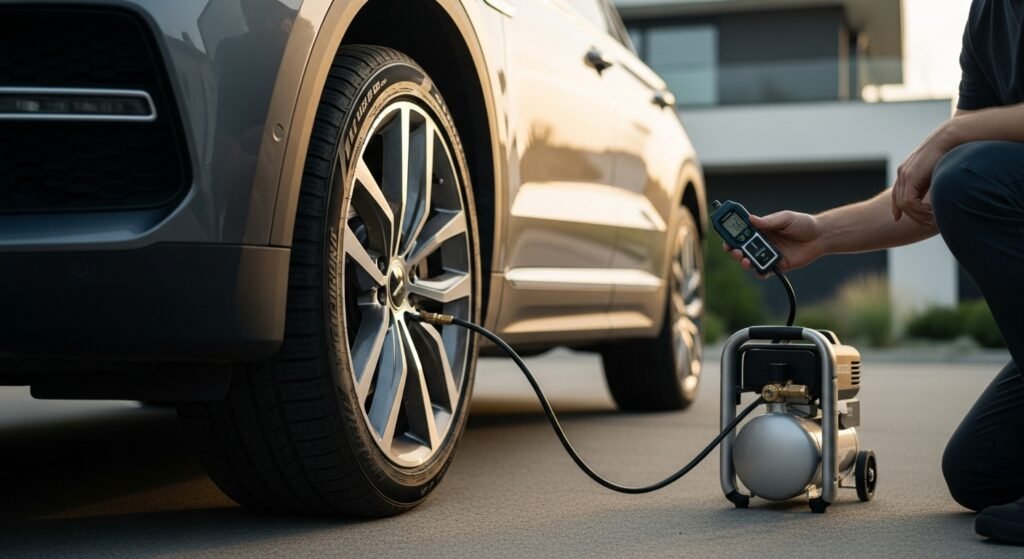
Tires need the right amount of air to wear down evenly. Cold air makes the pressure inside your tires drop quickly. You should check your pressure often during the cold winter months. Properly inflated tires also make your car much more fuel-efficient. This saves you extra money at the gas station.
Where to Find Your Tire Pressure Specifications
- Owner’s Manual: Every car manual has the correct PSI listed for your tires.
- Doorjamb Placard: Check the sticker on the driver’s side door frame for the numbers.
- Manufacturer Website: You can look up your tire brand online to find the best pressure.
- Tire Specialist: You can always ask a pro to check the pressure for you.
Consistency in Replacement
Never replace just one tire at a time if you can avoid it. Replacing one tire leads to uneven wear on the other three tires. Your car will not handle the road correctly with mismatched tires. This can be dangerous and might even damage your car’s drivetrain. Getting four new tires at once is always the safest option.
Routine Professional Care
- Tire Balancing: This ensures the weight of the wheel is even across the axle.
- Alignment Checks: If your car is misaligned, it will eat the tread off your tires.
- Regular Inspections: Look for cuts, punctures, or visible wear every two weeks.
- Professional Help: Have a tech look at your tires when you get an oil change.
The Art of Seasonal Tire Storage
When the snow melts, you need to put your tires away correctly. Good storage is the secret to getting more seasons out of your set. If you just throw them in a pile, they might rot before next year. Take the time to do it right and protect your investment.
The Pre-Storage Clean
Before you put them away, give your tires a very good scrub. Road salt and brake dust can weaken the rubber over several months. Use water and a mild soap to get all the dirt out of the grooves. Make sure the tires are completely dry before you store them. This prevents moisture from causing damage while they sit.
Climate-Controlled Environments
Store your tires in a cool and dry place that is away from the sun. A basement or a climate-controlled garage is the best spot. High heat can cause the oils in the rubber to evaporate. This leads to cracking and makes the tires unsafe to drive on. Keep them away from electric motors that produce ozone.
Outdoor Dangers
Never leave your winter tires sitting outside during the summer months. The sun’s UV rays are very harmful to the specialized rubber. Rain and humidity can also cause moisture to build up and rot the tire. If they must be outside, use a high-quality waterproof covering. Indoor storage is always much better for the life of the tire.
Proper Positioning

- Mounted on Rims: These should be hung from hooks or stacked in a neat pile.
- Unmounted Tires: These should be stored standing upright on a tire rack.
- Avoiding Flat Spots: Don’t let unmounted tires lay flat for many months.
- Rotate Positions: If you stack them, change the order of the stack once in a while.
Avoiding the “Dry Road” Trap
Winter tires are not made for driving on dry, bare pavement. If you keep them on too long into the spring, they will wear out fast. The soft rubber is designed to grip ice, not hot asphalt. Driving on dry roads can also make your car feel “squishy” or greasy.
Timing the switch back to your regular tires is very important. Once the temperature is steady above 45 degrees, take the snow tires off. This preserves the tread for the next winter season. Using them on dry roads is the fastest way to waste your money. Be proactive about swapping them out when the weather changes.
Advanced Maintenance: Beyond the Basics
If you want to be a tire pro, you need to go beyond just checking the air. Small details can add thousands of miles to your tire life. Modern cars have sensitive systems that need to be in balance.
The Importance of Tire Rotation in Winter
Rotating your tires helps them wear down at the exact same rate. Front tires do a lot of the steering and braking work. This means they usually wear out faster than the rear tires. Moving them around every 3,000 to 5,000 miles is a great idea. This simple step can help you avoid having to buy two tires early.
Dealing with Road Salt and Chemical Brine
Road salt is a tire’s worst enemy. It can dry out the rubber and cause it to crack over time. Many cities now use liquid brine which sticks to everything. Washing your tires and wheels once a week in winter is helpful. This removes the chemicals before they can do permanent damage. It also protects your expensive rims from getting rusty.
What to Look for When Purchasing New Winter Tires
When it is time for a new set, don’t just buy the cheapest ones. You want a tire that will keep you safe and last a long time. Look for specific features that prove the tire is high quality. A good tire is a long-term investment in your safety.
Key Features to Look For
- Interior Construction: Look for tires with strong steel and rubber builds.
- Deep Tread: Ensure the tread is deep enough to provide great traction.
- Handling Ability: Good tires should help you turn safely through the snow.
- Stopping Features: Look for designs that reduce the time it takes to stop.
The Three-Peak Mountain Snowflake (3PMSF) Symbol
Always look for the 3PMSF symbol on the side of the tire. This symbol means the tire is certified for severe snow conditions. It is a rating that tells you the tire passed specific safety tests. Without this symbol, the tire might not be a true winter tire. It is the best way to know you are getting a safe product.
How to Know When It’s Time for a Replacement
You don’t want to wait until you are sliding off the road to check your tires. There are easy ways to see if your tread is getting too low. Checking your tires only takes a few minutes of your time. It is one of the most important safety checks you can do.

The 5/32″ Threshold
Most tires are legally “bald” at 2/32 of an inch. However, winter tires become unsafe long before they reach that point. If your winter tread is at 5/32″ or lower, it is time for new tires. At this depth, the tire can no longer grip the snow effectively. Don’t risk your safety by trying to squeeze out extra miles.
The Penny Test Method
You can check your tread depth using just a single penny. Put the penny into the tread with Abraham Lincoln’s head facing down. If you can see the very top of his head, your tread is too low. This means the tire can no longer bite into the ice or snow. It is a simple and fast test that anyone can do at home.
Using a Tread Depth Gauge
For a more accurate reading, you can buy a tread depth gauge. These tools are very cheap and easy to find at any auto parts store. They give you a precise number for how much rubber is left. Use the gauge on different parts of the tire to check for uneven wear. This helps you spot alignment problems early on.
Visual Warning Signs
- Sidewall Cracks: Look for tiny cracks that mean the rubber is drying out.
- Bulges: Any bumps or bubbles on the side mean the tire is failing.
- Cupping: This looks like scalloped dips in the tread and means you have suspension issues.
- Uneven Wear: If one side is smoother than the other, your alignment is off.
Common Myths About Winter Tires
There is a lot of bad advice out there about winter driving. Following these myths can actually put you in danger. It can also cause you to ruin your tires much faster than necessary.
”AWD Means I Don’t Need Snow Tires”
This is a very common and dangerous mistake. All-wheel drive helps you move forward and accelerate in the snow. However, AWD does not help you stop or turn on ice. All cars have four-wheel braking, regardless of the drivetrain. Only winter tires provide the actual grip needed to stop a sliding car.
”Under-inflating Tires Increases Traction”
Some people think letting air out of the tire helps it “grip” the snow. This is a myth that can cause your tire to fail or overheat. Modern tires are designed to work at a specific pressure. Under-inflating them ruins the shape of the tread and makes handling worse. Always stick to the pressure recommended by the manufacturer.
”All-Season Tires Are Just as Good”
The name “all-season” is a bit of a lie in very cold climates. These tires are really “three-season” tires. Once it gets below 45 degrees, they lose most of their grip. They are a compromise that doesn’t excel in the extreme cold. For true winter safety, there is no substitute for a real snow tire.
Financial Incentives and Professional Services
Buying tires is a big expense, but there are ways to make it easier. Many shops offer deals that help you save money over time. Taking advantage of these bundles is a smart move for any driver. It ensures your tires get the professional care they need to last.
Service Bundles and Savings
Look for deals like the Burt Bundle to save on your new set. These bundles often include free services like rotations and balancing. This helps you keep the tires in great shape without paying extra every time. Savings like this make high-quality tires much more affordable. Always ask your local shop about their current promotions.
Financing Options
Many shops offer credit cards or payment plans for your tires. This lets you pay for your tires over several months instead of all at once. Some plans even offer zero interest if you pay within a certain time. This makes it easier to get the safe tires you need right now. Don’t skip on safety just because you are short on cash today.
Professional Assessments
If you are not sure if your tires are safe, go see a pro. Most tire experts will look at your tires for free. They can tell you exactly how many miles or seasons you have left. Getting a professional opinion gives you peace of mind on the road. It is better to be safe than sorry when it comes to winter driving.
Conclusion: The Long-Term Value of Winter Preparedness
So, how long can winter tires last? With the right care, they can be a reliable part of your car for many years. Taking care of them is not just about saving money. It is about making sure you and your family get home safely every night.
Remember to check your air pressure and store your tires in a cool place. Drive gently when the roads are icy and avoid dry pavement when you can. If you follow these simple steps, your investment will pay off in safety and longevity. Stay safe out there and enjoy the peace of mind that comes with great tires.
FAQs About Winter Tire Longevity and Care
Can I leave my winter tires on all year round if I don’t drive much?
While you can physically do it, it is a bad idea for your wallet. The soft rubber will wear down incredibly fast on warm pavement. You will likely ruin the tires in a single summer. It also makes your car feel less stable during high-speed highway driving.
Is it okay to buy used winter tires to save money?
Buying used tires is risky because you don’t know how they were stored. Rubber can dry out and become brittle even if the tread looks deep. If you do buy used, check the DOT date code on the sidewall. Never buy a winter tire that is more than six years old.
Do winter tires affect my car’s fuel economy?
Yes, they usually lower your gas mileage slightly. The rubber is stickier and the tread is deeper, which creates more rolling resistance. However, keeping them properly inflated helps minimize this extra cost. The safety they provide is worth the small extra cost at the pump.
Why do some winter tires have a directional arrow on the side?
Many snow tires are designed to rotate in only one direction. This helps the V-shaped grooves pump slush and water away from the center. If you install them backward, they won’t grip as well in deep snow. Always check for the “Rotation” arrow when putting them on your car.
Can I mix different brands of winter tires on the same car?
It is not recommended to mix brands or models. Different tires have different grip levels and handling styles. Mixing them can make your car pull to one side during a hard stop. For the best safety, keep all four tires exactly the same.
How does road salt actually damage the tire rubber?
Salt acts as a drying agent that pulls moisture out of the rubber compound. Over time, this makes the tire lose its elasticity and grip. It can also lead to fine cracks in the sidewall known as dry rot. Rinsing your tires helps prevent this chemical damage.
Should I get an alignment every time I swap my tires?
It is a very good habit to check your alignment once a year. Winter potholes can easily knock your car out of spec. A bad alignment will ruin an expensive set of snow tires very quickly. Getting it checked during your seasonal swap saves you money in the long run.
Is nitrogen better than regular air for winter tires?
Nitrogen stays at a more consistent pressure when the temperature drops. This means you won’t see your tire light come on as often in the cold. However, regular air works just fine as long as you check it often. Nitrogen is a nice luxury but not a strict requirement.
Does the age of the tire matter if the tread is still deep?
Yes, age is just as important as tread depth. Rubber naturally hardens over time due to oxygen exposure. A ten-year-old tire with “perfect” tread will still be slippery on ice. Most experts say to replace winter tires every six years regardless of mileage.
Why do winter tires make a humming noise on the highway?
The noise comes from the large gaps between the tread blocks and the sipes. As air gets trapped and released from these gaps, it creates a distinct sound. High-end winter tires are designed to be quieter than older models. It is a normal trade-off for the extra grip you get.
Can I put winter tires on just the front wheels of a front-wheel-drive car?
You should never do this because it creates a dangerous balance. The front will have grip, but the back will slide out easily during a turn. This can lead to a spin-out that is very hard to control. Always install winter tires in a full set of four.
How do I read the manufacture date on my tires?
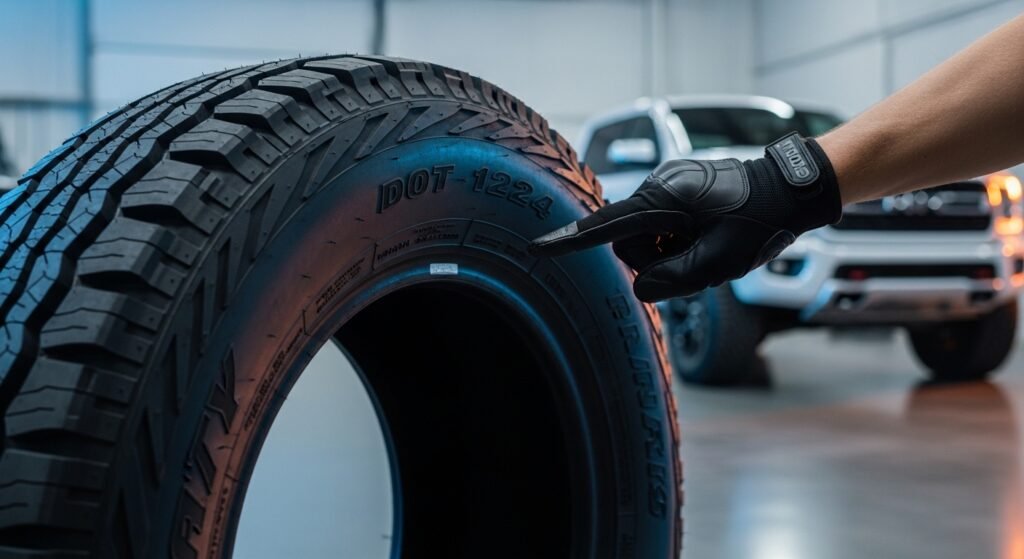
Look for a four-digit number at the end of the DOT code on the sidewall. The first two digits are the week of the year, and the last two are the year. For example, “3221” means the tire was made in the 32nd week of 2021. This helps you track exactly how old your rubber is.
Does wheel size affect how well winter tires work?
Smaller, narrower tires actually perform better in deep snow. They act like a “pizza cutter” to slice through the snow down to the pavement. Many people buy a second set of smaller steel wheels for their winter tires. This also protects your nice summer rims from salt damage.
Are “All-Weather” tires the same as winter tires?
All-weather tires are a hybrid that stays flexible in the cold and can be driven in summer. They are better than all-season tires but not as good as dedicated winter tires. They are a good choice for cities that get light snow but stay mostly plowed.
Should I wash my tires before storing them?
Yes, cleaning them is vital for long-term health. Use a mild soap to remove all chemicals, oils, and road salts. Make sure they are 100% dry before putting them in bags or stacking them. Storing dirty tires can lead to premature rubber breakdown.
What is the best way to transport my tires to the shop?
Use tire bags or large plastic lawn bags to keep your car’s interior clean. Lay them flat in the trunk or back seat to prevent them from rolling around. If you stack them, make sure they are secured so they don’t tip over during a turn.
Do winter tires work on sand or mud?
They can work in mud because of the deep tread, but they are not designed for it. The soft rubber might get torn up by sharp rocks or heavy mud. If you do a lot of off-roading, you should look for “All-Terrain” tires instead. Winter tires are specialists for ice and snow.
Can I use tire shine or dressing on my winter tires?
Avoid using petroleum-based tire shines during the winter. These chemicals can actually speed up the cracking of the rubber in cold weather. If you want them to look shiny, use a water-based dressing instead. Keeping them clean with plain water is usually the safest bet.
Why is my steering “softer” with winter tires on?
The deep tread blocks and soft rubber allow for more movement than summer tires. This creates a slight “squishy” feeling when you turn the steering wheel. It is perfectly normal and just part of how the tire finds grip. You will get used to the different feel after a few days of driving.
Will winter tires help me drive on black ice?
Winter tires are significantly better on black ice than all-season tires. The sipes create a vacuum effect to pull water off the ice surface. However, no tire is perfect on pure ice. You should still drive very slowly and leave plenty of space even with the best tires.