Skip to content
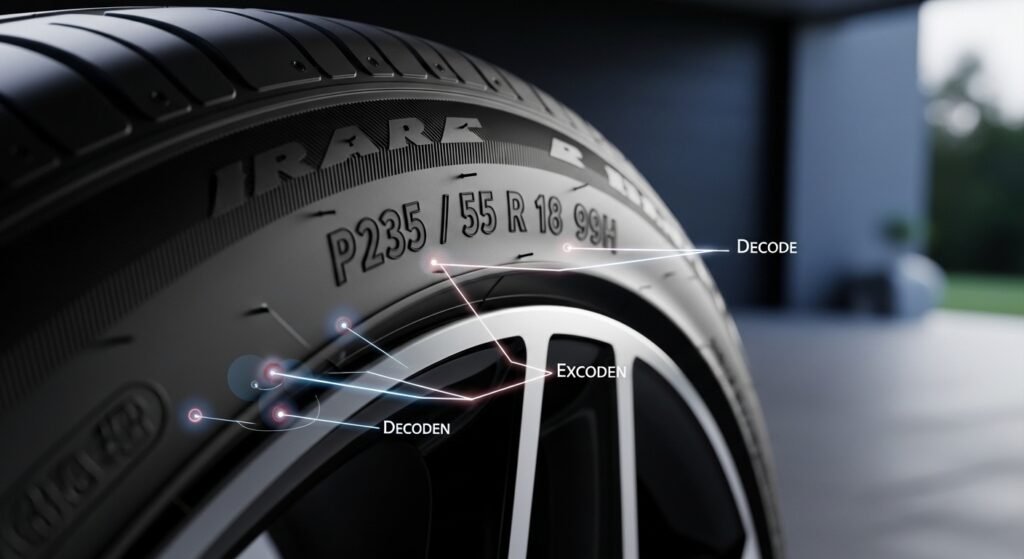
Checking out your car tires is like reading a secret code. Those numbers and letters look like gibberish at first. You might wonder what the numbers on tires mean when you see them molded into the rubber. These marks tell you the size, strength, and speed of your ride. Knowing this stuff helps you pick the right gear for your car or truck. It makes sure your vehicle stays safe and handles well on the road. Let’s break down this code so you can shop like a pro.
Understanding the Importance of Tire Sidewall Information
Your tires are the only parts of your car that touch the pavement. This means they are super important for keeping you safe and in control. If you get the wrong tires, your car might handle poorly or even lose grip. The numbers on the sidewall act as a guide for your vehicle’s specific needs. They help you match what the car maker intended for your ride.
- TheSafety Connection: Correct tires give you a confident grip so you do not slide around.
- Performance Impact: The right size helps with smooth steering and better gas mileage.
- Why Codes are Molded: These marks stay on the tire forever so you always know its specs .
Tire Service Type Classifications
The first letter in a tire code tells you what kind of vehicle it belongs to. This is the very first step in answering what the numbers on tires mean for your setup. Different vehicles carry different amounts of weight and travel at different speeds. Choosing the right class ensures your tires do not fail under pressure.
- P (Passenger): These are for regular cars, SUVs, and smaller pickup trucks.
- LT (Light Truck): Use these for heavy-duty trucks that carry big loads or tow trailers.
- ST (Special Trailer): These are only for trailers like boat trailers or utility trailers.
- Metric/European Sizes: If there is no letter, it is a European metric size tire.
- EV (Electric Vehicle) Markings: Some tires have “EV” marks for the extra weight of electric cars.
Decoding the Primary Tire Size Dimensions
Once you know the type, the next part of the code is the actual size. These numbers tell you how big the tire is and if it will fit your wheels. It is a mix of different measuring systems which can be a bit weird. But once you learn them, it is easy to spot the difference between tires.
Tire Width (Section Width)

The first three digits represent the tire width in millimeters. This is the distance from one side of the tire to the other. A wider tire usually means more rubber hits the road for better grip.
- Measurement Unit: This is always done in millimeters for these types of tires.
- The Performance Tradeoff: Wider tires give more traction but might use more gas. Narrower tires often help with fuel economy and rolling resistance.
Aspect Ratio (Sidewall Profile)

The two-digit number after the slash is the aspect ratio. This tells you how tall the sidewall is compared to the width. It is written as a percentage instead of a direct measurement.
- Defining the Percentage: A “65” means the height is 65 percent of the tire’s width.
- Calculation: You multiply the width by this percentage to get the actual height.
- Ride Characteristics: High Aspect Ratio tires have taller sidewalls for a softer and more comfortable ride. Low Aspect Ratio tires are shorter and stiffer which helps with high-speed cornering.
Internal Construction Type
The letter after the aspect ratio shows how the tire was built inside. This affects how the tire grips the road and how long it lasts. Most tires today are built the same way because it works the best.
- R (Radial): This is the industry standard for almost every modern car or truck. It uses plies that run perpendicular to the direction you are driving.
- D (Diagonal/Bias): These have crisscrossed layers and are mostly for older trailers or motorcycles.
- F (Run-Flat): These tires can keep going for a little bit even if they lose all air.
Wheel Diameter
The last number in the main size string is the wheel diameter. This is how big the metal rim needs to be for the tire to fit. It is measured in inches which is different from the width measurement.
- Measurement Unit: This number is always in inches despite the rest being metric.
- The Bead Seat: This is where the tire locks onto the wheel rim to stay airtight.
Determining Load Capacity and Weight Limits
After the size, you will see a number and a letter called the service description. This part answers what the numbers on tires mean regarding the weight they can carry. You never want to put more weight on a tire than it is rated for.

The Load Index Code
The load index is a two or three-digit number that represents a weight limit. It is not the actual weight in pounds but a code you look up on a chart.
- Understanding the Code: A higher number means the tire can support more weight.
- Conversion to Pounds: You check a load index chart to see the pounds each tire can hold.
- Cumulative Capacity: You add up the rating for all four tires to see the total vehicle capacity.
Load Range vs. Load Index
Load range is often used for light truck tires instead of just a load index. It uses letters to show how many “plies” or layers of strength the tire has.
- Ply Rating: Letters like C, D, or E tell you the tire’s overall toughness.
- Pressure Limits: Tires with higher load ranges can handle much higher air pressure for towing.
Speed Ratings and High-Performance Indicators
The very last letter is the speed rating of the tire. This tells you the fastest speed the tire can handle for a long time. It is a huge part of understanding what the numbers on tires mean for safety.
Decoding the Speed Symbol
Each letter stands for a specific maximum speed limit. Common letters include S, T, H, V, W, and Y.
- The Letter Code: You have to look this up on a chart to know the exact MPH.
- Heat Dissipation: Faster tires handle heat better so they do not blow out at high speeds.
- The ZR Designation: This mark is for tires that can go faster than 149 miles per hour.
- Important Safety Rule: Your car is only as fast as its slowest tire rating.
Additional Sidewall Markings and Certifications
Tires have even more info if you look closely at the rubber. These marks are about safety standards and how long the tread might last. They help you compare different brands of tires before you buy them.
DOT Safety Code and Manufacture Date

The DOT code proves the tire meets all government safety rules. It also tells you exactly when the tire was made in the factory.
- DOT Symbol: This stands for Department of Transportation and is required by law.
- Plant Code: These letters tell you which factory produced that specific tire.
- The “Birth Date”: The last four digits show the week and year of manufacture.
UTQG Ratings (Uniform Tire Quality Grading)
These ratings help you see how different tires compare in quality. They cover how fast they wear out and how well they stop on wet roads.
- Treadwear: A number like 400 means it lasts longer than a tire with a 200 rating.
- Traction: Grades like AA or A tell you how well the tire grips wet pavement.
- Temperature: This shows how well the tire handles high heat during fast driving.
Weather and Terrain Symbols

Some tires are built specifically for snow or mud. You will see special icons on the side that tell you what weather they handle best.
- M+S (Mud and Snow): This means the tread is designed to handle messy road conditions.
- 3PMSF (Three-Peak Mountain Snowflake): This icon means the tire passed a tough snow test.
- Directional Arrows: Some tires must spin in a certain direction to work correctly.
Consequences of Changing Your Tire Size
Sometimes people want bigger or wider tires for a different look. But changing the size can mess up how your car drives. It is important to know what the numbers on tires mean before you swap them out.
Impact on Vehicle Mechanics
If your tires are too big, they might hit parts of your car when you turn. This can damage your suspension or the tires themselves.
- Steering and Suspension: Wrong sizes can cause pulling in the steering wheel or rubbing.
- Ground Clearance: Changing the height can make your car sit too low or too high.
- Speedometer Accuracy: If the tire height changes, your speedometer will show the wrong speed.
Technical Tradeoffs
Even small changes can make your ride feel much different than before. You might gain grip but lose comfort or quietness.
- Ride Quality: Shorter sidewalls can make the ride feel stiff and noisy.
- Gearing: Changing tire size affects how your engine uses its power to move the car.
Advanced Maintenance for Maximum Tread Life
Buying tires is expensive so you want them to last as long as possible. Proper care helps keep the rubber in good shape for thousands of miles.
Understanding Alignment Geometry
Alignment is how your tires sit on the road relative to each other. If they are crooked, they will wear out super fast.
- Camber: This is if the top of the tire tilts in or out.
- Caster: This affects how your car steers and stays straight.
- Toe: This is like if your feet are “pigeon-toed” or “duck-footed” while walking.
Balancing and Vibration Control
If your car shakes at high speeds, your tires might be out of balance. A shop can add small weights to fix this issue.
- Static vs. Dynamic Balance: Different ways to make sure the tire spins perfectly smooth.
- Road Force Balancing: A machine that mimics the weight of the car to find hidden flaws.
Seasonal Management
In some places, you need different tires for winter and summer. Taking care of your tires during the off-season is just as important as when they are on the car.
- Tire Siping: Adding tiny cuts to the tread to help grip ice and wet roads.
- Storage Best Practices: Keeping tires in a cool, dry place prevents the rubber from cracking.
Professional Consultation and Tools
If you are still confused about what the numbers on tires mean, don’t worry. There are plenty of experts and tools to help you get it right.
- Tire Size Calculators: Online tools help you see how a new size will change your ride.
- The Role of the Tire Dealer: Experts can tell you exactly which tire is best for your specific car.
- Pre-Trip Safety Checks: Always check your sidewalls for cracks or bulges before a long drive.
Common FAQs About Tire Markings
What is the difference between P-Metric and Euro-Metric tires?
While both use millimeters for width, P-Metric tires (starting with P) are designed by US standards and often have slightly lower load capacities. Euro-Metric tires (no leading letter) are built to European standards and may require different inflation pressures to carry the same weight as their P-Metric counterparts.
Can I install tires with a higher speed rating than my car came with?
Yes, you can always go up in speed rating. Installing a V-rated tire on a car that originally came with T-rated tires is perfectly safe and may even improve your vehicle’s steering response and stability at highway speeds.
Is it safe to use a lower speed rating than the manufacturer suggests?
It is generally not recommended to go lower than the Original Equipment (OE) speed rating. Using a lower-rated tire can negatively affect the car’s handling and safety, especially during emergency maneuvers or in high-heat environments.
What does the XL or RF mark mean after the tire size?
These letters stand for Extra Load or Reinforced. They indicate that the tire is designed to handle higher inflation pressures and heavier loads than a standard load (SL) tire of the same size.
Why do some tires have an arrow and the word Rotation on the side?
This indicates a directional tire. These tires are designed to spin in only one direction to maximize water evacuation and grip. If they are installed backward, they will be noisier and lose their effectiveness in the rain.
What does the Outside mark on a tire sidewall indicate?
This marking is found on asymmetric tires. The tread pattern is different on the inner and outer halves of the tire to provide a balance of wet grip and cornering stability. The side marked Outside must face away from the vehicle.
How do I read the tire pressure limit on the sidewall?
The sidewall will list a Maximum Pressure in PSI or KPA. It is important to remember that this is the most pressure the tire can hold, not the recommended pressure for your specific car. Always check your door jamb for the correct setting.
What does the TWI mark stand for?
TWI stands for Tread Wear Indicator. If you look at the sidewall near this mark, you will see small “wear bars” in the tread grooves. When the tread is worn down level with these bars, the tire is no longer safe to drive on.
Are there markings that show if a tire is environmentally friendly?
Many brands now include icons like a green leaf or terms like Eco-Plus and Fuel Fighter. These indicate the tire has low rolling resistance, which helps the vehicle consume less fuel and emit less CO2.
What do the letters OE or a Star symbol mean on a tire?
These are manufacturer-specific markings. For example, a star often means the tire was specially tuned for a BMW, while MO indicates a Mercedes-Benz approved tire. These are designed to meet very specific ride and handling goals.
Can I use LT tires on a standard passenger SUV?
You can, but the ride will be significantly stiffer. LT tires are built for heavy loads and require higher air pressures to function correctly. If you don’t tow heavy trailers, a P-Metric tire is usually a more comfortable choice.
What does the term Max Load on the sidewall signify?
This is the absolute maximum weight a single tire can carry when it is inflated to its maximum allowable pressure. Exceeding this weight can lead to a sudden and dangerous tire failure.
Why do some tires have a red or yellow dot on the sidewall?
These are balance marks used by installers. A yellow dot marks the lightest point of the tire, which should be aligned with the valve stem. A red dot marks the “high point” for uniformity to help minimize vibrations.
Does the sidewall tell me if the tire is tubeless?
Yes, almost all modern car tires will have the word Tubeless molded into the side. This means the tire is designed to create an airtight seal with the rim without needing an inner tube.
What does the E4 mark inside a circle mean?
This is an ECE approval mark, showing the tire meets European safety and environmental standards. The number after the E indicates which country in Europe granted the approval.
Is there a code for the type of materials inside the tire?
Yes, the sidewall usually lists the Tire Ply Composition. It will tell you how many layers of polyester, steel, nylon, or rayon are used in both the tread area and the sidewall area.
How can I tell if a tire is a Run-Flat by the markings?
Different brands use different codes. Common markings include RSC (Run-Flat System Component), ZP (Zero Pressure), SSR (Self-Supporting Run-Flat), and DSST (Dunlop Self-Supporting Technology).
What does the MFS or FR marking mean?
These are rim protection codes. They mean the tire has a thicker rubber “rib” near the bead area designed to protect your expensive alloy wheels from being scratched by curbs.
Why do some tires have a Treadwear rating of 0?
In reality, all consumer tires have a rating, but some specialized racing or “track day” tires might have very low numbers (like 40 or 60). This indicates the rubber is extremely soft for grip but will wear out very quickly.
Can I tell if a tire is re-tread by the sidewall?
Yes, legally re-treaded tires must be marked as Retread or Remould. These are common in the commercial trucking industry but are very rare for modern passenger cars.