Skip to content
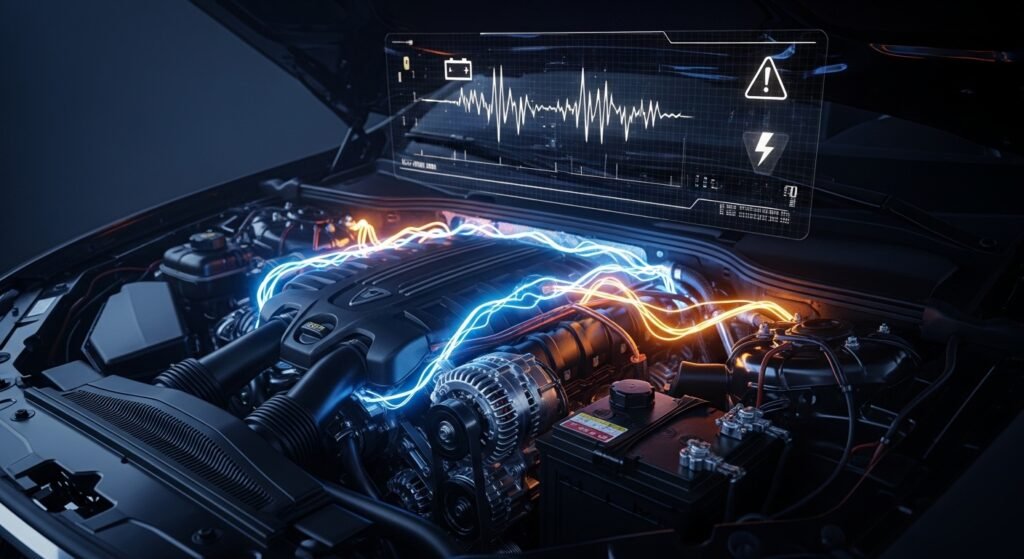
Modern vehicles are basically computers on wheels these days. Dealing with car electrical problems can feel like trying to solve a puzzle in the dark. This guide will help you understand your ride better. We will look at why things go zap and how to fix them. You do not need to be a pro to spot these issues early. Let’s dive into the world of automotive electrical systems together.
Understanding Your Vehicle’s Electrical System
Every car has a complex network that keeps it running smoothly. Think of the battery as the heart of your car. It provides the initial surge of power to get everything moving. Without a strong heart, your vehicle just won’t wake up in the morning. It is the foundation for every other component in the system.
The alternator acts as the lifeline for continuous power generation. While the engine runs, the alternator creates electricity to keep the battery charged. It also sends juice to your radio, lights, and air conditioning. If the alternator fails, your battery will quickly run out of steam. This cycle is vital for keeping your car on the road safely.
Wiring and fuses act like the veins and nerves of your vehicle. Fuses protect your expensive electronics from getting too much power at once. If a surge happens, the fuse blows to save the component. Wiring carries that power to every corner of your car. Keeping this network healthy prevents dangerous short circuits and fires.
Modern vehicles rely heavily on sensors and Electronic Control Units. These are the brains that monitor fuel, air, and exhaust. They talk to each other constantly to optimize your driving experience. When one sensor fails, it can cause a chain reaction of glitches. Understanding this digital side is key to modern vehicle maintenance.
Dead or Weak Battery Issues

A dead battery is one of the most common car electrical problems drivers face. It usually happens at the worst possible time, like when you are late for work. Knowing the early signs can save you from being stranded. Most batteries will give you a few hints before they give up completely.
Identifying a Failing Battery
- Dimming interior lights are a classic sign that your battery is losing its punch.
- Engine cranking slowly means the battery is struggling to provide enough amperage to the starter.
- Battery warning light on your dashboard is a direct message from your car that something is wrong.
- Car stalling shortly after you start it can indicate the battery cannot hold a charge.
Causes of Battery Drainage
Most car batteries only last about four to six years under normal conditions. Extreme heat or freezing temperatures can significantly shorten this lifespan. Leaving your interior lights or radio on overnight is a fast way to drain the juice. Sometimes, a faulty charging system component like the alternator is actually to blame.
Maintenance and Prevention Tips
- Regular long-distance drives are important because they allow the alternator to fully recharge the battery.
- Cleaning terminals removes corrosion and acid buildup that blocks the flow of electricity.
- Hardware security is vital because vibrations can shake the internal plates of the battery and cause failure.
- Avoiding extreme heat whenever possible will help your battery live a much longer life.
Replacement Costs and Expectations
The average cost to replace a car battery is between $400 and $430. This price includes about $60 to $80 for labor at a professional shop. High-quality parts usually run between $340 and $350. Make sure you choose a battery with the right Cold Cranking Amps for your local weather.
Faulty Alternator and Charging System
If the battery is the heart, the alternator is the muscle that keeps things moving. It is responsible for recharging the battery while you are cruising down the highway. When it starts to fail, your car will rely solely on the battery. This will only last a short time before the whole car shuts down.
Warning Signs of Alternator Failure
- Powerwarning lights like the “ALT” or battery symbol may flicker on your dash.
- Fluctuating electricity can cause your headlights to get very bright and then suddenly dim.
- Loss of power to gadgets like your GPS or power windows is a common red flag.
- Grinding noises from the engine bay often mean the internal bearings are wearing out.
- Burned rubber smell might indicate that the drive belt is slipping or the alternator is overheating.
Root Causes of Alternator Malfunction

Internal wear and tear on brushes and diodes eventually happens to every alternator. Damaged bearings can cause a lot of friction and noise before the unit seizes. A snapped or worn drive belt will stop the alternator from spinning entirely. Dust and heat are also major enemies of this complex electrical component.
Proactive Care for Your Alternator
- Immediate repairs are necessary because a bad alternator will quickly ruin a perfectly good battery.
- Serpentine belt inspection should be part of every oil change to look for cracks or fraying.
- Avoiding upgrades like massive subwoofers can prevent you from overloading the factory electrical system.
- Professional inspection is recommended if you notice any changes in how your electronics perform.
Blown Fuses and Fuse Box Complications
Fuses are the unsung heroes of your car’s electrical health. They are designed to break the circuit if too much electricity flows through. This prevents your expensive sensors or radio from melting or catching fire. A blown fuse is usually a symptom of a larger problem somewhere else.

Recognizing Fuse-Related Issues
- Specific features like the horn or just one power window might suddenly stop working.
- Visual inspection of a fuse will show a broken metal strip or a dark, burnt appearance.
- Repeated failures of the same fuse mean you have a short circuit that needs a pro.
Signs of a Failing Fuse Box
Sometimes the problem is not the fuse itself but the box it sits in. You might notice fuses fitting loosely in their slots, which causes a bad connection. Melted plastic around the fuse slots is a sign of extreme heat and a fire risk. Evidence of water stains or corrosion means moisture is getting where it should not be.
Troubleshooting and Repair
- DIY replacement is very easy and usually costs less than $10 for a pack of fuses.
- Color-coded amperage must be followed exactly to ensure you do not cause a fire.
- Professional diagnosis is needed if fuses keep blowing immediately after you replace them.
- Manual reference is the best way to find out which fuse controls which part of your car.
Faulty Starter Motor and Ignition System
The starter motor has one job: to spin the engine fast enough to start. It takes a massive amount of power from the battery to do this. If the starter fails, you are not going anywhere without a tow truck. It is one of the most critical parts of your vehicle’s ignition system.
Symptoms of Starter Failure
- Rapid clicking when you turn the key usually means the solenoid is trying but failing to engage.
- Intermittent starting is a sign the internal components are on their last legs.
- Smoke or smells during a start attempt mean the motor is drawing too much current and burning.
- Complete silence when you turn the key could mean the starter is totally dead.
Primary Causes of Starter Wear
Worn solenoids and corroded electrical connections are the most common culprits. Engine oil leaks can drip onto the starter and gum up the internal parts. Excessive stop-start driving, like in heavy city traffic, wears out the motor faster. Sometimes the teeth on the starter gear simply wear down and cannot grab the engine.
Maintaining Starter Health
- Corrosion control on your battery terminals prevents high resistance that damages the starter motor.
- Early detection of clicking sounds can save you from being stranded in a parking lot.
- Fixing oil leaks promptly will protect the starter from being soaked in damaging fluids.
- Checking connections to make sure the thick power wires are tight and clean is very helpful.
Spark Plugs and Ignition Coil Malfunctions

Spark plugs and coils provide the fire that makes your engine run. They must fire at the exact right microsecond for the engine to work correctly. If they are dirty or broken, your car will run like garbage. This is a core part of car electrical problems that affect performance.
Indicators of Ignition Trouble
- Engine misfiring feels like a sudden jerk or stumble while you are driving or idling.
- Rough idling makes the whole car shake while you are stopped at a red light.
- Check engine light will often flash if you have a serious misfire that can damage the engine.
- Drop in fuel economy happens because the engine is not burning gas efficiently anymore.
Factors Leading to Failure
Carbon buildup happens naturally over time and makes it hard for the spark to jump. Exposure to moisture or oil leaks in the spark plug wells will kill a coil fast. Heat damage to the insulation on the ignition coils causes the power to leak out. Using the wrong type of spark plug can also lead to poor engine performance.
Replacement and Longevity
- Manufacturer schedule should be followed strictly for replacing your spark plugs on time.
- OEM parts are usually better than cheap generic ones for sensitive ignition systems.
- Replacing cables along with plugs ensures that the power has a clean path to travel.
- Diagnostic tools can help a mechanic see exactly which cylinder is having a problem.
Complex Wiring and Connector Problems
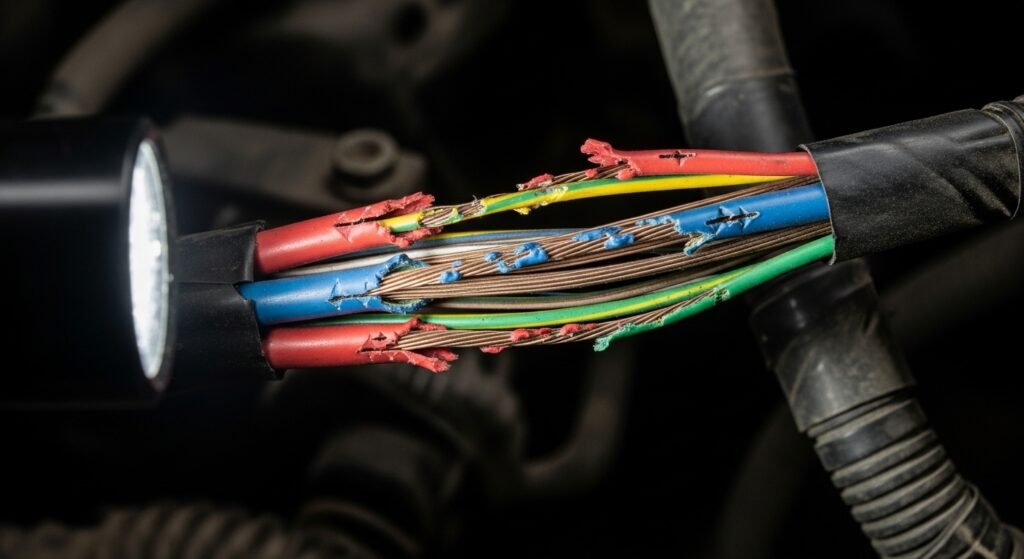
Your car has miles of wiring hidden behind the dash and under the floor. These wires carry data and power to every single sensor and light. When wiring goes bad, it can cause the weirdest glitches you have ever seen. Troubleshooting these car electrical problems often requires a lot of patience.
Signs of Damaged Car Wiring
- Unpredictable glitches like your radio turning off when you hit the brakes are common.
- Burning plastic odors are a serious warning that a wire is melting somewhere.
- Flickering lights can mean a wire is loose or rubbing against a metal part of the car.
- Ghosting gauges might show your speed or fuel level jumping around for no reason.
Environmental and Physical Causes
Rodents love to chew on car wiring because the insulation is often made of soy. Road salt and moisture can cause corrosion to crawl inside the wires and rot them. Constant engine vibration can cause wires to rub together until they fray. Heat cycles from the engine can make wire insulation brittle and cause it to crack.
The Cost of Rewiring
Tracing a short circuit can take hours of labor, which gets very expensive quickly. Full-vehicle rewiring is a massive job that can cost between $1,200 and $1,500. Specialized diagnostic tools are needed to find exactly where a wire is broken. Preventing rodent damage by using deterrents is much cheaper than fixing chewed wires.
Malfunctioning Vehicle Sensors
Modern cars use dozens of sensors to monitor every breath the engine takes. These sensors send data to the computer to keep things running perfectly. If a sensor sends the wrong data, the computer will get confused. This usually leads to poor performance and warning lights.
Critical Sensors and Their Roles
- Oxygen sensors measure the exhaust to help the engine use the right amount of gas.
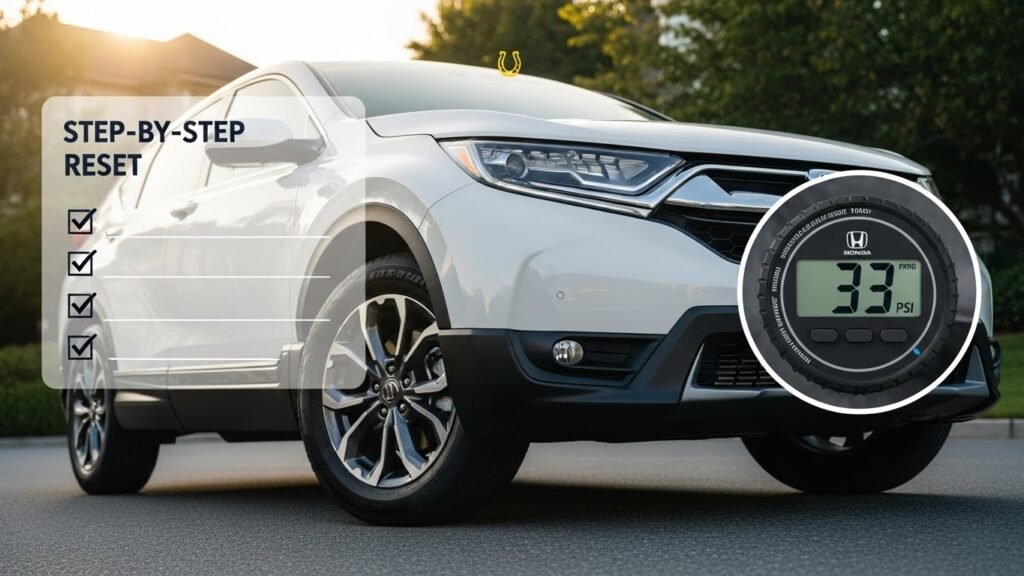
- TPMS sensors live inside your tires and tell you when the pressure is too low.
- Knock sensors listen for pings in the engine to prevent internal damage.
- Mass Airflow sensors tell the computer exactly how much air is entering the engine.
Symptoms of Sensor Failure
A failing sensor can put your car into “limp mode” to protect the engine. You might notice poor idling or your car stalling unexpectedly at stop signs. Your gas mileage will likely tank, and you might fail your local emissions test. Often, the car will feel sluggish and won’t accelerate like it used to.
Prevention and Replacement
- Cleaning air filters regularly keeps dirt from coating and killing sensitive sensors.
- High-quality sensors are vital because cheap ones often give inaccurate readings.
- Inspecting connectors for corrosion can solve many sensor problems without needing a new part.
- Prompt attention to dashboard lights prevents a small sensor issue from ruining your catalytic converter.
Automotive Lighting System Failures
Your lights are not just for you to see; they are so others can see you. Working headlights and brake lights are required by law in every state. Lighting issues are usually simple, but they can sometimes be tricky. This is a safety-first part of car electrical problems.
Visibility and Safety Indicators
- Total failure of one or both headlights is a major safety hazard at night.
- Rapid-blinking signals usually mean one of your turn signal bulbs has burnt out.
- Dim or yellowed output happens as bulbs age or if the plastic lenses get cloudy.
- Brake light failure is dangerous because drivers behind you won’t know when you are stopping.
Diagnosing Light Issues
Most lighting problems are just a simple burnt-out bulb that you can swap yourself. If a new bulb does not work, you might have a faulty switch or relay. Cracked lenses allow moisture inside, which will short out the bulb or corrode the socket. Sometimes the problem is just a loose ground wire that needs to be tightened.
Lighting Maintenance
- Monthly walk-arounds are the best way to catch a dead bulb before the police do.
- Replacing in pairs ensures that both sides have the same brightness and color.
- Cleaning lenses with a restoration kit can make your old headlights look and work like new.
- Checking fuses if an entire set of lights (like all the dash lights) goes out at once.
Power Windows and Door Lock Issues

It is very annoying when your window gets stuck halfway down in a rainstorm. Power locks and windows rely on small motors hidden inside your doors. These parts work hard and eventually wear out from years of use. Keeping them clean can help them last much longer.
Common Failure Points
- Windows stuck either up or down are usually a sign of a dead regulator motor.
- Grinding sounds inside the door mean the cables or gears for the window are broken.
- Unresponsive locks can be caused by a bad actuator or a dying key fob battery.
- Slow movement of the glass suggests the motor is weak or the tracks are dirty.
Root Causes
The window regulator motor simply wears out after thousands of cycles. Lock actuators can fail if they get wet or if the internal gears break. Wiring in the door hinges is a major fail point because it bends every time you open the door. Dirt and gunk in the window tracks put a lot of extra stress on the motor.
Prevention Tips
- Cleaning tracks with a little silicone spray reduces friction and helps the motor breathe easy.
- Fob batteries should be changed every year or two to keep your locks working perfectly.
- Avoiding the switch after the window is closed prevents you from burning out the motor.
- Winter care involves making sure the windows are not frozen shut before you try to roll them down.
Instrument Cluster and Dashboard Glitches

Your dashboard is the primary way your car communicates with you. If the gauges stop working, you won’t know your speed or how much gas you have. These car electrical problems can be very frustrating to deal with. Often, they are caused by a lack of steady power to the dash.
Signs of Electronic Failure
- Freezing gauges might get stuck at a certain speed even after you stop.
- Erratic sweeping of the needles can happen when the cluster loses its ground connection.
- Warning lights popping up randomly often point to a computer or voltage problem.
- Dark dashboard means the backlighting has failed or a fuse has blown.
Causes and Professional Repair
Loose wiring harnesses behind the dash can cause the cluster to lose power intermittently. Sometimes the internal control board develops tiny cracks in the solder joints. Voltage drops from a weak battery can cause the electronics to act very strange. A professional shop can often test and repair the cluster without replacing it.
Longevity Strategies
- Windshield seals must be kept in good shape to prevent water from leaking onto the dash.
- Software updates from the dealer can often fix known bugs in the instrument cluster.
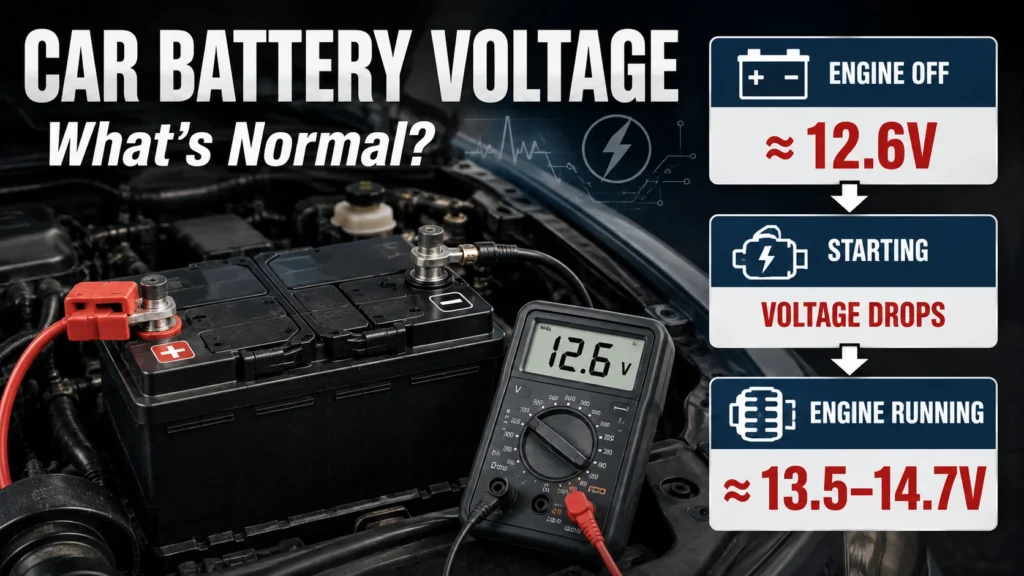
- Steady voltage from a healthy battery and alternator is the best medicine for car electronics.
- Prompt attention to small flickers can prevent the whole cluster from dying on you.
Conclusion: Integrated Car Care and Financial Planning
Dealing with car electrical problems early is the best way to save money. A small $10 fuse is much cheaper than a $1,000 alternator or wire job. Make electrical checks a regular part of your vehicle maintenance routine. Knowing the signs helps you talk to your mechanic with confidence.
If you run into a big repair, look into specialized financing options to help. Keeping your car’s electrical system healthy will help it live a much longer life. Stay safe on the road and keep those lights shining bright! Your car will thank you for the extra attention and care.
FAQs
What does a parasitic battery drain mean?
This occurs when an electrical component continues to draw power from the battery even after the engine is turned off and the key is removed. Common culprits include glove box lights that stay on, malfunctioning alarms, or stuck relays.
Can a blown head gasket cause electrical issues?
While a head gasket is mechanical, a failure can cause coolant to leak onto sensitive electrical connectors or sensors. This moisture creates short circuits and can lead to false readings or total sensor failure.
How do I jump-start a car with a hybrid battery system?
Most hybrids have a standard 12V battery in addition to the high-voltage pack. You must locate the specific jump-start terminals, often under the hood in a fuse box, rather than connecting directly to the high-voltage battery.
Why does my radio reset every time I start the engine?
This usually indicates a constant power wire (memory wire) has a loose connection or a blown fuse. It can also happen if your battery voltage drops too low during cranking, causing the radio to lose its temporary memory.
Can aftermarket LED bulbs cause dashboard error lights?
Yes, because LEDs draw much less power than halogen bulbs, the car’s computer may think the bulb is blown. Installing load resistors or “CAN Bus” compatible bulbs is usually required to fix this “hyper-flash” or warning light.
What is a ground strap and why is it important?
A ground strap is a heavy cable connecting the engine or battery to the car’s frame. If it is loose or corroded, electrical current cannot return to the battery, causing flickering lights and erratic engine behavior.
Does a bad ignition switch cause electrical accessories to fail?
The ignition switch sends power to different circuits like the “Accessory” or “Run” positions. If the internal contacts wear out, your radio or wipers might stop working even if the car is running perfectly.
Why is there a clicking noise coming from under my dashboard?
This is often a failing relay or a malfunctioning HVAC actuator motor. Relays click when they don’t have enough voltage to stay closed or when they are internally shorting out.
Can a car battery freeze?
A fully charged battery will not freeze until it reaches extremely low temperatures, but a discharged battery has more water than acid. This can cause the casing to crack and the internal plates to warp in freezing weather.
What happens if I connect jumper cables backward?
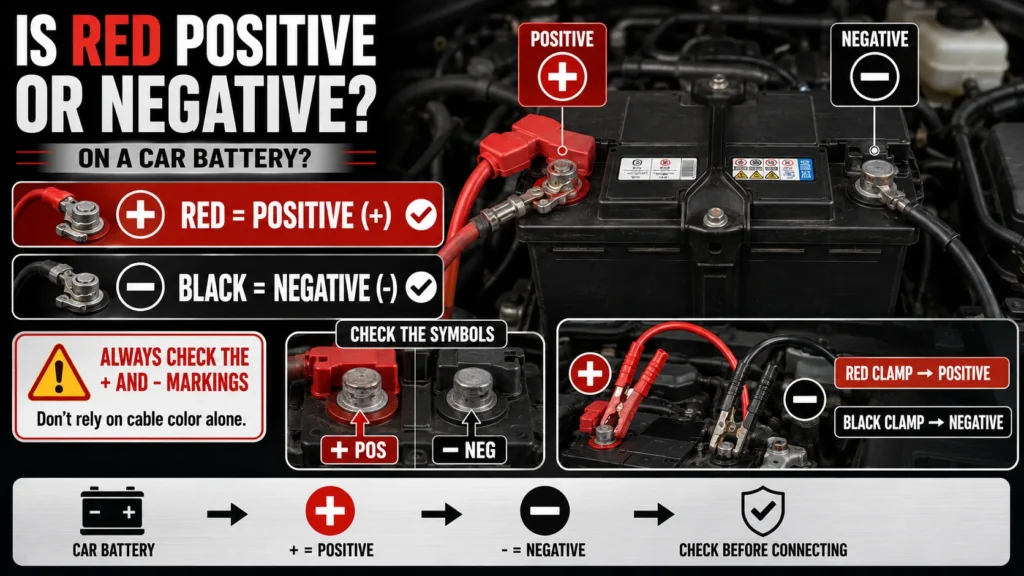
Reversing the polarity can instantly fry the alternator’s diodes, blow expensive “main” fuses, and potentially destroy the vehicle’s Engine Control Unit (ECU).
Why do my power locks cycle on and off while I am driving?
This is often caused by a faulty door pin switch or a “ghost” signal from a damaged keyless entry module. The car incorrectly thinks a door is being opened or closed and attempts to secure the vehicle.
Is it safe to wash my engine bay with a pressure washer?
High-pressure water can force moisture into sealed electrical connectors, sensors, and the alternator. If you must wash it, cover electrical components with plastic and use low pressure.
How does road salt affect vehicle wiring?
Salt acts as an electrolyte that accelerates corrosion. It can eat through wire insulation and cause “green crust” on connectors, which increases electrical resistance and heat.
Can a failing fuel pump cause an electrical short?
As a fuel pump motor wears out, it may begin to draw significantly more amperage than usual. This can melt the fuel pump relay or blow the fuse repeatedly before the pump actually stops working.
Why does my car horn sound weak or muffled?
This could be a sign of low voltage reaching the horn or corrosion on the horn’s mounting bolt, which serves as its electrical ground.
What is a “CAN Bus” system?
The Controller Area Network (CAN Bus) is a communication standard that allows vehicle microcontrollers to talk to each other without a complex web of individual wires. A single short in this system can disable multiple unrelated features.
Can a bad battery cause transmission shifting problems?
Modern automatic transmissions use electronic solenoids to change gears. If the battery or alternator provides inconsistent voltage, the transmission computer may struggle to trigger these solenoids, leading to harsh shifts.
Why do my headlights get brighter when I rev the engine?
This usually indicates a failing voltage regulator inside the alternator. It is failing to cap the voltage, which can eventually blow bulbs and damage sensitive electronics.
Can a dash cam drain my car battery?
If a dash cam is hardwired to a “constant” power source rather than a “switched” one, it will continue to record and draw power until the battery is too weak to start the car.
What is the difference between a fuse and a circuit breaker in a car?
A fuse melts and must be replaced once it fails. Some modern vehicles or aftermarket systems use circuit breakers that can be reset manually or automatically once the overload is removed.