Skip to content
Getting a flat tire is a total bummer that happens to the best of us. You might be cruising through Boston or Wellesley when that dreaded thump starts. It always seems to happen when you are in a massive rush to get somewhere. You might wonder, can I drive on a flat tire just a little further? It is tempting to try and limp home or reach a nearby shop. But driving even a short way can be a huge mistake for your safety. Understanding the risks will save you a lot of cash and stress later on. This guide breaks down everything you need to know about handling a flat like a pro.
Why You Should Not Drive on a Flat Tire
Driving on a flat is one of the worst things for your ride. Your tires are the only thing touching the road while you drive. When they lose air, they stop doing their job of protecting your vehicle. It might seem like a minor annoyance, but the damage adds up fast. You could turn a cheap fix into a massive repair bill in minutes.
Risk of Further Tire Damage
- Sidewall stress occurs the moment your tire loses its air pressure.
- Internal components like the rubber and steel belts get crushed under the car’s weight.
- Heat buildup happens quickly when the flat rubber rubs against itself while spinning.
- Irreparable shredding often occurs if you drive too far on a completely flat tire.
Damage to the Wheel and Rim

- Metal contact happens when the rim sinks through the flat rubber to the road.
- Rim grinding against the pavement can warp or crack the expensive metal wheel.
- Replacement costs for a new rim are much higher than just fixing a puncture.
- Structural integrity of the wheel is lost once it starts hitting the hard ground.
Compromised Handling and Steering
- Steering pull makes the car yank hard toward the side with the flat tire.
- Delayed response occurs when you try to turn the steering wheel during an emergency.
- Vibration and shaking can make it very difficult to keep a steady grip.
- Increased effort is needed just to keep the car moving in a straight line.
Loss of Vehicle Control
- Traction loss happens because the flat tire cannot grip the road surface properly.
- Spin-out risks increase if you have to make a sudden move or lane change.
- Braking distance gets much longer because the flat tire slides instead of gripping.
- Rollover danger is higher if the flat tire catches on a lip in the road.
Increased Repair Costs
- Simple patches usually cost very little if the tire is still in good shape.
- New tires are required once the internal structure is ruined by driving on it.
- Wheel replacement becomes necessary if the rim gets bent or scraped on the road.
- Labor charges go up as technicians spend more time fixing related mechanical issues.
Long-Term Effects on Vehicle Health
- Suspension damage occurs because the flat tire stops absorbing bumps and road shocks.
- Braking system strain happens when the car works harder to stop an unbalanced load.
- Alignment issues pop up as the car leans heavily to one side for too long.
- Premature wear starts hitting your other three tires because they are working double time.
Understanding the Anatomy of a Flat Tire
A tire is a complex piece of engineering made of many layers. It uses rubber, fabric, and steel wires to hold its shape under pressure. When air leaves, the whole structure basically collapses under the car. Knowing how your tires work helps you spot trouble before it starts. It is not just a balloon; it is a vital safety component.
Common Causes of Tire Failure

- Sharp objects like nails or screws are the most common cause of punctures.
- Valve stem leaks happen when the little air nozzle gets old or cracked.
- Bead leaks occur where the tire rubber meets the metal edge of the rim.
- Dry rot happens to old tires that sit in the sun for too many years.
Slow Leak vs. Sudden Blowout
- Slow leaks lose air over days and might just look a bit low.
- Sudden blowouts happen instantly and often make a loud popping or flapping sound.
- Temperature changes can make your tire pressure drop when the weather gets cold.
- Visual bulging in the sidewall is a huge warning sign that a blowout is coming.
What to Do If You Have a Flat Tire While Driving
Don’t panic if you feel your car starting to wobble or shake. Staying calm is the best way to keep everyone in the car safe. You need to make quick decisions to get off the road safely. Follow these steps to handle the situation like a total pro.
Step 1: Pull Over Safely

- Find a level spot like a parking lot or a wide road shoulder.
- Slow down gradually by taking your foot off the gas pedal immediately.
- Avoid hard braking because it can cause the car to skid or flip.
- Use hazard lights to let everyone around you know you have an emergency.
Step 2: Immediate Inspection
- Check the exterior for any visible nails, holes, or big gashes in the rubber.
- Safety first means only getting out of the car if you are far from traffic.
- Tire gauges help you see exactly how much air pressure is left in the tire.
- Listen for hissing which can tell you exactly where the air is escaping from.
Step 3: Assessing Your Options
- Change the tire if you have a spare and a safe place to work.
- Call for help if you are on a busy highway or lack the right tools.
- Use a tow truck if you want to avoid any risk of damaging the car further.
- Drive zero miles if the tire is completely flat and off the rim.
The Safe Use of Spare Tires
Most cars come with some kind of spare tire for emergencies. These are not meant for long trips or fast driving. They are just a temporary bridge to get you to a real shop. Treat them with care because they don’t have the same grip as regular tires.
Temporary Spares (Donut Tires)

- Keep it slow by staying under 50 miles per hour at all times.
- Short trips only because these tires usually only last for about 50 miles total.
- Lower traction means you need to be extra careful on wet or icy roads.
- Different size makes the car feel weird and can mess with your brakes.
Full-Size Spares
- Match your set so your car handles exactly like it did before the flat.
- Rotate the spare so it wears down at the same rate as the others.
- Check the air in your spare regularly because they lose pressure over time too.
- Heavy weight means a full-size spare takes up more room in your trunk area.
Essential Tire Maintenance to Prevent Flat Tires
The best way to deal with a flat is to never get one. Regular maintenance keeps your tires strong and ready for the road. It is much easier to spend a little time on care than a lot of money on repairs. Most tire shops in Massachusetts can help you stay on top of this.
Regular Professional Maintenance
- Rotate your tires every 5,000 to 7,500 miles to keep the wear even.
- Check alignment to make sure your car isn’t dragging its tires sideways.
- Balance the wheels to stop vibrations that can weaken the tire structure.
- Expert inspections can find tiny cracks or bubbles before they turn into blowouts.
Owner-Level Care
- Check pressure weekly to ensure your tires are always at the right PSI.
- Look at the tread to make sure you have enough rubber left for safe stops.
- Wash your wheels to remove salt and dirt that can rot the rubber over time.
- Avoid over-loading your car because too much weight can pop a weak tire.
The Role of Modern Vehicle Technology
New cars have cool gadgets to help you manage your tire health. These systems are designed to warn you long before a tire goes flat. Learning how to read your dashboard can save you from a major headache. Technology is a great helper, but you still need to pay attention.
Tire Pressure Monitoring Systems (TPMS)

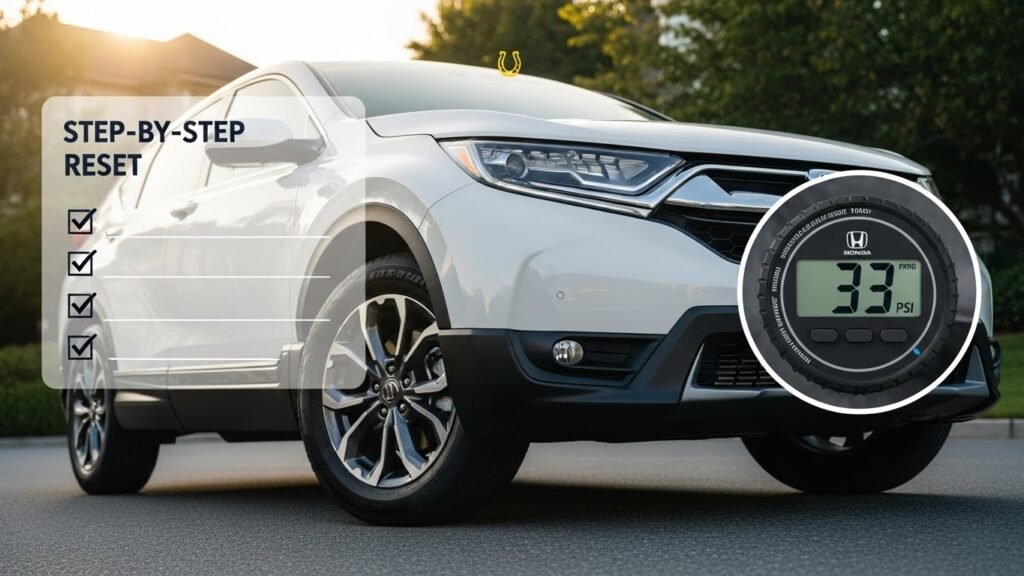
- The warning light looks like a little horseshoe with an exclamation point in it.
- Early alerts tell you when pressure drops just a few pounds below normal.
- Sensor issues can sometimes happen in very cold weather or if the battery dies.
- Instant data lets you see exactly which tire is losing air while you drive.
Advanced Driver Assistance Systems (ADAS)
- Stability control helps keep the car straight even if a tire starts to fail.
- Anti-lock brakes work to stop the car without the flat tire sliding.
- Emergency braking can kick in if the car senses you are losing control.
- System confusion can happen if the car’s computer gets weird data from a flat tire.
Proactive Strategies for Road Safety
Driving smart is just as important as having good tires. You can avoid a lot of flats by simply watching where you drive. Be a defensive driver and look out for things that can poke your tires. A little bit of caution goes a very long way on the road.
Avoiding Road Hazards
- Watch for potholes because hitting a deep one can pop a tire instantly.
- Avoid debris like wood, metal, or trash that might be laying in the road.
- Construction zones are full of nails and screws, so take them slow and steady.
- Curb strikes should be avoided because they can pinch and tear the tire sidewall.
Upgrading Your Equipment
- Run-flat tires let you keep driving for a bit even after a total puncture.
- High-quality brands use better rubber that resists heat and sharp objects.
- Seasonal tires give you the best grip for the specific weather in your area.
- Genuine parts ensure that your wheels and tires fit your car perfectly.
Emergency Preparedness: The Driver’s Toolkit
You should always be ready for a flat tire before it happens. Having a kit in your car makes a scary situation much easier to handle. It gives you the power to fix the problem or stay safe while waiting for help. Check your trunk today to see what you are missing.
- A working jack is necessary to lift the car off the ground safely.
- A lug wrench lets you loosen the bolts that hold the wheel on.
- Reflective triangles tell other drivers to give you plenty of space.
- A flashlight is a lifesaver if you get a flat tire in the middle of the night.
- A tire gauge is the only way to know if your spare is actually safe to use.
Professional Tire Services and Solutions

When you finally get to a shop, let the pros take over. They have the tools to fix your tire correctly so it doesn’t fail again. Modern tire repair is very high-tech and precise. Trusting a certified technician is the safest bet for your car.
Comprehensive Repair Options
- Plugging and patching is the standard way to fix a small hole in the tread.
- Tire replacement is needed if the hole is in the sidewall or too big to fix.
- Wheel straightening can sometimes save a rim that got slightly bent.
- Full inspections ensure that there is no hidden damage inside the tire.
Value and Longevity
- Proper installation ensures your tires are mounted correctly and won’t leak air.
- Alignment checks stop your new tires from wearing out in just a few months.
- Fuel efficiency goes up when your tires are in perfect condition and properly aired.
- Peace of mind comes from knowing your car is safe for your next big trip.
| Tire Service | Recommended Frequency | Main Benefit |
| Pressure Check | Once a week | Prevents blowouts and saves gas |
| Tire Rotation | Every 5,000 miles | Makes tires last much longer |
| Alignment | Once a year | Keeps the car driving straight and smooth |
| Professional Inspection | With every oil change | Finds hidden damage before it’s too late |
Conclusion
So, can I drive on a flat tire? The short answer is a big no. It is dangerous for you and really bad for your car’s health. Pulling over right away is the smartest move you can make. Keep your tires maintained, watch for road hazards, and always have your emergency kit ready. By taking care of your tires, you ensure that they will take care of you. Stay safe out there and keep those tires aired up!.
Frequently Asked Questions
Can I drive on a flat tire if it is a run-flat tire?
Run-flat tires are specifically designed to be driven on after a puncture. Most manufacturers allow you to drive for up to 50 miles at a maximum speed of 50 mph. However, once a run-flat tire has been driven on while deflated, it usually cannot be repaired and must be replaced.
Does a flat tire affect my car insurance rates?
Simply having a flat tire will not raise your insurance rates. However, if you choose to drive on a flat tire and cause a collision or significant property damage, filing a claim for that accident could lead to an increase in your monthly premiums.
Can cold weather cause my tire to look flat when it is not?
Yes, air contracts when temperatures drop. For every 10-degree drop in temperature, your tires can lose about one pound of pressure. This may trigger your dashboard warning light even if there is no physical hole in the rubber.
Will driving on a flat tire damage my car sensors?
Yes, it is possible. Modern cars have ABS and wheel speed sensors located near the wheel assembly. The heat and vibration from a floppy, flat tire can damage these sensitive electronic components, leading to much higher repair costs.
Is it illegal to drive on a flat tire in the USA?
While there isn’t always a specific “flat tire law,” most states have laws regarding “unsafe vehicle operation.” If a police officer sees you struggling to control a vehicle with a flat tire, they can pull you over and issue a citation for driving an unsafe vehicle.
Can I use a bike pump to inflate my car tire?
Technically, yes, but it will take a long time and a lot of physical effort. A bike pump can provide enough air to get you to a nearby gas station if the leak is very slow, but it is not a practical solution for a tire that is completely off the rim.
How long does a professional tire patch last?
A professional patch and plug performed by a certified technician is considered a permanent repair. As long as the puncture was in the tread area and not the sidewall, the repaired tire should last for the remainder of its natural tread life.
Can a flat tire cause my airbags to deploy?
A flat tire itself won’t trigger airbags. However, if the tire shreds and causes the car to drop suddenly or hit the pavement with enough force to mimic a collision, the sensors could potentially misinterpret the impact and deploy the airbags.
Does fix-a-flat foam ruin my tire?
Many tire shops dislike these sprays because the liquid creates a mess inside the tire and can gum up the TPMS sensor. While it can save you in an emergency, you should tell your mechanic you used it so they can safely clean the rim and check the sensor.
Can a flat tire affect my gas mileage?
Driving on a tire that is even slightly under-inflated creates more rolling resistance. This makes your engine work harder and can significantly drop your fuel economy, costing you more money at the pump over time.
Is it safe to change a tire on a highway shoulder?
It is often very dangerous due to the speed of passing traffic. If you cannot get far enough away from the white line, it is much safer to stay in the car with your seatbelt on and call for a professional tow truck with high-visibility lights.
What should I do if my tire blows out at high speed?
Do not slam on the brakes. Grip the steering wheel firmly to keep the car straight and let the vehicle slow down naturally by lifting your foot off the gas. Only apply the brakes gently once you have regained control and are moving slowly.
Can I drive on a flat tire if I only have a few blocks to go?
Even a few blocks can be enough to destroy the internal structure of the tire. The weight of the car pinches the rubber between the rim and the road, creating a “heat ring” that makes the tire unsafe to ever use again.
Why does my steering wheel shake when a tire is low?
When a tire loses air, it loses its uniform shape and balance. This creates an uneven rotation that sends vibrations through the steering column. If you feel this, pull over immediately to check your air levels.
Can a flat tire damage my transmission?
On All-Wheel Drive (AWD) vehicles, it can. AWD systems require all four tires to be the same diameter. A flat tire (or a small spare) spins at a different speed, which can put immense strain on the center differential and transmission.
How do I know if my tire is too old to be safe?
Check the DOT code on the sidewall. The last four digits tell you the week and year it was made. Most experts recommend replacing tires every six years, regardless of how much tread is left, as the rubber naturally breaks down.
Can I drive on a flat tire if I have a “limited-slip” differential?
Driving with a flat tire on a drive axle with a limited-slip differential can cause the gears to overheat and wear out prematurely. The system will constantly try to compensate for the difference in wheel speed between the flat tire and the good one.
What is the difference between a tire plug and a tire patch?
A plug is inserted from the outside and is often a quick fix. A patch is applied to the inside of the tire. For the safest results, professionals use a “plug-patch” combo that seals the hole through the tread and covers the entry point from the inside.
Can a pothole cause a flat tire without a puncture?
Yes. A hard hit can cause a “pinch shock,” where the tire sidewall is compressed against the rim so hard that the internal cords snap or the bead seat is broken, letting all the air out instantly without a visible hole.
Does my car’s weight limit affect how fast a tire goes flat?
Yes. If your vehicle is heavily loaded with passengers or cargo, the increased weight puts more pressure on a leaking tire, causing it to deflate much faster and increasing the risk of the sidewall collapsing entirely.