Skip to content
Car ownership is more than just driving from point A to point B. It is about being ready for anything the road throws at you. Knowing the right things to keep in your car can save you from a huge headache later. This guide will walk you through every single item you need to stay safe and comfy.
Being proactive means you do not have to panic when a tire pops or the battery dies. Most drivers forget about emergency gear until they are already stuck on the side of the road. We want to make sure that never happens to you. By the end of this article, you will be a pro at vehicle preparedness.
Introduction to Vehicle Preparedness
Staying prepared is the secret to stress-free driving every single day. It is not just about having gear; it is about having the right gear. Being ready helps you save serious cash on tow trucks and repairs. It also keeps you and your family safe during a scary breakdown.
We like to think of car prep in three main pillars. First, you need emergency supplies for when things go south. Second, you need basic maintenance knowledge to keep the car running smoothly. Finally, you need the right documents to stay legal and organized. This combo is the ultimate win for any driver.
Essential Emergency and Safety Gear
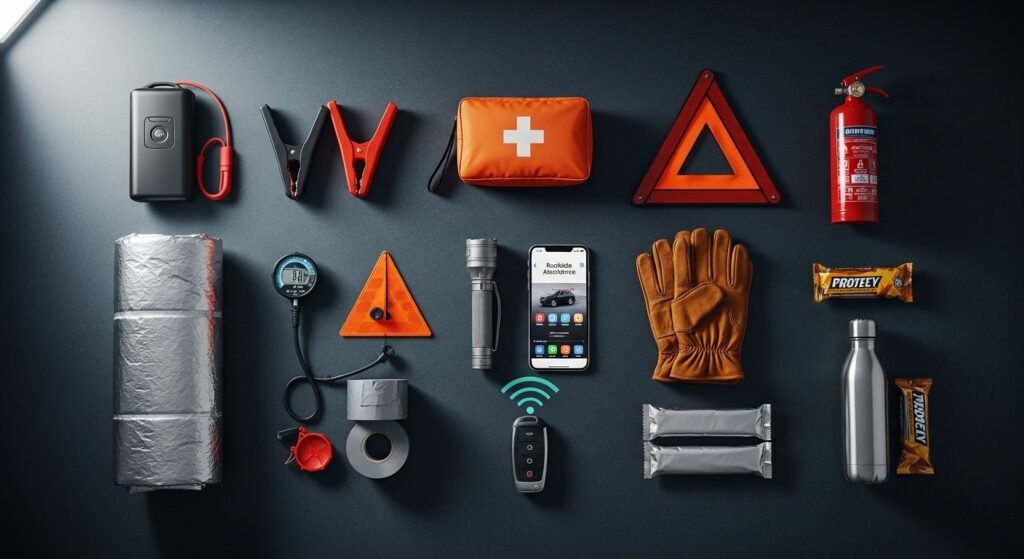
Safety should always be your number one priority when packing your trunk. You never know when a small trip might turn into a long wait. Having a dedicated emergency kit is one of the best things to keep in your car. Let us dive into the must-have safety items for your vehicle.
Basic First-Aid Kit
A medical kit is a non-negotiable item for every single vehicle. Minor injuries like cuts or scrapes can happen anywhere at any time. Having supplies on hand lets you treat problems before they get worse. You should check your kit once a year to replace old items.
- Bandages are perfect for covering small cuts and protecting wounds from dirt.
- Gauze helps you manage larger scrapes that a small bandage cannot handle.
- Antibacterial Spray is great for cleaning out a wound to prevent infection.
- Antibiotic Cream helps speed up the healing process for minor skin injuries.
- Pain Relievers like aspirin or ibuprofen are vital for headaches or minor aches.
- Tweezers are helpful for removing splinters or small pieces of debris from a cut.
- Scissors allow you to cut medical tape or clothing in an emergency.
Flashlight and Extra Batteries
If your car breaks down at night, you are going to be in the dark. A reliable flashlight is one of the most important things to keep in your car. It helps you see what is happening under the hood or on the ground. You should never rely solely on your phone’s light because it drains your battery.
- LED Flashlights are the way to go because they stay bright for a long time.
- Extra Batteries ensure that your light never dies when you need it most.
- Glove Box Storage makes the light easy to grab without getting out of the car.
Road Flares and Reflective Triangles
Visibility is your best friend if you are stuck on a busy highway. Other drivers need to see you from far away so they can move over. Road flares and triangles create a safety zone around your parked vehicle. This is especially important during rain, fog, or dark nights.
Fire Extinguisher
Vehicle fires are rare, but they can happen very quickly. A small fire extinguisher can stop a tiny flame from destroying your whole car. You want one that is rated for gas and electrical fires. Keep it in a spot where you can reach it in seconds.
Vehicle Maintenance and Repair Tools
Sometimes you can fix a small problem yourself and get back on the road. You do not need to be a mechanic to use basic tools. These items are essential things to keep in your car for mechanical mishaps. They give you the power to handle common issues without calling for help.
Jumper Cables
Dead batteries happen to everyone eventually because of lights or old age. Jumper cables allow another driver to give your battery a quick boost. This is a much faster solution than waiting hours for a professional tow. Knowing how to use them safely is a skill every driver should learn.
Spare Tire, Jack, and Lug-Nut Wrench

Flat tires are the most common reason people get stranded on the road. You must have a spare tire that is in good shape and full of air. The jack and wrench are the tools that let you actually change the tire. Without all three, you are stuck waiting for a service truck.
- The spare tire should be checked often to make sure it is not flat.
- Jack Kit is used to lift the heavy car off the ground safely.
- Lug-Nut Wrench gives you the leverage to loosen the bolts on the wheel.
Tire Gauge and Portable Air Pump
Keeping your tires at the right pressure is a big deal for safety. A tire gauge tells you exactly how much air is in each tire. A portable air pump lets you add air anywhere without finding a gas station. This prevents blowouts and helps you get better gas mileage.
Small Toolkit for Quick Fixes
A basic set of tools can solve dozens of minor car problems. You do not need a giant chest of tools for your trunk. A simple multi-tool or a small bag of basics will do the trick. It is great for tightening a loose battery terminal or a rattling interior piece.
Pair of Work Gloves
Working on a car is a messy and hot job for anyone. Work gloves protect your hands from grease, grime, and hot engine parts. They also give you a much better grip when you are turning a heavy wrench. You will be glad you have them when you are changing a tire in the cold.
Tire Chains
If you live in a place with heavy snow, tire chains are a must. They provide the traction you need to drive on icy or snowy roads. Many mountain passes actually require you to have them during the winter. It is a good idea to practice putting them on in your driveway first.
Survival and Comfort Essentials
Sometimes a breakdown means you will be waiting for a long time. If you are in a rural area, help might be hours away. Survival items are key things to keep in your car for these long waits. They keep you fed, hydrated, and warm while you wait for a tow.
Bottled Water and Hydration
Water is the most important survival item you can carry in your vehicle. Dehydration can set in fast, especially if you are stuck in the summer heat. Keeping a few extra bottles of water ensures everyone stays healthy and calm. Make sure to rotate your water so it stays fresh.
Non-Perishable Snacks
Hunger can make a stressful situation feel even worse than it is. High-energy snacks give you the fuel to stay focused and warm. You want foods that can sit in a hot or cold car for months. These are great for traffic jams or long roadside delays.
- Trail Mix is a great combo of fats and sugars for quick energy.
- Beef Jerky provides protein that keeps you feeling full for a long time.
- Protein Bars are easy to store and come in many different flavors.
- Dried Fruit gives you a natural sugar boost without the mess of fresh fruit.
Multi-Season Clothing and Warmth
The weather can change fast, and your car’s heater only works if the engine runs. Having extra layers is one of the smartest things to keep in your car. This is especially true if you have kids or older passengers with you. You never want to be caught in a storm without a way to stay warm.
- Blankets are perfect for keeping warm during a winter breakdown.
- Hoodies provide an easy layer if the sun goes down and it gets chilly.
- Extra Socks are a lifesaver if your feet get wet while working outside.
Umbrella
An umbrella is not just for the rain; it is a multi-use tool. An umbrella ensures you remain dry even if you are forced to change a tire during a downpour. This can also act as a shade if you are stuck in the sun for hours. A compact one fits easily under a seat or in a door pocket.
Daily Convenience and Utility Items
Some items are just there to make your life easier every day. These things to keep in your car help with messes and technology needs. They are not always for emergencies, but they are used very often. These small additions can turn a bad day into a manageable one.
Extra Phone Charger and Power Bank
Your phone is your primary lifeline for calling for help or using GPS. Heavy use of apps can drain your phone battery faster than you think. Having a spare charger ensures you can always make an emergency call. A power bank is even better because it works if the car battery dies.
Paper Towels and Cleaning Supplies
Spills happen, and car maintenance is always a dirty job. Paper towels are great for wiping up coffee or checking your oil level. They also help you keep your windows clean for better visibility. Keeping a roll in the trunk is a simple way to stay organized.
Coins and Cash for Parking or Tolls
We live in a digital world, but sometimes cards just do not work. A small change is helpful for older parking meters or rural toll booths. A small stash of emergency cash can help if you lose your wallet. Keep it hidden in a safe spot like the center console.
Fundamental Maintenance Knowledge for Every Owner
Having gear is great, but knowing how your car works is even better. Basic maintenance prevents most roadside breakdowns from happening in the first place. You can save thousands of dollars by staying on top of these tasks. Here is what every car owner should know about their vehicle.
The Criticality of Regular Oil Changes
Oil is the lifeblood of your engine and keeps it from burning up. It lubricates moving parts to prevent friction and heat damage. If you skip oil changes, your engine will eventually fail completely. Most cars need a change every 5,000 to 7,500 miles.
Tire Pressure Management

Tire pressure changes with the weather and affects how your car drives. Under-inflated tires make your engine work harder and use more gas. Over-inflated tires are much more likely to pop on a sharp bump. You should check your pressure at least once every month.
- Cold Reading means you check the pressure before you drive the car.
- The manufacturer’s PSI is the correct air level found on the driver’s door.
- Efficiency goes up when your tires are at the perfect pressure level.
Air Filter Replacement
Your engine needs clean air to burn fuel and create power. An air filter stops dirt and dust from getting inside the engine. A clogged filter makes your car feel slow and wastes gasoline. Replacing it is usually a very cheap and easy DIY task.
Brake System Inspection
Brakes are the most important safety system on your entire vehicle. You should always listen for squealing or grinding noises when you stop. These sounds mean your brake pads are getting thin and need help. Checking your brake fluid is another quick way to stay safe.
Belts and Hoses Maintenance
Rubber belts and hoses keep your engine cool and your battery charged. Over time, these parts can crack or leak because of engine heat. A broken belt will leave you stranded immediately. Inspect them for signs of wear every time you get an oil change.
Understanding Your Vehicle’s Systems
Your car talks to you through the dashboard and the owner’s manual. Learning this language helps you catch problems before they become disasters. It takes the mystery out of car ownership and gives you confidence. These are key things to keep in your car and your mind.
Dashboard Warning Lights

Warning lights are not there to scare you; they are there to help. A yellow light usually means you should get a check-up soon. A red light means you should pull over and stop immediately. Knowing what each symbol means can save your engine from dying.
The Owner’s Manual
The owner’s manual is like a specialized textbook for your specific car. It tells you which oil to use and how to change a fuse. It also explains all the hidden features of your vehicle. Keep it in your glove box so you can find it in a hurry.
Documentation and Records
Paperwork is just as important as the spare tire in your trunk. If you get pulled over or have a crash, you need these papers. They prove that you are a legal driver and own the car. These are essential things to keep in your car for legal reasons.
Proof of Insurance and Registration
You are legally required to show these documents to police officers. Insurance proves that you can pay for damages if an accident happens. Registration proves the car is legally registered with the state. Keep these in a small folder so they do not get lost.
Vehicle Maintenance and Inspection Records
Keeping a log of your repairs helps you track the health of your car. It also makes the car worth more money when you decide to sell it. Buyers love to see that a car was well-cared for over the years. You can keep these in a digital app or a physical folder.
Emergency Contact Information
If you are in an accident, paramedics need to know who to call. A physical list of phone numbers is better than a locked cell phone. You should include your doctor’s name and any allergies you have. Put this information in your glove box where it is easy to find.
Strategic Upkeep of Your Car Essentials
An emergency kit is only good if the items inside actually work. You cannot just pack a bag once and forget about it for years. Regular upkeep is what makes a driver truly prepared for the road. Here is how you manage your car gear like a total professional.
Regular Emergency Kit Maintenance
Food and water do not last forever in a hot car trunk. You should check your kit every six months for expired items. Make sure your medications are still good, and your bandages are clean. This ensures your kit is ready to go whenever you need it.
Utilizing Technology for Upkeep
Your smartphone is a powerful tool for maintaining your vehicle. You can set reminders for oil changes and tire rotations easily. There are many apps that track your gas mileage and repair history. This tech makes it much easier to stay on top of car care.
Storage Organization
A trunk full of loose gear is hard to use during an emergency. Use a plastic bin or a dedicated bag to keep your items together. Knowing exactly where your tools are saves time during a stressful moment. Keep the most important items within arm’s reach of the driver.
Advanced Tech and Modern Essentials

Modern technology has changed the way we handle car emergencies. There are now better ways to start your car and track your trips. These items add an extra layer of protection for the modern driver. They are some of the coolest things to keep in your car today.
Portable Jump Starter
A portable jump starter is basically a giant battery for your car. You do not need another car to help you start a dead battery. It is small enough to fit in your glove box and very easy to use. This gives you total independence if you are stuck alone.
GPS Tracker and Navigation Backups
GPS is amazing, but cell service can fail in mountains or forests. Having a dedicated GPS unit or paper maps is a smart backup plan. Paper maps never run out of battery and work everywhere on earth. They are great things to keep in your car for long road trips.
Dash Cams for Legal Protection
A dash cam records everything that happens while you are driving. If you are in an accident, the video can prove who was at fault. This protects you from insurance fraud and expensive legal battles. Some insurance companies even give you a discount for having one.
OBD-II Scanner for DIY Diagnosis
An OBD-II scanner is a small tool that reads your car’s computer codes. When your check engine light comes on, this tool tells you why. It helps you decide if a problem is a quick fix or a major repair. This tool can save you hundreds of dollars in diagnostic fees.
Seasonal and Environmental Preparedness
The things to keep in your car should change based on the weather. Winter driving requires much different gear than a summer road trip. Being smart about the seasons keeps you comfortable and safe all year. Let us look at how to prep for different types of weather.
Summer Essentials
Summer heat can be brutal for both the car and the driver. A sunshade keeps your interior cool and protects your dashboard from cracking. You should also carry extra coolant in case your engine starts to overheat. Heat is actually harder on your car battery than cold weather is.
Winter Weather Kit Extensions

Winter breakdowns are dangerous because of the freezing temperatures. An ice scraper is essential for keeping your windshield clear for safety. You should also carry a small shovel to dig your tires out of the snow. Cat litter or sand can help your tires get a grip on ice.
Desert and Arid Climate Needs
If you drive in the desert, water is your most important resource. You need much more water than usual to stay hydrated in the dry air. UV protection for your car’s interior is also a big deal in sunny states. Always check your tires because hot pavement wears them down fast.
Specialized Safety Scenarios
Some items are designed for the most extreme situations you might face. These are tools you hope you never have to use but must have. They are specifically for life-or-death moments on the road. Here are the specialized things to keep in your car for total safety.
Personal Safety and Defense Items
If you are stuck on the side of the road, you might feel vulnerable. Items like pepper spray or a loud whistle can provide peace of mind. You should always check local laws before carrying self-defense tools. Staying inside your locked car is usually the safest place to be.
Escape Tools for Emergencies

Escape tools are designed to get you out of a car after a crash. A seatbelt cutter can free you if the buckle is jammed shut. A window breaker allows you to exit if the doors will not open. You must keep these tools within reach of the driver’s seat.
Pet Travel Essentials
If you travel with pets, they need their own emergency gear too. Keep an extra leash and a collapsible water bowl in the trunk. A small bag of pet food is also a great idea for long trips. Make sure your pet is always secured with a harness for safety.
Fluid Management and Identification
Knowing your car’s fluids is a vital part of basic maintenance. Most breakdowns are caused by a lack of fluid or a bad leak. You should be able to identify what is under your hood easily. Here is how you manage the liquids that keep your car running.
Checking and Topping Off Vital Fluids
You should check your oil, coolant, and washer fluid every few weeks. Your owner’s manual shows you where each reservoir is located. Healthy oil should be a light brown or amber color. Coolant should be bright green, orange, or pink, depending on the car.
Handling Fluid Leaks
If you see a puddle under your car, you need to identify it fast. Dark brown or black fluid is usually engine oil from a leak. Bright colored, sweet-smelling fluid is likely engine coolant. Red fluid usually comes from your transmission or power steering system.
The Psychological Aspect of Roadside Emergencies

Getting stuck on the road is stressful and can be very scary. Your brain is your most important tool during an emergency. Staying calm allows you to use your gear and make smart choices. Here is how you handle the mental side of a car breakdown.
Staying Calm Under Pressure
When your car dies, take a deep breath before you do anything. Panic leads to mistakes like walking into traffic or forgetting tools. Assess your surroundings and figure out if you are in a safe spot. If you are on a highway, stay inside your car with your belt on.
Communicating with Emergency Services
When you call for help, be as specific as you possibly can. Look for mile markers, exit signs, or big landmarks near you. Tell the dispatcher exactly what is wrong so they can send the right help. Having your emergency contact list ready makes this process much smoother.
Conclusion on Things to Keep in Your Car
Driving is a huge responsibility that requires preparation and care. By having the right things to keep in your car, you are ready for anything. You have the tools to fix small issues and the supplies to survive big ones. Car ownership is much more fun when you are not worried about breakdowns.
Take some time this weekend to check your trunk and your glove box. Start building your kit one piece at a time until you have it all. Remember that maintenance is just as important as the gear you carry. Stay safe, stay prepared, and enjoy the open road with total confidence.
| Category | Essential Item | Key Benefits |
| Safety & Medical | First-Aid Kit | Treats minor injuries instantly; prevents infections on the road. |
| Flashlight & Batteries | Provides visibility for night repairs; used for signaling for help. | |
| Reflective Triangles/Flares | Alerts oncoming traffic; creates a safety zone around your car. | |
| Fire Extinguisher | Suppresses small engine or electrical fires before they spread. | |
| Escape Tool (Cutter/Breaker) | Allows for a quick exit if doors jam or seatbelts lock after a crash. | |
| Mechanical Tools | Jumper Cables | Revives dead batteries; eliminates the need for a tow truck. |
| Portable Jump Starter | Provides independence; starts your car without needing a second vehicle. | |
| Spare Tire & Jack Kit | Essential for fixing flats; keeps you from being stranded. | |
| Tire Pressure Gauge | Ensures optimal PSI for safety, tire longevity, and fuel economy. | |
| Portable Air Pump | Allows you to inflate tires anywhere; manages slow leaks. | |
| Basic Toolkit | Enables quick fixes for loose bolts, battery terminals, or trim. | |
| Work Gloves | Protects hands from heat, grease, and sharp metal edges. | |
| OBD-II Scanner | Diagnoses “Check Engine” lights; prevents overpaying at mechanics. | |
| Survival & Comfort | Bottled Water | Essential for hydration during long waits or extreme heat. |
| Non-Perishable Snacks | Maintains energy levels and focus during extended delays. | |
| Blanket/Mylar Blanket | Prevents hypothermia during winter breakdowns. | |
| Extra Clothing/Socks | Keeps you dry and warm if you must work outside in rain or snow. | |
| Umbrella | Shields you from rain and prevents sunstroke during heatwaves. | |
| Convenience & Tech | Phone Charger/Power Bank | Ensures you can always call for emergency assistance. |
| Paper Towels | Cleans up spills; wipes dipsticks; keeps windows clear. | |
| Emergency Cash/Coins | Pays for tolls or parking when card readers fail. | |
| Paper Maps/Atlas | Provides navigation in areas with no cellular or GPS signal. | |
| Documentation | Insurance & Registration | Ensures legal compliance during police stops or accidents. |
| Owner’s Manual | Provides specific info on fuses, fluids, and warning lights. | |
| Emergency Contacts List | Helps first responders notify family if you are incapacitated. | |
| Seasonal Needs | Tire Chains | Provides vital traction on ice and deep snow. |
| Ice Scraper & Brush | Ensures full visibility by clearing frozen windshields. | |
| Cat Litter or Sand | Creates friction to help tires get “unstuck” from ice. |
FAQs About Things to Keep in Your Car
What are the most important things to keep in your car?
The most vital items are a first-aid kit, jumper cables, and a spare tire kit. These address the most common medical and mechanical problems you will face. A flashlight and water are also top priorities for any driver.
How often should I check my car’s emergency kit?
You should inspect your kit at least twice a year. Checking it when the seasons change is a great way to remember. This ensures your food is fresh and your batteries still work.
Where is the best place to store my car essentials?
Most items should go in a dedicated bin in your trunk. However, items like your owner’s manual and flashlight should be in the glove box. Life-saving tools like seatbelt cutters must be within reach of the driver.
Do I really need to carry water in my car?
Yes, water is essential for staying hydrated during a long wait. It can also be used to clean a wound or top off a radiator in a pinch. It is one of the cheapest and most helpful items you can carry.
What is the shelf life of a standard vehicle fire extinguisher?
Most dry chemical fire extinguishers last between 5 and 15 years. You should check the pressure gauge monthly to ensure the needle remains in the green zone and replace the unit if it shows signs of rust or corrosion.
Can I store a portable jump starter in my car during extreme summer heat?
Lithium-ion batteries are sensitive to heat and can degrade or become a fire hazard if left in a cabin that exceeds 140 degrees Fahrenheit. During extreme heat waves, it is safer to store the power bank in a climate-controlled environment or a well-insulated cooler bag in the trunk.
How do I safely store gasoline in my vehicle for long trips?
You should never store gasoline inside the passenger cabin or trunk due to flammable vapors and the risk of explosion during a collision. If you must carry extra fuel, use a certified Jerry can mounted on an external roof rack or a rear hitch carrier.
Is it legal to use blue or red emergency lights on a civilian vehicle?
In most jurisdictions, blue and red lights are strictly reserved for law enforcement and emergency vehicles. To stay legal while signaling for help, stick to amber-colored hazards, white flashlights, or standard orange road flares.
What should I do if my car is submerged in water?
Immediately use a window breaker tool to shatter a side window, as the water pressure will make opening the doors impossible. Unbuckle your seatbelt or use a seatbelt cutter, and exit the vehicle through the window before the electronics short-circuit.
How do I prevent my bottled water from tasting like plastic?
Heat causes chemicals from plastic bottles to leach into the water. To avoid this, store water in BPA-free containers or stainless steel bottles, and keep them in the darkest, coolest part of your trunk or under a seat.
What is the best way to keep my emergency documents dry?
Store your registration, insurance, and emergency contact lists in a heavy-duty, waterproof dry bag or a high-quality zip-top freezer bag. This prevents ink from running and paper from molding if there is a window leak or spill.
Can I use a regular household blanket for a car emergency kit?
While any blanket is better than none, Mylar emergency blankets are superior for car kits because they reflect 90% of body heat and take up very little space. Wool blankets are also excellent because they retain heat even when they get wet.
How often should I practice changing a tire?
You should practice at least once a year in your driveway. This ensures you know exactly where the jack points are located on your specific vehicle and that your lug-nut wrench is the correct size for your wheels.
What items should I add to my car kit if I am traveling with a baby?
Include extra diapers, wipes, formula, a manual breast pump, and a warm baby-sized blanket. Also, keep a small toy or pacifier to keep the child calm during a long wait for roadside assistance.
How do I protect my car’s electronics from a power surge during a jump start?
Ensure both vehicles are turned off before connecting the cables. Connect the positive terminals first, then the negative. Always connect the final negative clamp to a grounded metal part of the dead car’s engine block rather than the battery terminal itself.
What should I do if my brakes fail while driving?
Pump the brake pedal rapidly to build up pressure. If that fails, slowly apply the parking brake while holding the release button to prevent the wheels from locking up. Shift into a lower gear to use engine braking to slow down.
Is a physical road atlas necessary if I have offline Google Maps?
Yes, because digital devices can fail due to software glitches, dead batteries, or physical damage. A paper atlas requires no power and provides a wider perspective of the surrounding area that a small phone screen cannot match.
How do I treat a battery terminal that has white crusty buildup?
You can clean the corrosion using a mixture of baking soda and water and an old toothbrush. This buildup can prevent your car from starting even if the battery is good, so keeping the terminals clean is a vital maintenance step.
What are the signs that my car’s serpentine belt is about to fail?
Look for a high-pitched squealing sound when you start the engine or turn the steering wheel. Visually inspect the belt for “chunking,” where pieces of the ribs are missing, or long cracks across the width of the belt.
Can I use a tire sealant as a permanent fix for a flat?
No, tire sealants are temporary “get-home” solutions designed to last for about 50 to 100 miles. You must take the tire to a professional shop as soon as possible to have it properly patched or replaced.
How do I jump-start a car with an electronic parking brake?
Consult your manual, as some electronic brakes require the battery to have a minimum charge to disengage. If the battery is completely flat, you may need a portable jump pack to provide enough power just to release the brake so the car can be towed.
What is a “tactical” pen, and should I keep one in my car?
A tactical pen is a heavy-duty writing instrument made of aircraft-grade aluminum with a hardened tip. It serves a dual purpose as a regular pen and a glass breaker or self-defense tool that fits easily in a sun visor.
How do I keep my car battery from dying if I don’t drive often?
Use a “trickle charger” or “battery tender” if your car is parked near a power outlet. If not, try to drive the car for at least 20 minutes once a week at highway speeds to allow the alternator to fully recharge the battery.
What should I do if my engine starts to overheat while I am stuck in traffic?
Turn off the air conditioning immediately and turn on the heater to full blast. This pulls heat away from the engine and into the cabin. If the temperature needle continues to rise, pull over and turn off the engine to avoid permanent damage.