Skip to content
The water pump is the heart of your car’s cooling system. It keeps the engine from getting too hot by moving coolant all around. If the pump fails, your engine can melt down in minutes. Many folks wonder how long does a water pump last before they need a new one. Understanding this part can save you thousands of dollars in repairs.
Understanding the Role of the Water Pump in Your Vehicle
A water pump is a simple machine that does a massive job. It sits on the engine and spins whenever the car is running. This spinning pushes fluid through the engine block and radiator. Without this flow, heat stays trapped inside the metal parts of the engine.
The Heart of the Cooling System
Think of the water pump as the heart of your ride. It pumps life-saving coolant through the engine like a heart pumps blood. This fluid picks up heat from the cylinders and moves it away. If the heart stops, the whole system fails quickly.
Heat Regulation
Engines create a ton of fire and friction inside. The water pump moves hot liquid to the radiator to cool down. Then it brings the cool liquid back to the engine. This cycle keeps the temperature just right for driving.
Component Synergy
The pump does not work alone in the dark. It works with the thermostat, the radiator, and the fans. The thermostat tells the pump when to move the fluid. The radiator and fans help get rid of the heat.
The Centrifugal Force Principle
Inside the pump is a spinning fan called an impeller. This part spins really fast to throw liquid outward. That force is what pushes the coolant through the hoses. It is a simple design that works great for miles.
Different Types of Water Pumps in Modern Vehicles

Not all water pumps are built the same way. Some are mechanical and some are electronic. Your car might even have more than one. Knowing which one you have helps you maintain it.
Mechanical Water Pumps
These are the most common pumps found in older cars. They are driven by a belt connected to the engine. As the engine spins faster, the pump spins faster too. They are very tough but rely on the belt to work.
Electric Water Pumps (EWP)
Many new cars and hybrids use electric pumps now. These do not need a belt to spin around. The car’s computer controls how fast they run. This helps save gas because the engine does not have to turn it.
Auxiliary Water Pumps
Some fancy cars have extra pumps for special jobs. These might help keep the heater warm when the engine is off. They also help cool down turbochargers after you park. They are smaller but still very important for the car.
The Expected Lifespan of a Water Pump
Knowing how long does a water pump last helps you plan ahead. Most of these parts are built to go the distance. However, they do not stay good forever. You should check your mileage every time you get an oil change.
Average Mileage Range
Most water pumps will last between 60,000 and 90,000 miles. Some lucky drivers get even more out of them. This range is when the seals usually start to get weak. It is the standard time to start looking for leaks.
The 100,000-Mile Milestone
Once you hit 100,000 miles, you are in the danger zone. Most original pumps will fail shortly after this point. It is smart to replace it even if it looks okay. Waiting for it to break can leave you stranded.
Longevity Factors
How you drive affects how long the pump stays alive. Driving in very hot weather makes the pump work harder. Using the wrong coolant can also hurt the internal parts. Even letting a car sit for years can ruin the seals.
OEM vs. Aftermarket Durability
Parts from the factory are called OEM parts. They usually last the longest because they fit perfectly. Aftermarket parts are often cheaper but might not last as long. Picking a high-quality brand is key for a long life.
Primary Symptoms of a Failing Water Pump
You do not want to wait for smoke to see a problem. Your car will give you hints that the pump is dying. Learning these signs can save your engine from a total wreck. Always keep an eye on your parking spot and your gauges.
Visual Cues
The easiest way to spot a problem is with your eyes. Look for wet spots under the front of the car. You might also see white crusty stuff around the pump. These are clear signs that liquid is escaping the system.
Performance Indicators
Your car might act funny when the pump starts to go. The heater might blow cold air instead of hot air. You might also see the temp gauge move up and down. These are red flags that the fluid is not moving.
Auditory Warnings
Listen to your engine when you start it up. A bad pump often makes a loud whining sound. It might also sound like something is grinding or rattling. These noises mean the bearings inside are totally shot.
Coolant Leaks and Puddles

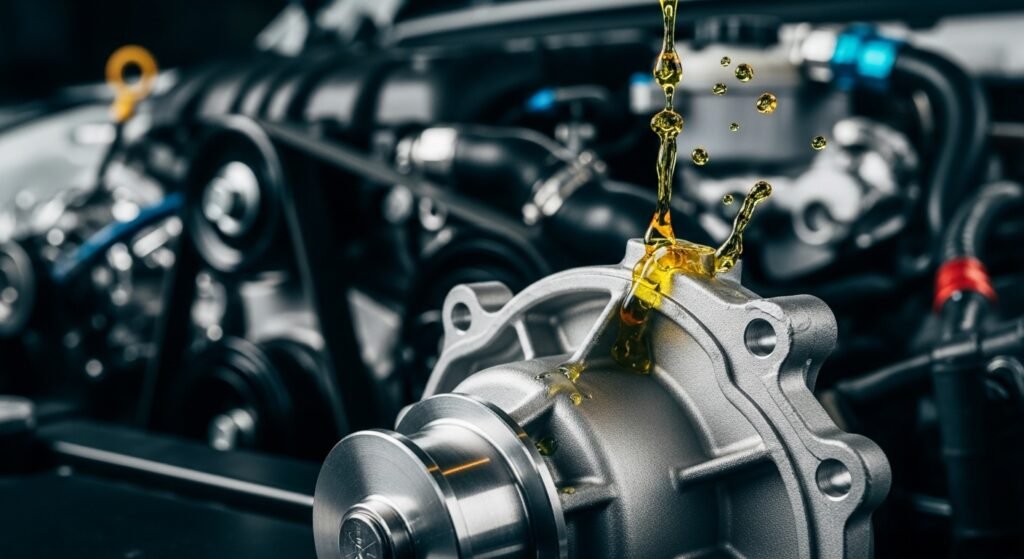
Leaks are the most common sign of a bad pump. The pump has seals that eventually get old and brittle. When they break, the coolant starts to drip out. This leaves a mess on your driveway and lowers your fluid.
- Identifying Coolant: Coolant is usually bright green, orange, or pink and smells sweet.
- Leak Location: Water pump leaks usually show up right under the middle of the engine.
- Weep Hole Leaks: There is a tiny hole on the pump made to leak when the seal fails.
Grinding and Growling Noises
If you hear a growl, it is not a dog in your engine. It is the sound of metal rubbing against metal. The bearings inside the pump help it spin smoothly. When they fail, the whole pump starts to vibrate and scream.
- Bearing Failure: This happens when the grease inside the pump gets washed away.
- Accessory Belt Connection: A shaky pump can make the belt squeal like a pig.
- Internal Mechanism Wear: Loose parts inside the pump will rattle as they spin around.
Engine Overheating
This is the most dangerous sign of a failed pump. If the pump stops, the heat builds up in seconds. Your dashboard will show a red light or a high gauge. You must stop immediately to avoid a huge repair bill.
- Coolant Starvation: Without the pump, the engine sits in a bath of boiling liquid.
- Intermittent Overheating: Sometimes a pump fails slowly, causing the car to get hot then cool down.
- The Danger of Limping Home: Never try to drive an overheating car to the shop.
Poor Circulation and Temperature Fluctuations
Sometimes the pump works, but it just works poorly. This is like having a weak heart that cannot pump fast. The engine might stay warm but never fully overheat. This still puts a lot of stress on your car.
- Inefficient Pumping: This often happens when the blades inside the pump get eaten away.
- Running Hotter Than Normal: Keep an eye on where the needle usually sits on the gauge.
Pump Corrosion and Build-up

If you look at the pump, you might see a mess. Corrosion looks like rust or green slime on the metal. This happens when the coolant gets old and turned into acid. It eats the pump from the inside out.
- The Gel Effect: This is a thick goo that forms when leaking coolant dries up.
- Rust and Pitting: Acidic coolant creates tiny holes in the metal of the pump.
- Cavitation Damage: Bubbles in the fluid can actually chip away at the spinning blades.
Anatomical Failure: Why do Water Pumps Actually Fail?
Water pumps fail for a few specific scientific reasons. It is rarely just one thing that goes wrong. Understanding the “why” helps you prevent it next time. Most failures start small and get big fast.
Seal Degradation
The mechanical seal is the most important part of the pump. It keeps the pressurized coolant away from the dry bearings. Over time, heat and chemicals make this rubber seal hard. Once it cracks, the pump is officially on its way out.
Impeller Erosion
The impeller is the fan part that moves the liquid. If you use the wrong coolant, it can corrode the blades. Some pumps have plastic impellers that can crack or melt. When the blades are gone, the pump spins but moves no fluid.
Shaft Snap
This is a very rare but scary type of failure. The metal rod holding the pulley can actually break in half. This usually happens if the belt is way too tight. If the shaft snaps, the pulley might fly off and hit other parts.
Electrolysis
This sounds like science fiction, but it is a real threat. If your car has electrical issues, current can flow through the coolant. This electricity eats away at the aluminum parts of the pump. It can destroy a brand-new pump in just a few months.
Causes of Water Pump Failure
Nothing lasts forever, especially parts that spin constantly. There are several reasons why a pump might kick the bucket. Some are natural, but some are caused by poor maintenance. Knowing these causes helps you make the pump last longer.
- Age and Mileage: The most common cause is simply the pump wearing out over time.
- Contaminated Coolant: Dirt in the system acts like sandpaper on the internal seals.
- Improper Belt Tension: A belt that is too tight pulls the pump shaft sideways.
- Dry Running: Running the pump without coolant will burn up the seals in minutes.
Professional Diagnostics and Inspection

If you think your pump is bad, get a pro to look at it. Mechanics have special tools to find the real problem. They can tell if it is the pump or just a bad hose. This prevents you from wasting money on parts you do not need.
- Pressure Testing: Mechanics pump air into the system to see where liquid squirts out.
- Visual Inspection of the Pulley: A pro will wiggle the pulley to check for loose bearings.
- Coolant Analysis: They can test the fluid to see if it has turned into acid.
- Stethoscope Testing: This tool helps the mechanic hear exactly where the noise is coming from.
The Importance of Timely Replacement
Do not ignore a bad water pump for even one day. A small leak today is a dead engine tomorrow. Replacing it early is much cheaper than buying a new car. It gives you peace of mind when you go on long trips.
- Preventing Engine Seizure: Overheating can weld the metal parts of your engine together.
- Protecting the Timing Belt: Many pumps are driven by the timing belt; if the pump jams, the belt snaps.
- Maintaining Resale Value: A well-kept cooling system makes your car worth more money later.
Related Repairs During Water Pump Service
When you change the pump, you should change other stuff too. Most of the labor cost is just getting to the pump. Replacing old parts while the car is apart saves you money later. It is like doing all your chores at once.
- Timing Belt Replacement: If your pump is under the timing belt, replace both at once.
- Thermostat Replacement: This is a cheap part that is easy to swap with the pump.
- System Flush: Always clean out the old gunk before putting in a new pump.
- Drive Belt Inspection: Check the belt for cracks or fraying while it is off the car.
- Hose Replacement: Old hoses get soft and can burst under the pressure of a new pump.
DIY vs. Professional Replacement: What You Need to Know

Replacing a water pump can be a huge job. For some cars, it is easy and right on top. For others, you have to take half the engine apart. You should know your limits before you start.
- The Complexity Factor: Check if your pump is outside the engine or hidden deep inside.
- Specialized Tools: You might need huge wrenches or special clamps you don’t own.
- The Risk of Air Pockets: If you don’t get the air out of the system, the car will overheat.
Maintenance Tips to Extend Water Pump Life
You can make your pump last much longer with a little care. You don’t have to be a mechanic to do this. Just a few simple habits will keep the system healthy. It is much better than dealing with a breakdown.
- Regular Coolant Flushes: Change your fluid every few years to keep it clean.
- Using the Correct Coolant Type: Only use the specific fluid listed in your owner’s manual.
- Keeping the Cooling System Full: Check your overflow tank once a month to ensure it is topped off.
- Monitoring the Dashboard: Never ignore a temperature light or a moving needle.
Environmental and Economic Impact of Failure
A failed water pump is bad for your wallet and the earth. Coolant is very poisonous to animals and plants. If it leaks onto the ground, it can get into the water. It also smells sweet, which might trick pets into drinking it.
- Coolant Toxicity: Always clean up spills immediately so pets don’t get sick.
- Fuel Efficiency Losses: A pump that is hard to turn makes your engine burn more gas.
- Cost Comparison: Spending $500 now is better than spending $5,000 for a new engine.
Conclusion: Choosing a Professional for Service
If you aren’t sure about the job, call a pro. A good shop like Getz Automotive knows exactly what to do. They have the right parts and the right tools for the job. This keeps your car on the road and your engine cool.
- Expertise Matters: Pros can spot other problems you might miss during the repair.
- Warranty Considerations: Most shops give you a warranty on the part and the work.
- Final Summary: Your water pump is vital, so keep an eye on it always.
| Cause of Failure | Description of the Problem | Recommended Solution |
| Natural Wear and Tear | Internal seals and bearings have a finite lifespan and eventually degrade after thousands of miles. | Replace the water pump proactively between 60,000 and 100,000 miles, even if no symptoms are present. |
| Contaminated Coolant | Dirt, rust, or debris in the fluid acts like sandpaper, grinding down the internal seals and impeller. | Perform a full cooling system flush and refill with clean, high-quality coolant according to your manual. |
| Improper Belt Tension | A drive belt that is too tight puts excessive side-load pressure on the pump shaft and bearings. | Adjust the belt tensioner to manufacturer specifications or replace a faulty automatic tensioner. |
| Using Incorrect Coolant | Mixing different types of coolant (like IAT and OAT) can cause a chemical reaction that creates sludge. | Drain the system completely, flush with distilled water, and use only the specific coolant type listed in your owner’s manual. |
| Dry Running | Operating the pump without enough coolant causes the mechanical seals to overheat and burn up instantly. | Check coolant levels monthly and fix any minor hose or radiator leaks immediately to ensure the pump stays submerged. |
| Electrolysis | Stray electrical currents in the coolant “eat” the metal of the pump through a chemical-electrical process. | Flush the coolant and check the vehicle’s electrical grounds to ensure voltage isn’t traveling through the liquid. |
| Cavitation | Tiny air bubbles in the coolant collapse against the impeller, physically pitting and eroding the metal blades. | Bleed the cooling system properly after any service to ensure all air pockets are removed from the engine. |
| Faulty Thermostat | A thermostat stuck in the closed position causes extreme pressure and heat build-up near the pump. | Replace the thermostat whenever you replace the water pump to ensure the entire system regulates heat correctly. |
| Acidic Coolant | Over time, coolant loses its pH balance and becomes acidic, causing internal corrosion and “pitting” of the pump housing. | Test coolant pH levels annually and stick to a 2-to-5-year replacement schedule depending on the fluid type. |
| Low Quality Parts | Cheap aftermarket pumps may use inferior plastic impellers or lower-grade bearings that fail early. | Install OEM or high-grade aftermarket parts that offer a lifetime or multi-year parts and labor warranty. |
| Seized Bearings | Lack of lubrication or exposure to moisture causes the internal bearings to lock up, stopping the pulley. | Immediate replacement of the pump is required. Listen for “whining” or “growling” sounds as an early warning. |
| Broken Impeller | The spinning blades become loose on the shaft or break off, resulting in zero fluid movement. | Replace the water pump; consider switching to a model with a metal impeller if your vehicle is prone to this issue. |
Now that you know how long does a water pump last, you can keep your car running smooth. Don’t wait for a breakdown to happen. Check your mileage and look for leaks today. Your engine will thank you for it!
Frequently Asked Questions
Can a water pump fail without leaking?
Yes, a water pump can fail internally without showing any external drips. This usually happens when the impeller blades erode or break off, meaning the pump spins but doesn’t actually move any fluid. It can also happen if the internal bearing seizes completely.
Does the water pump affect the car’s air conditioning?
While the water pump doesn’t power the AC directly, it affects the cooling of the condenser. If the engine is running too hot due to a weak pump, the AC system may struggle to provide cold air or may shut off entirely as a safety measure to reduce engine load.
Is it normal for a new water pump to seep a little after installation?
A very tiny amount of seepage from the weep hole right after installation can be normal as the mechanical seal “seats” itself. However, this should stop within a few miles of driving. If it continues to drip, the seal is likely defective.
Can a bad water pump cause a car to shake?
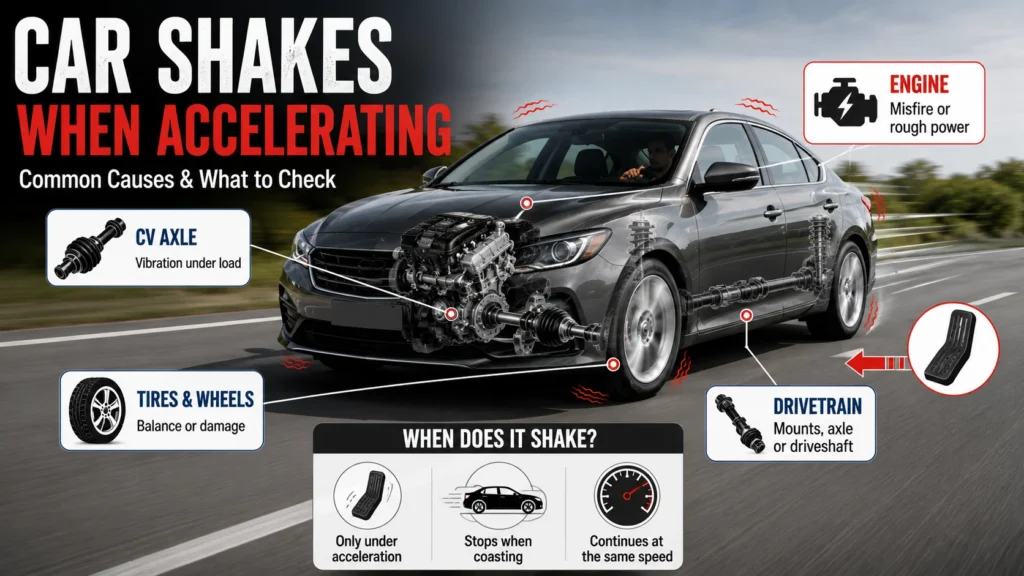
If the internal bearings are completely destroyed, the pulley can become unbalanced. This creates a vibration that travels through the engine and can sometimes be felt in the steering wheel or the frame of the car while idling.
Why do some water pumps have plastic impellers?
Some manufacturers use plastic (composite) impellers because they are lighter and resistant to certain types of chemical corrosion. However, they are more prone to cracking or becoming loose on the shaft compared to metal versions.
How does cold weather affect an aging water pump?
Extreme cold can cause rubber seals to shrink and become brittle. If a pump is already old, the first major freeze of the winter often triggers a leak that wasn’t there during the warmer months.
Can I use plain water in my cooling system in an emergency?
In a desperate situation, you can use water to reach a repair shop, but it should be drained immediately. Water lacks the lubricants needed for the pump seals and the rust inhibitors required to protect the metal, and it has a lower boiling point than coolant.
What is a “weep hole” and where is it located?
The weep hole is a small vent located on the bottom of the water pump housing between the pulley and the engine. It is designed to allow trapped lubricant or seeping coolant to escape so it doesn’t enter the bearing assembly.
Can a faulty thermostat break a water pump?
A thermostat that is stuck closed can cause excessive pressure to build up in the system. While it won’t “break” the pump mechanically, the increased pressure and heat can lead to premature seal failure.
Does a water pump failure always trigger the Check Engine light?
Not always. Most cars do not have a specific sensor for the water pump. The light usually comes on because of secondary issues, such as the engine coolant temperature sensor detecting a spike in heat.
Can a loose gas cap cause symptoms similar to a bad water pump?
No, these systems are unrelated. A loose gas cap affects the evaporative emissions system, whereas the water pump is strictly for thermal management of the engine.
Is there a difference between a water pump and a fuel pump?
Yes, they are completely different. The water pump moves coolant to keep the engine cool, while the fuel pump moves gasoline from the tank to the engine to be burned for power.
How much does it typically cost to replace a water pump?
Depending on the vehicle’s make and model, a professional replacement usually costs between $400 and $1,200. The part itself is often affordable, but the labor can be intensive if other components must be removed to reach it.
Can a bad battery cause a water pump to fail?
On a traditional mechanical pump, no. However, on modern electric water pumps, a weak battery or a failing alternator can cause the pump to run at the wrong speed, leading to cooling issues.
Does the water pump run when the car is idling?
Yes, as long as the engine is running, a mechanical water pump is spinning. Electric pumps may even continue to run for several minutes after the engine is turned off to prevent “heat soak.”
What is “cavitation” in a water pump?
Cavitation occurs when air bubbles form and collapse violently against the pump’s impeller. This creates “micro-explosions” that can actually pit and eat away the metal blades over time.
Can a bad water pump ruin the car’s heater core?
Indirectly, yes. If a pump is corroding, it sends bits of metal and rust through the system. These particles can clog the tiny passages in the heater core, leaving you with no heat in the cabin.
Are heavy-duty water pumps worth the extra money?
If you use your vehicle for towing or heavy hauling, a heavy-duty pump with a larger impeller or reinforced bearings can provide better cooling performance and a longer lifespan under stress.
What happens if the water pump pulley falls off?
If the pulley detaches, the drive belt will likely fly off as well. This means you will immediately lose power steering, the alternator will stop charging the battery, and the engine will overheat within minutes.
Can a water pump be repaired, or must it be replaced?
In modern passenger vehicles, water pumps are considered “unitized” parts and are replaced as a whole. While some heavy industrial pumps can be rebuilt, it is not cost-effective or safe for standard cars.