Skip to content
Understanding Cold Air Intakes
If you want to make more power, you need to understand how your engine breathes. A cold air intake is a popular upgrade that moves your air filter. Most stock filters sit right next to the hot engine. This system moves the filter further away to find cooler air pockets.
Definition and Design
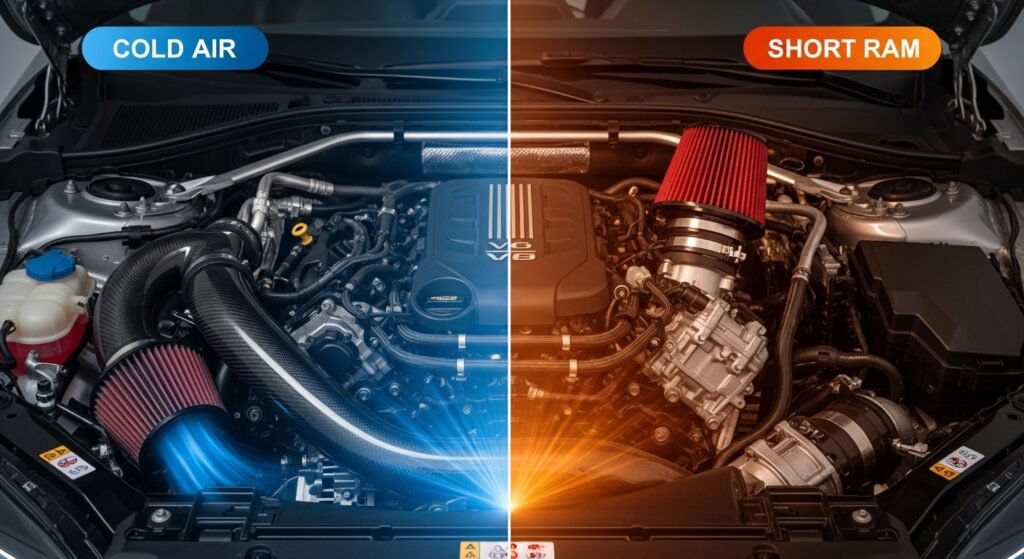
A cold air intake is a long pipe that leads to a cool spot. This spot is usually near the wheel well or the front bumper. It keeps the air filter away from the heat of the engine block. The goal is to grab air that hasn’t been warmed up by the car yet.
The Science of Cold Air

The debate of cold air vs hot air intake comes down to physics. Cold air is much denser than hot air. This means it has more oxygen molecules packed into every inch. When your engine gets more oxygen, it can burn more fuel. More fuel burned means a bigger explosion in the cylinder and more power.
Piping and Placement
Manufacturers use long, smooth pipes for these systems. They often use mandrel-bent aluminum or high-quality plastic. This ensures the air flows smoothly without hitting rough edges. The placement is key because it acts like a snorkel for your car. It reaches out into the fresh, moving air outside the engine bay.
Exploring Short Ram Intakes

Some folks call a short ram intake a hot air intake. This is because the filter stays inside the engine compartment. It is a very simple design that replaces your clunky factory air box. Many drivers start with this mod because it is fast and fun.
Definition and Design
A short ram intake is a stubby pipe with a big filter on the end. It is much shorter than a cold air intake system. It connects directly to the throttle body of your engine. Because the pipe is short, it fits easily in almost any engine bay.
Minimalist Approach
This design is all about speed and simplicity. It removes all the twists and turns found in a factory intake. By making the path shorter, the engine doesn’t have to work as hard to pull air. It is like breathing through a wide straw instead of a long, skinny one.
Under-the-Hood Placement
The filter sits right where you can see it when you pop the hood. It is exposed to the heat coming off the engine and radiator. While this sounds bad, many systems include a basic heat shield. This shield tries to block the worst of the engine’s heat from the filter.
Performance Benefits Compared
Choosing between cold air vs hot air intake depends on your goals. Both systems will give you more pep than a stock filter. However, they deliver that power in very different ways. You need to think about how you drive every day.
Horsepower and Torque Gains
- Cold Air Intakes provide the highest peak horsepower gains.
- Cold Air Intakes work best when you are moving fast on the highway.
- Short Ram Intakes help more with low-end torque for quick starts.
- Short Ram Intakes give you a boost that you can feel at every red light.
Throttle Response and Air Velocity
Short ram intakes are the kings of throttle response. Because the air has a very short path, it reacts instantly. When you hit the gas, the car jumps forward right away. This makes the car feel much lighter and more energetic in traffic.
Cold air intakes focus on consistency and top-end speed. The longer pipes help air gain momentum as it travels. This creates a steady stream of high-velocity air for the engine. It feels great when you are merging onto a fast highway.
Impact on Engine Sound
One of the biggest reasons people swap their intake is for the noise. Stock cars are designed to be quiet and boring. An aftermarket intake changes the personality of your car completely. It makes your engine sound like it actually has some muscle.
The Roar Factor
Short ram intakes are incredibly loud compared to stock. Since the filter is closer to you, you hear every gulp of air. It creates a deep, metallic roar when you floor the pedal. It sounds like a race car even if you aren’t going that fast.
Refinement
Cold air intakes have a more sophisticated sound. Because the filter is tucked away, the noise is muffled by the car’s body. You might hear a cool “whoosh” or a slight whistle. It is perfect for someone who wants power without annoying the neighbors.
Harmonics
The material of the pipe changes the pitch of the sound. Aluminum pipes tend to ring a bit more and sound higher. Plastic or carbon fiber pipes provide a deeper and more muffled thud. Most enthusiasts prefer the “ping” of a metal intake pipe.
Installation Process Overview
You don’t need to be a pro mechanic to install these parts. Most people can do this in their own driveway on a Saturday. However, one is definitely easier than the other. Make sure you have a basic set of wrenches and screwdrivers ready.
Complexity and Time
- Short Ram Setup is a basic bolt-on part that takes 30 minutes.
- Short Ram Setup requires no major changes to your car’s body.
- Cold Air Setup can take two or three hours to finish.
- Cold Air Setup might require you to take off a front tire or bumper.
Professional vs. DIY
If you are nervous, a shop can install a short ram intake for very little money. A cold air intake will cost more in labor because it is more work. Most DIYers start with the short ram because it is hard to mess up. It is a great way to learn how your engine works.
Fuel Efficiency Considerations
Can a new intake actually save you money at the pump? In many cases, the answer is yes. When your engine breathes easier, it doesn’t struggle as much. This can lead to better gas mileage if you keep your foot off the floor.
Thermal Efficiency
Cold air intakes are usually better for your wallet. Cooler air makes the combustion process much more efficient. Your engine can produce the same power using slightly less fuel. Over a year of driving, those pennies really start to add up.
Sensor Calibration
Your car has a computer that watches the air coming in. It uses a sensor called the MAF sensor to do this. When you install an intake, the computer sees more air and adjusts the fuel. A good intake is designed to work perfectly with these factory sensors.
Long-Term Savings
A short ram intake might actually hurt your MPG slightly in the summer. When the air is too hot, the engine has to work harder to compensate. If you want to save gas, the cold air intake is the smarter long-term play. It keeps the engine running at its best all year long.
Climate and Environmental Effects
Where you live should be a huge factor in your choice. The air in Alaska is very different from the air in Florida. Your intake needs to handle the local weather without causing problems. Think about your typical commute and the local climate.
Managing Heat Soak
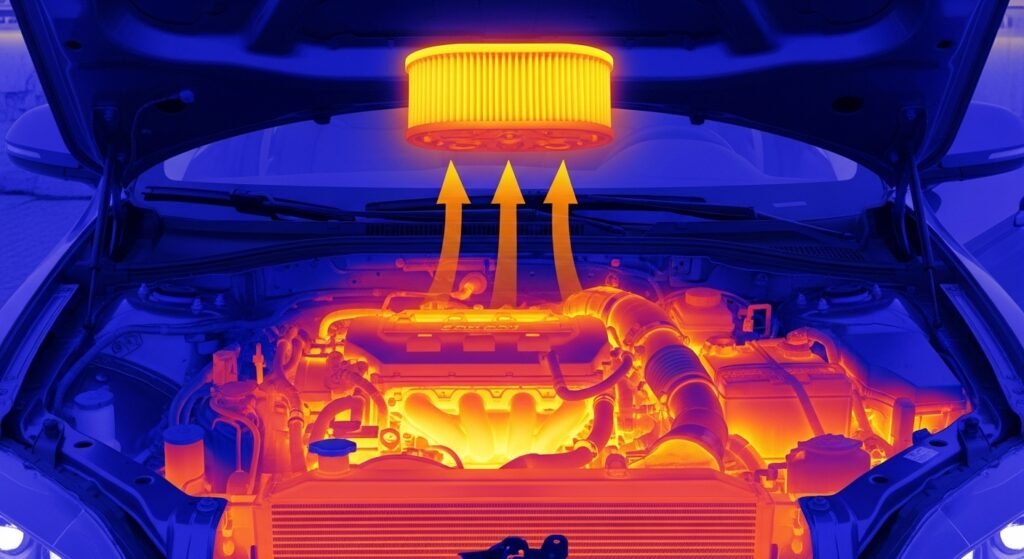
Heat soak happens when your intake pipe gets hot from the engine. This is a big problem for short ram intakes in city traffic. When you sit at a light, the air inside the pipe gets very hot. This can make your car feel sluggish until you start moving again.
Weather Risks

- Hydro-locking is when an engine sucks in water instead of air.
- Hydro-locking is a risk for cold air intakes with very low filters.
- Short Ram Intakes are safer in flood-prone areas because they sit high.
- Bypass Valves can be added to cold air intakes to prevent water damage.
Maintenance and Upkeep

Aftermarket intakes use filters that you can wash and reuse. This saves you money because you don’t have to buy paper filters. However, you do have to keep them clean to get the best performance. A dirty filter will choke your engine and kill your power.
Accessibility
Checking your filter is a breeze with a short ram intake. You just pop the hood and there it is. For a cold air intake, you might have to crawl under the car. This makes it more likely that people will forget to clean their cold air filters.
Filter Longevity
- Dry Filters are easy to clean with just a vacuum or pressurized air.
- Oiled Filters trap more dirt but require a special recharge kit.
- Location Issues mean cold air filters get dirty faster from road salt.
- Cleaning Intervals should be every 10,000 to 15,000 miles for best results.
Cost Analysis
Budget is usually the first thing people look at. You want the most “bang for your buck” when modding. There is a clear price difference between these two popular styles. You get what you pay for when it comes to engineering.
Initial Purchase Price
Short ram intakes are almost always the cheaper option. They use less material and have a simpler design. A high-quality cold air intake can cost twice as much. You are paying for the extra piping and the research to find the best air source.
Long-Term Value
A cold air intake adds more value if you plan to keep the car. The performance gains are more useful for daily driving and highway cruising. If you just want a quick thrill, the short ram is the better value. It gives you the sound and the feel for a low price.
Technical Specifications and Component Breakdown
Not all intake pipes are created equal. You want to look for specific features when shopping online. A cheap eBay intake might actually hurt your performance. It is worth spending a bit more for a brand that does real testing.
Mandrel Bending

Mandrel bending is a way of curving the pipe without wrinkling it. This keeps the inside of the tube perfectly smooth. If a pipe has wrinkles, it creates turbulence in the air. Smooth air moves faster and makes more power for your engine.
Filter Media
- Cotton Gauze filters are the industry standard for high flow.
- Synthetic Dry Media is great for people who don’t want to mess with oil.
- Foam Filters are often used in off-road racing to block fine dust.
Advanced Engineering Concepts
If you want to be an expert, you need to know about airflow. It isn’t just about moving air; it is about how that air behaves. Modern engines are very sensitive to how the air enters the system.
Volumetric Efficiency (VE)
Volumetric efficiency is a measure of how well an engine fills its cylinders. A good intake helps your engine get closer to 100% efficiency. By reducing the effort to pull in air, the intake boosts the VE. This is the secret to getting more power out of the same engine.
Laminar vs. Turbulent Airflow
Laminar airflow is smooth and moves in straight lines. Turbulent air is messy and swirls around inside the pipe. You want laminar flow because it reaches the engine much faster. High-end intakes use special “velocity stacks” to straighten out the air.
Turbocharged vs. Naturally Aspirated Engines
If your car has a turbo, the rules change a little bit. A turbocharger compresses air, which makes it very hot anyway. Because of this, the intake location matters slightly less. However, a good intake still helps the turbo spool up faster.
The Role of the Intercooler
Most turbo cars have an intercooler to chill the air. This part does the heavy lifting for temperature control. In these cars, a short ram intake is often just fine. It lets the turbo breathe easily without needing a massive cold air pipe.
Intake Pressure and Vacuum
A turbo engine creates a huge amount of suction. It needs a very large filter to keep up with the demand. If your filter is too small, it will act like a restriction. Always check that your intake is rated for the power your turbo makes.
Supporting Modifications
An intake is usually just the first step in a build. To get the most out of it, you should look at other parts. Your engine is an air pump, so you need to fix both sides.
ECU Tuning and Mapping
- Modern Computers can learn to handle a basic intake on their own.
- Custom Tunes tell the computer exactly how to use the extra air.
- Power Gains can double if you tune the car after installing an intake.
Exhaust System Synergy
If you put more air in, you have to get more air out. Adding a high-flow exhaust helps complete the cycle. This combination is known as a “Stage 1” upgrade. It makes the engine much more responsive and efficient across the whole rev range.
Troubleshooting and Common Issues
Sometimes things go wrong after a new part is installed. Don’t panic if your car acts weird at first. Most issues are easy to fix with a little bit of patience.
Check Engine Lights (CEL)
The most common problem is a “Lean” code on the dashboard. This means the engine thinks there is too much air and not enough fuel. Check for air leaks around the couplers and clamps. Also, make sure your MAF sensor is plugged in correctly and clean.
Vibration and Rattling
If you hear a clicking sound, the intake might be hitting the car frame. Make sure all the rubber mounts are tight. You can use foam tape to cushion any spots where the pipe touches the body. A secure intake is a quiet and happy intake.
Legal and Warranty Concerns
Before you buy, check your local laws. Some states are very strict about what you can change under the hood. You don’t want to fail an inspection because of a shiny new pipe.
Emissions and CARB Compliance
In states like California, you need a CARB-legal intake. These parts have a special sticker that proves they don’t increase pollution. Always look for this sticker if you live in a strict emissions area. It will save you a huge headache during your next smog check.
Insurance Considerations
It is a good idea to tell your insurance about your mods. While a simple intake won’t raise your rates much, it should be on record. This ensures the part is covered if you are in an accident. Plus, it shows you take good care of your vehicle.
Making the Right Choice
Now it is time to decide: cold air vs hot air intake? Think about your daily drive and your budget. There is no wrong answer, only the answer that fits your life.
Matching Your Driving Style
If you spend all your time on the highway, get a cold air intake. You will love the steady power and better gas mileage. If you just drive to school or work in the city, go with the short ram. The sound and the quick starts make the commute much more fun.
Vehicle Compatibility
Always buy a kit made specifically for your year, make, and model. Universal kits often fit poorly and cause air leaks. A custom-fit kit will include all the right brackets and hoses. It makes the installation go much smoother and looks professional.
Final Verdict
Both cold air and short ram intakes are great upgrades. They are the best way to start your journey into car tuning. You will feel the difference the first time you pull out of your driveway.
| Feature | Cold Air Intake | Short Ram Intake |
| Price | Higher | Lower |
| Install Ease | Moderate/Hard | Very Easy |
| Max Power | Best | Good |
| Engine Sound | Subtle | Aggressive |
| Throttle Feel | Smooth | Instant |
Choose the cold air intake if you want the best performance possible. It is the choice for serious drivers who want efficiency. Choose the short ram intake if you want a fun, loud, and cheap upgrade. Either way, your car will thank you for the extra breath of fresh air.
FAQs About Cold Air vs Hot Air Intake
Can I install a cold air vs hot air intake on a diesel truck?
Yes, diesel engines benefit greatly from improved airflow. Most diesel owners prefer a cold air setup to keep Exhaust Gas Temperatures (EGTs) low. This is especially important when towing heavy loads on long highway stretches.
Does a new intake affect my car’s smog inspection?
It depends on where you live. In states like California, you need a CARB Executive Order (EO) number to pass. Always look for a sticker on the intake pipe that proves it is street-legal in your area.
Will a short ram intake cause my engine to overheat?
No, it won’t make your engine overheat. It pulls in warmer air, but your radiator still cools the engine block. You might see a slight drop in power, but your coolant stays at a safe temp.
Can I build a DIY intake using PVC pipe from a hardware store?
You should definitely avoid using PVC for an intake. Engine bays get hot enough to melt or warp plastic pipes not rated for heat. Plus, PVC can release toxic fumes that might damage your engine sensors over time.
Why do some intakes have a box around the filter?
That box is called a heat shield or an enclosed air box. It helps turn a short ram intake into a hybrid system. It blocks the hot engine air so the filter stays cooler during stop-and-go driving.
Is a dry filter better than an oiled filter?
Dry filters are easier to maintain and won’t mess up your sensors. Oiled filters usually flow more air but require careful cleaning. If you use too much oil, it can gunk up your Mass Air Flow sensor.
How do I know if my intake has a vacuum leak?
Your engine might idle roughly or make a whistling sound at a stop. You might also see a check engine light for a lean fuel mixture. Double-check all your clamps and silicone couplers to ensure they are tight.
Does a cold air vs hot air intake change the way my car shifts?
In some automatic cars, the computer might change shift points slightly. Since the engine makes more torque, the transmission might hold gears a little longer. This usually makes the car feel more aggressive and sporty.
What is a bypass valve and do I need one?
A bypass valve is a small filter mid-way up a cold air intake pipe. It stays closed unless the main filter is fully submerged in water. It acts as an emergency air path to prevent your engine from drinking water.
Can a performance intake improve my towing capacity?
It won’t technically increase the weight you can pull. However, it will make the truck feel less sluggish when pulling a trailer up a hill. The extra oxygen helps the engine maintain power under heavy stress.
Do I need to reset my car battery after installation?
It is a smart move to unhook the battery for ten minutes. This forces the computer to clear its old memory. When you start the car, it will learn the new airflow patterns of your intake right away.
Why does my intake make a loud sucking sound when I turn off the car?
That is just the remaining vacuum leaving the intake manifold. It is totally normal and actually sounds pretty cool to most car enthusiasts. It shows that your intake has a high volume of air ready to go.
Will an intake make my turbo flutter louder?
Yes, aftermarket intakes make turbo noises much more obvious. You will hear the turbo spooling up and the blow-off valve releasing air. It is one of the best parts of upgrading a turbocharged car.
Is carbon fiber better than aluminum for intake pipes?
Carbon fiber is better at resisting heat, so it stays cooler to the touch. It is also lighter, which is great for racing. However, it is much more expensive than a standard aluminum pipe.
Can I use a short ram intake for off-roading?
It is actually better for off-roading than a low-mounted cold air intake. It keeps the filter high up away from mud, deep puddles, and tall grass. For dusty trails, just make sure to use a high-quality pre-filter wrap.
Does the color of the intake pipe affect performance?
The color is mostly for looks, but some coatings help with heat. Ceramic-coated pipes stay cooler than chrome or polished pipes. Most people just pick a color that matches their engine bay theme.
What happens if I install the air filter backward?
Most cone filters only fit one way, so it is hard to do this. If you somehow blocked the flow, the car wouldn’t start or would run very poorly. Always make sure the open end of the filter faces the engine.
Do I need a heat shield if I have a cold air intake?
Usually, you don’t need one because the filter is already outside the engine bay. The car’s body panels act as a natural shield against the engine’s heat. This is why cold air systems are so effective.
Will a short ram intake help my car start better in winter?
It might help a tiny bit because it pulls in air that warms up quickly. However, modern fuel-injected cars don’t really struggle with cold starts like old carbureted cars did.
Can I wash my reusable filter with dish soap?
It is best to use the cleaning kit made by the manufacturer. Dish soap can leave a film or damage the special fabric of the filter. Stick to the proper cleaner to make sure your filter lasts for years.