Skip to content
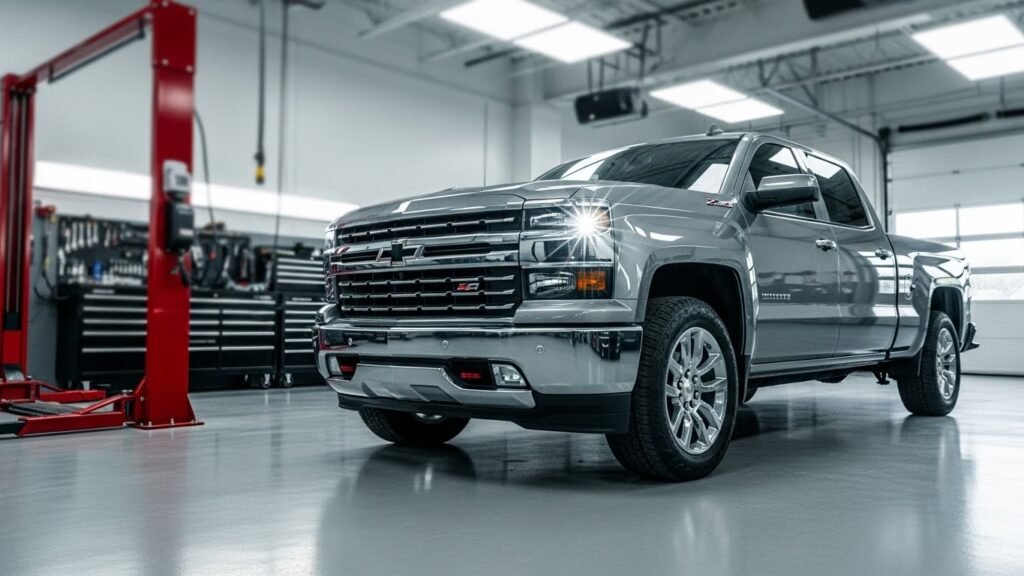
Keeping your truck in top shape is a big deal. You want your ride to last forever. A solid chevy silverado 1500 maintenance schedule helps you do just that. It keeps your engine humming and your tires spinning right.
Introduction to Chevrolet Silverado Ownership and Longevity
The Silverado is a true beast on the road. It shows how much Chevy cares about making a tough truck. People love these trucks because they are super reliable. Owning one is a point of pride for many folks.
You need to take care of this workhorse to keep it happy. Good maintenance helps it perform at its absolute best every single day. Think of it like a gym routine for your pickup. It keeps the truck strong and ready for anything.
Regular service is the secret sauce for a long truck life. It stops small problems from becoming huge, expensive headaches later. You will save a ton of cash by staying ahead of repairs. Plus, you won’t get stuck on the side of the road.
Why the Chevrolet Silverado Requires a Dedicated Maintenance Plan
This truck is super versatile and can do it all. It handles heavy-duty towing and simple grocery runs with ease. Because it works so hard, it needs a specific plan. One size does not fit all for maintenance.
The engineering inside these trucks is top-notch and very powerful. They have advanced towing tech and engines that just won’t quit. These high-performance parts need regular check-ups to stay healthy. Investing in a Silverado means you want lasting durability.
Keeping up with service also helps when you sell the truck. A well-maintained truck has a much higher resale value. Buyers love seeing a clean service record from a pro shop. It proves the truck was loved and cared for properly.
Understanding the General Maintenance Intervals
A good chevy silverado 1500 maintenance schedule follows a 7,500-mile rule. You should head to the shop every time you hit that mark. It makes it easy to remember when to get service. Regular intervals keep the truck running like it is brand new.
Your truck has a cool feature called a Change Engine Oil Soon message. If this light pops up, don’t ignore it for too long. You should get an oil change within the next 600 miles. This helps protect your engine from dirty, old oil.
How you drive also changes how often you need to visit. Driving in dust or towing heavy trailers wears parts out faster. Your service frequency depends on how much you push your truck. Always listen to what your truck is telling you.
Decoding the Driver Information Center (DIC)

The DIC is like your truck’s brain talking to you. It shows maintenance badges and digital warnings on your dashboard. These alerts tell you exactly what the truck needs right now. It takes the guesswork out of taking care of your ride.
The truck actually calculates oil life on its own using smart tech. It looks at engine revolutions and the temperature outside while you drive. This is way more accurate than just counting miles on the odometer. It ensures you get an oil change exactly when needed.
Standard Periodic Maintenance Schedule (7,500 to 22,500 Miles)
The First Milestone: 7,500-Mile Service
The 7,500-mile service is your truck’s very first major check-up. This is a huge milestone for keeping everything running smoothly. It sets the tone for the rest of your truck’s life. Don’t skip this first step in your truck’s journey.
- Oil and filter change is the most important part of this visit. Fresh oil keeps your engine cool and well-lubricated. It prevents metal parts from grinding together and causing damage.
- Tire rotation helps all four tires wear down at the same rate. This makes your tires last much longer and saves you money. It also keeps your truck handling safely on the road.
- Resetting the Oil Life Monitor tells the truck’s computer that you got service. This lets the system start tracking your next interval accurately. It is a simple step that keeps your digital alerts working.
- Multi-Point Vehicle Inspection (MPVI) lets a pro look at everything. They check brakes, fluid levels, and all the safety gear. This helps catch tiny issues before they turn into big ones.
The Yearly Check-Up: 15,000-Mile Service
At 15,000 miles, your truck is likely about a year old. This is the time for a more thorough look at things. It builds on the work done during the first service. Keeping this up ensures your truck stays in peak condition.
- Suspension system inspection ensures your ride stays nice and smooth. Pros check for any leaks or loose parts in the shocks. A good suspension is key for hauling and towing heavy loads.
- Testing exterior lights and signals is vital for staying safe at night. Technicians make sure every bulb and blinker is working perfectly. It keeps you visible to other drivers and prevents tickets.
- Windshield Wiper Blade Replacement keeps your vision clear when it rains. Fresh blades are a must for safe driving in bad weather. It is a cheap fix that makes a huge difference.
- Identifying signs of wear like cracked rubber or streaking on the glass. If your wipers make noise or leave film, they are toast. Don’t wait until a storm to find out they’re bad.
The Two-Year Mark: 22,500-Mile Service
Hitting 22,500 miles usually happens around the two-year mark for drivers. This service adds some new tasks to the list for health. It focuses on keeping the air inside and outside clean. Your truck will thank you for the fresh filters here.
- Passenger compartment air filter replacement is a big focus here. This filter is also known as the cabin air filter. It keeps the air you breathe inside the truck very clean.
- Role of the cabin filter is to block out bad stuff. It stops pollen, dust, and dirt from getting into the vents. This is great for folks with allergies or sensitive lungs.
- Repeat services like oil changes and tire rotations happen again. You never stop doing these basic tasks for truck health. They remain the foundation of any good maintenance plan.
Mid-Life Maintenance and System Overhauls (30,000 to 60,000 Miles)
The 30,000-Mile Significant Milestone
The 30,000-mile mark is a major turning point for your truck. It requires a deeper look at the electrical and fuel parts. Staying on top of this prevents major issues down the road. It ensures your truck stays reliable as it gets older.
- Battery health check involves testing the power and cleaning terminals. Pros look for corrosion that can stop your truck from starting. A strong battery is vital for all the truck’s electronics.
- Fuel system inspection looks for any leaks or clogged parts. A clean fuel system keeps your engine running strong and efficient. It helps you get the best gas mileage possible every day.
- Brake pad and rotor examination ensures you can always stop fast. Technicians check the thickness of the pads for safety and wear. Good brakes are the most important safety feature on your truck.
Approaching Mid-Life: 45,000-Mile Service
At 45,000 miles, your Silverado is reaching the middle of its youth. This service is packed with important fluid and filter changes. It focuses on the hard-working parts like the transmission and brakes. This is a heavy-duty service for a heavy-duty truck.
- Engine air cleaner filter replacement helps your engine breathe easy. A dirty filter can choke the engine and kill your power. Fresh air means better performance and better fuel economy too.
- Brake system flush and inspection is a deep dive into safety. Pros check the brake fluid and all the lines for leaks. It keeps your braking system feeling firm and responsive always.
- Transmission fluid and filter change is vital for smooth shifting. This is especially important if you tow or haul heavy gear. Fresh fluid protects the transmission gears from heat and wear.
- Transfer case fluid replacement is for trucks with 4-wheel drive. It ensures the gears that power all wheels stay lubricated. This keeps your 4WD system ready for any off-road fun.
- Evaporative control system inspection checks for fuel vapor leaks. Technicians look at all the lines and hoses for any cracks. This helps the environment and keeps your truck running right.
Advanced Engine Care: 60,000-Mile Service

The 60,000-mile mark brings some advanced care for the engine. It focuses on the parts that create the spark for power. This service keeps your engine firing on all cylinders perfectly. It is key for maintaining that signature Chevy power and feel.
- Spark plug replacement is required for the 2.7L L4 Turbo engine. Fresh plugs ensure the fuel burns cleanly and efficiently in the engine. This prevents misfires and keeps your idle nice and smooth.
- Spark plug wires and boots inspection looks for any damage. Cracked wires can leak electricity and cause the engine to stumble. Replacing them keeps the power flowing exactly where it should go.
- Coolant level check and drive belt inspection are also done. Technicians look for cracks in the belts that power the engine. Proper coolant levels keep your engine from overheating on hot days.
- Exhaust system functionality check ensures everything is flowing out. Pros check for leaks or rust in the pipes and muffler. A healthy exhaust keeps the truck quiet and running efficiently.
High-Mileage and Long-Term Durability (75,000 to 150,000 Miles)
Specialized Hardware Care: 75,000-Mile Service

When you hit 75,000 miles, it is time for some hardware updates. These parts are often overlooked but are very important for ease. They make using your truck every day a much better experience. It shows you care about the small details of your ride.
- Hood gas struts replacement ensures the hood stays open safely. Worn struts can cause the heavy hood to fall on you. New ones make checking your oil a breeze and much safer.
- Tailgate dampener replacement keeps the tailgate from slamming down. It provides a smooth, controlled opening for your truck’s bed. This protects the truck’s body and your hands from injury.
Major V8 Maintenance: 97,500-Mile Service
If you have a big V8 engine, this mile mark is very important. It is the time for a major tune-up to keep it roaring. The V8 engines are legendary for their power and long life. This service helps maintain that legacy for many more miles.
- Spark plug replacement for the 5.3L and 6.2L V8 engines. These larger engines need fresh plugs to maintain their massive torque. It ensures you can still tow heavy loads without any struggle.
The 100,000-Mile Major Overhaul
The 100,000-mile mark is a massive achievement for any truck owner. It marks the beginning of your truck’s long-term senior years. This overhaul focuses on parts that wear out over a long time. It prepares your truck for the second 100,000 miles of its life.
- Body lift support struts replacement keeps everything held up right. These supports can weaken over a decade of heavy use. New ones keep the truck feeling tight and well-put-together always.
- Secondary transfer case fluid change is done for 4WD models. Keeping this fluid fresh is key for long-term off-road reliability. It protects expensive gears from expensive wear and tear.
- Engine mounts and suspension bushings inspection is a deep dive. Pros check for cracks in the rubber that holds the engine. Good mounts prevent vibrations from shaking the whole truck cabin.
The 150,000-Mile Ultimate Service
Reaching 150,000 miles is a testament to your great care. This ultimate service is about protecting the truck’s core systems. It focuses on cooling and the belts that drive the engine. You are making sure your truck stays on the road for years.
- Engine cooling system drain and refill is the top priority here. Old coolant can become acidic and eat your engine from inside. Fresh coolant prevents rust and keeps the temperature perfectly stable.
- Accessory drive belt replacement is done to prevent a breakdown. These belts are also known as serpentine belts in many trucks. A broken belt will leave you stranded and without any power.
- Vehicle-wide mechanical audit lets a pro look at every single bolt. They look for fraying, cracking, or glazing on all the rubber. It is a total health check for your high-mileage hero truck.
Defining “Severe Service” Conditions

Not everyone drives their truck in the exact same way or place. Some folks put their Silverados through absolute hell every single day. If you do this, you fall under the severe service category. This means you need to visit the shop much more often.
- Regular towing or hauling heavy loads puts extra stress on parts. The engine and transmission have to work much harder to move. This wears out fluids and mechanical parts way faster than normal.
- Dusty, off-road, or mountainous terrain is also severe for trucks. Dust can clog filters quickly and dirt can get into gears. Mountain driving makes brakes and engines run much hotter than usual.
- Commercial usage like delivery work or snow plowing is very tough. These trucks are often running all day without any long breaks. The constant stop-and-go is a major strain on the entire truck.
- Frequent idling in traffic or extreme heat is bad for oil. Idling doesn’t add miles, but it still wears out the engine. Extreme heat can also break down fluids much faster than cool air.
Essential Fluids, Lubricants, and Parts

Using the right stuff in your truck is a huge deal for health. Chevy has specific recommendations for every single fluid and part. Putting the wrong oil or fluid in can cause big damage. Always stick to what the pros at the factory suggest using.
- Engine Oil should be ACDelco dexos1 full synthetic for best results. This oil is specially made to protect modern Chevy truck engines. Make sure to use the correct SAE grade for your specific weather.
- 8-Speed Transmission needs DEXRON-HP ATF to shift correctly every time. This fluid handles high heat and pressure inside the heavy transmission. It ensures your shifts stay crisp and never start to slip.
- 10-Speed Transmission requires DEXRON ULV ATF for its advanced gears. The “ULV” stands for Ultra Low Viscosity for better fuel economy. Using the wrong fluid here can totally ruin the transmission.
- Transfer Case on 4WD models uses DEXRON-VI ATF for lubrication. This protects the gears that send power to your front wheels. It is vital for keeping your 4-wheel drive working when needed.
- Engine Coolant must be a 50/50 mix of water and DEX-COOL. This specific coolant prevents corrosion inside the aluminum engine parts. It also has a high boiling point for heavy towing days.
- Brake System uses DOT 4 Brake Fluid for the best stopping power. This fluid doesn’t compress, so your brake pedal always feels firm. It also handles the high heat generated during long downhill hauls.
The Multi-Point Vehicle Inspection (MPVI) Process

The MPVI is a total health scan for your beloved Chevy truck. A certified technician goes through a long checklist of every part. They use a color-coded system to tell you what needs work. It gives you total peace of mind before a long trip.
- Brake, suspension, and steering are checked for any play or wear. They make sure the truck stays straight and stops perfectly every time. This keeps you in total control of the vehicle on any road.
- Battery and electrical systems are tested with special pro tools. They check the battery’s charge and look at all the heavy cables. This ensures you never get stuck with a truck that won’t start.
- Leak checks involve looking under the truck for any dripping fluids. They check the transmission, engine oil, and the cooling system lines. Finding a leak early saves you from a total engine failure.
- General items like wipers, lights, and exhaust are also looked over. They even check your tire pressure and tread wear for safety. It is a complete “top to bottom” look at your pickup truck.
Best Practices and Maintenance Warnings
There are some big “no-nos” when it comes to truck care. Knowing what to avoid is just as important as the service. These rules help you stay within your factory warranty terms. Following them keeps your truck happy and your wallet full.
- Never skip oil changes or go way over the 7,500-mile limit. Old oil turns into sludge and will eventually kill your engine. Regular changes are the cheapest way to keep a truck forever.
- Never use unapproved chemical flushes or weird cleaning solvents. These can damage sensitive seals and gaskets inside the powertrain. Stick to what the owner’s manual says is safe for your truck.
- Avoid power washing the transfer case or any of the axle seals. High-pressure water can force its way past the seals into gears. This contaminates the fluid and can lead to very loud noises.
- Don’t reset the oil life system unless you actually did the work. This “tricks” the computer and can lead to driving with bad oil. Only hit that reset button once the fresh oil is in.
Addressing Accidental Resets
Sometimes you or a kid might accidentally hit the reset button. If this happens, don’t panic, but you do need a plan. You have lost the truck’s way of tracking your oil life. You need to play it safe to protect your engine from wear.
- The 3,000-mile rule is a good backup plan to follow here. If the system is reset, get service within 3,000 miles of the last one. This ensures you aren’t driving on “mystery” oil for too long.
Specialized Care for Work and Utility Trucks
Work trucks live a very different life than a daily driver. They often spend hours idling at a job site or shop. This puts a different kind of wear and tear on the engine. You have to account for this time when planning your service.
- The Idle Time Conversion Rule is a simple math trick for owners. You should count 1 hour of idling as 33 miles of driving. If your truck idles all day, it might need service much sooner.
- Utility vehicle care requires more frequent looks at the cooling system. Idling doesn’t have the natural airflow of driving to cool the engine. This makes the fans and radiator work much harder to stay cool.
Professional Service vs. DIY Maintenance
You might be tempted to do all the work in your driveway. While basic stuff is okay, modern trucks are very complex. They are packed with computers and high-tech sensors everywhere. Sometimes it is best to leave it to the trained pros.
- Complex electronics can be easily damaged if you aren’t careful. Pros have the expensive computers needed to talk to your truck. They can see “hidden” codes that a normal scanner might miss.
- Dealer Service benefits include having a certified pro on the job. They use specialized tools that are made just for your Silverado. They also keep a digital record of every service ever done.
- Amenities at the dealer make the experience much more pleasant. Many offer free shuttles, loaner cars, and free Wi-Fi in the lobby. It takes the stress out of taking your truck to the shop.
Conclusion: Driving with Confidence
Following a chevy silverado 1500 maintenance schedule is the best thing you can do. It keeps your truck strong, safe, and ready for any job. You are protecting a huge investment and ensuring it lasts for years. A little care today goes a very long way tomorrow.
Take a look at your odometer and see where your truck stands. If you are due for service, don’t wait another single day. Schedule an appointment with a pro to keep your truck running great. You will enjoy every single mile knowing your truck is healthy.
| Mileage Interval | Service Requirements | Parts or Fluids Involved |
| 7,500 Miles | Basic Engine & Safety Service | Engine Oil, Oil Filter, Tire Rotation, Multi-Point Inspection |
| 15,000 Miles | Visibility & Suspension Check | Engine Oil, Oil Filter, Windshield Wiper Blades, Suspension Lube |
| 22,500 Miles | Cabin Air Quality Service | Engine Oil, Oil Filter, Passenger Compartment (Cabin) Air Filter |
| 30,000 Miles | Fuel & Electrical Systems Audit | Engine Oil, Oil Filter, Battery Cleaning, Fuel System Inspection |
| 37,500 Miles | Routine Maintenance | Engine Oil, Oil Filter, Tire Rotation, Brake Inspection |
| 45,000 Miles | Major Fluid & Filtration Overhaul | Engine Air Filter, Cabin Filter, Transmission Fluid, Brake Fluid Flush |
| 52,500 Miles | Routine Maintenance | Engine Oil, Oil Filter, Tire Rotation, Multi-Point Inspection |
| 60,000 Miles | Advanced Engine Tune-Up (2.7L) | Spark Plugs (2.7L Engine), Spark Plug Wires, Drive Belt Inspection |
| 75,000 Miles | Hardware & Support Service | Hood Gas Struts, Tailgate Dampener, Transmission Fluid (Severe) |
| 90,000 Miles | Secondary Fluid Overhaul | Engine Air Filter, Evaporative Control System Check, Transmission Fluid |
| 97,500 Miles | V8 Engine Tune-Up | Spark Plugs (5.3L or 6.2L V8), Spark Plug Wires |
| 100,000 Miles | Long-Term Component Support | Body Lift Struts, Transfer Case Fluid (4WD), Engine Mount Check |
| 150,000 Miles | Ultimate High-Mileage Protection | Engine Coolant (Drain/Fill), Serpentine Belt, Detailed Mechanical Audit |
FAQs
What should I do if my Silverado is shaking while idling?
Excessive vibration during a stop usually points to worn engine mounts or fouled spark plugs. If the maintenance light isn’t on, check for a dirty fuel injector or a vacuum leak. High-mileage trucks may need the throttle body cleaned to restore a smooth idle.
Is the maintenance schedule different for the Silverado EV?
Yes, the electric version skips oil changes, spark plugs, and transmission fluid services entirely. Owners focus on battery coolant loops, tire rotations, and cabin air filters. Brake pads also last longer on the EV due to regenerative braking systems.
How do I check the transmission fluid level in a newer Silverado?
Most modern Silverados use a sealed transmission without a traditional dipstick under the hood. To check the level, a technician must use a plug located on the side or bottom of the transmission case. This requires the truck to be level and at a specific operating temperature.
Can I use a different brand of coolant besides DEX-COOL?
Mixing different types of coolant can lead to a thick sludge that clogs your radiator and heater core. Always stick with the orange DEX-COOL approved fluid to prevent chemical reactions. If you must switch, the entire system requires a professional chemical flush first.
Why is my truck making a clicking noise when I turn the steering wheel?
This often indicates that the CV axle boots have torn and the grease has leaked out. When dirt enters the joint, it begins to wear down the metal components. Replacing the CV axle early prevents a total loss of steering control.
Does the Silverado 1500 have a replaceable fuel filter?
Most gasoline models use a fuel filter that is integrated into the fuel pump assembly inside the gas tank. This part is considered “lifetime” and isn’t replaced unless the fuel pump fails. Only the Duramax diesel models feature an external filter that needs regular swapping.
How often should I inspect the differential fluid?
For standard driving, checking the front and rear differential fluid every 30,000 miles is sufficient. If you frequently submerge the axles in water while off-roading, you should check it immediately after. Water contamination turns the gear oil milky and causes rapid gear wear.
What causes the “StabiliTrak” warning light to turn on?
This light often triggers due to a faulty wheel speed sensor or a misaligned steering angle sensor. Because the system relies on brake and engine data, even a dirty throttle body can sometimes trigger it. A professional scan tool is required to find the specific sensor at fault.
How do I maintain the Z71 off-road suspension components?
The Rancho shocks found on Z71 models should be inspected for oil leaks or “sweating” every 15,000 miles. Ensure the skid plates are tightened and clear of debris like rocks or dried mud. Mud trapped against the frame can hold moisture and lead to premature rust.
When should I replace the serpentine belt tensioner?
The tensioner should be replaced if you notice the belt “chirping” or if the tensioner arm is vibrating excessively. Most pros recommend replacing the tensioner whenever you install a new serpentine belt at 150,000 miles. This prevents the new belt from slipping or wearing unevenly.
Why does my air conditioning smell like mildew?
This happens when moisture sits on the evaporator core and grows mold. Replacing your cabin air filter usually solves the smell. You can also run the fan on high with the A/C off for the last minute of your drive to dry the system out.
Are there specific maintenance steps for the Multi-Flex Tailgate?
Keep the hinges and the inner gate release mechanism clear of sand and gravel. Periodically spray the pivot points with a dry silicone lubricant to keep the movement smooth. Avoid using heavy grease, as it attracts dirt that can jam the electronic latches.
How do I maintain the factory spray-in bedliner?
Simply wash it with soap and water to keep it looking new. Avoid using silicone-based “tire shine” products on the liner, as they make the surface dangerously slippery. If the liner gets gouged, Chevy dealers offer touch-up kits to prevent rust on the exposed metal.
What is the service interval for the transfer case on Auto-4WD models?
If you use the “Auto” setting frequently, the internal clutches in the transfer case wear faster. It is safer to change this fluid every 50,000 miles rather than waiting for the 100,000-mile mark. Fresh fluid keeps the clutch engagement smooth and prevents “binding” during turns.
Why do my brakes squeal even though the pads are thick?
This is often caused by a buildup of brake dust or glazed rotors from overheating. Sometimes, a lack of lubricant on the back of the brake pads causes high-frequency vibration. A quick cleaning and application of brake grease to the contact points usually silences the noise.
How do I protect my truck’s frame from road salt and rust?
Regularly wash the undercarriage during winter months to remove salt buildup. Applying a lanolin-based or oil-based undercoating can provide a barrier against corrosion. Avoid rubberized undercoatings, as they can trap moisture against the metal and accelerate rotting.
Is there a specific break-in period for a new Silverado?
For the first 500 miles, avoid full-throttle starts and try to vary your speeds. Do not tow a trailer for the first 1,000 miles to allow the differential gears to wear in properly. Changing the oil after the first 1,000 miles is a common “enthusiast” practice, though not strictly required by Chevy.
How can I tell if my active fuel management (AFM) system is failing?
Symptoms include a noticeable shudder when the engine switches between V4 and V8 modes or excessive oil consumption. Some owners notice a “ticking” sound from the lifters. Regular oil changes with high-quality synthetic oil are the best way to prevent AFM hardware failure.
What maintenance is required for the Silverado’s sunroof?
Clean the rubber seals with a damp cloth and apply a light coat of Krytox or silicone grease. Clear the drainage holes in the corners of the sunroof track using compressed air or a thin wire. Clogged drains are the number one cause of water leaking into the truck’s headliner.
How often should I check the torque on my lug nuts?
You should check the torque after the first 100 miles following a tire rotation or wheel removal. Heat cycles can cause lug nuts to seat differently or loosen slightly. Ensuring they are at the factory-specified torque prevents wheel vibration and warped brake rotors.