Skip to content
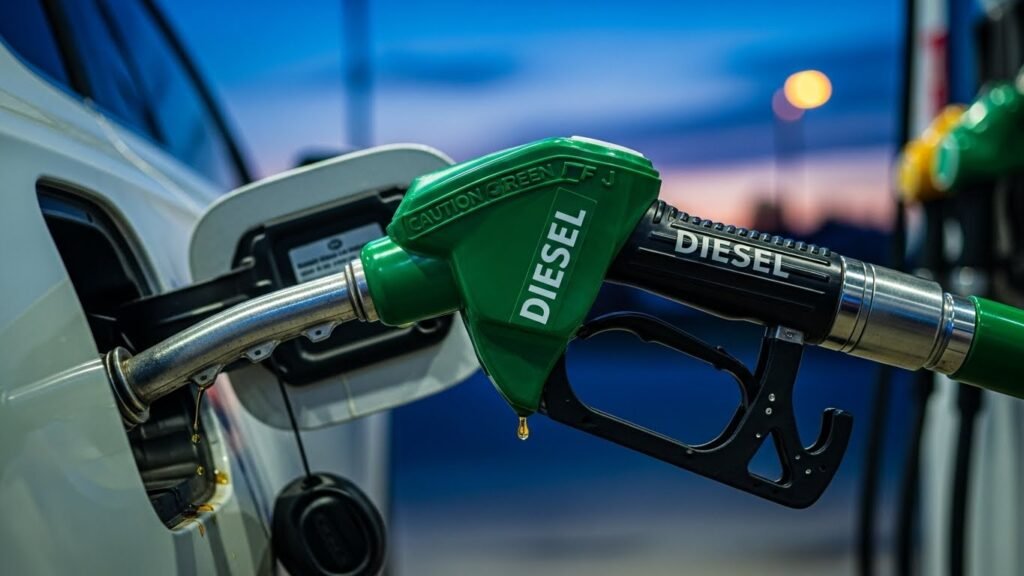
Mistakes happen at the pump every single day. You might be tired or just in a rush. If you ever wonder what happens if you put diesel in a gas car, you are not alone. This guide will walk you through everything you need to know. We will cover the risks and the best ways to fix the problem fast. Understanding this mix-up can save you a ton of money and stress.
Immediate Actions to Take After a Fueling Error
If you realize the mistake while still at the pump, stay calm. The very first thing to do is keep the engine off. Do not even turn the key to the on position. This keeps the bad fuel out of your engine’s main parts.
- The Golden Rule: DO NOT Start the Engine: This is the most critical step to prevent diesel from being drawn into the fuel system.
- Leave the Ignition Off: Avoid turning the key to the “accessory” position because this can prime the fuel pump and move diesel toward the engine.
- Do Not Panic: Stay calm to ensure you follow the correct safety and mechanical protocols.
- Safe Shutdown: If the vehicle is already running, pull over safely and turn off the engine immediately to limit the spread of contamination.
- Call for a Tow: Your vehicle must be transported to a professional service center or a specialized “wrong fuel” recovery team.
- Document the Incident: Save your fuel receipt and note the approximate amount of diesel pumped into the gas tank.
Why Diesel is Damaging to Gasoline Engines
Diesel and gasoline are very different chemicals. They burn in ways that do not mix well. When diesel enters a gas engine, it causes a lot of mechanical trouble. The car will struggle to stay running or might not start at all.
- The Octane Discrepancy: Gasoline engines require high octane to prevent premature ignition, but diesel has a very low octane rating of 25–30.
- Contamination Levels: The severity of the damage is directly proportional to the ratio of diesel to gasoline in the tank.
- Poor Vaporization: Gasoline is volatile and vaporizes easily, while diesel is a heavier oil that does not atomize well in a gas engine.
- Systemic Damage: Diesel can cause a chain reaction of failures across interconnected engine components like injectors and sensors.
Scientific Differences Between Diesel and Gasoline Fuel
To understand why this happens, we have to look at the science. Diesel is essentially a light oil. Gasoline is more like a solvent. They have different weights and energy levels.

Physical Properties and Composition
Diesel is much thicker than gas. It feels oily to the touch. This thickness makes it hard for gas engine parts to move it around.
- Density and Weight: Diesel is roughly 14% heavier and denser than gasoline.
- Viscosity: Diesel is thicker and has a higher viscosity, which means it flows much slower than gasoline.
- Energy Content: Diesel contains approximately 14% more energy per gallon than gasoline due to its density.
Ignition and Combustion Mechanics
Gas engines use a spark to start a fire. Diesel engines use heat and pressure. This is why diesel does not like to light up in a gas car.
- Autoignition Temperature: Diesel has a much lower autoignition temperature than gasoline.
- Ignition Method: Gasoline engines use spark-plug-controlled combustion, which is incompatible with the physical requirements of burning diesel.
- Fuel Buoyancy: In a fuel tank, gasoline is lighter and will float on top of diesel, which can cause the fuel pickup to suck in pure diesel first.
Symptoms of Diesel Contamination in a Gas Car
If you did start the car, you will notice problems quickly. The car will not feel right. You might see or hear things that scare you. These are warning signs that the fuel system is failing.

- Hard Starting or Failure to Start: If diesel concentration is high, the engine will likely fail to ignite at all.
- Engine Misfires and Rough Idling: The spark plugs will struggle to ignite the heavy diesel oil, leading to erratic engine behavior.
- Visible Exhaust Smoke: Burning diesel in a gas engine typically produces thick, localized smoke that is often black or blue.
- Significant Loss of Power: The vehicle will hesitate and feel sluggish during acceleration.
- Check Engine Lights: Modern sensors will trigger “Check Engine” warnings or fault codes related to fuel pressure.
- Engine Knocking: The low octane of diesel causes pre-detonation or knocking sounds that can damage internal hardware.
Mechanical Risks and Long-Term Internal Damage
The damage can go beyond just the fuel tank. Diesel can ruin parts that cost thousands of dollars. It leaves a sticky residue everywhere it goes. This residue is hard to clean out.

- Clogging and Gumming: Diesel’s density can gum up or clog fuel lines, injectors, and the fuel rail.
- Component Fouling: Unburned diesel leaves soot and oily deposits on spark plugs and oxygen sensors.
- Catalytic Converter Failure: Misfires allow raw fuel to reach the catalytic converter, causing it to overheat and potentially melt.
- Oil Contamination and Thinning: Diesel can seep past piston rings into the oil pan, thinning the engine oil and compromising lubrication.
- Engine Seizure: In the worst-case scenario, attempting to drive with heavy contamination can cause the motor to seize entirely.
The Professional Repair and Recovery Process
A mechanic will need to perform several steps to fix your car. It is not as simple as just adding more gas. The entire path the fuel takes must be cleaned. This ensures no oily residue remains to cause future issues.

- Draining the Fuel Tank: The first step is a complete removal of the contaminated fuel mixture from the tank.
- System Flush: Technicians must flush the fuel lines, fuel rail, and injectors to remove any leftover diesel.
- Fuel Filter Replacement: The filter is often replaced to prevent future clogs from trapped diesel particles.
- Component Disassembly: In severe cases, a technician may need to take apart the fuel system for deep cleaning.
- Post-Repair Testing: The system is refilled with fresh gasoline and tested for proper combustion.
Professional Help vs. DIY: Can You Fix It Yourself?
You might be tempted to try and fix this at home. However, modern cars make this very difficult. Working with fuel is also quite dangerous. It is usually best to leave it to the pros at a service center.
The Dangers of DIY Siphoning
Siphoning gas is an old-school trick. It does not work well on new cars. It can also make you very sick.
- Toxicity and Health Risks: Inhaling fuel vapors or accidental ingestion during siphoning is extremely hazardous to your health.
- Anti-Siphon Valves: Most modern cars have anti-siphon valves that make it impossible to reach the fuel with a simple hose.
- Fire Hazards: Handling large quantities of fuel without professional equipment creates a high risk of static sparks and fire.
When to Call the Experts
Experts have the right tools for the job. They can do it faster and safer. They also know how to get rid of the bad fuel properly.
- Specialized Equipment: Professionals use vacuum extraction units that ensure every drop of contamination is removed.
- Disposal Requirements: Mechanic shops have legal and environmentally safe ways to dispose of contaminated mixed fuel.
The Financial and Legal Aspect of Misfueling
Repairing a misfueled car can be expensive. The price depends on if you drove the car or not. You should also check your insurance policy. Some policies might help pay for the mistake.
- Estimated Cost of Repairs: A simple tank drain might cost a few hundred dollars, but a full system overhaul can cost thousands.
- Insurance Coverage: Some comprehensive insurance policies cover “wrong fuel” accidents under “sudden and accidental” clauses.
- Gas Station Liability: In rare cases, the station may be at fault if their underground tanks were cross-contaminated.
Environmental Impact of Fuel Contamination
Mixed fuel is considered hazardous waste. You cannot just pour it down the drain. It can hurt the earth and the water. Proper disposal is a must for everyone’s safety.
- Groundwater Risks: Professional disposal is vital to prevent fuel from entering storm drains and poisoning water.
- Emissions Damage: Running diesel through a gas engine temporarily spikes harmful exhaust pollutants and soot.
- Recycling the Mixed Fuel: Specialized facilities can sometimes separate or repurpose contaminated fuel for industrial use.
Modern Vehicle Technology and Fuel Errors
New cars have very tight tolerances. They are much more sensitive to the wrong fuel than old trucks. Computer systems will try to help, but they have limits. Technology is also trying to prevent these errors from happening.

- Direct Injection Engines: Modern GDI engines are much more sensitive to diesel contamination than older port-injection models.
- Engine Management Systems (ECU): The car’s computer tries to adjust for the bad fuel but will eventually put the car into “limp mode.”
- Diesel Nozzle Safeguards: Most diesel nozzles are larger than gas nozzles to physically prevent them from fitting into a gas tank.
Comparing Mistakes: Diesel in Gas vs. Gas in Diesel
Putting gas in a diesel truck is actually much worse. Diesel fuel is meant to lubricate the engine. Gas is a solvent that strips that lubrication away. This causes parts to grind together and break instantly.
Gas in a Diesel Engine
- Increased Danger: This is generally considered the more dangerous and costly mistake for the engine’s health.
- Lack of Lubrication: Gasoline lacks the lubricating properties that diesel fuel pumps and injectors require.
- Detonation Issues: Gasoline ignites too early in a diesel engine, causing catastrophic mechanical failure.
Diesel in a Gas Engine
- The Cleaning Requirement: The primary issue is the engine’s inability to burn the fuel, necessitating a deep clean.
Prevention and Education
The best way to fix this problem is to never let it happen. Pay close attention every time you pull up to the pump. Look at the colors and read the labels carefully.
- Mindful Refueling: Always double-check the pump handle color and labels before engaging the trigger.
- Understanding Nozzle Sizes: Be aware that while diesel nozzles are usually larger, this is not a foolproof safeguard at every station.
- Professional Consultation: If you suspect a fuel mix-up, always consult with a professional service center immediately.
| Fuel Type | Octane/Cetane | Density | Primary Ignition |
| Gasoline | 87-93 Octane | Lighter | Spark Plug |
| Diesel | 40-55 Cetane | Heavier | Compression/Heat |
Frequently Asked Questions
What should I do if I already drove several miles before realizing the mistake?
If you have already driven the car, pull over immediately in a safe location and turn off the engine. The further you drive, the more diesel is pushed into the sensitive components like the fuel injectors and the catalytic converter. You will need a full system flush rather than just a tank drain, so be prepared to tell the mechanic exactly how far you traveled.
Is it possible for a gas engine to eventually burn off a tiny amount of diesel?
While a very small amount of diesel (less than 2% of the total tank volume) might eventually pass through an older, less sensitive engine with some stuttering, it is never recommended to try this. Modern engines with high-pressure fuel systems and complex sensors can suffer damage from even a minor amount of oil-based fuel. The cost of a tank drain is always cheaper than replacing clogged fuel injectors.
Will putting diesel in a gas car void my manufacturer warranty?
Most manufacturer warranties do not cover damage caused by using the incorrect fuel, as this is classified as owner error or “misuse” rather than a defect in materials or workmanship. However, if you have the system professionally cleaned immediately, it may not impact your future warranty claims for unrelated parts. Always keep your receipts for the professional cleaning as proof of proper maintenance.
Can diesel fuel ruin the fuel pump in a gasoline car?
Yes, because diesel is much thicker and heavier than gasoline, it forces the fuel pump to work significantly harder to push the fluid through the lines. This extra strain can cause the pump motor to overheat or burn out. Furthermore, if the diesel is contaminated with any debris, it can lead to physical blockages within the pump’s internal housing.
Why do some gas stations use green handles for gasoline?
While green is the standard color for diesel in the United States, there is no federal law requiring specific colors. Some brands, like BP, famously use green handles for their regular gasoline. This lack of standardization is a leading cause of misfueling accidents, making it vital to read the actual button or label rather than relying on handle color.
Does diesel fuel affect the oxygen sensors in a gas car?
Oxygen sensors are designed to read the gasses from burned gasoline; they are not built to handle the heavy, oily soot produced by burning diesel. If diesel reaches the exhaust, it can coat the sensor tip in a thick layer of carbon. This prevents the sensor from reading accurately, which triggers the check engine light and ruins your fuel economy.
Is the smell of diesel hard to get out of the car after a spill?
Diesel is an oil-based fuel and does not evaporate nearly as quickly as gasoline. If you spill it on your hands, clothing, or the vehicle’s upholstery during a fueling error, the smell can linger for weeks. You will need specialized degreasers or heavy-duty cleaners to break down the oil molecules and remove the odor completely.
Can a mobile fuel drain service fix my car at the gas station?
In many areas, specialized mobile “wrong fuel” recovery vans can come directly to your location at the gas station. These units are equipped with high-powered vacuum systems to suck the fuel out of your tank on the spot. This is often faster and cheaper than a tow, but it only works if you haven’t started the engine and moved the fuel into the deeper engine parts.
What is the specific shelf life of diesel compared to gasoline?
Diesel fuel actually lasts longer than gasoline. Gasoline typically starts to degrade after three to six months, while diesel can remain stable for six to twelve months if kept cool and dry. However, once diesel is mixed with gasoline in your tank, the chemical stability of both fuels is compromised, and the mixture should be removed as soon as possible.
Can diesel fuel cause the engine oil to turn black?
If you drive with diesel in your gas car, some of the unburned fuel can leak past the piston rings and enter the oil pan. This process, known as “fuel dilution,” will not only thin out the oil but also introduce soot and carbon into the lubrication system. This turns the oil black and gritty, which can cause premature wear on the engine’s bearings.
Are older carbureted engines safer from diesel damage than fuel-injected engines?
Older cars with carburetors are generally more “forgiving” because they lack the delicate, high-pressure injectors found in modern cars. They might smoke heavily and run poorly, but they are often easier and cheaper to clean. Modern cars with Gasoline Direct Injection (GDI) have much tighter tolerances and are much more likely to suffer expensive damage.
Will a gas car pass an emissions test if it had a recent diesel mix-up?
Not immediately. After the system is cleaned, you usually need to drive the car for a few days to clear out the “readiness monitors” in the car’s computer. If any diesel residue fouled the oxygen sensors or the catalytic converter, the car will fail the emissions test until those specific parts are cleaned or replaced.
Is there a chemical additive that can neutralize diesel in a gas tank?
No, there is no “magic” chemical or additive that can turn diesel into gasoline or make it safe to burn in a spark-ignition engine. Any product claiming to do so is likely a scam. The only way to fix the issue is the physical removal of the incorrect fuel and a fresh fill of high-octane gasoline.
Does diesel fuel freeze or gel inside a gas car’s lines?
In extremely cold temperatures, diesel can undergo “gelling,” where the paraffin wax in the fuel crystalizes. Gasoline does not gel in this way. If you have a diesel mix-up in the winter, the fuel can turn into a thick, waxy slush that completely blocks the fuel lines, making the cleaning process much more difficult for a mechanic.
Can putting diesel in a gas car cause a fire?
While diesel is less flammable than gasoline under normal conditions, the misfiring and backfiring caused by the wrong fuel can create dangerous conditions. If unburned diesel accumulates in the exhaust system and the catalytic converter becomes red-hot, it could potentially ignite surrounding components or debris under the car.
Why doesn’t the diesel nozzle always stop me from fueling?
Most diesel nozzles at standard passenger pumps are designed to be wider than gas filler necks. However, some stations use smaller high-flow diesel nozzles, or the gas car’s filler neck might be worn or designed in a way that allows the larger nozzle to sit just far enough in to pump. You should never assume the nozzle size will protect you.
What happens to the spark plugs after they are exposed to diesel?
Spark plugs in a gas engine are meant to stay dry and clean to create a strong arc. Diesel is an oil that “wets” the spark plug. This coating prevents the spark from jumping the gap, leading to a “fouled” plug. In many cases, the plugs must be removed and cleaned with a wire brush or replaced entirely after a misfueling event.
Can diesel contamination affect the car’s fuel gauge?
In some vehicles, the fuel sending unit uses a float and an electrical sensor that is calibrated for the density of gasoline. Because diesel has a different density and can leave an oily film on the sensor components, it can sometimes cause the fuel gauge to give inaccurate readings until the tank has been thoroughly cleaned and refilled with the correct fuel.
Is it true that diesel has more energy than gasoline?
Yes, diesel fuel has a higher energy density, meaning there is more raw power in a gallon of diesel than in a gallon of gas. However, because a gas engine cannot compress the fuel enough to unlock that energy, that extra power is useless and actually becomes a hindrance as it fails to combust properly.
Should I change my fuel lines after a diesel accident?
In most cases, the fuel lines do not need to be replaced. They are typically made of high-grade plastic or metal that can handle both fuel types. A professional high-pressure flush is usually enough to remove the diesel residue. Replacement is only necessary if the lines were already old, cracked, or if the diesel sat for an extremely long period and caused the rubber seals to swell.