Skip to content
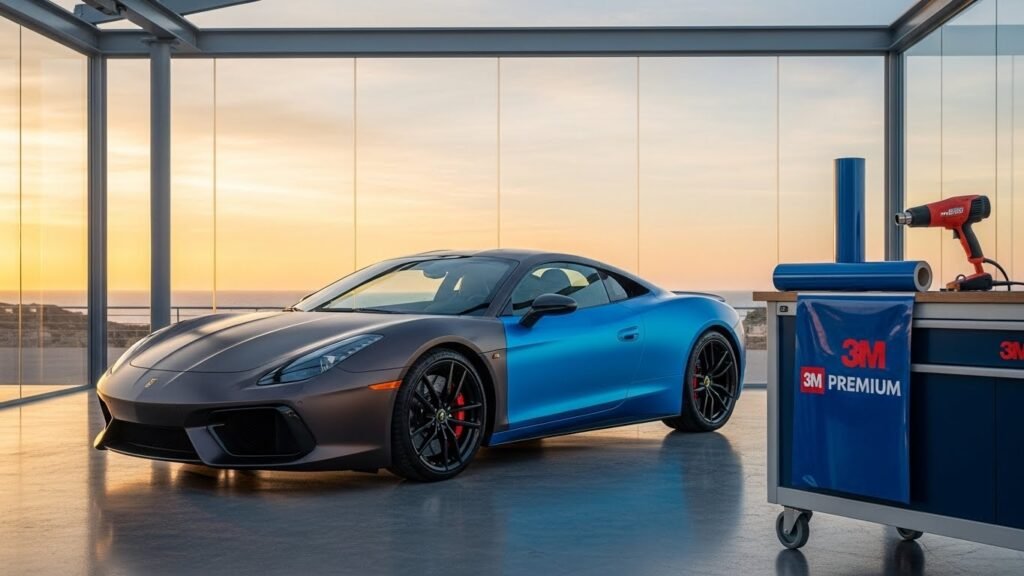
Getting a fresh look for your ride is a total blast. You might want a wild color or a sleek finish without the heavy price of a new paint job. But before you drop your cash, you probably have one big question on your mind. You want to know exactly how long does a car wrap last. Most people hope their new style stays looking sharp for many years. It is not just about the cool factor but also about getting your money’s worth. This guide breaks down everything you need to know about keeping your wrap alive and well.
Vinyl Car Wrap: What Is It?
A vinyl wrap is basically a giant high-tech sticker for your entire car. It lets you change the color or add graphics without doing anything permanent to the metal. It is a smart way to protect your factory paint while showing off some personality. There are two main ways these films are made, and they act very differently. Understanding these types is the first step to knowing how long your project will hold up.
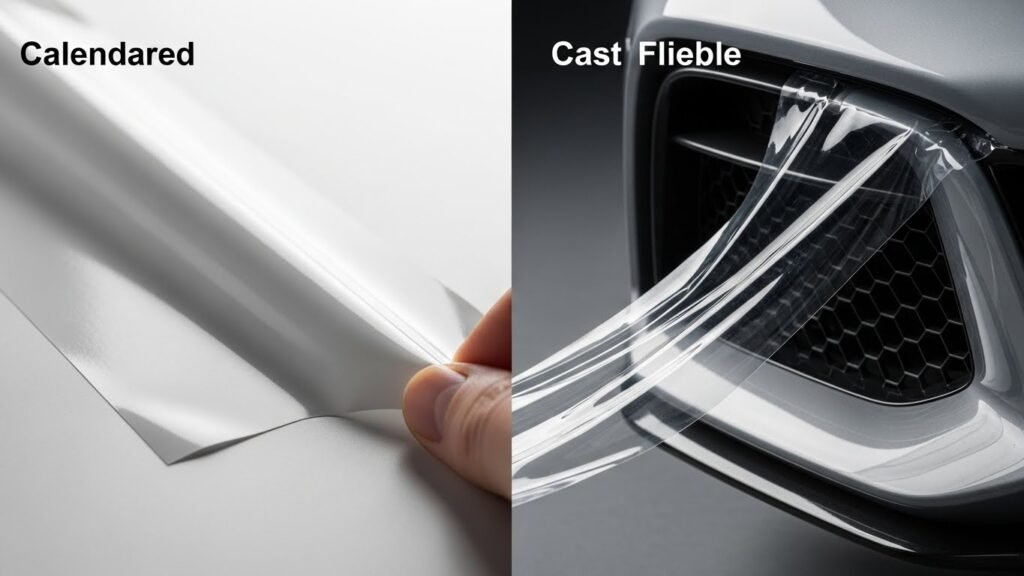
- Calendared PVC Films: These are made by heating and pressing the vinyl into a shape through rollers. They are usually thicker and do not like to bend as much. This type is great if you want a cheap option for a flat surface. However, they tend to shrink over time because they were forced into their shape.
- Cast PVC Films: These start as a liquid that is poured out and then cured. This makes them very thin and super flexible for those tricky car curves. They are known as “memory-free” because they do not try to shrink back. Professionals love these because they last much longer and look way better.
The Average Lifespan of a Car Wrap
On average, a solid car wrap will hang out for about 5 to 7 years. This is the sweet spot if you use high-quality materials and treat the car right. Of course, this time frame can change based on how you drive and where you live. A car that sits in a dark garage will always outlast one sitting in the street. If you see the edges starting to lift or colors changing, the wrap is likely getting old.
- Typical Duration: Most pros say you can expect a good 5 to 7 year run with premium film.
- The Role of Storage: Keeping your car in a garage is like a fountain of youth for vinyl.
- Wear and Tear: Natural aging happens, but big bubbles or massive fading mean it is time for a change.
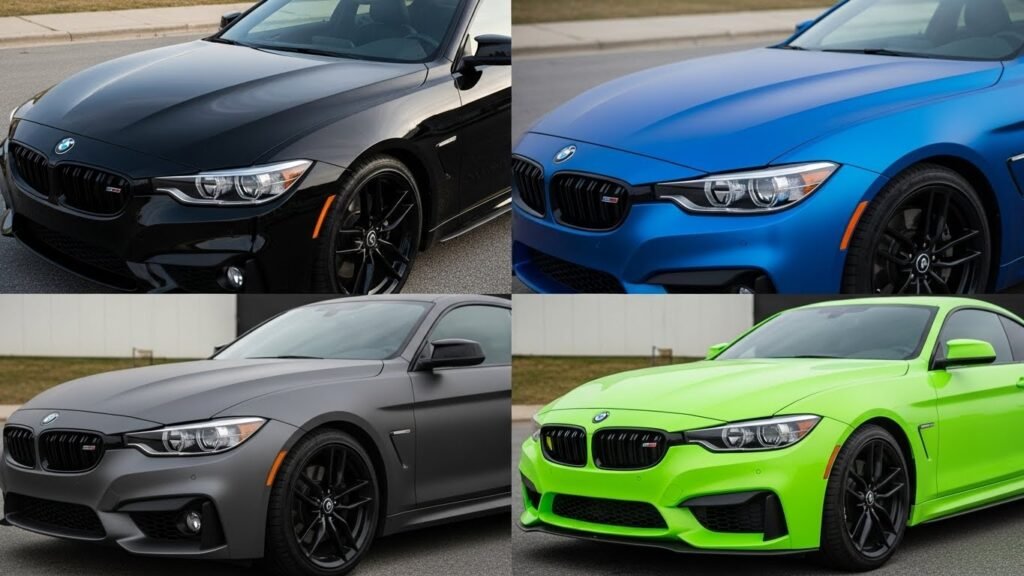
The Different Vinyl Wrap Finishes and Their Specific Durability
The finish you choose does more than just look cool. It actually plays a huge part in how long does a car wrap last. Some finishes are tough as nails, while others are a bit more delicate. You should pick your finish based on how much work you want to do to keep it clean. Let’s look at the most common options people pick for their vehicles.
Gloss Wraps
Gloss wraps are the most common choice because they look like real paint. They have a shiny surface that helps bounce off some of the sun’s rays. These are usually the toughest ones in the bunch.
- Longevity: You can usually get a solid 3 to 7 years out of these.
- Maintenance: They are easy to wash and hide tiny scratches better than other types.
Satin Wraps
Satin wraps are for people who want a look that is not too shiny but not totally flat. They have a smooth, silky glow that looks great at night. They fall right in the middle for durability.
- Longevity: Expect these to stay looking fresh for about 3 to 5 years.
- Appearance: They do a great job of showing off the body lines of your car.
Matte Wraps
Matte wraps have no shine at all and look very stealthy. They are a bit harder to care for because they soak up oils and dirt. You have to be careful with them during the hot summer months.
- Longevity: These typically last around 3 to 5 years with good care.
- Special Care: You cannot use regular wax on them or they will start to look shiny and weird.
Chrome Wraps
Chrome is the ultimate “look at me” finish with its mirror-like shine. While it looks amazing, it is also the most fragile option you can buy. It shows every single fingerprint and scratch immediately.
- Longevity: Most chrome wraps only last 1 to 3 years before they start to dull.
- Sensitivity: They are very prone to damage from small rocks and harsh weather.
Fluorescent Wraps
These are the neon colors that really pop in the daylight. Sadly, the chemicals that make them so bright do not play well with the sun. They are usually meant for short-term events or shows.
- Longevity: These are the shortest-lived, often lasting less than 1 year.
- Fading: In some very sunny places, you might see them fade in just 3 months.
Textured Wraps (Carbon Fiber & Brushed Metal)
Textured wraps have a physical feel to them, like ridges or bumps. They are very thick and can take a bit of a beating. However, those little ridges can trap dirt and make cleaning a bit of a chore.
- Longevity: These are quite durable but need deep cleaning to keep looking new.
- Style: They are great for accents like hoods, roofs, or mirrors.
The Science Behind Vinyl Degradation
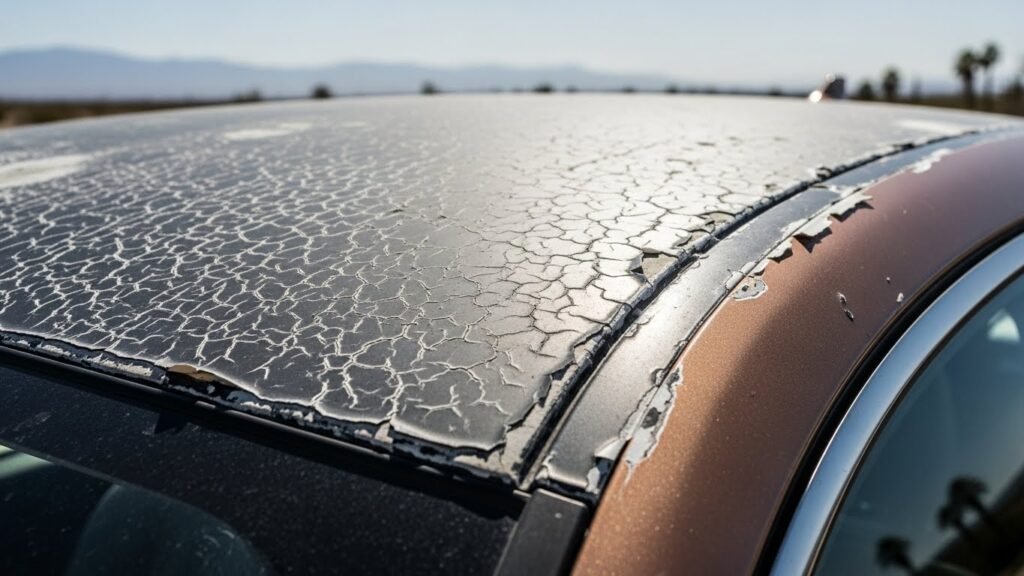
Vinyl is a plastic, and plastics eventually break down when they live outside. The sun is the biggest enemy of any car wrap. It uses invisible rays to attack the chemical bonds that hold the vinyl together. Over time, this makes the film get hard and brittle. Once it gets brittle, it can crack like an eggshell.
The Role of UV Radiation
UV rays are like a slow-motion fire for your car wrap. They hit the horizontal surfaces like your roof and hood the hardest. This is why the top of a car usually fails before the doors. Premium wraps have special blockers to slow this down, but nothing stops it forever.
Thermal Expansion and Contraction
Your car wrap is constantly growing and shrinking. When the sun hits it, the vinyl gets bigger. When it cools down at night, it gets smaller. This constant movement puts a lot of stress on the glue underneath. If the glue gets weak, the edges will start to pull back or “finger”.
Factors Affecting the Lifespan of a Vinyl Wrap
Many things determine how long does a car wrap last. Some you can control, and some you just have to deal with. Picking the right brand is a huge part of the battle. Where you park and how you drive also play massive roles in the life of the film. Let’s break down the main things that make a wrap live or die.
Wrap Material Quality
Not all vinyl is created equal. Using a “no-name” brand from the internet is usually a recipe for disaster. Big companies like 3M, Avery Dennison, and HEXIS spend millions on testing. Their films stick better and stay colorful for much longer.
- Premium Brands: These brands offer the best protection against the sun and weather.
- Adhesive Technology: High-end glue is designed to hold tight but come off clean when you are done.
- UV Resistance: Better films have more “sunscreen” built into the plastic layers.
Climate and Environmental Factors
Your local weather is a silent killer for car wraps. People in Florida or Arizona will see their wraps fail faster than people in cooler states. Extreme heat basically cooks the vinyl onto the car. If you live near the ocean, the salt in the air can also cause problems.
- UV Exposure: High heat and constant sun will make the vinyl brittle much faster.
- Moisture and Humidity: Constant rain can lead to water getting under the edges if they aren’t sealed well.
- Coastal and Urban Challenges: Salt air and city smog can stain the vinyl if you don’t wash it off.
Quality of Installation and Preparation
Even the best film will fail if it is put on poorly. A professional install is worth every penny. They know how to prep the car so the glue can do its job. If there is even a tiny bit of wax left on the car, the wrap will peel off.
Proper Vehicle Preparation
Before the wrap goes on, the car has to be incredibly clean. This means removing all the old wax, grease, and even tiny bits of metal from the paint. Pros use special chemicals to make the surface “squeaky clean”.
- Surface Decontamination: Getting rid of every speck of dirt ensures the glue sticks forever.
- Ensuring Adhesion: A clean surface is the only way to prevent the edges from lifting later.
The Quality of the Install
A pro knows how to stretch the vinyl without overdoing it. If you stretch it too much, it will try to pull back like a rubber band. This usually happens around the bumpers and mirrors.
- Professional Skillset: Avoiding “pull-back” is what separates the pros from the amateurs.
- Post-Heating: Pros use a heat gun to “reset” the vinyl so it stays in the curves.
- Dust-Free Environments: A clean shop prevents those ugly little bumps under the film.
Signs of Wear and Tear on Vehicle Wraps
You need to keep an eye on your wrap as it gets older. Most issues start small and then get much bigger. If you catch a problem early, a pro might be able to fix just that one spot. But if you wait too long, you might have to peel the whole thing off.
- Fading and Discoloration: This is usually the first sign the sun is winning the battle.
- Bubbling or Peeling: This often happens at the edges or in deep curves.
- Cracking and Brittleness: If the vinyl feels hard like glass, it needs to come off immediately.
- Scratches and Tears: Small holes from rocks can let water and dirt get under the wrap.
How to Extend Your Vehicle Wrap’s Life
You can actually make your wrap last longer than the average. It just takes a little bit of effort and some common sense. Think of your wrap like your skin; it needs protection from the sun and dirt. If you are lazy with maintenance, your wrap will look old in no time.
Storage and Parking Strategies
The less sun your car sees, the better. Always try to find a shady spot or a garage. Even a simple car cover can add years to your wrap’s life.
- The Importance of Shade: Keeping it cool prevents the vinyl from getting brittle.
- Avoiding Tree Sap and Bird Droppings: These are very acidic and can burn a hole in the vinyl quickly.
Proper Maintenance and Washing
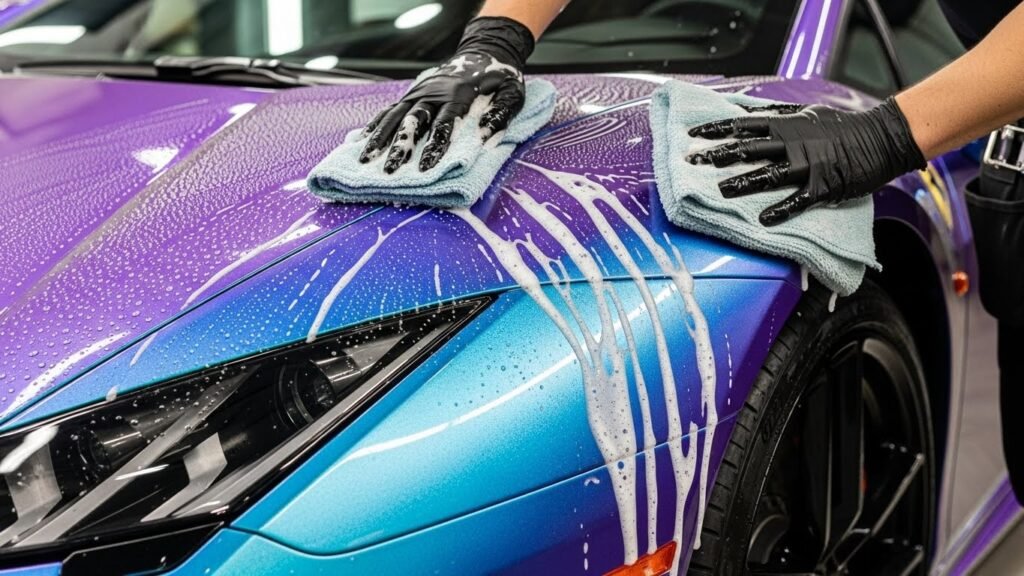
Forget the automatic car wash with the big brushes. Those brushes are like sandpaper for your vinyl. Hand washing is the only way to go if you want it to last.
- Hand Washing: This is the safest way to get the dirt off without scratching the surface.
- Drying Techniques: Always use a clean microfiber towel so you don’t leave water spots.
- Cleaning Frequency: Try to wash the car every two weeks to keep grime from building up.
Specialized Protection
You can add a “shield” on top of your shield. Products like ceramic coatings work great on vinyl. They make the surface so slippery that dirt just falls off.
- Ceramic Coating over Vinyl: This adds an extra layer that blocks UV rays and chemicals.
- Vinyl-Specific Protectants: These sprays act like sunscreen to keep the plastic flexible.
The Removal Process and Its Impact on Longevity
Knowing when to quit is just as important as the install. If you leave a wrap on too long, it can actually hurt your car. Eventually, the glue becomes one with the paint, and that is a nightmare to fix.
Knowing When to Remove
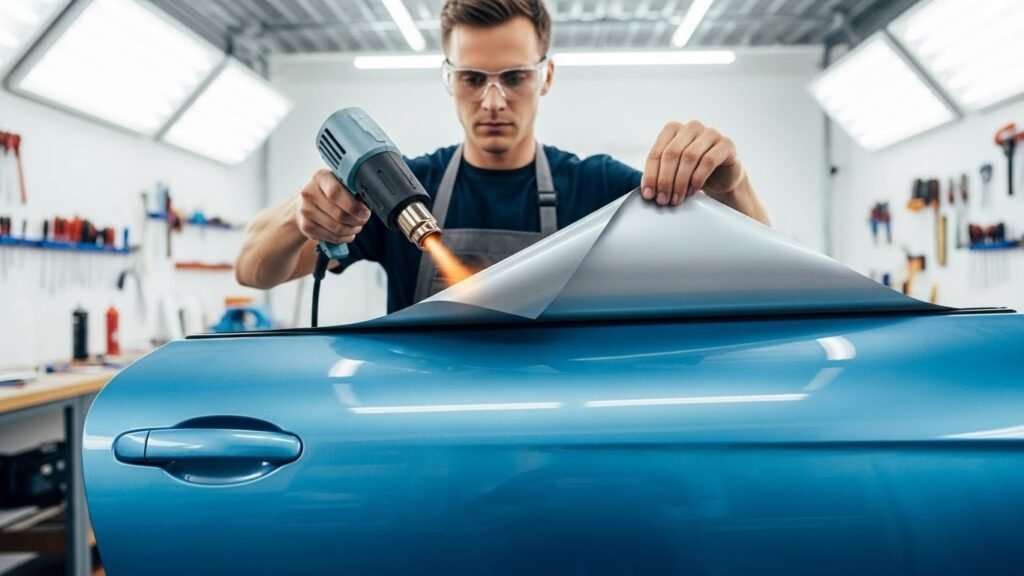
You should take the wrap off before it starts to crack. Once it cracks, the sun hits the glue directly and bakes it onto the paint. Removing “baked-on” vinyl is much more expensive and can take days.
Safe Removal Techniques
Don’t just start ripping it off on a cold day. You need heat to soften the glue so it releases from the car. Pros use steam or heat guns to make it peel off like butter.
- Professional Removal: This is the best way to make sure your factory paint stays perfect.
- Adhesive Removers: Special chemicals help get rid of any sticky residue left behind.
To help you maintain the integrity of your vehicle’s appearance, here is a list of recommended cleaning products and tools specifically suited for vinyl wraps. Using the correct supplies is essential to ensuring your wrap reaches its full 5 to 7-year potential.
Recommended Maintenance Schedule for Car Wrap Longevity
Following a structured care routine is the most effective way to ensure your vehicle wrap reaches its full potential of 5 to 7 years. Below is a scannable schedule to help you stay on track with your maintenance.
Immediate Post-Installation (First 7 Days)
- Wait to Wash: Do not wash your vehicle for at least one full week after the wrap is installed to allow the adhesive to bond.
- Check Edges: Inspect the seams and curves for any signs of lifting or “fingering” while the adhesive is setting.
- Avoid High Speeds: Try to limit high-speed highway driving to prevent debris from hitting the fresh edges.
Bi-Weekly Routine (Every 2 Weeks)
- Hand Wash Only: Perform a thorough hand wash using pH-neutral soap and a two-bucket system.
- Spot Clean Contaminants: Inspect for bird droppings, tree sap, or fuel spills and remove them immediately with a spot cleaner.
- Gentle Drying: Use a clean microfiber towel to dry the car, preventing water spots and mineral buildup.
Monthly Protection
- Apply UV Protectant: Use a vinyl-specific protectant spray to act as “sunscreen,” keeping the plastic flexible.
- Clean the Edges: Use a soft-bristled brush to gently remove dirt that tends to hide in the seams and door jams.
- Surface Inspection: Check for any small scratches or tears; addressing these early prevents water from getting under the film.
Semi-Annual Deep Care (Every 6 Months)
- Renew Protective Layers: If your wrap is not ceramic coated, apply a fresh layer of vinyl sealant or wax-free protectant.
- Decontaminate Surfaces: For textured wraps like carbon fiber, use a soft brush and specialized cleaner to remove trapped grime from the ridges.
- Professional Health Check: Consider having your installer inspect the wrap to ensure it isn’t becoming brittle or “baked-on”.
Seasonal and Environmental Adjustments
- Winter Care: Rinse the vehicle frequently during winter months to remove corrosive road salt.
- Summer Care: In extreme heat, prioritize parking in the shade or a garage to prevent the vinyl from getting brittle.
- Coastal Care: If you live near the ocean, wash the car more frequently to prevent salt air from staining or dulling the finish.
By following this maintenance schedule, you ensure that your vehicle stays looking like a showroom star for the duration of its lifespan.
Recommended Cleaning Products for Car Wraps
Ph-Neutral Car Soaps
- Mild Car Wash Soap: Use a high-quality, pH-neutral soap that does not contain waxes, silicone, or polishing agents.
- Matte-Specific Cleansers: For matte finishes, use specialized soaps that are “wax-free” to prevent the wrap from developing an unwanted oily or shiny appearance.
- Waterless Wash Sprays: These are excellent for light dust or for cleaning your car when you do not have access to a hose, provided they are formulated for vinyl.
Specialized Spot Cleaners
- Isopropyl Alcohol (IPA): A diluted mixture (70% or less) can be used to spot-clean stubborn oily residue or fingerprints, particularly on matte or satin finishes.
- Bug and Tar Remover: Choose a “wrap-safe” version to dissolve organic contaminants like bird droppings or tree sap without eating into the vinyl.
- Adhesive Removers: These are used primarily during the removal phase to get rid of any sticky residue left on the factory paint.
Protective Coatings and Finishers
- Ceramic Coatings for Vinyl: Specialized coatings add a “shield on top of a shield,” making the surface slippery so dirt falls off.
- Vinyl-Specific UV Protectants: These sprays act like “sunscreen” for the plastic, keeping the material flexible and slowing down the degradation caused by UV rays.
- Sealants for Gloss Wraps: A liquid sealant designed for wraps can help maintain the high-shine look of gloss films.
Essential Cleaning Tools
- Microfiber Towels: Always use clean, high-quality microfiber towels for both washing and drying to avoid scratching the film.
- Soft Brushes: A soft-bristled brush is helpful for gently cleaning textured wraps, such as carbon fiber, where dirt may get trapped in the ridges.
- Two-Bucket System: Use one bucket for soapy water and one for rinsing your wash mitt to ensure you aren’t rubbing dirt back onto the vinyl.
What to Avoid
- Automatic Car Wash Brushes: These act like sandpaper on vinyl and can cause immediate scratching or lifting.
- Abrasive Polishes: Never use cutting compounds or abrasive polishes on matte, satin, or textured wraps.
- Hard Ice Scrapers: During winter, avoid using hard plastic scrapers on wrapped surfaces as they can tear or gouge the film.
Is a Vehicle Wrap Worth the Investment?
When you think about how long does a car wrap last, you have to weigh the cost. It is usually cheaper than a high-end paint job and gives you way more options. Plus, you can change it whenever you get bored.
- Cost-Effectiveness: You get a custom look for a fraction of the price of custom paint.
- Protecting Resale Value: The wrap keeps your original paint safe from rock chips and scratches.
- Eco-Friendly: Wrapping uses fewer chemicals and doesn’t create the fumes that painting does.
Education and Professional Services
If you really want to dive into the world of wrapping, there is a lot to learn. You can even take classes to become a certified pro. This ensures you know the latest tricks to make wraps last as long as possible.
- Certified Installers: These folks have been trained by the brands to do the job right.
- DIY vs. Professional: DIY might save money upfront, but a pro job usually lasts twice as long.
- Sourcing Materials: Only buy from trusted shops to make sure you aren’t getting old or fake film.
Summary and Final Checklist for Maximum Durability
To wrap things up, the life of your car’s new look is mostly in your hands. Choose a great brand like HEXIS or 3M and find a pro you trust. Keep it clean, keep it out of the sun, and don’t let it get too old. If you follow these simple steps, your ride will stay looking like a showroom star for years to come.
Final Checklist:
- Choose Cast Vinyl for the best longevity on curves.
- Find a Certified Installer to avoid peeling and bubbles.
- Wash by Hand every two weeks with mild soap.
- Park in the Shade whenever you possibly can.
- Add a Ceramic Coating for that extra bit of armor.
- Remove the Wrap before it starts to crack or get brittle.
Frequently Asked Questions About Car Wrap Longevity
The following questions cover additional details regarding how long does a car wrap last and specific scenarios you might encounter with your vehicle’s vinyl.
Can I use a pressure washer on my vinyl wrap?
You can use a pressure washer, but you must be very careful to avoid lifting the edges of the film. It is best to keep the pressure below 2,000 PSI and hold the nozzle at least 12 inches away from the surface. Always spray at a wide angle rather than directly at the seams to prevent water from forcing the vinyl up.
Will a car wrap damage my original factory paint?
A high-quality wrap applied to healthy factory paint will not cause damage during the installation or removal process. In fact, it acts as a protective shield against minor scratches, rock chips, and UV damage. However, if the paint is already peeling or has rust, the adhesive may pull some of the loose paint off when the wrap is removed.
How do I remove bird droppings or tree sap safely?
You should clean these contaminants off as soon as you see them because their acidity can permanently stain or eat through the vinyl. Use a spot cleaner or warm, soapy water to gently soak the area before wiping it with a microfiber towel. Avoid scrubbing hard, as this can create a dull spot on the finish.
Is it possible to wrap a car that has ceramic coating already?
Vinyl will not stick properly to a car that currently has a ceramic coating because the coating is designed to repel adhesives. The coating must be professionally removed through polishing or chemical stripping before a wrap can be installed. Once the wrap is on, you can then apply a new layer of ceramic coating over the vinyl.
Can I put a vinyl wrap through a touchless car wash?
Yes, touchless car washes are generally safe for vinyl wraps because they do not use abrasive brushes. However, some of these washes use very high heat or harsh chemicals to clean the car, which could slightly shorten the wrap’s lifespan over time. Hand washing remains the gold standard for maximum durability.
What happens if only one part of the wrap gets damaged?
You do not have to re-wrap the whole car if a single panel, like a door or fender, gets scratched. A professional can remove the vinyl from just that section and apply a fresh piece. Keep in mind that if the rest of the wrap is old, the new piece might look slightly brighter because it has not been faded by the sun yet.
Do I need to tell my insurance company about the wrap?
It is a good idea to inform your insurance company so they can update your policy to cover the cost of the wrap. If you are in an accident, they may pay to replace the vinyl as part of the repairs if it is listed as a modification.
How long should I wait to wash my car after it is wrapped?
You should wait at least one full week before washing your car after a new wrap is installed. This gives the adhesive time to fully bond to the paint surface and ensures the edges are locked in place.
Can vinyl wraps withstand extreme cold and snow?
Yes, high-quality cast vinyl is designed to handle freezing temperatures without cracking. However, you must be careful when clearing snow; never use a hard ice scraper on the wrapped surfaces, as it will scratch the film. Stick to using a soft brush or a cloth to remove snow.
Does the color of the wrap affect how long it lasts?
Darker colors, especially black and dark blues, absorb more heat from the sun and may degrade slightly faster than lighter colors. White or silver wraps stay cooler and often have the longest lifespan among all color options.
Can I wrap a car with deep scratches or dents?
A wrap will not hide dents or deep scratches; in fact, the glossy or metallic finish can actually make them more noticeable. It is best to have body work done and the surface smoothed out before applying the vinyl for a professional look.
Is it safe to use a clay bar on a vinyl wrap?
You should not use a standard automotive clay bar on most vinyl wraps, especially matte or satin finishes, as it can change the texture or leave marring. If the surface feels gritty, use a specialized vinyl cleaner or a very soft clay substitute designed specifically for film.
Will salt from winter roads ruin my wrap?
Road salt can be very corrosive and will eventually dull the finish if left to sit. During winter, you should rinse your car frequently to remove salt buildup and prevent the vinyl from becoming stained or brittle.
Can I wrap plastic bumpers and trim?
Vinyl sticks best to painted metal or smooth plastic. If your bumpers are made of textured, unpainted plastic, the adhesive may not bond correctly, and the wrap could peel off quickly.
How does fuel spill affect the vinyl?
Gasoline or diesel can damage the adhesive and stain the vinyl almost immediately. If you spill fuel while at the pump, wipe it off right away and clean the area with water and a mild soap to neutralize the chemicals.
Can I use a car cover on my wrapped vehicle?
A car cover is great for blocking UV rays, but you must ensure the car is clean before putting the cover on. If there is dirt between the cover and the wrap, the wind can cause the cover to rub the dirt against the vinyl, creating fine scratches.
Does a car wrap make the car hotter inside?
If you choose a very dark or black wrap, the car’s surface temperature will be higher, which can make the interior feel warmer. Lighter colors or reflective finishes like chrome can actually help keep the car slightly cooler.
Are there special soaps I should use for washing?
You should use a pH-neutral car wash soap that does not contain added waxes or oils, especially for matte and satin wraps. Avoid any soap labeled “wash and wax,” as the wax can leave a cloudy residue on the film.
What is the best way to clean the edges of the wrap?
Gently use a soft-bristled brush or a microfiber cloth to clean the edges where dirt tends to hide. Be careful not to scrub “against” the edge, as you could accidentally lift the vinyl from the surface.
Can I polish or buff a car wrap?
You can lightly polish a gloss wrap to remove very fine scratches using a specific vinyl polish. However, you should never polish matte or satin wraps, as it will make them shiny and ruin the look.