Skip to content
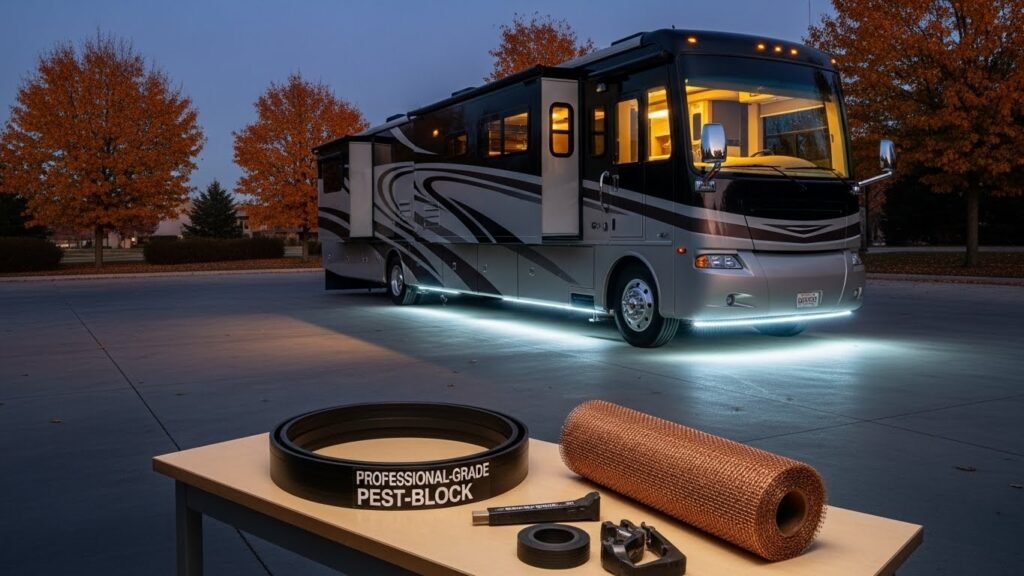
Are you tired of finding tiny droppings in your silverware drawer? Knowing how to keep mice out of rv setups is the only way to save your sanity. These little critters love to turn your expensive motorhome into their private snack bar. If you do not stop them now, they will wreck your wiring and ruin your cushions. This guide gives you the full scoop on keeping your rig rodent-free all year long.
Understanding the Rodent Threat: Why Mice Invade Mobile Homes
Mice do not just wander into your camper by accident. They are looking for a sweet setup that offers everything they need to survive. If your RV looks like a five-star hotel, they are going to check in without asking. You have to understand what makes your rig a target before you can fight back effectively.
The Attraction of Food Availability
- Pet kibble is like a magnet for every mouse in the neighborhood.
- Open pantry items provide an easy meal if they are not sealed up tight.
- Forgotten crumbs under the toaster are enough to feed a whole family of rodents.
- Spilled soda or juice leaves behind sugars that attract pests quickly.
The Search for Warmth and Shelter
- Engine bays offer a warm spot for mice to hide after a long drive.
- Insulated walls keep rodents cozy when the outdoor air turns chilly.
- Internal cabinets provide a dark place for them to hide from predators.
- Under-bed storage is a quiet area where mice feel very safe.
Harvesting Nesting Materials
- Fiberglass insulation is the top choice for mice building a soft nursery.
- Paper towels left on the counter will be shredded into bedding in one night.
- Seat cushions and curtains provide plenty of fabric for a growing nest.
- Cardboard boxes in your storage bins are perfect for chewing and nesting.
Ease of Access
- The Dime Rule proves that a mouse only needs a tiny gap to enter.
- Nickel-sized holes are plenty large enough for a fat rat to squeeze through.
- Flexible seals on slide-outs often have gaps at the very corners.
- Chassis openings are rarely sealed tight from the factory floor.
Identifying and Locating Entry Points

You cannot win the war if you do not know where the enemy is getting in. Most folks think their camper is airtight, but it is usually full of holes. You need to get down and dirty to find every single crack. Grab a buddy and a good light to start your inspection.
The Undercarriage Vulnerability
- Plumbing lines often have huge gaps where the pipe meets the floor.
- Electrical wiring harnesses create tunnels that mice follow right inside.
- Propane lines usually have small openings that need extra attention.
- Frame rails can have hollow sections where mice hide and travel.
Interior Hotspots
- Back corners of floor cabinets are the most common entry spots.
- Closet floors often hide gaps around the wheel well covers.
- Under the sink is a prime spot for mice to enter through drain holes.
- Furniture bases often hide holes in the floor that you cannot see easily.
Slide-outs and Vents
- Rubber gaskets on slide-outs can dry out and leave big gaps.
- Refrigerator vents are basically an open door if they lack screens.
- Furnace exhausts provide a warm path directly into the interior.
- Roof vents can let mice in if the mesh is torn or missing.
The Daylight Test
- Close the curtains and turn off all the lights inside during the day.
- Look for beams of light hitting the floor or the walls.
- Check the corners where the floor meets the wall very closely.
- Mark the spots with tape so you can seal them up later.
The Flashlight Test
- Wait for night to get the best results with this specific method.
- Shine a light from the outside while a friend stays inside.
- Move the beam along the entire bottom edge of the RV.
- Communicate loudly so you know exactly where the light peeks through.
Sealing the RV: Creating a Physical Barrier

Once you find the holes, you have to plug them for good. Learning how to keep mice out of rv interiors requires tough materials. You cannot just use tape or rags because mice will chew right through them. Use stuff that hurts their teeth and stays put.
Metal-Based Solutions
- Copper mesh is easy to stuff into odd-shaped cracks and won’t rust.
- Steel wool works great but can rust if it gets wet outside.
- Hardware cloth is a heavy-duty screen that stops larger rats.
- Aluminum flashing can be used to cover large holes in the floor.
Sealants and Adhesives
- Silicone caulk is perfect for filling small cracks around windows.
- High-quality sealant stays flexible so it won’t crack when you drive.
- Waterproof putty works well for temporary fixes during a trip.
- Clear acrylic is good for areas where you want the seal to be invisible.
Expanding Spray Foam
- Standard foam fills big voids quickly but is easy for mice to chew.
- Pest-block foam contains bitter agents that taste nasty to rodents.
- Small amounts are best because this stuff grows bigger as it dries.
- Trim the excess with a knife once it is fully hardened.
Structural Reinforcement
- Wood patches can be screwed over large holes in the subfloor.
- Metal sheets offer the ultimate protection against chewing teeth.
- RV skirting keeps the wind out and blocks the path to the undercarriage.
- Wheel covers help prevent mice from climbing up the tires.
Natural and Chemical Repellents
If they cannot find a way in, they might just stay away because of the smell. Some scents are like a punch in the nose to a mouse. Using these helps keep the perimeter safe. It is a great second line of defense for your motorhome.
Scent-Based Deterrents
- Peppermint oil is a classic choice that smells great to humans.
- Clove oil adds a spicy kick that rodents really hate.
- Scent sachets like Scent-Away are easy to toss into cabinets.
- Cotton balls soaked in oil can be placed in high-traffic areas.
Advanced Repellent Technology
- Ultrasonic devices use high sounds to annoy the heck out of mice.
- PestChaser units are popular for people who want a plug-in fix.
- NHOU Mouse-Out is a specialized spray that really does the job.
- Battery-powered units work great if you do not have shore power.
Application Cycles
- Every 30 days is the rule for refreshing most liquid scents.
- Check the batteries on your electronic units every single month.
- Replace sachets once they lose that strong, punchy smell.
- Re-spray the undercarriage after driving through heavy rain or puddles.
Proper Food Storage and Sanitation

A clean camper is a boring camper for a mouse. If there is nothing to eat, they will go look at your neighbor’s rig instead. This is the simplest part of how to keep mice out of rv units. Just do not give them a reason to stay.
Airtight Containment
- Plastic bins stop the smell of food from leaking out into the air.
- Glass jars are impossible for a mouse to chew through.
- Cereal containers keep your breakfast safe from furry thieves.
- Pet food vaults are a must if you travel with your dog.
The Kitchen Deep Clean
- Wipe the counters with bleach or vinegar to kill scent trails.
- Sweep the floor every night before you go to sleep.
- Clean the toaster tray because those crumbs are a full meal.
- Check the oven for hidden spills that might be rotting away.
Pet Food Management
- Pick up bowls as soon as your pet is done eating.
- Store bags in a metal trash can or a heavy plastic bin.
- Sweep the area around the bowl to catch stray pieces of kibble.
- Never leave food outside the RV on the ground or mat.
Long-term Storage Prep
- Remove everything edible from the rig before you park it for winter.
- Take out the trash and wash the inside of the trash can.
- Vacuum the cushions to get rid of hair and tiny crumbs.
- Empty the fridge and leave the door propped open slightly.
Eliminating an Active Infestation
If you already hear scratching in the walls, it is time for war. You have to get them out fast before they start a family. Different traps work for different situations. Pick the one that fits your style and get to work.
Choosing the Right Traps
- Snap traps are cheap and get the job done very quickly.
- Electronic traps kill with a shock and are very easy to clean.
- Live traps let you move the mouse to a new home far away.
- Multiple-catch traps are good if you have a lot of invaders.
The Danger of Rodenticides (Poison)
- Dead mice in the walls will make your camper smell like trash.
- The stench can last for weeks and is almost impossible to remove.
- Pets might eat a poisoned mouse and get very sick or die.
- Poison bait might actually attract more mice from outside at first.
Maintenance and Winter Storage Strategies

When you park your rig for the season, the mice see an invitation. You have to be extra careful when the RV is just sitting there. A little work now saves you a huge headache in the spring. Keep your motorhome ready for action by staying on top of the chores.
The Engine Compartment
- Start the motor once a week to shake things up in the bay.
- The noise and heat make it a bad place for a nest.
- Check the wires for any signs of chewing or frayed ends.
- Leave the hood open if you are parked in a very safe garage.
Undercarriage Protection
- NHOU spray stops rust while it keeps the mice away.
- Road brine is washed off by these protective coatings easily.
- The greasy film makes it hard for mice to climb the frame.
- Annual treatments are the best way to keep the metal looking new.
Routine Inspections
- Walk through the rig every two weeks while it is in storage.
- Open every drawer to look for new droppings or nest bits.
- Sniff the air for that tell-tale musky smell of a mouse.
- Look under the sink to make sure your seals are still holding up.
Winterizing Checklist for a Rodent-Proof RV
Preparing your rig for the off-season is about more than just draining the pipes. To truly understand how to keep mice out of rv units during winter, you must create an environment that is both inaccessible and unattractive to pests. This checklist combines cleaning, sealing, and deterrent strategies to ensure your motorhome stays safe.
Interior Sanitization and Food Removal
- Remove all food including canned goods and boxed items to eliminate survival incentives.
- Clean kitchen appliances to remove crumbs from toasters, ovens, and microwaves.
- Vacuum all upholstery and carpets to get rid of pet hair or snack debris.
- Wash the trash cans with disinfectant to remove lingering food odors.
- Launder all bedding and towels before storing them in airtight plastic bins.
Sealing the Exterior Shell
- Check the undercarriage for gaps around plumbing, gas, and electrical lines.
- Stuff copper mesh into small holes because mice cannot chew through the metal.
- Apply silicone caulk to seal tiny cracks around windows and external storage doors.
- Use expanding spray foam for larger voids, specifically looking at wheel wells and frame rails.
- Inspect slide-out seals to ensure they are tight and free of gaps at the corners.
Applying Deterrents and Repellents
- Spray NHOU Mouse-Out on the undercarriage to create an eco-friendly scent barrier.
- Place scent sachets or peppermint oil cotton balls in cabinets and under sinks.
- Plug in ultrasonic devices if you have access to constant shore power.
- Install RV skirting to provide a physical perimeter around the base of the vehicle.
- Set fresh traps as a backup measure to catch any rodent that manages to bypass your barriers.
Mechanical and Engine Care
- Block the air intake with hardware cloth to stop mice from nesting in the filter box.
- Inspect wiring harnesses for any signs of previous chewing or damage.
- Remove nesting materials like old leaves or paper that may have blown into the engine bay.
- Schedule bi-weekly visits to start the engine and disrupt any potential nesting sites.
Non-Toxic Cleaning Strategies for Removing Rodent Pheromones
To successfully learn how to keep mice out of rv units, you must eliminate the invisible scent trails they leave behind. These pheromone trails act as a map for other rodents to follow. Using non-toxic cleaners ensures your living space remains safe for pets and family while effectively breaking the cycle of infestation.
Natural Cleaning Solutions
- White Vinegar serves as a powerful natural acid that breaks down the proteins in mouse urine and neutralizes pheromone trails.
- Bleach Solutions can be used on hard, non-porous surfaces to kill pathogens and eliminate scent markers.
- Enzymatic Cleaners are specifically designed to “eat” organic matter, making them highly effective for deep-cleaning carpets or upholstery where urine may have soaked in.
- Baking Soda can be sprinkled on fabrics to absorb musky odors before vacuuming.
Application Best Practices
- Spray and Soak the affected area with a disinfectant spray to thoroughly wet droppings before removal, which prevents pathogens from becoming airborne.
- Wipe Down Counters and internal cabinets regularly to ensure no food residue or scent trails remain to attract new visitors.
- Deep Clean the Kitchen by checking behind the oven and inside the toaster tray for hidden spills and crumbs.
- Sanitize Trash Cans frequently to remove lingering smells that act as a beacon for rodents.
Vital Safety Precautions
- Wear Protective Gear including a mask and gloves whenever you are cleaning an area that has been infested to protect your air quality from hantavirus and salmonella.
- Avoid Dry Vacuuming droppings or nesting materials, as this can aerosolize dangerous pathogens.
- Use Paper Towels to wipe up messes so they can be disposed of immediately in a sealed outdoor trash bin.
Professional Pest Control Services
Sometimes you just cannot do it all by yourself. If the mice are winning, call in the pros. They have tools that the average person just doesn’t have. It might cost a bit more, but it saves your expensive RV from being totaled.
- Expert eyes see entry points that you will probably miss.
- Hidden access spots are easy for a pro to find and fix.
- Heavy-duty gear can reach deep into the chassis of the rig.
- Guaranteed results give you peace of mind during the off-season.
| Feature | Peppermint Oil | Ultrasonic Units | NHOU Spray | Snap Traps |
| Type | Natural Scent | Electronic | Chemical Barrier | Physical Kill |
| Best For | Prevention | Deterrence | Long-term Defense | Active Pests |
| Safety | Very Safe | Safe | Non-toxic | Use Caution |
| Maintenance | Monthly | Always On | Annual | Daily Check |
FAQs on Protecting Your RV from Rodents
How do mice typically behave in different climates?
Mice are adaptable, but in colder regions, their drive to find thermal cover inside an RV is much higher than in temperate zones. In desert climates, they may enter your rig specifically seeking moisture from plumbing fixtures or condensation.
Can mice enter through the air conditioning unit?
Yes, roof-mounted AC units have exterior vents that can serve as entry points if the internal screens are damaged. Mice can climb the exterior walls of some RVs or drop from overhanging tree branches onto the roof to reach these units.
Is it safe to use ammonia to deter rodents?
Ammonia mimics the scent of predator urine and can be a deterrent, but it is not recommended for use inside small RV spaces. The fumes can be harmful to humans and pets in confined areas and may damage certain interior finishes.
Does the type of ground surface impact mouse activity?
Parking your RV on paved surfaces like concrete or asphalt is better than parking on grass or dirt. Rodents prefer the cover of tall grass and are more likely to nest under a vehicle parked in a natural habitat.
Should I use dryer sheets to keep mice away?
Many owners use dryer sheets, but they are often considered an “old wives’ tale” with limited effectiveness. While they smell fresh, most mice will eventually use them as nesting material once the initial scent fades.
How does road brine affect rodent prevention?
Road brine and salts used in winter can corrode the undercarriage, creating new structural gaps over time. Using a product like NHOU Keep the Mouse-Out provides a dual benefit by preventing this corrosion while repelling pests.
Can mice damage the RV’s braking system?
Yes, mice frequently chew on the insulation of wiring harnesses, including those connected to electric trailer brakes. This can lead to a dangerous loss of braking power while towing.
Are LED lights effective at keeping mice away?
Some studies suggest that keeping LED rope lights under the RV at night can deter mice by eliminating the dark shadows they prefer. However, this is best used as a secondary tactic alongside physical sealing.
How often should I check my RV for droppings?
During the off-season, you should perform a walkthrough at least once every two weeks. Catching an infestation early prevents the buildup of nesting materials and structural damage.
Is vinegar an effective rodent repellent?
Vinegar is a great cleaning agent for removing pheromone trails left by mice, but it is not a long-term repellent. The strong scent dissipates too quickly to provide constant protection.
What are the health risks associated with RV mice?
Mice can carry hantavirus, salmonella, and other pest-borne diseases through their droppings and urine. Always wear a mask and gloves when cleaning an infested RV to protect your air quality.
Can mice get inside the slide-out mechanisms?
The cavities where slide-out tracks and motors reside are prime nesting spots. These areas are difficult to seal completely, so using aromatic repellents in these specific zones is highly recommended.
Do ultrasonic devices interfere with pets?
Most ultrasonic pest controllers operate at frequencies inaudible to humans, dogs, and cats. However, they may cause distress to small domestic pets like hamsters or guinea pigs.
Should I leave the stabilizer jacks up or down during storage?
Leaving stabilizer jacks down provides a direct ladder for mice to climb into the chassis. If possible, store the RV with jacks up, or use specialized rodent guards on the jack legs.
Does coffee grounds repel mice?
While some believe the strong scent of coffee grounds works, there is no scientific evidence that it effectively deters rodents. In some cases, dry grounds might even attract other insects.
What is the best way to clean up mouse urine?
Avoid vacuuming dry droppings as this can aerosolize pathogens. Instead, use a disinfectant spray to thoroughly wet the area before wiping it up with paper towels.
Can mice chew through PEX plumbing?
Yes, mice can chew through PEX and other plastic water lines, leading to major water damage when you de-winterize the rig. Sealing the gaps around where these pipes enter the floor is critical.
How do I protect the engine’s air intake?
Mice love to build nests inside air filter boxes. You can temporarily cover the air intake with hardware cloth during storage to prevent them from entering the engine’s internal components.
Is naphthalene (mothballs) effective for outdoor use?
Naphthalene is sometimes placed in pouches around tires, but it is toxic to the environment and loses its potency quickly outdoors. It is generally not recommended for eco-friendly pest control.
Why should I avoid using peanut butter in live traps?
While peanut butter is a great bait, it can be messy in live traps and may attract ants. For live relocation, a small amount of birdseed or a cracker may be cleaner.