Skip to content
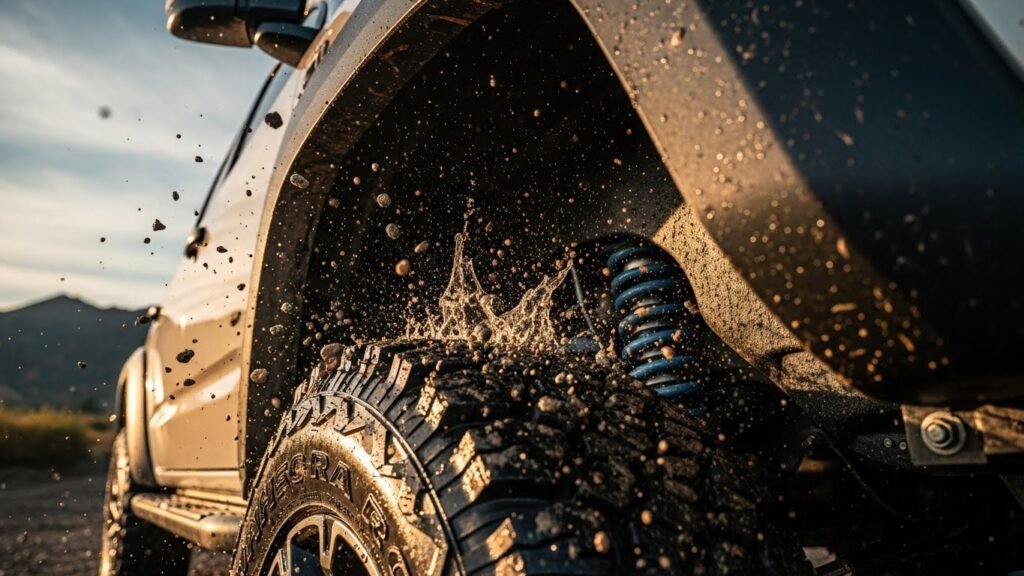
Your car works hard to get you where you need to go. One of the most overlooked parts of any ride is the wheel wells. These curved areas sit right above your tires and take a beating every single day. Think about all the junk your tires kick up while you are driving down the road. You have mud, rocks, and gross road salt constantly flying into your vehicle body. Without good wheel wells, your car would basically fall apart from the inside out.
Understanding Wheel Wells: Definition and Purpose
Most people do not think about their wheel wells until there is a major problem. A wheel well is basically the hollow space under your fenders where the wheel sits. It is a simple design that does a massive job for your vehicle safety. If you look closely, you will see it forms a protective arch around the tire. This arch keeps the rest of your car safe from the spinning rubber.
What is a Wheel Well?
The wheel well is the curved part of a car that goes over and around each tire. It is a built-in recess designed to house the wheel and tire assembly. Every truck and car has four of them to keep things running smooth. They are usually made of metal or have a plastic lining inside them. You might hear some folks call them fender wells too. It is important to distinguish the wheel well from the fender flare, which is an exterior accessory that attaches to the edge of the fender to provide extra coverage for wider tires.
Primary Functions
The main job of a wheel well is to act as a shield for your underside. Your tires act like giant slingshots when you are moving fast. They throw up road spray like water, mud, sand, and heavy gravel. The wheel well catches all this stuff so it does not hit your engine. It also protects critical parts like your brake lines and suspension from getting smashed. Liners also play a significant role in aerodynamics by creating a smooth surface inside the wheel arch to prevent air from getting trapped, which reduces drag and can improve fuel economy.
Variations in Design
Not all wheel wells are built the same way for every vehicle. Smaller cars often use light plastic or even cloth liners to save on weight. These work fine for city driving but can wear out pretty fast. Big trucks and SUVs usually have much heavier liners for harsher conditions. These are often made of thick HDPE or ABS plastic to handle off-road rocks. Some designs are wider to allow for larger tires or better suspension travel.
- Carpeted Liners: Many modern luxury and performance vehicles use felt-like or carpeted liners for superior sound-dampening.
- Performance Vents: High-performance cars may feature vents or louvers to allow hot air from brakes to escape and to relieve high-pressure air buildup inside the well.
- Splash Shields: These are smaller plastic or rubber flaps that bridge the gap between the wheel well and the engine bay to protect sensitive electrical connectors.
Anatomy of the Wheel Well: Guards, Liners, and Covers
To keep your car in top shape, you need to know the parts involved. The wheel well area is not just one big piece of metal. It uses different components to keep the road grime away from your frame. Most modern rides have a mix of guards and liners installed. Understanding these helps you make better choices for your own vehicle maintenance.
Defining the Components
There is a big difference between a wheel well guard, liner, and cover. A liner usually covers the entire inside of the well area. Guards are often smaller shields that block specific spots from flying debris. Covers can refer to the outer trim or protective inserts used in trucks. All three work together to keep moisture and dirt away from the metal. Sometimes, you may notice a small gap between the liner and fender, which is often a design choice to allow for body flex and drainage.
How Wheel Well Guards Work
These guards act like a catcher’s mitt for your car tires. When a tire kicks up a rock, the guard catches it before it hits the chassis. This stops the rock from chipping the paint or causing a dent. By blocking the spray, the guard keeps the underside of your car much drier. This is super important for stopping rust before it ever gets a chance to start.
OEM vs. Aftermarket Components
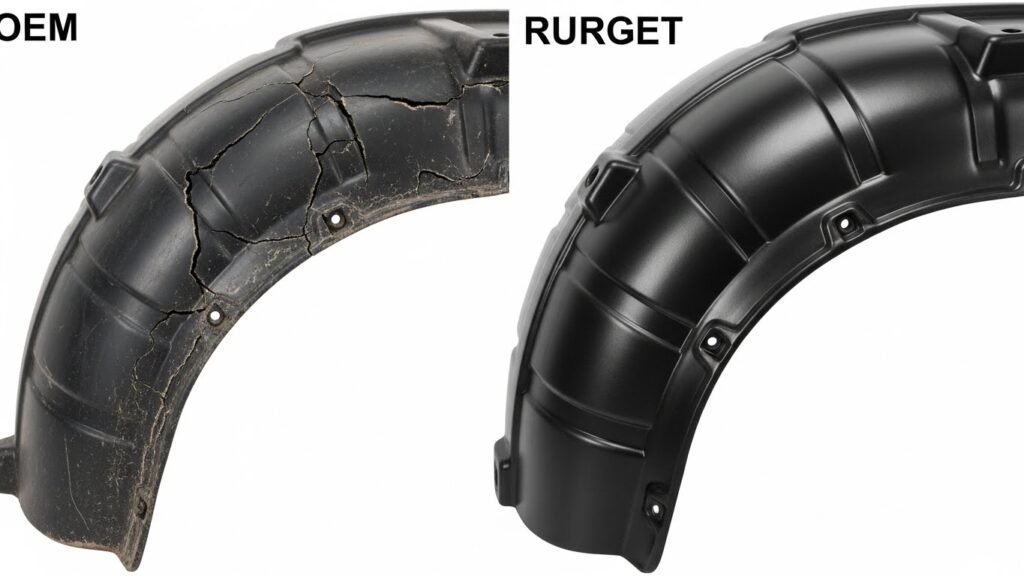
Many cars come with stock or OEM guards made of thin, cheap materials. These factory parts often use low-grade plastic that cracks over time. Aftermarket options are a huge upgrade for people who want better protection. These are usually built from high-density materials that can take a real punch.
- OEM Liners are usually thin and might not cover the whole area.
- Aftermarket HDPE provides a much thicker barrier against heavy rocks and salt.
- ABS Plastic is another great choice that stays strong in freezing weather.
- Custom Fit options ensure there are no gaps where mud can hide.
Why Wheel Well Maintenance is Essential for Every Car Owner
Keeping your wheel wells clean is not just about looking good at the car wash. It is about making sure your car lasts as long as possible. Dirt and salt love to hide in the corners of your wheel wells. If you leave that junk there, it will slowly eat through your car. Regular care is the best way to avoid massive repair bills later on. A missing liner is a safety hazard because it exposes brake lines, wiring harnesses, and the fuel filler neck to road debris and corrosion.
Rust and Corrosion Prevention
Wheel wells are total magnets for rust because they trap moisture and road salt. When salt gets stuck in a crevice, it starts the oxidation process immediately. While salt does not make plastic rust, it can make it brittle and act like sandpaper, wearing down the thickness over time. This can lead to holes in your fenders or a weakened frame. Keeping the area clean and sealed is the only way to stop this damage. Rust is like a cancer for cars, so you have to be proactive.
Impact and Damage Protection
Your wheel wells protect the “innards” of your ride from flying objects. A single sharp stone could puncture a brake line if it hits just right. Without a sturdy liner, your suspension parts are also at risk of damage. Good guards absorb the energy from these impacts so your car stays safe. This keeps your vital systems working even on the roughest roads. If a rock punctures a liner, small holes can be sealed with silicone, but large holes require replacement to maintain the factory seal.
Noise Reduction and Comfort
Did you know wheel wells help keep your cabin quiet while you drive? Specific liner materials like carpeted plastic or thick HDPE dampen road noise. They absorb the sound of the tires spinning and rocks hitting the well. This makes for a much more comfortable ride for you and your passengers. Upgrading your liners can actually make your car feel more luxury.
Maintaining Resale Value
A clean car is worth more money when it is time to sell it. Clean and rust-free wheel wells show a buyer that you took care of the ride. Most smart buyers will look under the fenders for signs of neglect or rot. If they see shiny, well-maintained wells, they will feel better about the whole car. It is an easy way to keep your vehicle value as high as possible.
Aesthetic Appeal
Dirty wheel wells can make even a brand-new car look like a total junker. Mud and grime buildup is very noticeable against your shiny paint. Keeping the wheel wells black and clean gives the car a finished look. It shows that you pay attention to the small details of automotive care. You can even paint metal portions or plastic liners with specialized “trim black” paint or rubberized undercoating to provide a fresh, uniform look.
Choosing the Right Protection: What to Consider
Picking out the right protection for your wheel wells can be a bit tricky. You have to think about what kind of driving you do every day. A city car does not need the same gear as a mountain truck. You want something that fits perfect and lasts for many years. Take your time to compare the materials and the fitment before buying.
Material Quality
You should always look for high-quality materials like HDPE or ABS plastic. HDPE stands for High-Density Polyethylene, and it is incredibly tough stuff. It can handle extreme heat and freezing cold without cracking or warping. Cheap plastic will get brittle and break after just one or two winters. Investing in better materials now will save you a lot of headache later.
Fitment and Compatibility
It is super important to choose guards made for your specific vehicle year and model. Every car has a slightly different shape inside the fender well. If you buy a “universal” kit, you might end up with gaps that let mud in; a custom fit ensures the guard covers every single inch of the metal. Always double-check your vehicle info before you hit the checkout button.
Fastening Hardware
The best wheel well guards come with high-quality fastening hardware included. Look for kits that include rust-resistant screws and sturdy U-clips. Some cheap kits use plastic tabs that break as soon as you hit a bump. You want hardware that matches the factory screw locations for an easy install. This keeps the liner from vibrating or falling off while you are driving.
Environmental Suitability
Where you live should dictate what kind of protection you choose for your car. Drivers in the Salt Belt need the most protection possible against winter slush. If you live near the coast, salt air can also speed up the rusting process. Desert drivers need to worry more about sand blasting their undercarriage. Make sure your guards are rated for the specific weather you deal with.
| Feature | Low-End Liners | High-End Liners |
| Material | Thin Recycled Plastic | HDPE or ABS Plastic |
| Fitment | Universal/Loose | Vehicle Specific |
| Hardware | Plastic Push Pins | Stainless Screws/U-Clips |
| Noise Control | Minimal | High Dampening |
| Durability | 1-2 Years | Lifetime of Vehicle |
How to Clean Your Wheel Wells: A Step-by-Step Guide

Cleaning your wheel wells is a dirty job, but someone has to do it. If you follow a good routine, it only takes a few minutes per wheel. You want to be thorough so you do not leave any salt behind. Regular cleaning prevents that crusty buildup that eventually turns into rust. It is one of the best things you can do for your vehicle hygiene.
Frequency of Care
How often you clean depends on where you are driving your car. For standard city driving, a good wash every 1 to 2 months is fine. If you are dealing with snow, mud, or off-roading, you need to clean them weekly. During winter, slush can freeze into ice blocks that damage liners or restrict steering, so clearing them is vital.
Preparation and Tools
Before you start, gather all the tools you need so you don’t have to stop. You will want a high-pressure hose and some good detailing brushes. A long-handle brush helps you reach the very top of the well.
- Stiff-bristled Brushes: Use these for plastic liners to break up tough mud.
- Softer Brushes: Use boar’s hair or microfiber for painted metal wells to avoid scratching.
- Upholstery Brushes: These work best to “flick” trapped sand out of carpeted liners.
- Tar Remover: Since road tar is oily, use a dedicated remover or isopropyl alcohol.
The Cleaning Process
Start by giving the entire area a heavy pre-wash rinse. This gets rid of the big chunks of mud so they don’t scratch anything. While pressure washers are effective, avoid pointing them directly at sensitive components like brake lines, electrical sensors (ABS), or air suspension bags. Next, apply a good all-purpose cleaner or a strong degreaser to the surface.
- Pre-Wash with a high-pressure hose to blast away loose dirt.
- Chemical Application using a degreaser to melt away old road oils.
- Agitation with a stiff brush to get into the textured plastic.
- Detailed Scrubbing around the edge of the fender lip where salt hides.
Final Rinse and Inspection
Once you are done scrubbing, give the wheel well a final, thorough rinse. Make sure all the soap and chemicals are completely gone from the area. Take a flashlight and look into the deep corners for any missed spots. If you see any remaining mud, hit it again with the brush. You want the surface to be totally clean before you move on.
The Importance of Drying
Leaving your wheel wells soaking wet is a big mistake that many people make. Moisture is what causes rust, especially if there is still a tiny bit of salt left. Use a leaf blower or a microfiber towel to get as much water out as possible. Pay close attention to the seams where the liner meets the metal body. Getting it bone dry is the final step in a job well done.
Common Mistakes to Avoid During Maintenance
Even well-meaning car owners can mess up their wheel well care. Some mistakes can actually make the rust problem worse than it was before. You have to use the right products and the right techniques every time. Avoiding these common errors will keep your car looking great for years.
- Skipping Pre-Wash can lead to scratching your liners with abrasive dirt.
- Harsh Chemicals like bleach can ruin plastic liners and damage your paint.
- Lack of Agitation means you are only getting the top layer of dirt off.
- Ignoring Protectants leaves the plastic vulnerable to UV damage. Avoid oil-based tire shines as they attract dust; use water-based dressings instead.
- Wet Storage by parking a car with wet wells in a garage can trap humidity.
Installation and Replacement of Wheel Well Guards
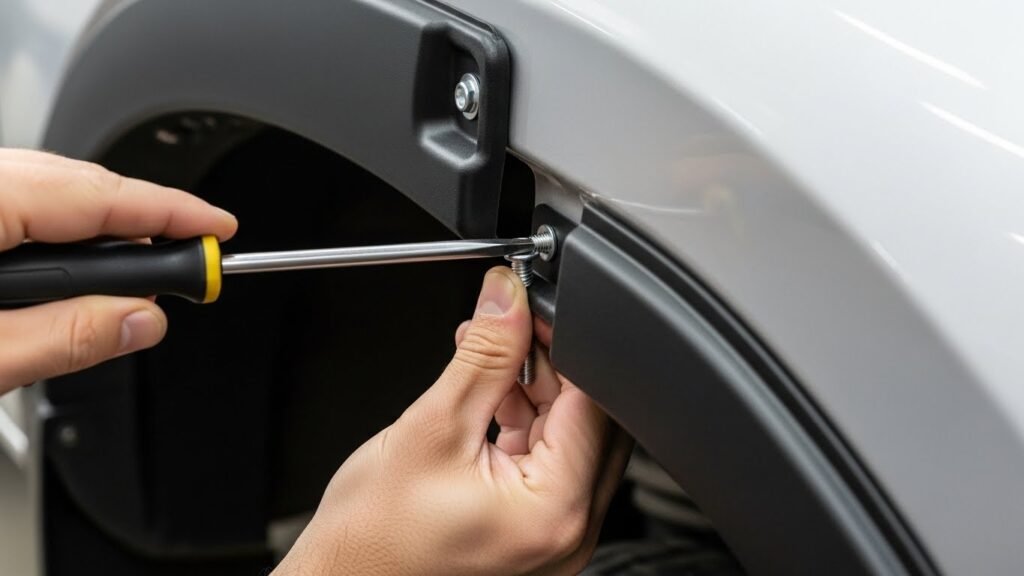
If your old liners are trashed, it is time to put in some new ones. This is a great DIY project that most people can do in a driveway. For minor damage, you can repair a cracked liner with a plastic welding kit, high-strength adhesive, or even zip ties in a “stitch” method for off-road vehicles.
Removal of Old Guards
Start by unscrewing the old, damaged guards from the fender well. You might have to deal with some rusty screws, so use some penetrant if needed. Be careful not to break the plastic clips that hold the liner to the metal. Once the screws are out, the old liner should just slide right out. This is the perfect time to clean the metal behind the liner.
Insertion and Alignment
Take your new guard and slide it into the opening above the tire. You usually do not even need to take the tires off for this. Wiggle the liner until the holes in the plastic match the holes in your car. Make sure the edges are tucked neatly behind the fender well lips. If you hear a “rubbing” sound when turning, ensure the liner is not loose or sagging and that oversized tires are not the cause.
Securing the Guard
Once everything is lined up, start putting your screws and clips back in. Don’t tighten them all the way until every single screw is started. Tighten them down until the guard is snug and does not move when you shake it. A secure fit prevents those annoying rattling noises while you drive.
Advanced Protection: Enhancing Longevity with Coatings

Sometimes a plastic liner is not enough to stop the harsh elements. You can add an extra layer of protection by using specialized coatings. These coatings act like a permanent shield for your metal and plastic parts. It is also helpful to apply a light coat of anti-seize to lug nut threads or wheel wax to their faces to prevent them from rusting in this exposed area.
Using Polyurethane Coatings
Many people use roll-on or spray-on coatings like Durabak for their wheel wells. These polyurethane layers are incredibly tough and will not peel off. They bond to almost any surface, including metal and fiberglass. A thick coating provides amazing sound-dampening for a quieter cabin experience. It basically turns your wheel well into a fortress against the road.
The Sealant Advantage
A good sealant or coating keeps moisture from ever touching the metal of your car. Unlike temporary sprays, these permanent solutions stay on for years. They are flexible, so they don’t crack when your car frame moves or vibrates. This is the ultimate way to stop oxidation in its tracks before it starts. While routine cleaning can be done with wheels on, removing them is recommended when applying permanent coatings.
Salt Belt Strategies
If you live where they salt the roads, you need a serious game plan. Combining a high-end HDPE liner with a polyurethane coating is the best defense. The coating seals the metal, and the liner takes the hits from the rocks. This double-layer approach is used by people who want their trucks to last forever.
Frequently Asked Questions (FAQs)
How do I keep my wheel wells from rusting?
The best way is to keep them clean and use a protective coating. Make sure you wash away all road salt as soon as possible after a storm. Applying a product like Durabak can create a waterproof seal on the metal. Regular inspections help you catch small rust spots before they grow into holes.
Can dirty wheel wells actually cause mechanical damage?
Yes, they absolutely can if you are not careful with maintenance. Mud and salt buildup can corrode your brake lines and cause them to leak. It can also damage the seals on your suspension components over time. Keeping the area clear of debris ensures these vital parts can move and work correctly.
What is the best product for long-term protection?
For the best results, look for high-density HDPE liners and a permanent coating. Temporary oil-based sprays work but they have to be reapplied constantly. A spray-on bedliner or a dedicated wheel well guard is much more effective. These products are designed to take a beating and keep on protecting.
Is professional cleaning and coating worth the investment?
If you don’t have the tools or the time, a professional service is a great idea. They have high-pressure gear and industrial coatings that are hard to use at home. A pro can reach the spots you might miss and ensure the seal is perfect. It can be a very cost-effective way to prevent thousands in rust repairs.
How much do replacement wheel well guards typically cost?
Prices vary but most aftermarket guards are quite affordable for the average owner. You can usually get a pair for a few hundred dollars depending on the material. This is a small price to pay when you consider the cost of a new fender or frame repair. It is one of the smartest maintenance investments you can make for your vehicle.
What are carpeted wheel well liners and why do some cars have them?
Many modern luxury and performance vehicles use felt-like or carpeted liners instead of traditional hard plastic. These are primarily designed for superior sound-dampening, absorbing the noise of water, gravel, and road hum to keep the cabin quieter. While they are great for comfort, they can be more difficult to clean because they trap mud and moisture more easily than plastic.
Can I repair a cracked plastic wheel well liner instead of replacing it?
Yes, minor cracks in a plastic liner can often be repaired using a plastic welding kit or high-strength structural adhesive. For a DIY fix, some owners use heavy-duty waterproof tape on the backside or a “stitch” method with zip ties for off-road vehicles. However, if the liner is shattered or missing large chunks, replacement is safer to ensure full protection for the engine bay.
What is the difference between a wheel well and a fender flare?
The wheel well is the interior “tunnel” or recess that houses the tire, while a fender flare is an exterior accessory that attaches to the edge of the fender. Fender flares extend the width of the body to provide extra coverage for wider tires and to prevent debris from being thrown up the side of the vehicle’s paint.
Do wheel well liners improve the aerodynamics of a vehicle?
Liners play a significant role in a car’s aerodynamic efficiency. By creating a smooth surface inside the wheel arch, they prevent air from getting trapped in the “parachute” of the fender. This reduces drag and can slightly improve fuel economy, which is why race cars and electric vehicles often have very detailed, smooth wheel well designs.
Why does ice and snow build up so quickly in the wheel wells during winter?
Wheel wells are the first point of contact for slush kicked up by tires. Because the area is somewhat enclosed and away from the direct heat of the engine, the slush quickly freezes into “ice blocks.” If not cleared, this buildup can rub against the tires, restrict your steering range, or even damage the plastic liners when you hit a bump.
Is it safe to use a pressure washer inside the wheel wells?
Generally, yes, and it is often the most effective way to remove caked-on mud. However, you should avoid pointing a high-pressure nozzle directly at sensitive components like brake lines, electrical sensors for the Anti-lock Braking System (ABS), or air suspension bags. Use a wide-angle spray pattern rather than a pinpoint jet to avoid cutting through plastic or rubber parts.
What causes a “rubbing” sound coming from the wheel well when I turn?
A rubbing sound usually indicates that the tire is making physical contact with the liner. This can happen if you have installed oversized tires, if the liner has become loose and is sagging, or if a “push pin” fastener has fallen out. It can also be caused by heavy snow buildup or a bent suspension component that has shifted the wheel’s position.
Can I paint my wheel wells to make them look new again?
You can paint the metal portions of the wheel well or even the plastic liners using specialized automotive “trim black” paint or rubberized undercoating. This is a common step in professional detailing or vehicle restoration to hide stains and provide a fresh, uniform look. Ensure the surface is perfectly clean and degreased, or the paint will peel off quickly.
What are “splash shields” and are they different from wheel wells?
Splash shields are smaller plastic or rubber flaps located within or adjacent to the wheel well. They are specifically designed to bridge the gap between the wheel well and the engine bay or transmission. Their primary job is to keep water and salt from splashing directly onto hot engine components or sensitive electrical connectors.
How do I remove stubborn road tar from my wheel well liners?
Road tar is oily and will not come off with just soap and water. You need a dedicated tar and grease remover or a bit of isopropyl alcohol. Apply the cleaner to a rag, let it sit on the tar spot for a minute to dissolve the bond, and then scrub it away. Always rinse the area with water afterward to remove any chemical residue.
Does a missing wheel well liner affect my car’s safety?
While the car will still drive, a missing liner is a safety hazard over time. Without it, road debris can directly impact brake lines, wiring harnesses, and the fuel filler neck. Furthermore, water can be sprayed into areas where it can cause electrical shorts or rapid rust on the inner structural “aprons” of the vehicle.
Why do some wheel wells have vents or louvers in them?
Vents in the wheel well are usually found on high-performance cars. They serve two purposes: they allow hot air from the brakes to escape, and they relieve high-pressure air that builds up inside the well at high speeds. This reduces “front-end lift” and helps keep the car stable and the brakes cool during spirited driving.
How can I stop my lug nuts from rusting inside the wheel well area?
Since lug nuts are exposed to the same salt and moisture as the wheel well, they are prone to surface rust. You can prevent this by applying a very light coat of anti-seize to the threads (check your manual first) and using a “wheel wax” or sealant on the visible faces of the nuts. Stainless steel or chrome-plated aftermarket lug nuts are also more resistant to rust than standard steel ones.
What should I do if a rock punctures my wheel well liner?
If the puncture is small, you can seal it with a dab of silicone sealant or a waterproof patch to prevent water from reaching the metal behind it. If the hole is large enough to expose the engine bay or headlights, it is best to replace the liner to maintain the factory seal against the elements.
Is it necessary to remove the wheels to clean the wheel wells properly?
For routine maintenance, you can clean them with the wheels on by using an angled brush. However, for a “deep clean” or when applying a permanent coating like Durabak, removing the wheels is highly recommended. This allows you to reach every hidden corner and ensure the coating is applied evenly without getting overspray on your tires or rims.
Why is there a gap between my wheel well liner and the fender?
A small, uniform gap is often part of the design to allow for body flex and drainage. However, if the gap is large or uneven, it usually means a fastener has broken or the liner has warped from heat or impact. Gaps should be addressed because they act as “scoops” that trap mud and salt against the inner metal body.
Can road salt damage my plastic wheel well liners?
While salt doesn’t make plastic “rust,” it can cause it to become dry, brittle, and faded over time. Salt is also abrasive; when mixed with sand and kicked up by the tires, it acts like sandpaper, slowly wearing down the thickness of the plastic. This is why rinsing them out is important even if the liners are not made of metal.
What kind of brushes are best for scrubbing wheel wells?
You should use a stiff-bristled brush with a long handle for the plastic liners to break up tough mud. However, if you have a painted metal wheel well (common on older cars), use a softer “boar’s hair” or microfiber brush to avoid scratching the paint. For carpeted liners, a medium-stiff upholstery brush works best to “flick” out trapped sand.
How do I identify a failing wheel bearing vs. a noise in the wheel well?
A loose liner or a trapped rock in the wheel well usually makes a “scraping” or “flapping” sound that is inconsistent. A failing wheel bearing makes a constant “humming” or “growling” noise that gets louder as you speed up and often changes tone when you steer left or right. If the noise is constant and rhythmic, it is likely a mechanical issue rather than a liner problem.
Can I use “tire shine” on my wheel well liners?
Many detailers use water-based tire dressings or “trim restorers” on plastic wheel wells to give them a dark, hidden look. While this makes them look great, avoid using oil-based or greasy dressings. Greasy products act like a magnet for dust and dirt, meaning your wheel wells will get dirty much faster the next time you drive.