Skip to content
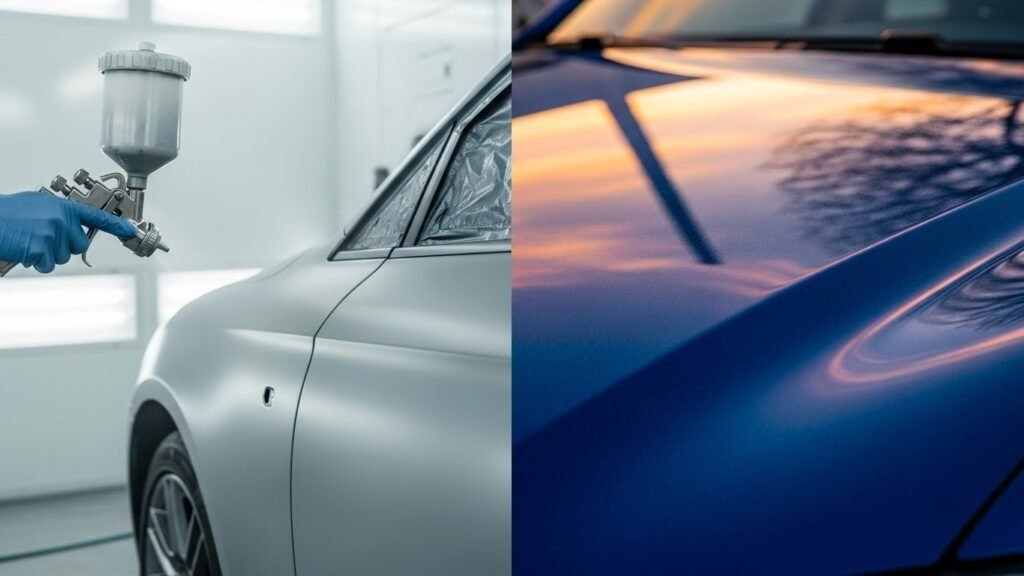
If you just finished a fresh paint job, you are likely wondering how long does it take for automotive paint to cure before you can hit the road. Getting a sweet new finish is exciting for any car owner. You want that shine to stay perfect forever. Rushing into a car wash or driving too soon can ruin all that hard work. This guide will walk you through everything you need to know about drying times and keeping your ride looking sharp.
Understanding the Difference Between Drying, Flashing, and Curing

Many people get confused about the different stages of the paint process. Knowing these terms helps you understand how long does it take for automotive paint to cure properly. Flashing is the very first stage of the process. This happens right after you spray a layer of paint. It is the short window where solvents evaporate so the next layer can stick. If you spray too fast, you trap those solvents. This can lead to nasty bubbles called solvent pop.
Drying is the next step in the timeline. At this point, the paint might feel dry if you touch it lightly. However, it is still very soft underneath the surface. You could easily leave a fingerprint or a scratch right now. It is safe for very light handling but not for any real stress. You should definitely keep your hands off as much as possible. This stage is just a bridge to the final goal.
Curing is the final and most important stage. This is a long-term chemical process that can take days or even weeks. This is when the paint reaches its maximum hardness. It develops the chemical resistance needed to survive the elements. It also gains its full UV protectant qualities during this time. Rushing this stage is a huge mistake. You risk causing the paint to wrinkle or peel off later.
Types of Car Paint and Their Specific Timelines
How Long Does it Take for Automotive Paint to Cure: Acrylic Paint
Acrylic paint is a water-based option that many people like. It is famous for being environmentally friendly and having fewer fumes. It dries quite fast compared to other types. It usually takes 30 to 60 minutes to flash. It might feel dry to the touch in about 6 to 12 hours. However, you should still wait a while for it to set.
- Flash Time: This usually takes 30 to 60 minutes between coats.
- Full Curing: Expect to wait 24 to 48 hours for basic use.
- Maximum Adhesion: It can take up to 7 days to fully stick to the surface.
How Long Does it Take for Automotive Paint to Cure: Enamel Paint
Enamel paint is known for its high gloss and extreme durability. Many old-school car fans love this stuff for its finish. The downside is that it takes a long time to dry. It stays wet much longer than acrylic options. This means you have a higher risk of dust landing on it. You need a very clean space for this paint.
- Drying Time: It typically takes 24 to 48 hours to feel dry.
- Curing Process: This can take several weeks to fully harden.
- Durability: Once it sets, it is one of the toughest finishes available.
How Long Does it Take for Automotive Paint to Cure: Urethane Paint
Urethane paint is the current industry standard for high-end finishes. It offers the best UV protection for your car. Most modern cars use this type of paint from the factory. It is very resistant to chemicals and chips once it is ready. It hits a good balance between speed and quality. Most professional body shops prefer this material.
- Drying Time: Usually takes about 12 to 24 hours.
- Curing Time: Expect a wait of 2 to 3 weeks for a full cure.
- 2K Systems: Often uses a hardener to speed up the chemical reaction.
Base Coat and Clear Coat Systems
The base coat and clear coat system is a two-stage process. The base coat provides the color but has no shine. It dries very fast, usually in about 10 to 15 minutes. It must look matte and tack-free before you move on. The clear coat is what gives the car its glossy finish. This layer provides the actual protection for the color underneath.
- Base Coat Timing: Wait 10 to 15 minutes between each color coat.
- Clear Coat Flash: Give it 5 to 10 minutes between layers.
- Curing Milestone: It cures for light use in 12 to 48 hours.
Primer and Specialty Layers
Primers are the foundation of any good paint job. An acrylic primer or urethane primer helps the paint stick. High-build primer is used to fill in small scratches. These layers need their own time to set up properly. Specialty paints like candy paint or pearl paint are different. They are much more sensitive to timing and technique.
- Urethane Primers: Wait 20 to 30 minutes between each coat.
- Sanding Window: Most primers are ready for sanding in 1 to 2 hours.
- Midcoats: Candy and chameleon paints need 15 to 20 minutes to flash.
Factors That Influence How Long Does it Take for Automotive Paint to Cure

Temperature and Humidity Levels
The environment is the biggest factor in how fast paint dries. Most paints love a sweet spot for temperature. If it is too cold, the chemicals stop reacting. If it is too hot, the top dries too fast. This traps wet paint underneath the surface. This is why professional shops use climate control systems.
- Ideal Temperature: Stay between 60 and 80 degrees Fahrenheit.
- Humidity: Aim for 40 to 60 percent for the best results.
- Cold Risks: Temperatures below 55 degrees can stall the curing process.
Application Technique and Layer Thickness
How you spray the paint matters just as much as the weather. Thin coats are always better than thick ones. Thin layers allow the solvent evaporation process to happen correctly. If you spray heavy “wet” coats, you will get runs. You might also see sags in the finish. These are hard to fix once they happen.
- Thin Coats: These allow solvents to escape easily into the air.
- Wait Windows: Missing your recoat window can lead to poor bonding.
- Consistent Distance: Keep your spray gun at a steady distance.
Ventilation and Airflow
Airflow is crucial for a successful paint job. Moving air carries away the solvent vapors. This stops them from settling back onto the fresh paint. Without good airflow, the paint will stay sticky for too long. However, too much wind can blow dust onto the car. You need a balanced and clean breeze.
- Displacement: Proper airflow pushes out the old, heavy solvent gases.
- Cleanliness: Make sure the air coming in is filtered and dust-free.
- Booth Pressure: Professional booths use specific air currents for drying.
Methods to Accelerate the Drying Process

Using Infrared Heat Lamps
Infrared heat lamps are a great tool for speeding things up. They use infrared radiation to heat the metal underneath the paint. This drives the solvents out from the bottom to the top. This is much better than just heating the air. It helps prevent bubbles from forming in the finish. You just have to be careful with the distance.
- Efficiency: These lamps can cut hours off the total drying time.
- Safety: Keep the lamps at the distance suggested by the maker.
- Deep Heating: It helps the cross-linking process happen much faster.
Controlled Environments and Spray Booths
A professional spray booth is the best place for paint. These rooms are designed for force-drying vehicles. They use thermal energy to bake the paint onto the car. This can reduce drying times from days to just a few hours. It also keeps the car safe from bugs and dirt. Most high-end shops use this expensive equipment.
- Baking Cycles: Booths can reach high temperatures to speed up curing.
- Acrylic Speed: A booth can dry acrylic paint in 2 to 4 hours.
- Contaminant Control: It provides a completely dust-free environment.
Utilizing Quick-Drying Formulas and Additives
You can use chemical tricks to help the paint set faster. A hardener is an additive that triggers the chemical reaction. Choosing the right reducer for your temperature is also key. Fast reducers evaporate quickly in cooler weather. These tools help you control the process in different seasons. Always follow the instructions on the label exactly.
- Accelerators: These chemicals speed up the polymerization process.
- Reducer Choice: Use a “fast” reducer if your shop is on the cool side.
- Hardener Ratio: Adding too much can make the paint brittle and crack.
How to Test if Paint is Ready

The Touch and Tacky Test
You should never touch the main part of the car to check it. Instead, use a test panel or a hidden area. A door jamb is a good spot to check for a tacky surface. Use a clean, gloved finger for this test. If it feels sticky, it is definitely not ready yet. It should feel smooth and firm to the touch.
- Hidden Areas: Always test inside a door or under the hood.
- Gloves: Never use your bare hand as skin oils can ruin paint.
- Resistance: The paint should not “give” when you press lightly.
Visual Inspection and Gloss Levels
You can tell a lot just by looking at the surface. Fresh paint goes through a stage called flash-off. This is when it moves from a wet look to a matte finish. This change shows that the solvents are leaving the paint. If you see dull spots or an uneven texture, wait longer. A uniform look is what you want to see.
- Matte Finish: This usually means the base coat is ready for clear.
- Gloss Check: If the clear coat looks “hazy,” it might still be outgassing.
- Orange Peel: Seeing this texture might mean the paint dried too fast.
The Water Bead Test
The water test is a classic way to check for hardness. Sprinkle a few tiny drops of water on a flat spot. If the paint is ready, you will see perfect water beading. The water should roll off without leaving any marks. If the water leaves a soft ring, the paint is still too soft. This is a great final check before driving.
- Beading: Water should form tight little balls on the surface.
- No Marks: The water should not sink into or stain the finish.
- Softness: If the paint feels “rubbery,” it needs more time to cure.
How Long Does it Take for Automotive Paint to Cure Before Washing
The First 24 Hours
The first day is the most dangerous time for your new paint. You must follow a strict rule of no touching at all. Keep the car away from rain and morning dew. Even a small bird dropping can eat through the soft paint now. It is best to keep the car inside a garage. This is the peak time for the curing process.
- No Water: Keep the car completely dry for at least 24 hours.
- Indoor Storage: A garage protects the car from dust and debris.
- Zero Stress: Do not drive the car on the highway yet.
The First Wash (7 to 10 Days)
You can usually give the car a very light cleaning after a week. You must only use a gentle hand wash during this time. Never use high-pressure hoses on a fresh paint job. The pressure can actually blow the paint right off the edges. Stick to a soft sponge or a clean microfiber mitt. Be as gentle as possible with the surface.
- Soft Tools: Only use soft sponges or fresh microfiber cloths.
- pH-Balanced Soaps: Use mild soaps that are safe for car finishes.
- No Pressure: Stay away from commercial power washers for now.
The Full Cure Milestone (30 Days)
Most experts say you should wait a full month for a deep clean. This is when you can finally use an automatic car wash. However, a touchless car wash is always safer for your finish. This 30-day window allows all the hidden solvents to escape. If you wax too early, you trap those gases inside. This can cause the paint to fail early.
- Automatic Car Wash: Wait 30 days before using brushes or rollers.
- Waxing: Do not apply Carnauba wax or sealers for at least a month.
- Breathing: The paint needs to “outgas” to reach its final hardening.
Best Practices for Long-Term Paint Maintenance

The Two-Bucket Method
This is the best way to wash your car without causing scratches. You use one bucket for your soapy water. The second bucket is filled with plain water for rinsing. Every time you wipe the car, rinse your mitt in the plain water first. This keeps dirt and grit out of your soap. It is the best way to avoid swirl marks.
- Soap Bucket: This stays clean and full of fresh suds.
- Rinse Bucket: This catches all the dirt you just pulled off the car.
- Grit Guards: Use a plastic screen at the bottom of the buckets.
Avoiding Mechanical Damage
Fresh paint is susceptible to micro-abrasions and scratches. You should always use dedicated drying towels after a wash. Never use a regular bath towel on your car. It is too rough and will leave tiny marks in the clear coat. Also, be careful where you park your vehicle. Tree sap and bird droppings are very acidic and dangerous.
- Drying: Use a large, clean microfiber towel to soak up water.
- Parking: Avoid parking under trees or near construction sites.
- Detailing: Use a light touch when wiping off dust or fingerprints.
Regular Protective Intervals
Once the paint is fully cured, you need a maintenance routine. Regular waxing helps block harmful UV rays from the sun. A ceramic sealer can provide a much harder layer of protection. These products help maintain the finish durability for years. They also make the car much easier to clean later. Your car will stay looking new for much longer.
- Carnauba Wax: This gives a deep, warm glow to the paint.
- Ceramic Sealer: This offers long-term chemical resistance and shine.
- UV Protectant: These products stop the sun from fading your color.
Professional vs. DIY Painting Considerations
Professional shops have a big advantage when it comes to curing. They use expensive tools like a spray booth and heat lamps. This allows them to control the environment perfectly. If you are doing a DIY painting project, you need more patience. You likely don’t have a dust-free environment or climate control. This means your wait times will be much longer.
- Controlled Space: Professionals can bake the paint to save time.
- DIY Risk: Dust and bugs are much more likely to land on your paint.
- Equipment: High-quality spray guns produce a much smoother finish.
Specific Paint Composition and Environmental Science
Solvent-Based Basecoat Properties
Solvent-based basecoats usually need about 10 to 15 minutes between coats. This timing is essential because it allows the surface to become matte and tack-free before the next pass. If you spray the next layer while the base still looks glossy or wet, you risk causing lifting or streaking. This is especially true for metallic and pearl paints that require extra time for the pigments to settle correctly.
High-Humidity and Temperature Risks
Environmental conditions play a massive role in the success of a paint job. High humidity, specifically levels above 60%, can slow down the drying process and cause surface defects. If the temperature is too hot, the top layer of the paint may dry too fast, trapping wet paint underneath the surface. Conversely, cold temperatures below 55 degrees Fahrenheit can completely stall the curing process.
Alkyd and Specialty Paint Timelines
Alkyd paint is an economical choice for many, but it requires significant patience. It typically takes about 24 hours to dry at a standard temperature of 20°C. However, the full hardening and curing process for this specific type can extend up to two full weeks.
Advanced Application and Preparation Terms

Primers and Sealers
Primers serve as the vital foundation for any paint project, helping the subsequent layers stick to the car’s surface. Urethane primers generally need 20 to 30 minutes to flash between coats. If you are using a high-build primer to fill in small scratches, it may take even longer due to its thicker consistency. Once applied, most primers enter a sanding window after 1 to 2 hours of drying.
Specialty Midcoats
Midcoats, such as candy, pearl, or chameleon paints, are much more sensitive to timing than standard colors. These layers usually require a flash time between 15 and 20 minutes. Consistency is the most important factor here, as even spray distances and steady flash times are required to prevent blotches or uneven layering.
Identifying and Troubleshooting Surface Defects
Solvent Pop and Bubbling
If you rush the application process and spray layers too quickly, you risk trapping solvents. As these trapped solvents try to escape, they create nasty bubbles on the surface known as solvent pop. This often happens when the top layer “skins over” before the bottom layers have had a chance to breathe.
Texture and Bonding Issues
Visible defects like orange peel can occur if the paint dries too fast, leaving a rough texture. If the clear coat appears hazy, it is a sign that the paint is still “outgassing” and has not finished releasing its solvents. Additionally, if you miss the specific recoat window provided by the manufacturer, the new layer may fail to bond properly to the previous one.
Professional Maintenance and Detailing Techniques
The Two-Bucket Method Detail
To avoid causing scratches or swirl marks during a wash, the two-bucket method is highly recommended.
- Soap Bucket: One bucket is dedicated to clean, soapy water.
- Rinse Bucket: The second bucket is used only for rinsing the dirt off your wash mitt.
- Grit Guards: Professionals use a plastic screen called a grit guard at the bottom of these buckets to trap dirt and keep it away from the mitt.
Protective Maintenance Intervals
Once you have reached the full cure milestone, a regular maintenance routine is necessary to preserve the shine.
- Carnauba Wax: Applying this wax gives the paint a deep, warm glow.
- Ceramic Sealer: These products offer long-term chemical resistance and a much harder layer of protection.
- UV Protectants: Regular use of protectants stops the sun’s rays from fading the vibrant color of your new paint.
Comparison of Professional vs. DIY Capabilities

Paint Booth Efficiency
Professional spray booths offer a massive advantage because they are designed for force-drying vehicles. By using thermal energy to “bake” the finish, these booths can reduce the drying time for acrylic paint to just 2 to 4 hours. They also provide a completely dust-free environment by using specific filtered air currents.
DIY Risks and Challenges
DIY projects often lack the climate control and dust-free spaces found in professional shops. Without these tools, wait times are significantly longer, and there is a much higher risk of bugs or dust landing on the wet paint. DIYers must rely more on natural airflow and patience to achieve a smooth finish
Summary and Final Checklist for Success
Getting the best results requires a lot of discipline and time. Patience is truly your best tool when painting a car. Rushing any step can lead to costly repairs and frustration. Follow the guidelines for your specific type of paint. Keep your car clean and protected once it is finally cured. If you do it right, your new paint will last for a long time.
| Paint Type | Dry Time | Cure Time |
| Acrylic | 6-12 Hours | 7 Days |
| Enamel | 24-48 Hours | 3+ Weeks |
| Urethane | 12-24 Hours | 2-3 Weeks |
| Clear Coat | 1-2 Hours | 30 Days |
Frequently Asked Questions
How long should I wait to wash my car after a fresh paint job?
You should wait at least 24 hours before performing a very light and gentle hand wash. For a standard or regular wash, it is best to wait 7 to 10 days to ensure the surface has hardened sufficiently.
When is it safe to use an automatic car wash?
You should wait a full 30 days before taking your vehicle through an automatic car wash that uses brushes or rollers. Even after this period, a touchless car wash is considered a safer option for maintaining your finish.
Can I drive my car immediately after it is painted?
It is recommended that you do not drive the car on the highway or in heavy traffic during the first 24 hours. The paint is at its peak vulnerability during this time, and road debris or insects can easily damage the soft surface.
What happens if it rains on my new paint within the first day?
You must keep the car completely dry for at least the first 24 hours. Rain or morning dew can leave permanent water spots or moisture rings because the paint is still soft enough for the water to sink into the finish.
Why shouldn’t I wax my car right after painting?
You must not apply Carnauba wax or sealers for at least 30 days. The paint needs to “outgas,” which is a process where hidden solvents escape; waxing too early traps these gases inside and can cause the paint to fail prematurely.
How can I tell if the paint is dry enough to touch?
You can perform a touch test in a hidden area, such as a door jamb or under the hood, using a clean, gloved finger. If the surface feels smooth and firm without any stickiness or “give,” it is likely dry to the touch.
What is the ideal environment for drying car paint?
The best results are achieved in a temperature range between 60 and 80 degrees Fahrenheit with humidity levels between 40 and 60 percent. Temperatures below 55 degrees can cause the curing process to stall entirely.
Is there a way to speed up the drying process at home?
Using infrared heat lamps can help by heating the metal underneath the paint, which drives solvents out from the bottom to the top. Increasing airflow with fans also helps carry away solvent vapors, provided the air is clean and dust-free.
What are the risks of applying paint coats too quickly?
If you do not allow for proper flash time between coats, you may trap solvents under the surface. This often leads to a defect known as solvent pop, which appears as tiny bubbles in the finish.
Why are thin coats better than thick coats?
Thin layers allow the solvent evaporation process to occur correctly. Thick “wet” coats are more likely to result in runs or sags, which are difficult and costly to fix once they happen.
What is the difference between drying and curing?
Drying is the stage where the paint feels dry to the touch but remains soft underneath. Curing is a long-term chemical process that takes days or weeks for the paint to reach maximum hardness and full UV protection.
How long does acrylic paint take to cure?
Acrylic paint typically takes 30 to 60 minutes to flash and 6 to 12 hours to feel dry to the touch. However, it takes approximately 7 days to reach maximum adhesion and full curing.
Is enamel paint faster or slower to dry than other types?
Enamel paint takes a relatively long time to dry, usually requiring 24 to 48 hours to feel dry. Because it stays wet longer, there is a higher risk of dust contamination during the application process.
Why do professional shops use spray booths?
Professional booths use thermal energy to bake the paint onto the car, which can reduce drying times from days to just a few hours. They also provide a controlled, dust-free environment that prevents bugs and dirt from ruining the finish.
What should I do if a bird dropping lands on my new paint?
Because fresh paint is very soft, acidic substances like bird droppings or tree sap can eat through the surface very quickly. It is best to avoid parking under trees and to store the car in a garage during the curing phase.
What is the best way to wash a car with a new finish?
The two-bucket method is the safest technique; use one bucket for soapy water and a second bucket of plain water to rinse your mitt. This process keeps dirt and grit out of your soap, helping you avoid swirl marks and scratches.
Can I use a regular bath towel to dry my car?
No, you should never use a regular bath towel as they are too rough and will leave tiny marks in the clear coat. Instead, use a large, clean microfiber towel specifically designed for soaking up water on automotive finishes.
How does humidity affect the final look of the paint?
High humidity levels can cause the top layer of paint to dry improperly. This often results in a “matte” or dull finish when a gloss was intended, or it may lead to an uneven texture known as orange peel.
What are the benefits of urethane paint?
Urethane paint is the industry standard because it offers superior UV protection and chemical resistance once cured. It provides a high-end finish and is the most common type used by professional body shops.
When can I start a regular maintenance routine with wax?
Once the 30-day curing milestone has passed and the paint has fully “outgassed,” you can begin a regular routine of waxing or applying ceramic sealers. This will help protect the color from fading and make the car easier to clean in the future.