Skip to content

What is the Spark Plug Gap?
The spark plug gap refers to the small space between the center electrode and the ground electrode of a spark plug. This gap is critical because it determines how the spark arcs to ignite the air/fuel mixture inside the combustion chamber.
Proper spark plug gap size ensures that the spark is strong enough to ignite the mixture effectively, promoting smooth engine performance and efficient combustion.
Importance of Spark Plug Gap
The gap plays a pivotal role in spark intensity and combustion efficiency. A correct gap ensures that the engine runs smoothly, improving fuel efficiency, power output, and reducing harmful emissions. On the other hand, an incorrect gap can result in misfires, spark plug fouling, or even engine damage.
Why Spark Plug Gap Matters
Impact on Engine Performance
A properly set spark plug gap influences several aspects of engine performance:
- Ignition Efficiency: A correctly gapped plug creates a spark with sufficient intensity to ignite the air/fuel mixture.
- Fuel Efficiency: Ensuring the proper gap allows the engine to burn fuel more completely, reducing fuel wastage.
- Power Output: A proper spark promotes better combustion, which in turn delivers more power to the engine.
Gap Size and Voltage Requirements
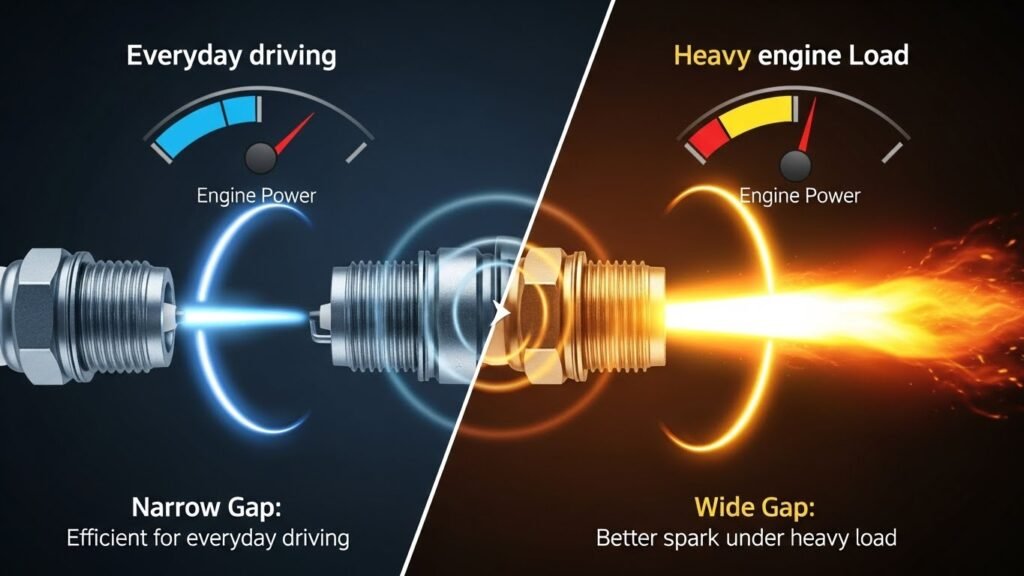
The gap size affects the voltage required to generate the spark. A narrow gap requires less voltage, which can be beneficial for lower engine loads. Conversely, a wide gap demands higher voltage and generates a hotter spark, which can enhance performance in high-load conditions but can lead to issues in standard driving.
How to Set and Adjust Spark Plug Gap
Tools Needed for Spark Plug Gap Adjustment
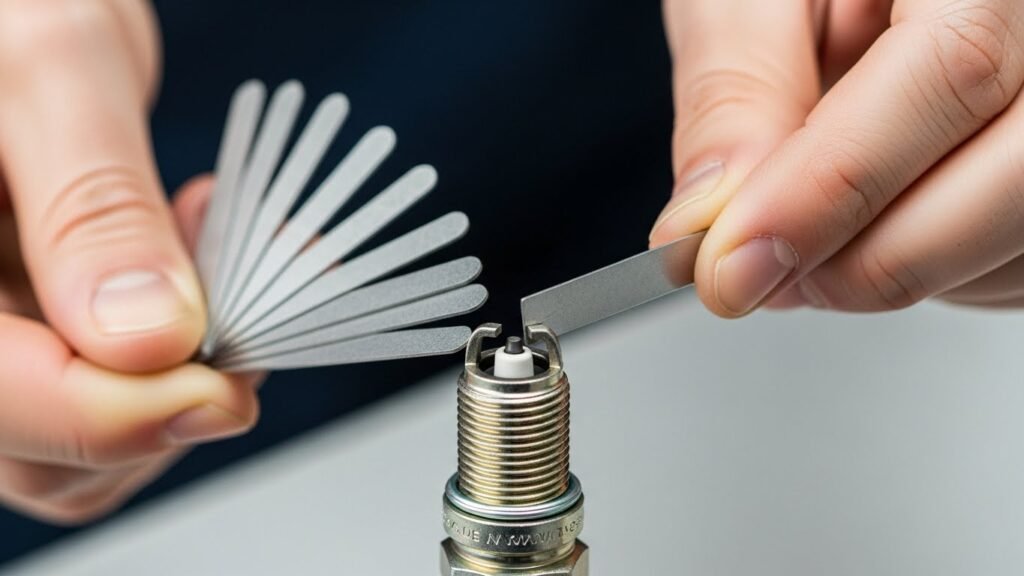
To measure and adjust the spark plug gap, you will need a few tools:
- Feeler gauge or a gap gauge to measure the current gap.
- Spark plug gapping tool to adjust the electrodes carefully.
These tools will help you ensure the correct gap size for your vehicle’s engine, preventing performance issues.
Measuring the Spark Plug Gap

To measure the gap, follow these steps:
- Step 1: Place the feeler gauge between the center electrode and ground electrode of the spark plug.
- Step 2: Check if the gauge fits snugly or with slight resistance. If the gap is correct, the gauge should slide through without too much difficulty.
- Step 3: If the gap is too small, use the spark plug gapping tool to gently bend the ground electrode outward. If the gap is too large, carefully press the ground electrode inward.
It is essential to adjust the gap gradually to avoid damage to the electrodes.
Best Practices for Spark Plug Gap Maintenance
- Always check the gap before installing pre-gapped spark plugs, as shipping can alter the gap slightly.
- Avoid over-bending the electrodes, as this can damage the spark plug and reduce performance.
- After adjustments, double-check the gap to ensure it matches the manufacturer’s recommendations.
Types of Spark Plug Gaps for Different Engine Types
Spark Plug Gap for Standard Engines
Standard, naturally aspirated engines typically require a gap between 0.028″ and 0.060″. This smaller gap ensures a stable spark under normal driving conditions, reducing the likelihood of misfires and enhancing fuel efficiency.
Spark Plug Gap for High-Performance Engines
For high-performance or forced-induction engines, such as turbocharged or nitrous-assisted engines, a wider gap is often used. The ideal range for these engines is typically between 0.030″ and 0.035″, allowing for a stronger spark that can ignite the mixture under higher compression and extreme conditions.
Adjusting Gap Based on Engine Load and Modifications
- Standard Engines: Generally benefit from a smaller gap that helps maintain consistent ignition under everyday driving.
- High-Performance Engines: Need a wider gap to produce a hotter spark for improved performance at higher engine loads or under forced induction.
Common Misconceptions About Spark Plug Gap
Are Pre-Gapped Spark Plugs Always Reliable?
While pre-gapped spark plugs are convenient, they may not always meet the exact specifications for your engine. These plugs are set at a factory gap, which can be affected by shipping or handling. Always verify the gap before installation to ensure optimal performance.
Why Gap Can Change Over Time
As the spark plug electrodes wear over time, the gap can widen, resulting in poor ignition performance. This is why it’s crucial to check the spark plug gap regularly, even for new plugs, to ensure that the spark remains strong and reliable.
The Downside of Incorrect Spark Plug Gap
Consequences of a Narrow Gap
A narrow gap can cause the following issues:
- Weak Spark: The spark may not be strong enough to ignite the air/fuel mixture, leading to misfires and rough engine performance.
- Incomplete Combustion: This can lead to reduced fuel efficiency and increased emissions.
- Engine Strain: Continuous misfires can cause strain on the ignition system and increase wear on other engine components.
Consequences of a Wide Gap
A wide gap can cause:
- Excessive Voltage Demand: The higher voltage required can put strain on the ignition system, possibly leading to misfires and plug misfiring under high engine loads.
- Engine Knocking: A hot spark can sometimes cause engine knocking or pinging, especially in lower-octane fuels.
- Higher Spark Plug Wear: A wider gap can cause increased wear on the spark plug, shortening its lifespan.
Tips for Optimal Spark Plug Gap Settings
Refer to Factory Specifications
Always refer to the vehicle manual or the manufacturer’s recommendation for the correct spark plug gap. This ensures that the gap matches the requirements for your engine’s operating conditions and helps prevent performance issues.
Adjusting for Performance and Conditions
- For high-performance applications or extreme conditions like cold weather, you may need to adjust the gap slightly to ensure the engine performs optimally.
- Racing or modified engines often require wider gaps to improve spark intensity for maximum power.
Regular Maintenance and Gap Checks
- Even for pre-gapped plugs, regular gap checks should be part of your vehicle’s routine maintenance.
- Inspecting the gap during regular spark plug maintenance helps ensure that the ignition system performs well, preventing costly repairs down the road.
Tools for Spark Plug Gap Adjustment
Recommended Spark Plug Gap Tools
To ensure accurate gap measurement and adjustment, use the following tools:
- Feeler Gauge: Used for measuring the gap. Choose the right thickness for your vehicle’s specifications.
- Spark Plug Gapping Tool: Designed to adjust the electrodes without causing damage.
- Pliers: For minor gap adjustments when necessary.
How to Use Spark Plug Gapping Tools
- Use the feeler gauge to check the current gap.
- If adjustment is needed, carefully bend the ground electrode using the spark plug gapping tool until the correct gap is achieved.
- Double-check the gap after making adjustments to ensure proper fit.
Spark Plug Materials and Their Impact on Gap Maintenance
The material used in spark plugs can affect both the lifespan of the plug and the maintenance of the gap. Common spark plug materials include:
- Copper Core: Known for excellent conductivity but wears out quicker, potentially requiring more frequent gap adjustments.
- Platinum and Iridium: These materials are more durable and have a longer lifespan. They maintain their gap for longer periods but still require checking.
- Nickel: Typically found in standard spark plugs and works well for regular engines but might need more frequent maintenance due to its softer nature.
Choosing the right material based on your engine type and performance expectations can help prolong spark plug life and maintain the gap for longer periods.
Impact of Spark Plug Gap on Ignition Coil and Distributor
The gap size directly influences the ignition system components, such as the ignition coil and distributor (in older vehicles). A larger gap demands more voltage from the ignition coil, potentially causing more strain on these components. Over time, this can reduce their efficiency and lifespan.
In modern vehicles with coil packs, the ignition system is generally more robust, but maintaining the correct spark plug gap still ensures smooth operation and prevents additional wear.
Adjusting Spark Plug Gap for High-Altitude Conditions
At higher altitudes, the air becomes thinner, which means less oxygen is available for combustion. To compensate for this, you may need to adjust the spark plug gap to a slightly smaller value. This ensures the spark is hot enough to ignite the leaner air/fuel mixture in these conditions, improving engine performance.
Some high-performance vehicles equipped with turbochargers or superchargers that run in both low and high-altitude conditions may also require different gap settings depending on atmospheric pressure.
How Spark Plug Gap Affects Emissions
An incorrect spark plug gap can lead to incomplete combustion, which often results in increased emissions. A smaller gap might lead to misfires, while a wider gap may not fully ignite the air/fuel mixture, leading to unburned hydrocarbons being released into the environment.
Maintaining the correct gap ensures that the combustion process is as efficient as possible, helping to keep your vehicle within the limits of emission standards and improving overall environmental performance.
Influence of Spark Plug Gap on Engine Load and Tuning
The spark plug gap has a subtle but significant influence on how the engine responds under different loads. For example, under heavy loads or during rapid acceleration, a larger gap might produce a more stable spark to handle the increased demand. However, under light loads, a narrower gap may improve fuel efficiency by reducing the voltage required to initiate the spark.
In custom-tuned engines, the spark plug gap may be adjusted to optimize power and efficiency for specific driving conditions, whether on the track or for everyday commuting.
Spark Plug Gap Maintenance in Electric and Hybrid Vehicles
While electric and hybrid vehicles use spark plugs far less frequently than traditional gasoline-powered vehicles, it’s important to note that spark plugs in hybrid vehicles still play a role in ignition during the vehicle’s gasoline engine operation. Ensuring the correct spark plug gap can maintain efficient fuel consumption and power delivery, even in such vehicles.
The Role of Spark Plug Gap in Preventing Engine Knock
Engine knock (also called pre-ignition or detonation) occurs when the air/fuel mixture ignites too early due to excessive heat or pressure. A correctly adjusted spark plug gap plays a key role in preventing engine knock by ensuring that the spark occurs at the optimal moment. A wider gap can sometimes cause the spark to occur too early, leading to knock, while a smaller gap can delay the spark and prevent the mixture from fully igniting.
When to Replace Spark Plugs Instead of Adjusting the Gap
While adjusting the spark plug gap is part of regular maintenance, there are cases where replacing the spark plugs entirely may be necessary:
- Excessive Wear: Over time, spark plugs naturally wear down, and no amount of gap adjustment will bring them back to full efficiency.
- Corrosion or Damage: Physical damage to the electrodes or corrosion from contaminants in the fuel can make adjustment ineffective.
- Spark Plug Fouling: If a spark plug is fouled due to oil, coolant, or carbon deposits, it may need replacement, as cleaning will not restore proper function.
Always replace spark plugs when you notice poor performance that cannot be corrected by adjusting the gap.
Using Advanced Spark Plug Technology for Better Gap Maintenance
Some newer spark plugs are equipped with technology that helps maintain their gap longer, such as laser-welded electrodes or fine-wire tips. These advanced spark plugs reduce the need for frequent adjustments and improve engine performance by providing a more stable spark over a longer period.
If your vehicle requires frequent gap adjustments, it may be worth considering high-quality spark plugs that offer better durability and performance, even in harsh conditions.
Spark Plug Gap and Performance in Racing Applications

In racing applications, where engine conditions are extreme, spark plug gap adjustment plays a critical role in performance. High-output engines often run at higher temperatures and pressures, requiring a gap large enough to produce a strong, reliable spark under demanding conditions.
Professional tuners often adjust the spark plug gap based on factors like fuel type, boost levels, and air/fuel ratios to maximize performance on the track. In such cases, fine-tuning the spark plug gap can provide a significant advantage in power output and engine efficiency.
Conclusion
Final Thoughts on Spark Plug Gap
Understanding what is the spark plug gap and why it matters is essential for maintaining your vehicle’s engine performance. Correctly adjusted spark plugs contribute to better fuel efficiency, power output, and engine longevity. Regular gap checks and adjustments can help prevent issues like misfires, spark plug fouling, and other performance-related problems.
Ensure that you measure the gap accurately and adjust it according to your engine’s requirements. Whether for standard or high-performance engines, maintaining the correct spark plug gap is crucial for optimal ignition system performance and overall vehicle health.
FAQs About Spark Plug Gap
How Often Should I Check My Spark Plug Gap?
- It’s recommended to check the spark plug gap every 30,000 miles or during routine maintenance, especially if you notice a decrease in engine performance or fuel efficiency.
Can I Adjust the Spark Plug Gap Myself?
- Yes, adjusting the spark plug gap is a simple task that can be done with the right tools, such as a feeler gauge and spark plug gapping tool. Be sure to follow the manufacturer’s specifications for your vehicle.
What Happens If My Spark Plug Gap Is Too Wide or Too Narrow?
- A narrow gap can lead to weak sparks and misfires, while a wide gap can result in misfires under heavy engine loads and additional strain on the ignition system.
Are There Spark Plugs That Don’t Need Gap Adjustment?
- Some pre-gapped spark plugs are factory-set to a standard gap, but it’s still important to check the gap before installation to ensure it matches your engine’s requirements.
How Do I Know the Correct Spark Plug Gap for My Vehicle?
- Always refer to your vehicle’s manual for the manufacturer’s recommended spark plug gap. If in doubt, ask a professional mechanic or consult the manufacturer’s guidelines.